
Look, I've been doing mold inspections and testing here in York County for years now, and one of the most common questions I get from homeowners is: "What's the difference between air sampling and surface sampling?" It's a fair question, and honestly, understanding the difference could save you time, money, and a lot of headaches down the road.
Here's the thing – both methods have their place, but they're testing for completely different things. Think of it like this: if mold testing were like checking your health, air sampling would be like a blood test (tells you what's circulating in your system), while surface sampling would be like examining a specific lump or bump (tells you exactly what's going on in that one spot).
Let me break this down in plain English so you can make the right call for your York County home.
Air sampling is like taking a snapshot of what's floating around in your indoor air. We use specialized equipment – think of it as a really fancy vacuum – that pulls air through a collection device over a specific period of time. This captures mold spores that are just hanging out in your air, waiting to cause problems.
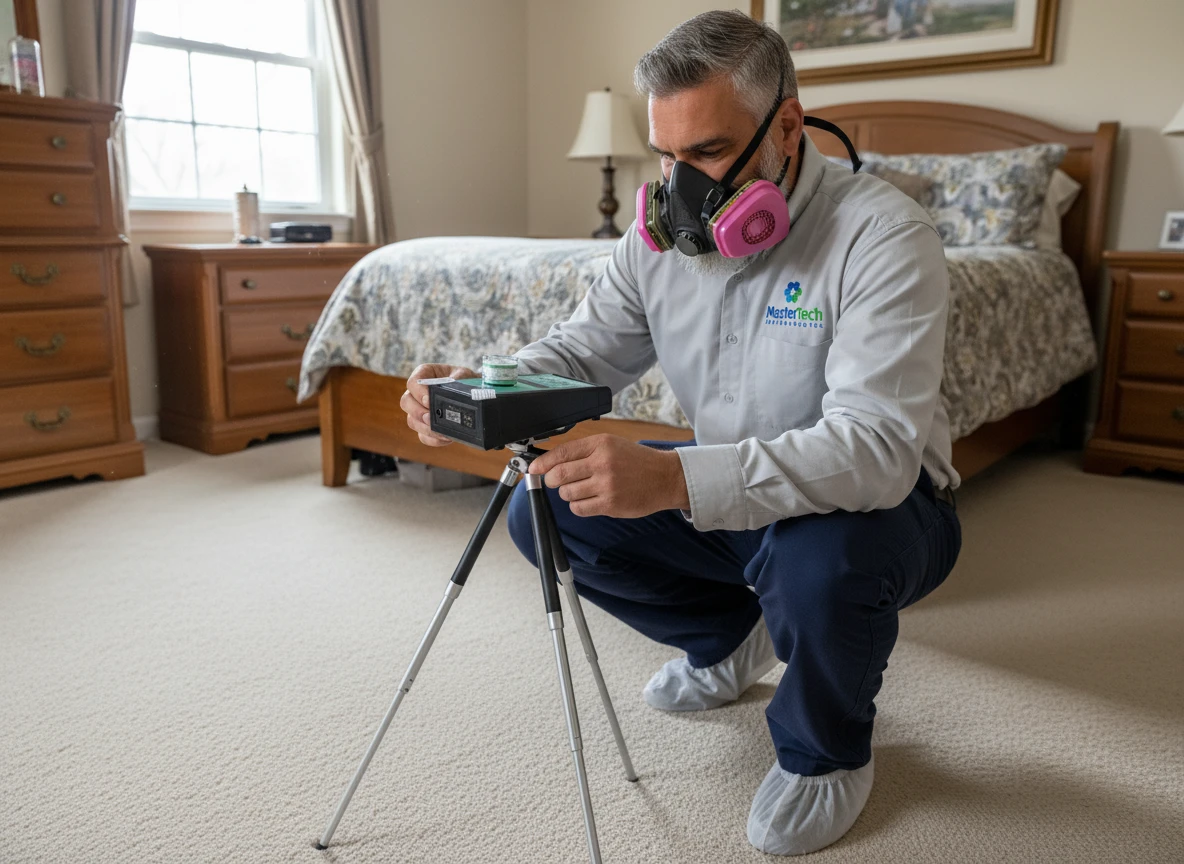
The process is pretty straightforward. I'll set up air sampling equipment in different areas of your home – maybe the basement where you've been noticing that musty smell that's common in York County, the main living area, and sometimes outside as a control sample. The equipment runs for a set amount of time, usually about 5-10 minutes per location, collecting thousands of air particles on a specialized collection medium.
Here's what's really useful about air sampling: it can detect mold that you can't see. Maybe there's mold growing inside your HVAC system, behind walls, or in your crawl space. If spores are getting into your breathing air, this method will catch them. This is especially important for older homes in York County where mold might be lurking in places you'd never think to look.
The lab results will tell us not just whether mold is present, but what types and how much. Different mold types can indicate different moisture problems or health concerns, which helps us figure out where the problem might be coming from.
Surface sampling is exactly what it sounds like – we're testing the actual surfaces in your home where we suspect mold might be growing. This involves taking samples directly from walls, ceilings, floors, or any other material where we can see discoloration, staining, or visible mold growth.
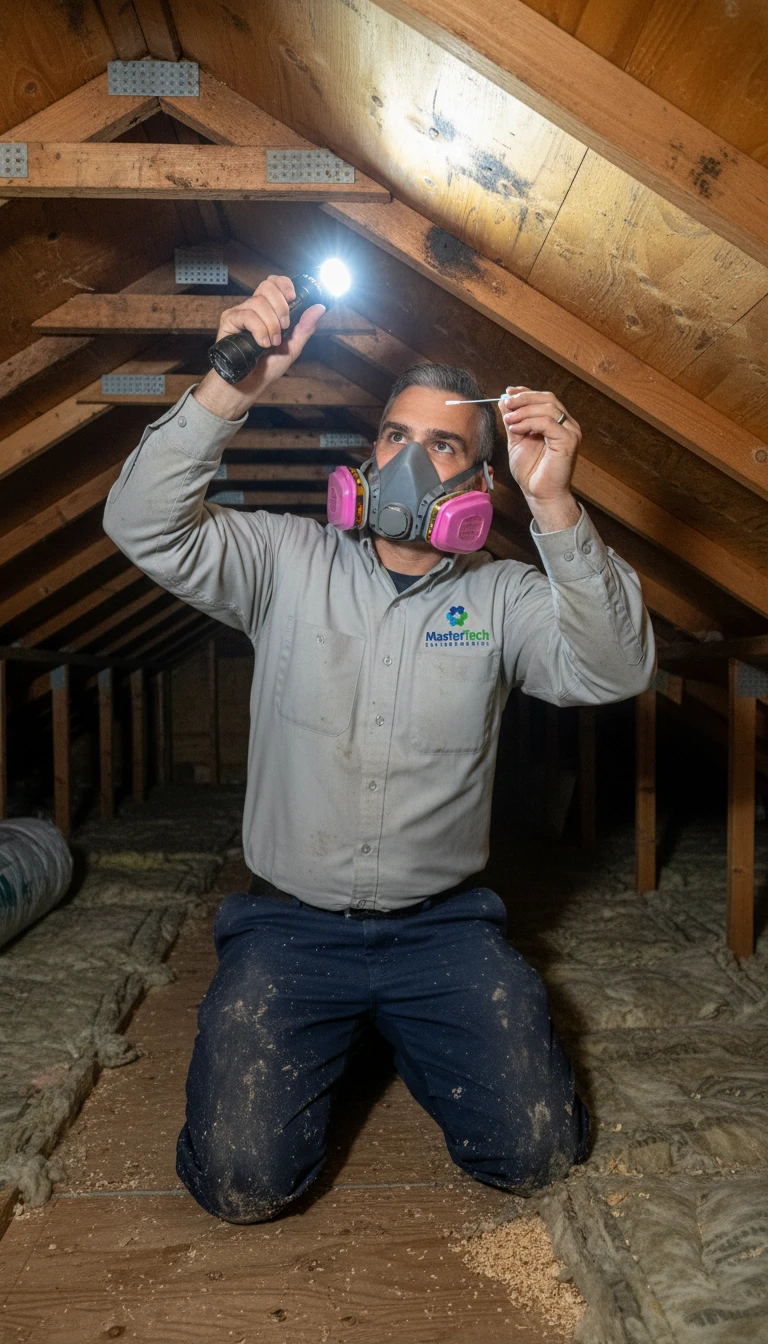
There are a few different ways we can do surface sampling:
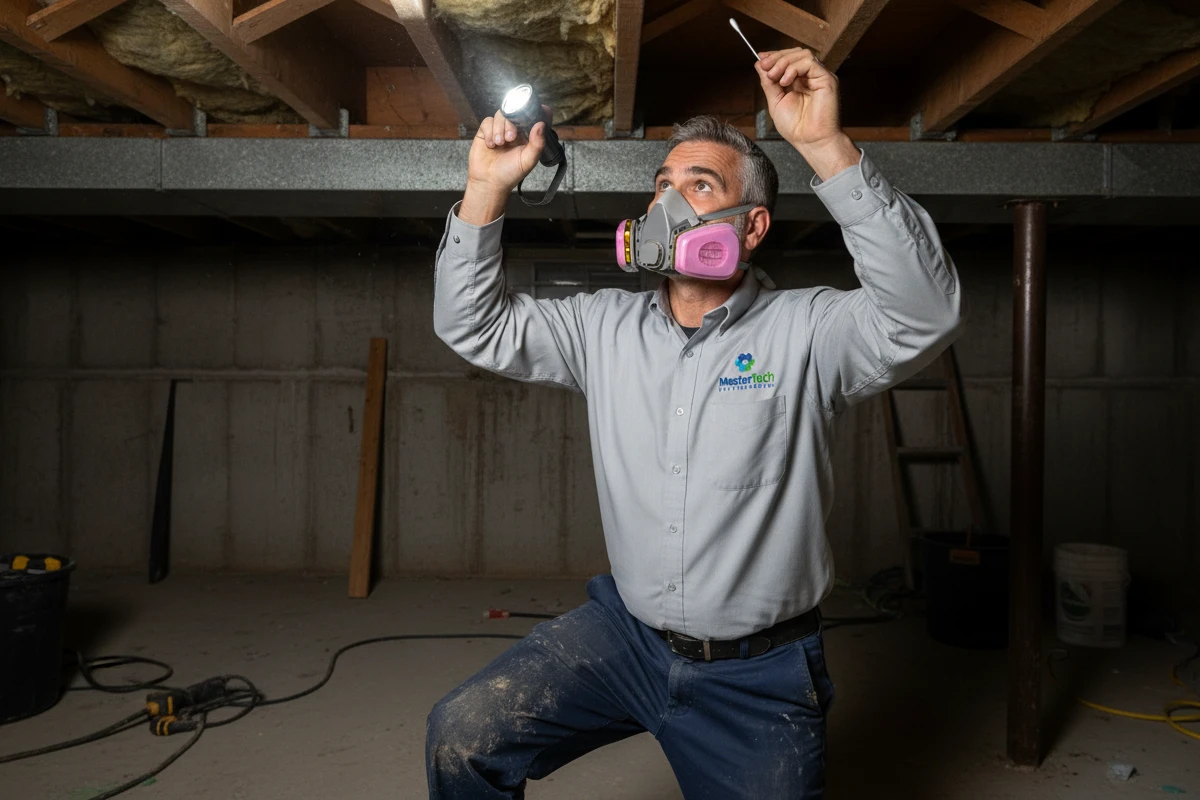
Swab sampling is probably the most common. I'll use a sterile swab (kind of like a really long Q-tip) to collect material from the suspected area. This works great when we can see something that looks like mold and want to confirm what it is.
Tape lift sampling involves pressing a piece of clear tape against the surface and then lifting it off. The tape picks up whatever's on that surface – mold spores, fragments, you name it. This method is really good for textured surfaces or when we want to preserve the structure of what we're sampling.
Bulk sampling means actually cutting out a piece of the affected material – like a chunk of drywall or a piece of carpet. We don't do this often because it's destructive, but sometimes it's necessary, especially for post-remediation verification work.
Surface sampling gives us very specific information about what's growing in that exact spot. It's like getting a close-up photo instead of a wide-angle shot. This is incredibly useful when we need to identify the exact type of mold and figure out the best way to deal with it.
Here's where it gets interesting. These two methods are really answering different questions:
Air sampling asks: "What's floating around that I might be breathing?" This is crucial because you can have a serious mold problem that you can't see, especially in finished basements where mold might be hiding behind walls. If those spores are getting into your air, you need to know about it.
Surface sampling asks: "What exactly is this stuff I'm looking at?" Maybe you've got some discoloration in your basement after York County's recent heavy rains. Surface sampling will tell you whether it's actually mold, what kind it is, and how much is there.
The timing factor is different too. Air sampling gives you a snapshot of what's in the air at that specific moment. If it's a really humid day, or if someone just disturbed a moldy area, the air sample might show higher spore counts. Surface sampling, on the other hand, shows you what's been growing over time in that specific location.
From a practical standpoint, surface sampling is usually less expensive because we can often get definitive answers with fewer samples. Air sampling typically requires multiple locations to get a complete picture, which means more lab fees.
Air sampling really shines in specific situations. If you're dealing with health symptoms that might be mold-related – like joint pain, fatigue, or other symptoms that York PA homeowners are starting to connect to mold exposure – air sampling can help determine if airborne mold is a likely culprit.
It's also invaluable when you suspect hidden mold. Maybe you smell something musty but can't find the source. Or you've had water damage in the past and want to make sure there isn't ongoing mold growth inside walls or in your HVAC system. Buying a home in York PA? Air sampling can give you peace of mind about the overall air quality.
Air sampling is also the go-to method for post-remediation verification. After mold cleanup work is done, we use air sampling to make sure the remediation was successful and that spore levels have returned to normal ranges.
If you can see something that looks like mold, surface sampling is usually your best bet. It's more direct and often more cost-effective when you have a specific area of concern.
Surface sampling is also crucial when you need to identify the exact type of mold you're dealing with. Different mold species require different cleanup approaches, and some are more concerning from a health standpoint than others.
For insurance claims or legal purposes, surface sampling often carries more weight because it provides definitive proof that mold is present on specific materials in your home.
Here's the thing – in my experience working with homeowners throughout York County, the most complete picture often comes from using both methods. They complement each other really well.

Let's say you've got visible mold in your basement. Surface sampling will confirm what type it is and help us plan remediation. But air sampling will tell us if spores are getting into your living areas upstairs. That's important information for protecting your family's health and figuring out how extensive the cleanup needs to be.
Or maybe air sampling shows elevated spore levels but you can't find the source. Following up with targeted surface sampling in suspected areas can help pinpoint where the problem is actually coming from.
Living here in York County, we deal with some unique challenges that affect mold testing decisions. Our climate means we get hot, humid summers and we see a lot of basement moisture issues, especially in older homes.
After heavy rains – which we've been getting more of lately – I often recommend air sampling in addition to surface sampling because water intrusion can disturb existing mold and send spores airborne, even in areas that don't show visible growth.
The age of homes in areas like downtown York, Red Lion, or Dallastown also plays a role. These older properties often have basement vs crawl space issues that can benefit from comprehensive testing approaches.
So how do you decide? Start by asking yourself what you're trying to accomplish. Are you investigating health symptoms with no obvious source? Air sampling first. Got a suspicious-looking spot that appeared after the last big storm? Surface sampling makes sense.
If you're selling your York PA home, the scope of testing might depend on what a buyer's inspector finds or what's required for the transaction.
For business owners in York County, especially restaurant owners who've found mold, both methods might be necessary to ensure customer and employee safety.
The bottom line is this: there's no one-size-fits-all answer, but understanding what each method does will help you make an informed decision. And remember, the cost of proper testing is usually much less than the cost of guessing wrong and dealing with ongoing health issues or property damage.
If you're dealing with a mold situation in York County and aren't sure which testing approach makes sense for your specific situation, give us a call. We can walk through your concerns and recommend the most cost-effective testing strategy to get you the answers you need.

Mastertech Environmental of York, PA. I'm your local expert in professional mold testing and inspection. With 17+ years of experience and trusted by thousands of homeowners, I can help you protect what matters most — your health and your home.