
Buying a home is probably the biggest purchase you'll ever make. And if you're like most people, you want to know exactly what you're getting into before you sign on the dotted line. That's where inspections come in.
But here's where it gets confusing: there are different types of inspections, and they're not all the same. Two of the most important ones you'll hear about are home inspections and mold inspections. While they might sound similar, they're actually quite different beasts entirely.
Understanding the difference between these two can save you thousands of dollars and a whole lot of headaches down the road. Let's break it down in plain English.
A home inspection is like getting a complete physical for your potential new house. The inspector looks at all the major systems and components to give you a general overview of the property's condition.
During a typical home inspection, you'll get a thorough examination of:
Home inspectors are generalists. They know a little about everything, which makes them great at spotting obvious problems and potential red flags. Most home inspections take 2-4 hours depending on the size and age of the house.
The inspector will document their findings in a detailed report, usually complete with photos. This report becomes your roadmap for understanding what you're buying and what might need attention in the future.

But here's the thing: home inspectors aren't required to look for mold specifically. They might mention obvious water damage or moisture issues, but mold detection isn't part of their standard scope of work. This is where things get interesting for home buyers.
A mold inspection is a completely different animal. While a home inspection casts a wide net, a mold inspection dives deep into one specific concern: mold and the conditions that allow it to thrive.
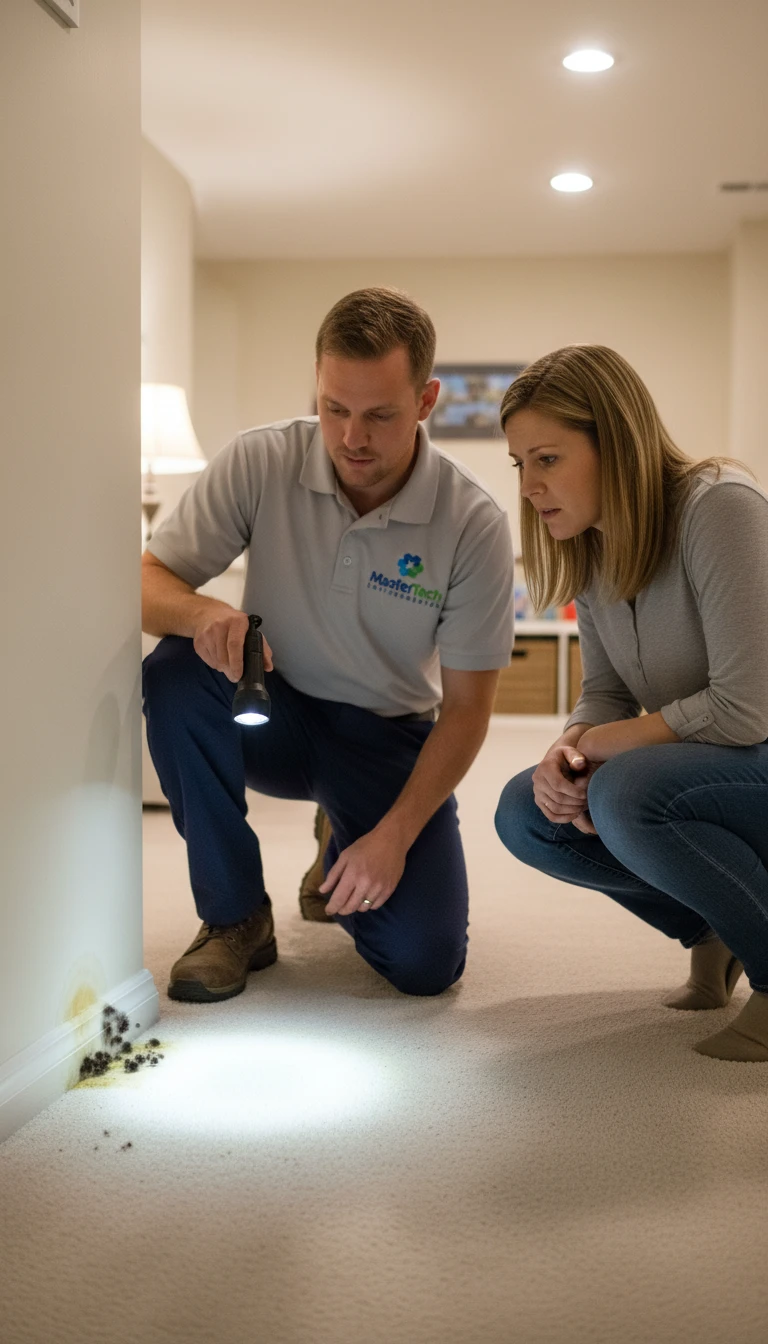
Mold inspectors are specialists. They're specifically trained and often certified to detect mold problems that might not be visible to the naked eye. This isn't just about spotting obvious black patches on the wall – it's about understanding moisture patterns, air quality, and the science behind mold growth.
During a professional mold inspection, you can expect:
The key difference is depth versus breadth. A home inspector might notice water stains on a ceiling, but a mold inspector will use thermal imaging to see if there's hidden moisture behind that wall, test the air to see if spore levels are elevated, and determine if that stain represents an active mold problem.
When you watch a home inspector work, you'll see them using basic tools: flashlights, electrical testers, maybe a moisture meter. They're looking for obvious problems that any reasonably knowledgeable person might spot.
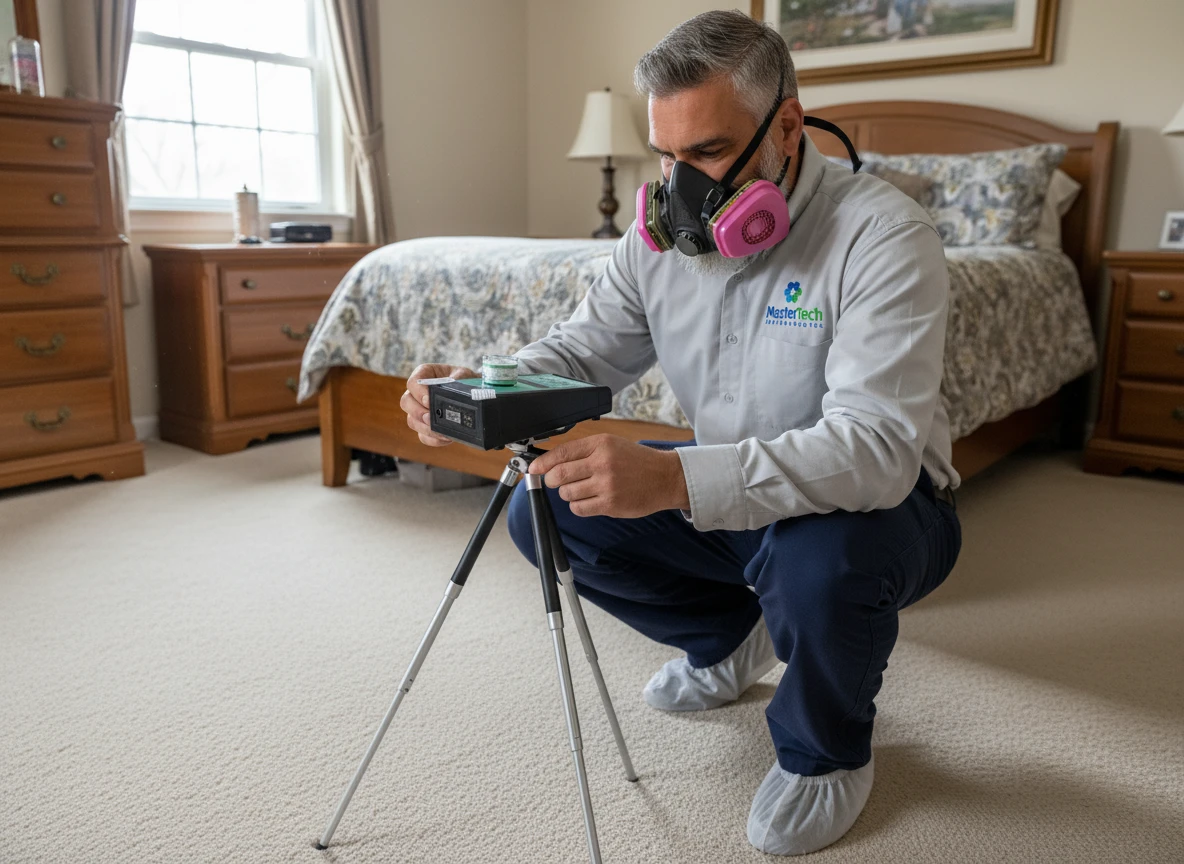
Mold inspectors, on the other hand, come equipped with an arsenal of specialized equipment:
This equipment allows mold inspectors to detect problems that would be completely invisible during a standard home inspection.
Here's where practical decision-making comes into play. You'll almost certainly want a home inspection – most mortgage lenders require it, and it's just smart business when you're making a six-figure purchase.
But when should you consider adding a mold inspection to the mix?
You should strongly consider a mold inspection if:
You might skip the mold inspection if:
Remember, you can always schedule a mold inspection after you move in if concerns arise later.
Home Inspection Process:
Mold Inspection Process:
The timeline is different too. While home inspection results are usually available within a day or two, mold inspection results might take 3-5 business days if laboratory analysis is required.
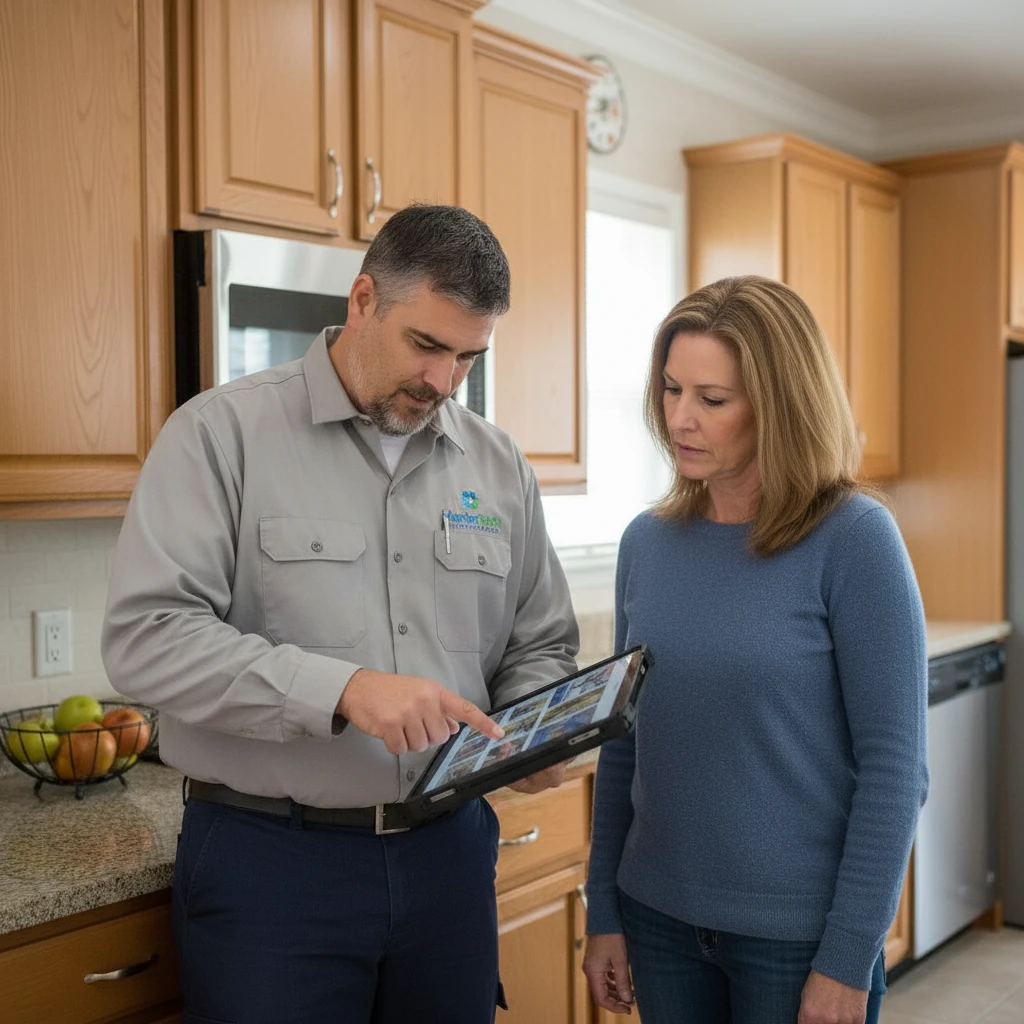
Home inspection reports are relatively straightforward. They'll list findings by category (electrical, plumbing, etc.) and typically classify issues as minor, major, or safety concerns. Most reports include recommendations for repairs or further evaluation by specialists.
Understanding mold test results can be more complex. Mold inspection reports might include:
The key is knowing what the numbers mean and when action is warranted versus when monitoring is sufficient.
Let's be honest about costs because this affects real decisions for real people.
Home inspections typically run $300-800 depending on the size and age of the house. This is money well spent and often required by your lender anyway.
Mold inspections vary more widely in cost, typically ranging from $300-800 for a basic inspection, with additional charges for sampling and laboratory analysis. If air sampling is needed, expect to add $150-300 per sample to the total cost.
Some buyers worry about "inspection creep" – where costs keep adding up with different specialists. Here's a practical approach: start with the home inspection. If it reveals moisture concerns or other red flags, then consider whether a specialized mold inspection makes sense for your situation.
For most home purchases, you'll want at least a home inspection. The question becomes whether to add a mold inspection on top of that.
Consider your priorities:
A practical middle ground is scheduling the home inspection first, then deciding about mold testing based on those findings. If the home inspector notes moisture issues, musty odors, or visible water damage, that's your cue to bring in a mold specialist.
Some situations practically scream for specialized mold inspection:
When these red flags appear, knowing when mold testing makes sense can save you from expensive surprises after closing.
Both home inspections and mold inspections serve important but different purposes. A home inspection gives you the big picture, while a mold inspection provides specialized expertise about one specific but potentially serious issue.
You don't always need both, but you should understand when each makes sense for your situation. The key is making informed decisions based on the specific property you're buying, your budget, and your risk tolerance.
Remember that problems found during inspections aren't necessarily deal-breakers. They're information that helps you negotiate a fair price and plan for future maintenance. Understanding what happens if mold is found can help you approach any findings with the right perspective.
Most importantly, work with qualified professionals who can explain their findings in plain English and help you understand your options. Whether you're dealing with a general home inspection concern or need specialized mold testing, the right inspector will empower you to make confident decisions about your potential new home.
If you're buying a home in York County and have questions about whether mold inspection should be part of your due diligence process, don't hesitate to reach out to local professionals who understand the unique characteristics of homes in this area. Every situation is different, but getting the right information upfront is always better than discovering problems after you've already moved in.

Mastertech Environmental of York, PA. I'm your local expert in professional mold testing and inspection. With 17+ years of experience and trusted by thousands of homeowners, I can help you protect what matters most — your health and your home.