
So you've had a mold inspection done, and now you're staring at this report wondering if it's actually worth the paper it's printed on. Here's the thing, not all mold inspection reports are created equal. Some are thorough, detailed documents that give you everything you need to make informed decisions. Others? Well, let's just say they're about as useful as a screen door on a submarine.
I've seen plenty of both types over the years, and I'm going to walk you through exactly what a professional mold inspection report should include. By the end of this, you'll know whether you got your money's worth or if someone just handed you a glorified receipt.
A legit mold inspection report starts with what's called a Letter of Information. This isn't just fluff: it's your proof that the inspection actually happened and that it was done according to industry standards. This letter should tell you exactly when and where the inspection took place, confirm that the inspector followed proper protocols, and list everything that's included in the report.
Right after that, you should see an Executive Summary. Think of this as the "TL;DR" version of your entire report. It should give you the bottom line upfront: Is there a mold problem? Do you need remediation? How serious is it? If you're the type who just wants the facts without wading through 20 pages of technical jargon, this section is your best friend.

The executive summary should reference industry standards: not just someone's opinion. A professional inspector will cite guidelines from organizations like the American Conference of Governmental Industrial Hygienists (ACGIH) or similar authorities when making their recommendations.
This is where your inspector should tell the story of your property. Why did you call them in the first place? Was there a water leak? Weird smells? Visible growth? A good report will document not just what they found, but what led to the inspection in the first place.
The observations section should read like a detailed walkthrough of your property. They should describe every area they inspected: and I mean every area. Basements, crawl spaces, attics, HVAC systems, even the exterior. If they looked at it, it should be in the report.
Here's what separates the pros from the wannabes: specificity. Instead of "some moisture detected in basement," a quality report will say something like "elevated moisture readings of 18-22% detected in basement southwest corner near water heater, with visible discoloration on drywall extending approximately 3 feet from floor."
Photos are worth a thousand words, especially when it comes to mold inspections. Your report should include clear, well-lit photos of any problem areas, plus general documentation of the spaces that were inspected.
But here's the key: the photos should actually show you something useful. Blurry pictures of random walls aren't helpful. Good documentation includes close-ups of any suspicious areas, wide shots that give context, and photos that clearly show the sampling locations.
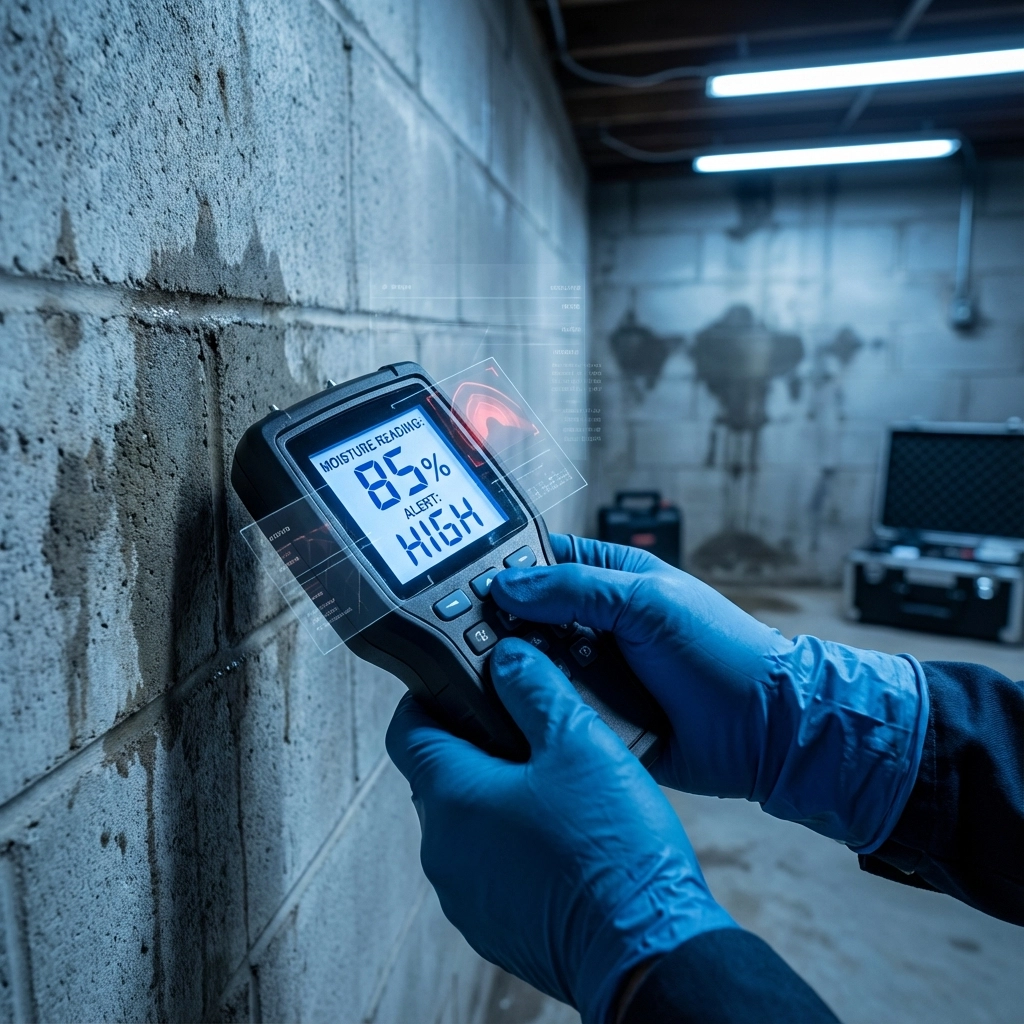
Some inspectors also include thermal imaging photos if they used that technology during the inspection. These can show temperature variations that might indicate moisture problems behind walls or other hidden issues.
This is where things get technical, but it's also where you separate the wheat from the chaff. Your report should clearly explain what samples were taken, where they were taken from, and why those specific locations were chosen.
There are typically two main types of samples in mold testing: air samples and surface samples. The report should explain which type was used and why. Air samples give you an idea of what's floating around in the environment, while surface samples tell you what's actually growing on materials.
The sampling section should also mention controls. Professional inspectors always take control samples: usually outdoor air samples: to compare against indoor readings. If your report doesn't mention controls, that's a red flag.
When it comes to lab results, the report should break down exactly what was found. This includes:
If you want to dive deeper into what mold testing results really mean, understanding these numbers is crucial for making informed decisions about your property.
Mold doesn't just appear out of thin air: it needs moisture. A thorough inspection report should identify not just where mold is present, but what's causing the moisture that allows it to grow.
This section should include moisture readings taken with calibrated equipment. Professional inspectors use moisture meters that can detect elevated moisture levels in various materials. The report should document these readings and explain what they mean.
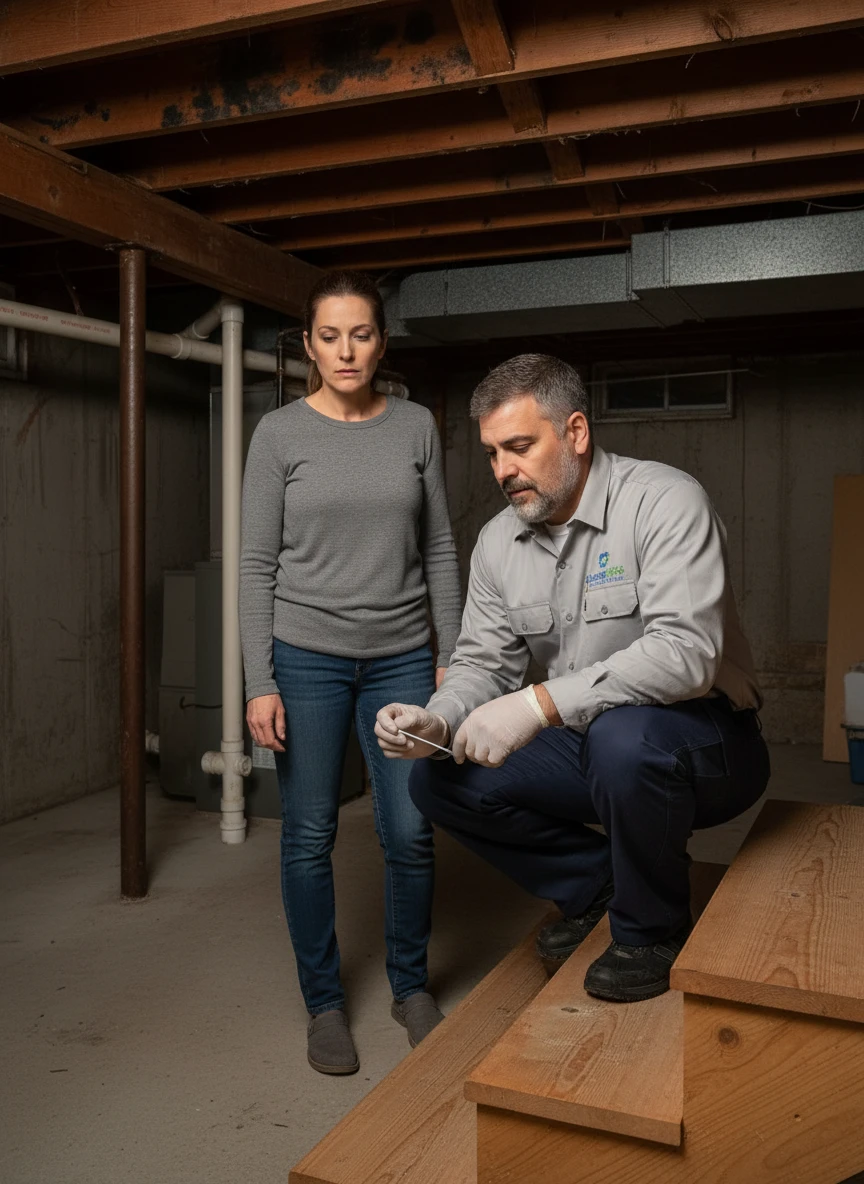
More importantly, the report should identify the source of moisture. Is it a plumbing leak? Poor ventilation? Roof issues? High humidity? Foundation problems? Without identifying and addressing the moisture source, any mold remediation is just a temporary fix.
A good inspector doesn't just look at what's happening now: they also want to understand what happened before. The report should include information about any previous water intrusions, repairs that have been done, and any health concerns reported by occupants.
This isn't just nosiness: it's detective work. Previous water damage can lead to hidden mold growth behind walls or under flooring. Understanding the history helps the inspector know where to look and what to test.
The occupant interview portion should document any health symptoms, musty odors, or other concerns that led to the inspection. This information helps provide context for the findings and can be important if health issues are a concern.
Here's where a professional report really shines: it doesn't just tell you what's wrong, it tells you how to fix it. The remediation section should provide clear, specific recommendations for addressing any problems that were found.
This isn't just "hire someone to clean the mold." Professional recommendations should address:
The recommendations should be based on industry standards, not just the inspector's opinion. References to guidelines from organizations like the Institute of Inspection, Cleaning and Restoration Certification (IICRC) or the Environmental Protection Agency (EPA) add credibility.
A professional report should document what equipment was used and how it was calibrated. This might seem like overkill, but it's actually crucial for the reliability of the results.
The report should mention:
This documentation is especially important if you ever need to use the report for insurance claims, legal proceedings, or when selling your property.
Now that you know what should be in a quality report, let's talk about some warning signs that indicate you might have gotten a subpar inspection:
Vague language: Reports that use terms like "some mold present" or "moisture detected" without specific details or measurements.
No photos or poor-quality images: Visual documentation is crucial, and professional inspectors should provide clear, well-lit photos.
Missing laboratory results: If samples were taken, you should get detailed lab results, not just a summary.
No moisture source identification: Finding mold without identifying why it's there is like diagnosing a fever without looking for the infection.
Lack of professional references: Quality reports cite industry standards and guidelines, not just personal opinions.
Immediate sales pitch: Be wary if the inspector immediately tries to sell you remediation services. Professional inspectors maintain independence from remediation companies.
If your report recommends remediation, it should also mention the need for verification testing afterward. This is called post-remediation verification, and it's how you confirm that the cleanup was successful.
Post-remediation mold testing isn't optional: it's an essential step in the process. Your initial inspection report should explain this process and recommend that you have verification testing done by an independent inspector (not the same company doing the remediation).
Professional reports usually include appendices with supporting materials. This might include:
These appendices might seem like information overload, but they're valuable if you ever need to reference specific details or if other professionals need to review the work.
Let's be honest: mold inspection reports can be full of technical jargon that makes your head spin. A good report should explain technical terms and provide context for the numbers and findings.
If your report mentions spore counts, it should explain what those numbers mean in practical terms. If it talks about water activity levels or moisture content percentages, there should be context about what constitutes a problem level.
Some inspectors include a glossary of terms, which can be helpful if you want to understand the technical aspects without having to Google every other word.
Sometimes, even with a detailed report, you might want another perspective. This is particularly true if:
Getting a second opinion doesn't mean you don't trust your first inspector: it means you're being thorough about protecting your investment and your health.
A quality mold inspection report is more than just a piece of paper: it's a roadmap for understanding your property's condition and making informed decisions. It should be detailed enough to stand up to scrutiny, clear enough that you can understand the key points, and professional enough to be useful for insurance, legal, or real estate purposes.
The difference between a professional report and a basic inspection summary is like the difference between a detailed medical diagnosis and someone saying "you don't look so good." One gives you actionable information; the other leaves you guessing.
Whether you're buying a home, dealing with suspected mold issues, or preparing for real estate transactions here in York, PA, make sure you're getting the comprehensive documentation you deserve. A thorough mold inspection report isn't just worth the investment: it's essential for protecting your property value and your family's health. For homeowners in our area, understanding what every York PA home needs before fall can help you stay ahead of potential mold issues and ensure any inspection reports you receive meet these professional standards.

Mastertech Environmental of York, PA. I'm your local expert in professional mold testing and inspection. With 17+ years of experience and trusted by thousands of homeowners, I can help you protect what matters most — your health and your home.