
Ever notice how your kid starts sniffling or your dog starts acting weird before anyone else in the house feels anything? It's not your imagination. Kids and pets really do show mold symptoms first, and there are some pretty solid reasons why. Understanding this can be a game-changer for protecting your family and catching mold problems early.
Think of children and pets as early warning systems for mold exposure in your home. They're like the canaries miners used to take underground – they react first, giving everyone else a heads up that something's not right. But unlike those poor birds, we can actually do something about it when we spot the signs early.
The truth is, mold affects everyone differently, but kids and pets consistently show symptoms before healthy adults do. This isn't just anecdotal evidence from worried parents – there's real science behind why our most vulnerable family members react first and strongest to mold exposure.
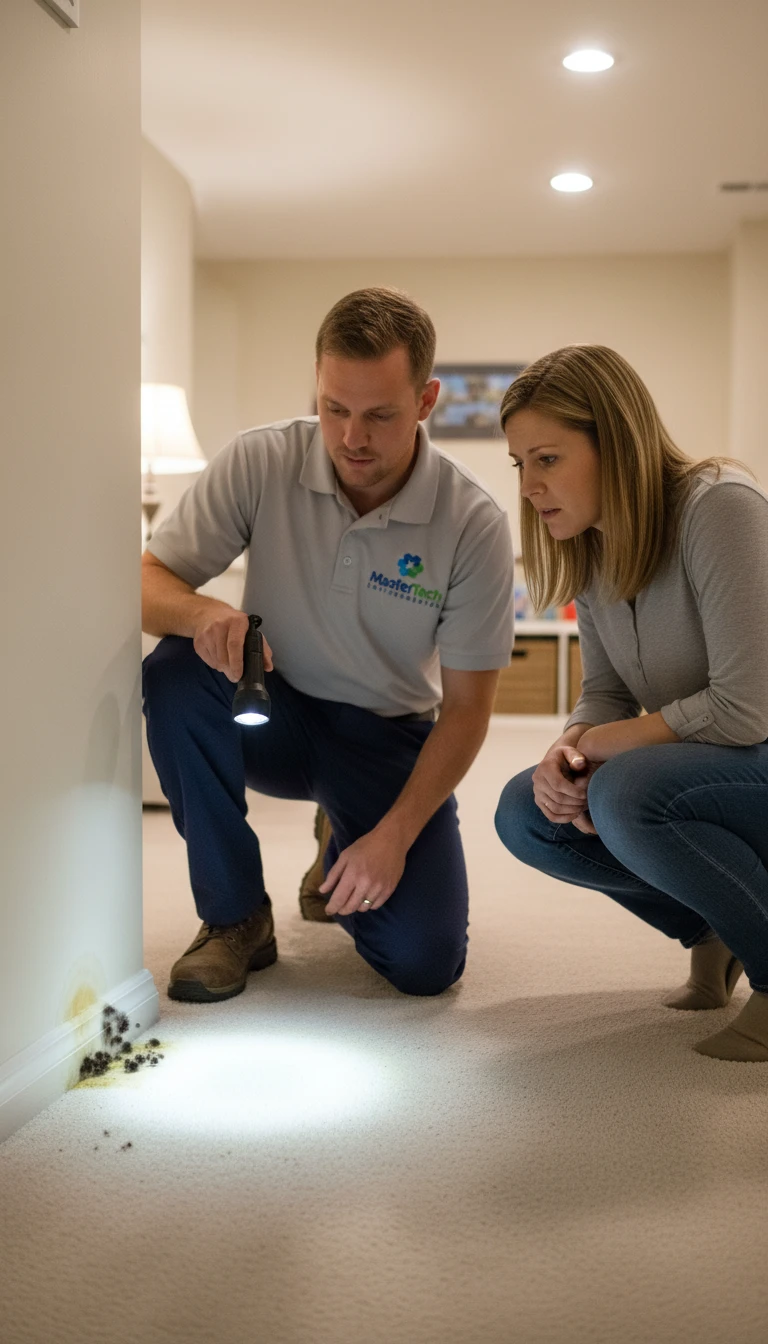
Their Immune Systems Are Still Learning
Kids under five are especially vulnerable because their immune systems haven't finished developing. Think of it like this – an adult's immune system is like a seasoned security guard who knows how to handle troublemakers. A child's immune system is more like a new hire still figuring out which threats are real and how to respond.
When mold spores enter a child's system, their developing immune response can go haywire. Instead of efficiently dealing with the threat, their bodies often overreact, causing more inflammation and stronger symptoms than what adults experience from the same exposure levels.
They Live Closer to the Ground
Ever watch a toddler explore? They're down on the floor, touching everything, sometimes eating things they find. Mold spores are heavier than air, so they settle on surfaces and accumulate at floor level – exactly where kids spend most of their time.
Understanding what happens when mold is found in your home becomes crucial when you realize how much more exposure children get just from their natural behavior patterns.
Smaller Bodies, Bigger Impact
Children have faster metabolisms and breathe more rapidly than adults. A 30-pound toddler breathing in the same amount of mold spores as a 150-pound adult is getting five times the dose per pound of body weight. It's basic math – smaller bodies mean concentrated exposure hits harder.
Their respiratory systems are also still developing. Those tiny airways can get irritated and inflamed much more easily than mature adult lungs that have had decades to build up tolerance to environmental irritants.
They're Professional Floor Sniffers
Dogs and cats spend their entire lives at ground level where mold spores collect. They're not just passing through like we do – they're living, sleeping, and playing in the exact zones where mold contamination is highest. Plus, they investigate everything with their noses, getting direct exposure to mold sources we might not even notice.

Grooming Turns Exposure Into Ingestion
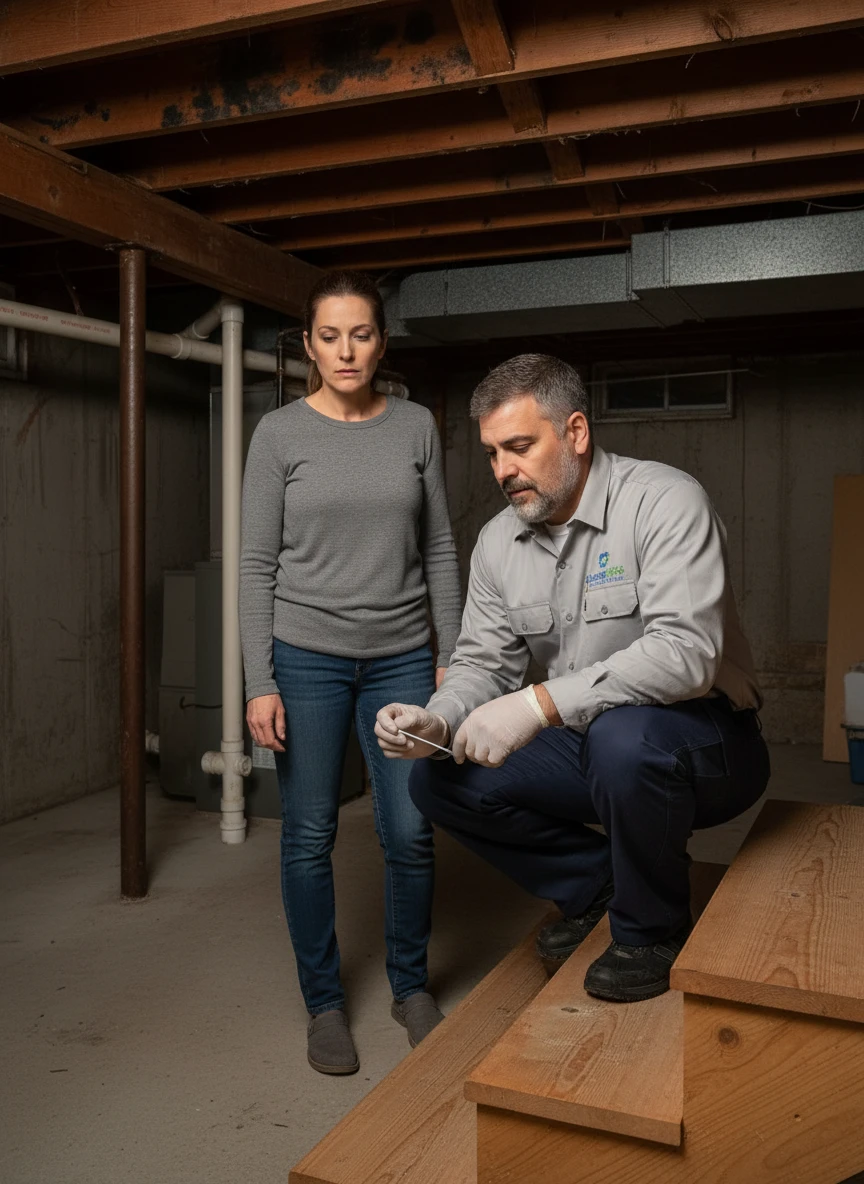
Here's something most people don't think about – when pets groom themselves, they're not just cleaning. They're ingesting whatever has settled on their fur, including mold spores. Dogs and cats can actually consume significant amounts of mold just through normal grooming behavior.
This creates a double whammy: they're breathing in mold spores AND eating them. While humans mainly deal with respiratory exposure, pets face both respiratory and digestive system impacts from the same mold problem.
Size Matters (In a Bad Way)
Just like with kids, pets' smaller body mass means higher concentrations of mold exposure per pound. A 15-pound cat breathing the same air as a human is getting a much more concentrated dose. Their symptoms show up faster and often more severely because their smaller systems get overwhelmed quicker.
They Can't Tell Us What's Wrong
This might be the most important factor. When your child feels bad, they can at least try to explain it. Pets can't say "I've had a headache for three days" or "I feel exhausted lately." Instead, they show behavioral changes – less energy, different eating patterns, or just seeming "off." By the time these changes are obvious enough for us to notice, they've probably been feeling crummy for a while.
In Children:
In Pets:
The tricky part is that these symptoms can look like lots of other things. A coughing kid might just have a stubborn cold. A lethargic dog could be having an off day. The key is pattern recognition – if symptoms persist or multiple family members (especially the smallest ones) are showing similar issues, mold exposure should definitely be on your radar.
When kids or pets start showing potential mold symptoms, it's not time to panic – it's time to investigate. Their early reactions are actually doing you a favor by flagging a problem before it affects everyone in the household.
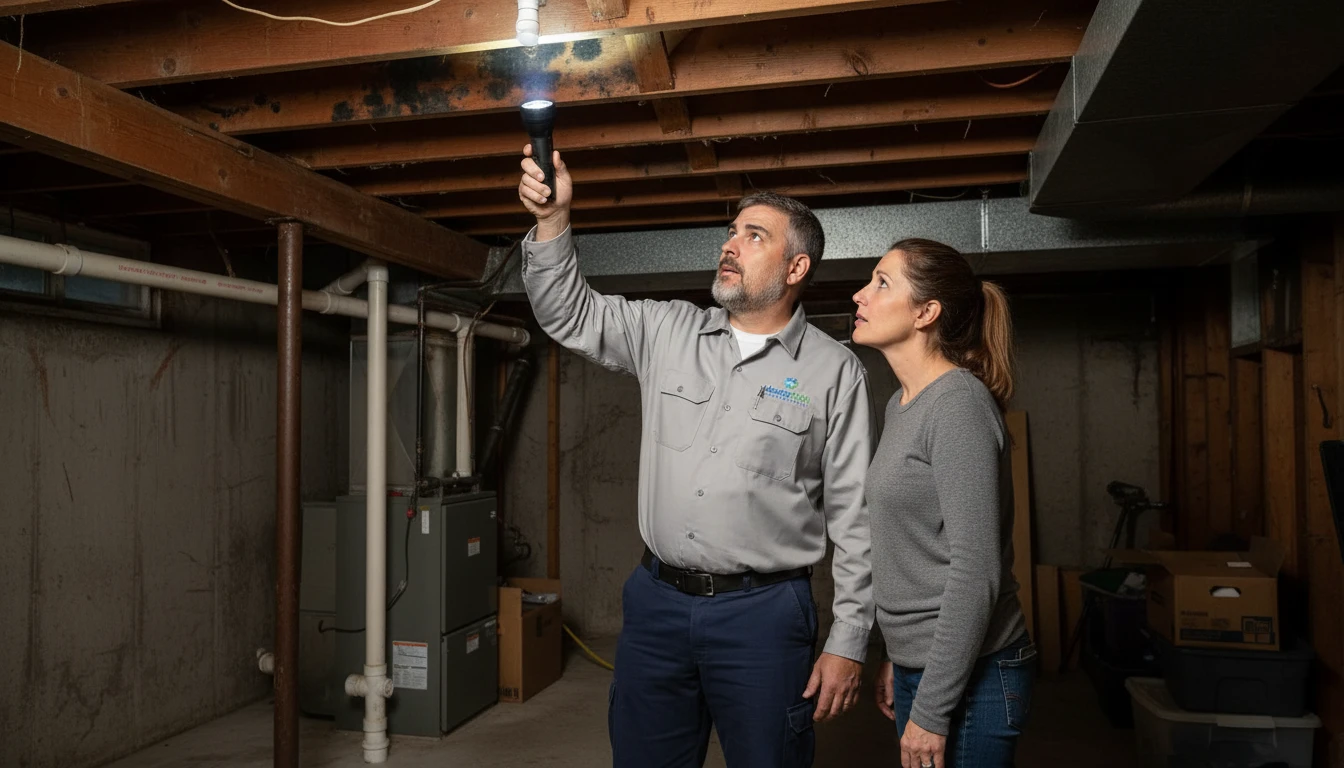
Professional mold inspections can identify issues that aren't obvious to homeowners. Sometimes the mold causing symptoms isn't visible – it could be growing inside walls, under flooring, or in HVAC systems where only trained inspectors know to look.
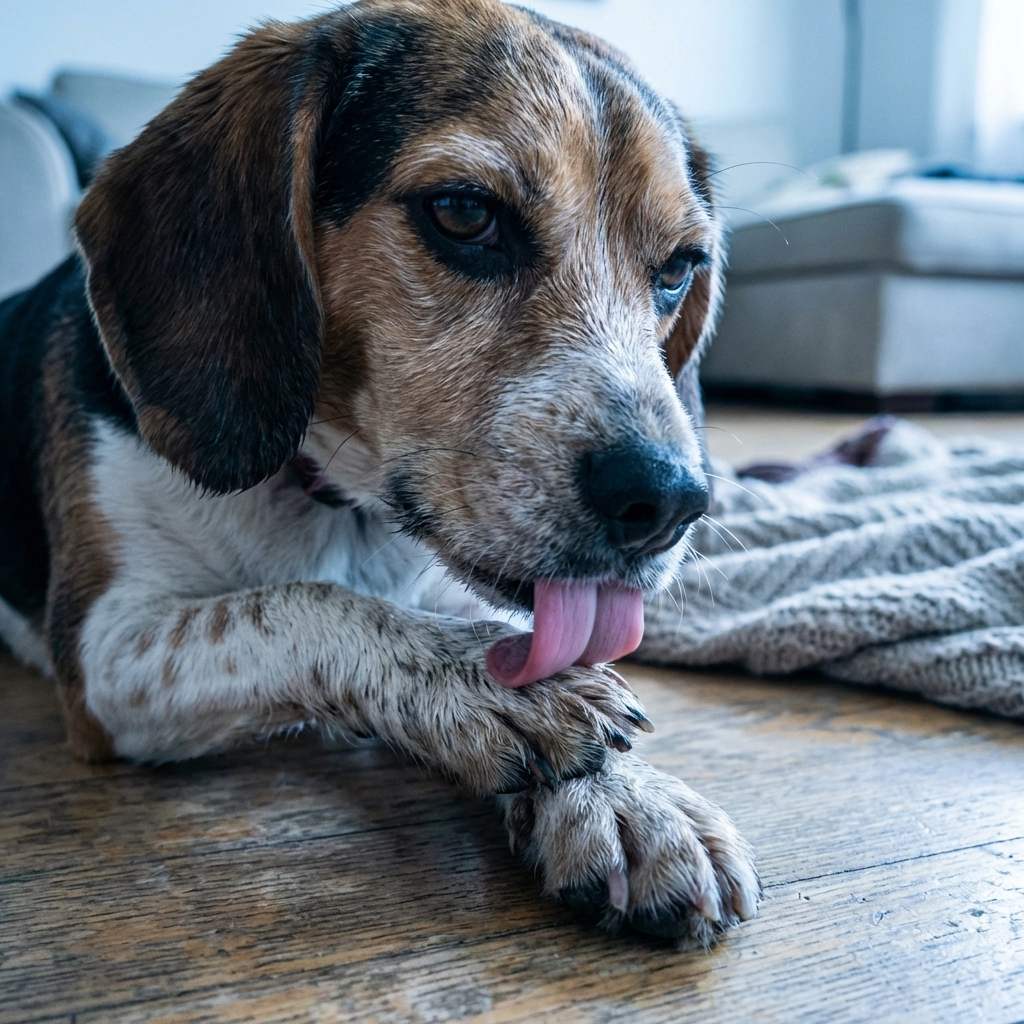
The mistake many families make is treating symptoms without addressing the cause. You can give your kid allergy medication and your dog antihistamines, but if there's an active mold problem in your home, you're just masking the issue. The real solution involves finding and fixing the source.
Based on years of mold testing experience, here are the areas where mold problems most commonly affect kids and pets first:
Basements and Crawl Spaces
These areas stay damp and have poor air circulation. Basement mold is incredibly common, and since many families use basements as play areas or pet hangouts, exposure can be significant without anyone realizing it.
Bathrooms
Bathroom mold thrives in humid conditions. Kids taking baths and pets drinking from toilet bowls get concentrated exposure to mold spores that grow around fixtures and in poorly ventilated spaces.
Under Kitchen Sinks
Pets love to explore cabinet spaces, and small leaks under sinks create perfect mold growing conditions. Kids playing "house" often crawl into these spaces too.
HVAC Systems
When mold grows in air ducts or on HVAC components, it gets distributed throughout your home every time the system runs. This creates whole-house exposure that affects the most sensitive family members first.

Knowing when mold testing makes sense can save you time, money, and worry. If your children or pets are showing persistent symptoms that could be mold-related, professional testing can provide definitive answers.
The benefit of professional testing goes beyond just confirming whether mold is present. Understanding mold test results helps you understand the specific types of mold in your home and their potential health impacts. Some molds are more problematic for children and pets than others.
Air quality testing can also reveal elevated mold spore levels even when no visible growth is apparent. This is especially important when symptoms suggest mold exposure but you can't find an obvious source.
Once you understand why kids and pets show mold symptoms first, prevention becomes much more targeted. Focus your efforts on the areas where your most vulnerable family members spend time:
What a mold inspection includes gives you a roadmap for the thorough evaluation your home needs if symptoms persist.
The fact that children and pets show mold symptoms first isn't just interesting trivia – it's actionable information that can protect your family's health. Their sensitivity to mold exposure serves as an early detection system that can prevent more serious problems down the road.
When you notice persistent symptoms in your kids or pets that could be mold-related, don't dismiss them as "just allergies" or "getting older." Take advantage of their natural sensitivity to identify and address mold problems before they affect everyone in your household.
Remember, post-remediation testing is crucial if you've had mold problems addressed. Kids and pets will often continue showing symptoms if remediation wasn't complete, making them excellent indicators of whether the problem has been truly resolved.
The goal isn't to live in fear of mold – it's everywhere in our environment and most of the time it's not a problem. The goal is to recognize when mold levels in your home have reached the point where they're affecting your most vulnerable family members, and to take appropriate action when that happens.
If you're seeing potential mold symptoms in your children or pets and you're located in York County, Pennsylvania, don't wait to get answers. Professional mold testing and inspection can provide the peace of mind you need and the information necessary to protect your family's health effectively.

Mastertech Environmental of York, PA. I'm your local expert in professional mold testing and inspection. With 17+ years of experience and trusted by thousands of homeowners, I can help you protect what matters most — your health and your home.