
So you've been dealing with some health issues that just won't quit. Maybe it's constant congestion, headaches that come and go, or fatigue that doesn't make sense given how much sleep you're getting. You've tried the usual stuff: allergy meds, more rest, cutting back on screen time. Nothing's really working.
Then someone mentions mold. Maybe it's your neighbor, your spouse, or even your doctor during a routine visit. And suddenly, you're wondering if your house might actually be making you sick.
Here's the thing: when mold exposure enters the conversation, doctors tend to approach it differently than a typical cold or seasonal allergies. They start asking specific questions, ordering particular tests, and: this is the part that surprises a lot of people: they often want documentation about your home environment.
Let's break down what doctors typically look for when mold is suspected, what tests they might order, and how you can actually get the answers you need.
Most people don't go to the doctor specifically for mold exposure. They go because they feel lousy and can't figure out why. The mold conversation usually comes up after other explanations have been ruled out or when symptoms follow a particular pattern.
Doctors start paying attention to mold when symptoms seem tied to location. If you feel better when you're away from home for a few days and worse when you return, that's a red flag. We've actually written about why mold symptoms often improve when people leave the house: it's more common than you'd think.
The other thing that gets doctors thinking about mold is when multiple family members show similar symptoms. When everyone in the house is dealing with respiratory issues, sinus problems, or unexplained fatigue, environmental factors become a lot more plausible than individual health problems.

Before we get into the testing side of things, let's talk about what actually brings people to the doctor's office in the first place. Mold-related symptoms can look a lot like other conditions, which is part of what makes this tricky.
Respiratory symptoms are probably the most common. We're talking chronic coughing, wheezing, shortness of breath, and that feeling like you can never quite take a full breath. For people with asthma, mold exposure can make existing symptoms significantly worse.
Sinus issues are another big one. Persistent congestion, sinus pressure, post-nasal drip, and recurring sinus infections can all be connected to mold exposure. The difference from regular allergies is often the persistence: these symptoms don't follow seasonal patterns and don't respond well to typical allergy treatments.
Neurological symptoms surprise a lot of people. Brain fog, difficulty concentrating, memory issues, and persistent headaches and fatigue can all be associated with mold exposure. These symptoms are often what finally push people to dig deeper when other explanations come up empty.
Skin reactions like rashes, itching, and irritation can also occur, especially in people who are more sensitive to environmental triggers.
It's worth noting that some people react to mold more than others. Kids, elderly family members, and anyone with compromised immune systems tend to be more vulnerable. In fact, kids and pets often show mold symptoms first because of their smaller bodies and different breathing patterns.
When mold enters the diagnostic conversation, doctors shift into investigation mode. They're trying to connect the dots between your symptoms and your environment, and that requires asking some pretty specific questions.
Exposure history is usually the first topic. Where do you live? What's the condition of your home? Have you had any water damage, flooding, or leaks? Do you notice musty odors anywhere? Is there visible mold growth? Have you done any recent renovations that might have disturbed hidden moisture issues?
Symptom patterns matter a lot. When did symptoms start? Do they get better or worse in certain locations? Are they worse at certain times of day or year? Do other household members have similar issues?
Medical history comes into play too. Do you have a history of allergies or asthma? Any previous mold exposure? Immune system conditions? Respiratory illnesses?
These questions help doctors determine whether mold testing is warranted and what kind of approach makes the most sense.

If your doctor suspects mold exposure is contributing to your symptoms, there are several tests they might consider. No single test tells the whole story, so doctors typically use a combination to get a clearer picture.
IgE antibody testing is one of the most common starting points. This measures immunoglobulin E antibodies, which your body produces in response to allergens including mold. Elevated levels suggest your immune system is reacting to something in your environment.
Mycotoxin testing looks for harmful metabolites produced by certain mold species. These tests can indicate whether you've been exposed to toxic mold varieties and whether those toxins are still circulating in your system.
Inflammatory markers like C4a, TGF-β1, and MMP-9 help assess ongoing inflammation in your body. Chronic mold exposure often triggers persistent inflammatory responses that these markers can detect.
Skin prick tests (also called scratch tests) are used to identify allergic reactions to specific mold types. A small amount of mold extract is introduced to the skin's surface, and the reaction is observed. This can help pinpoint which mold species you're most sensitive to.
HLA-DR genetic testing examines genetic variations that affect your body's ability to detoxify mold toxins. Some people are genetically predisposed to have more difficulty clearing these substances from their systems, which explains why the same exposure level affects people differently.
MARCoNS testing involves a nasal swab to detect antibiotic-resistant bacteria that sometimes develop in people with chronic mold exposure. This is particularly relevant for patients with persistent sinus issues that don't respond to standard treatments.
Understanding the difference between mold exposure and allergies is important here: they're related but not the same thing, and the testing approach can differ.
Here's where things get interesting. Many doctors, especially those experienced with environmental illness, will ask for documentation about your home environment. They want to know what's actually happening where you live, not just what's happening in your body.
This is where professional mold testing and inspection comes into the picture. Doctors may specifically request:
Air quality test results showing spore counts and mold species identification. Air samples versus surface samples serve different purposes, and understanding what your results mean matters for both medical treatment and remediation decisions.
Professional inspection reports documenting any visible mold, moisture issues, or conditions conducive to mold growth. A thorough mold inspection report provides objective documentation that helps doctors correlate your symptoms with your environment.
EMMA testing results (Environmental Mold and Mycotoxin Assessment) analyze dust samples from your home to identify current mold and mycotoxin exposure. This gives doctors concrete data about what you're being exposed to on a daily basis.
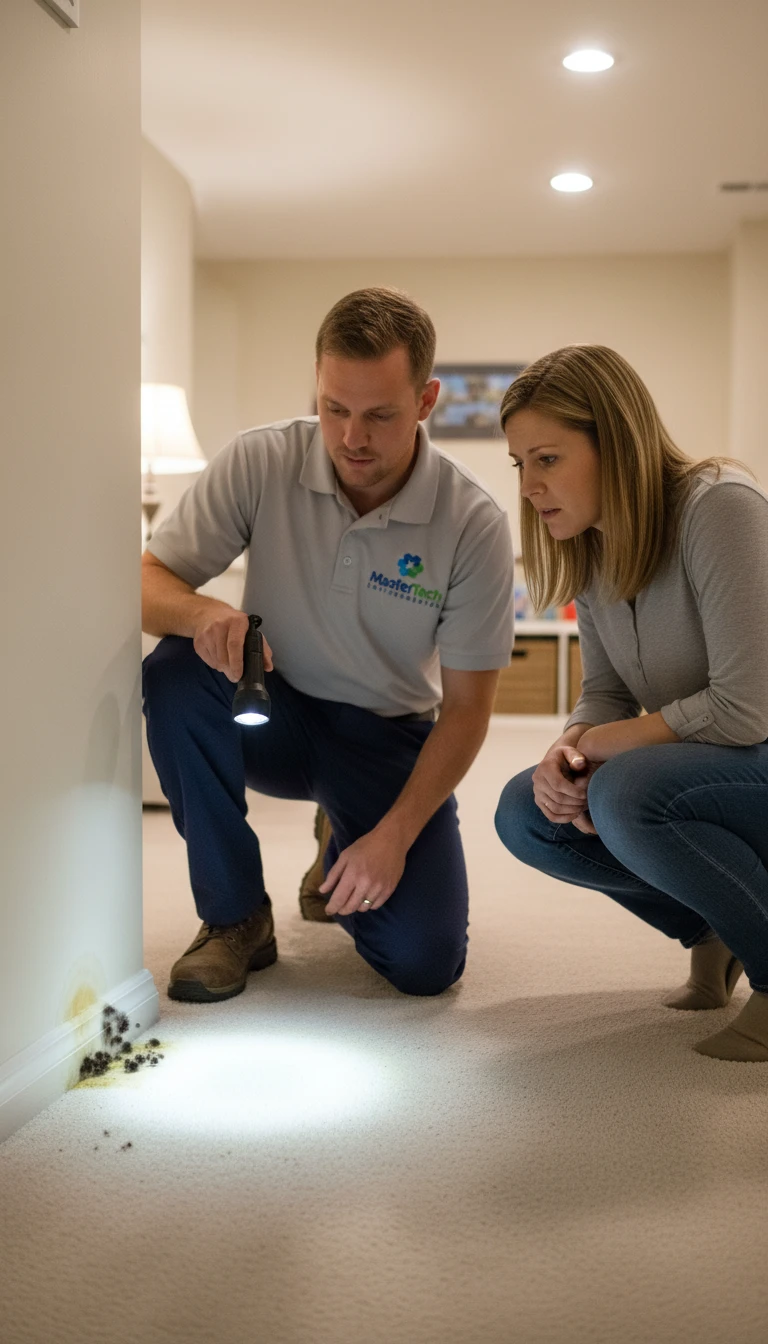
When you schedule a professional mold inspection, the inspector is essentially gathering the information your doctor needs to complete the picture. Here's what a thorough inspection involves:
Visual assessment covers the entire property, including areas you might not think to check: crawl spaces, attics, behind appliances, under sinks, around HVAC systems, and any areas with past water damage.
Moisture detection uses specialized equipment to identify hidden moisture problems that might not be visible to the naked eye. Moisture is the prerequisite for mold growth, so finding it early is key.
Air sampling captures airborne spores and sends them to a laboratory for identification and quantification. This tells you what's floating around in your indoor air.
Surface sampling collects visible material for laboratory analysis, confirming the presence of mold and identifying the specific species involved.
Documentation pulls everything together into a report that you can share with your healthcare provider. Understanding what mold testing results actually mean helps you have productive conversations with your doctor about next steps.
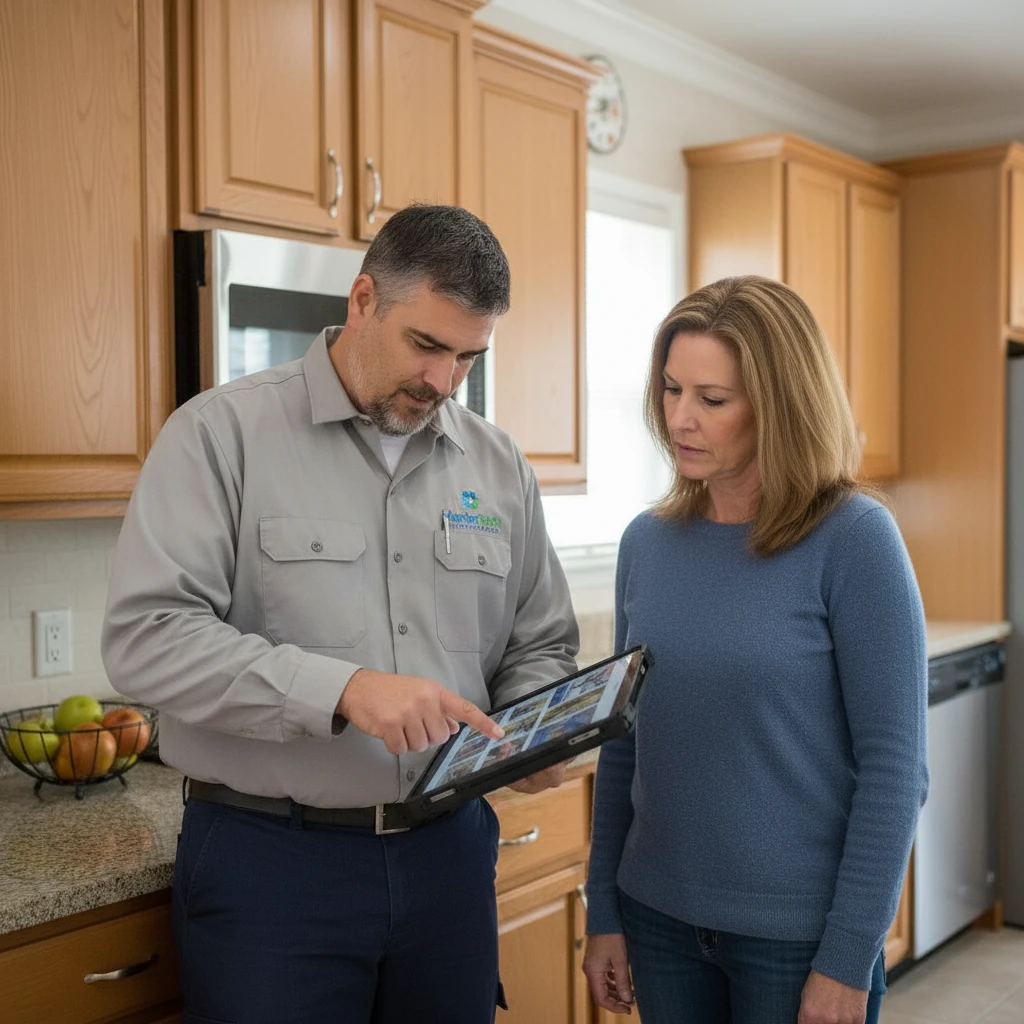
If you're dealing with symptoms that might be mold-related, here's a practical approach:
Start with your doctor. Describe your symptoms, their patterns, and any observations about how location affects how you feel. Be honest about your living conditions and any water damage or moisture issues you're aware of.
Get your home tested. Professional mold testing provides the objective data your doctor needs to make informed recommendations. Don't skip this step: guessing about mold exposure isn't helpful for anyone.
Share your results. Bring your inspection report and test results to your next medical appointment. This documentation helps your doctor connect environmental factors to your symptoms and develop an appropriate treatment plan.

Address the source. Medical treatment alone won't solve the problem if you're returning to a moldy environment every day. Your health improvement depends on dealing with the underlying environmental issue.
If you've been wondering whether your home might be making you sick, trust your instincts. The symptoms are real, and getting proper testing: both medical and environmental: is the path to answers.
For homeowners in York, PA and York County dealing with unexplained health symptoms, professional mold testing can provide the documentation your healthcare provider needs. At Mastertech Environmental of York, PA, we provide thorough mold inspections and testing with detailed reports suitable for medical consultation. If you're ready to get answers about your indoor environment, contact us to schedule an inspection. Your health deserves real answers, not guesswork.

Mastertech Environmental of York, PA. I'm your local expert in professional mold testing and inspection. With 17+ years of experience and trusted by thousands of homeowners, I can help you protect what matters most — your health and your home.