

If you're dealing with an autoimmune condition, you already know your immune system doesn't play by the normal rules. It's constantly on high alert, sometimes attacking your own body instead of just fighting off actual threats. What a lot of people don't realize is that mold exposure can make this situation significantly worse.
I've been doing mold testing for years, and I've seen plenty of people with conditions like Lupus, MS, Hashimoto's, or rheumatoid arthritis deal with symptoms that get worse at home. The connection isn’t always obvious, but once you see how mold can mess with an already touchy immune system, it starts to add up.
Before we get into mold, let's talk about what autoimmune issues actually are. In simple terms, your immune system is supposed to recognize the difference between "you" and "invader." It should attack bacteria, viruses, and other foreign threats while leaving your own cells alone.
With autoimmune disorders, that recognition system gets confused. Your immune system starts producing antibodies that attack your own tissues. In rheumatoid arthritis, it attacks your joints. In Hashimoto's, it goes after your thyroid. In multiple sclerosis, it damages the protective coating around your nerves.
The problem is that once your immune system is in this hyperactive, confused state, it's a lot more reactive to everything around you: including mold.
Mold doesn't just sit there looking ugly on your bathroom wall. Certain types of mold produce mycotoxins: chemical compounds that can cause real health problems. For someone with a healthy, normally functioning immune system, low levels of these toxins might not cause noticeable issues. But if your immune system is already dysfunctional, it's a different story.
Mycotoxins can trigger your immune system to kick into even higher gear. They activate immune cells that are already working overtime, creating more inflammation throughout your body. This isn't just uncomfortable: it can actually damage healthy tissues.

Here's what happens: those already-confused immune cells respond to mold toxins by ramping up their attack mode. But since they're already targeting your own body, this increased activity makes your autoimmune symptoms worse. The fatigue gets more intense. Joint pain increases. Brain fog becomes impossible to ignore.
One study found that 36.6% of teachers working in moisture-damaged buildings developed autoimmune conditions, compared to just 5-8% in the general population. That's a massive difference.
You might have heard the term CIRS: Chronic Inflammatory Response Syndrome. This is what happens when certain people can't properly clear biotoxins (like mycotoxins) from their bodies. Their immune systems just keep reacting, over and over, creating chronic inflammation that doesn't stop.
If you already have an autoimmune disorder, you're more vulnerable to developing CIRS. Your immune system is already stuck in inflammatory overdrive, and mold exposure can push it even further in that direction.
CIRS symptoms overlap heavily with autoimmune disorder symptoms: crushing fatigue, joint pain, cognitive problems, headaches, respiratory issues. This overlap makes it hard to figure out what's causing what. Are you feeling worse because your Lupus is flaring, or because there's mold growing behind your shower wall? Sometimes it's both.
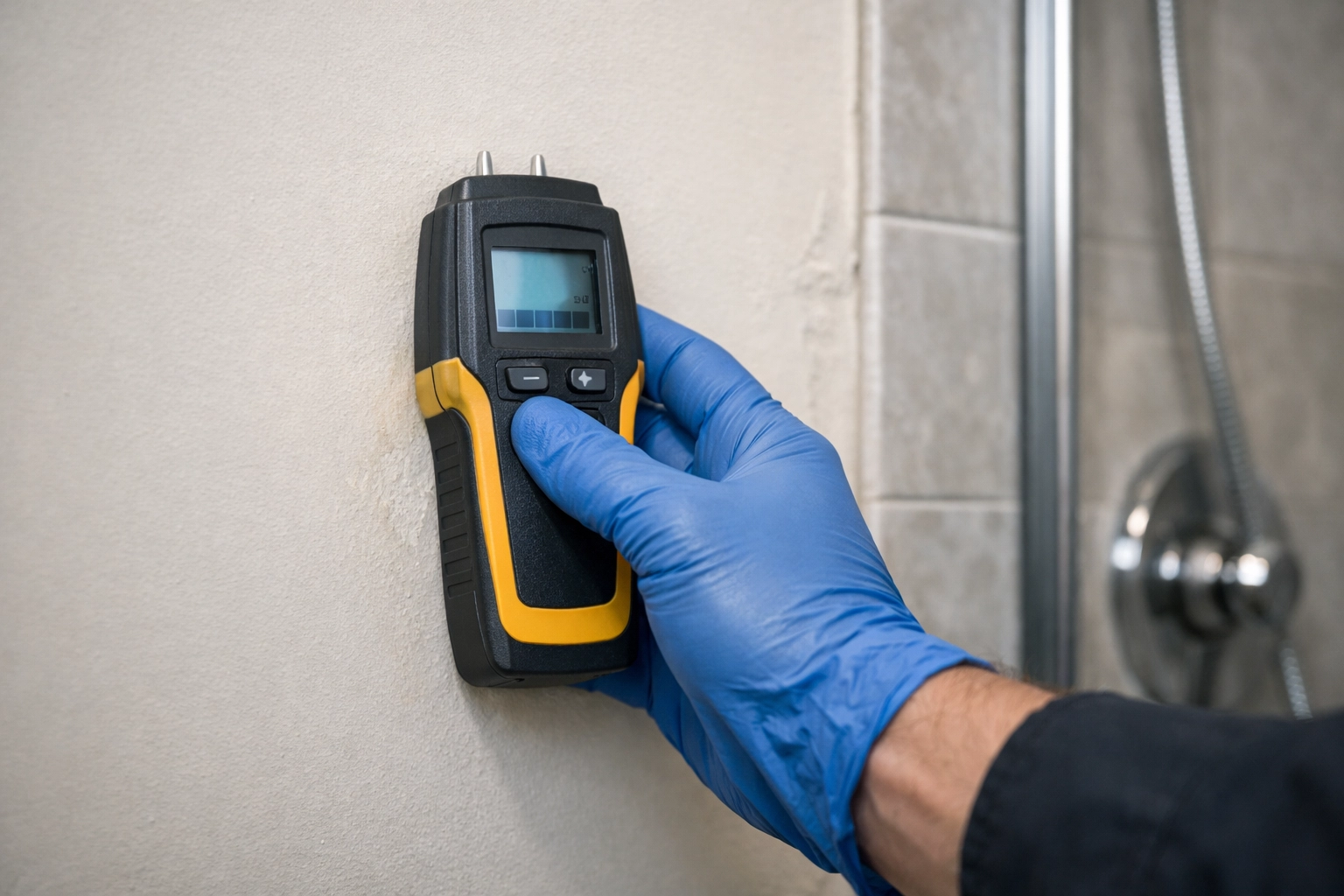
The tricky part is that standard professional mold inspections can find visible mold growth, but the mycotoxins themselves are invisible. You can have dangerous levels of toxins in your air even when you don't see any mold at all.
Here's where it gets really interesting: and frustrating. Some mold proteins look similar to proteins in your own body. This is called molecular mimicry.
Your already-confused immune system sees these mold proteins and creates antibodies to fight them. But because those proteins look so similar to your own tissue proteins, those antibodies can start attacking your own cells too.
Think of it like this: your immune system is trying to identify the bad guy, but the bad guy is wearing a disguise that makes him look like your own cells. So your immune system ends up shooting at both the invader and innocent bystanders.
This can trigger new autoimmune reactions or make existing ones worse. Someone with Hashimoto's might find their thyroid antibodies increasing. A person with MS might experience more frequent flares. Those with rheumatoid arthritis might see inflammation spreading to new joints.
The research on this is still developing, but the pattern is clear enough: mold exposure and autoimmune exacerbation go hand in hand for a lot of people.
This is something that frustrates a lot of my clients. They'll get mold testing results back that show mold levels within "normal" ranges, but they still feel terrible in their home.
Here's the thing: those normal ranges are based on how mold affects people with healthy immune systems. If you have Lupus, MS, Hashimoto's, or rheumatoid arthritis, you're not in that category.
What's tolerable for your neighbor with a functioning immune system might be making you sick. Your immune system doesn't have the luxury of ignoring low-level exposures. It's already on high alert, already attacking things it shouldn't, already creating inflammation where none is needed.
I've done inspections where mold levels were technically "acceptable," but the person living there—someone with an autoimmune condition—was dealing with severe joint pain and fatigue that improved a lot once the mold was addressed. The standard guidelines just don’t account for immune system dysfunction.
Here's what makes mold particularly dangerous for people with autoimmune issues: the most harmful part is completely invisible. Mycotoxins are microscopic. You can have significant contamination without seeing a single spot of mold.
Mold can be growing inside your walls, under your floors, or in your HVAC system. The spores and toxins circulate through your air constantly, but you'd never know it just by looking around your house.
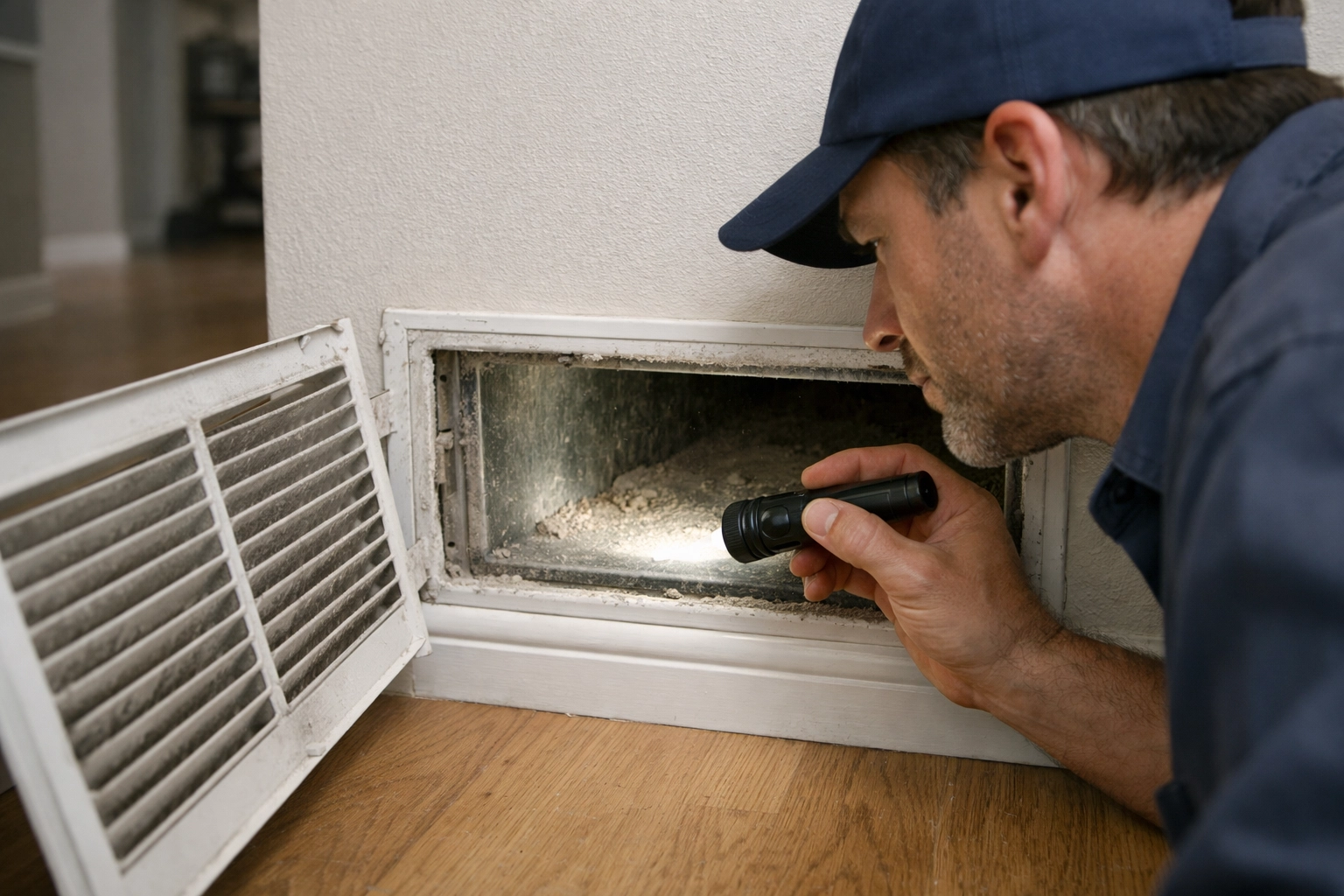
This is why I always recommend testing if you have an autoimmune condition and you’re having symptom flares that don’t have another obvious explanation. Especially if you’ve had any water damage, flooding, or ongoing moisture issues. Basement mold is incredibly common and can go unnoticed for months or years.
The connection between mold and health problems isn't always obvious. A lot of people spend months or years trying different treatments for their autoimmune symptoms without realizing their home environment is working against them the whole time.
If you've been exposed to mold before and then get exposed again, your immune system can react much faster the second time. It's like your body remembers the threat and goes straight into defense mode.
For someone with an autoimmune disorder, this can mean rapid symptom onset and potentially worse reactions than the first exposure. Some people report that previously unaffected organs or systems become involved during re-exposure.
This is one reason why it's so important to address mold problems completely, not just superficially. Cleaning visible mold with bleach doesn't remove the mycotoxins already present or address the moisture problem that caused the mold in the first place.
If you have an autoimmune condition, mold in your home is a serious concern: more serious than it would be for someone with a normal immune system. The inflammation it triggers, the immune hyperactivity it causes, and the potential for molecular mimicry all add up to make mold exposure particularly dangerous for you.
Pay attention to patterns. Do your symptoms get worse when you're at home? Do you feel better when you're away for a few days? Do certain rooms make you feel worse than others? These patterns can be clues that mold might be part of your problem.
If you're buying a home and you have an autoimmune disorder, testing before you move in is worth it. Finding out about mold problems before you commit to a property can save you from months (or years) of feeling run down and not knowing why.
The same goes if you're already in a home and experiencing unexplained symptom flares. Testing can give you answers and, more importantly, a path forward to improve your health.
If you’re dealing with autoimmune issues and you suspect mold might be making things worse, I can help you sort out what’s actually going on in your home. I provide testing and inspection services throughout York, PA and the surrounding areas including Dover, Red Lion, Hanover, Hallam, Wrightsville, and all of York County.
The testing process is straightforward, and the results will tell you whether mold is contributing to your health problems. From there, you can make informed decisions about what to do next and get back to focusing on managing your autoimmune condition without your house working against you.
If you think mold might be part of your health puzzle, reach out to me. We’ll get you tested and give you clear information about what’s in your air and what needs to be done about it.

Mastertech Environmental of York, PA. I'm your local expert in professional mold testing and inspection. With 17+ years of experience and trusted by thousands of homeowners, I can help you protect what matters most — your health and your home.