
You've been dealing with headaches for weeks. Maybe it's the sinus congestion that won't quit, or the brain fog that makes you feel like you're walking through molasses. You've tried allergy meds, changed your diet, even swapped out your pillow. Nothing's working.
Then one day, you're scrolling through the internet and something clicks: could it be mold?
It's a fair question. And honestly, it's a question I hear all the time. People start connecting the dots between their symptoms and their home environment, and suddenly mold becomes the prime suspect. Here's the thing though: mold isn't always the culprit. But that doesn't mean you should ignore the possibility.
Let me explain why ruling out mold matters, even when it might not be the cause of what you're experiencing.
The tricky part about mold-related symptoms is that they're not unique to mold exposure. The human body doesn't come with a dashboard that lights up and says "MOLD DETECTED." Instead, you get vague, overlapping symptoms that could point to a dozen different things.
Common symptoms that make people suspect mold include:
Sound familiar? These symptoms also show up with seasonal allergies, dust mite sensitivity, poor indoor air quality from other sources, viral infections, autoimmune conditions, and chronic stress. The overlap is massive.

This is exactly why mold exposure gets confused with allergies so often. The symptoms present similarly, and without proper investigation, you're left guessing.
I'm going to be straight with you: not every health issue is caused by mold. I know that might sound strange coming from someone who does mold testing and inspections for a living, but it's the truth.
Here's what else could be going on:
Your home's air quality depends on way more than just mold. Volatile organic compounds (VOCs) from cleaning products, furniture off-gassing, poor ventilation, high dust levels, and even your HVAC system can all contribute to symptoms. Sometimes the fix is as simple as improving airflow or switching cleaning products.
Pollen, pet dander, dust mites: these are everywhere, and they're incredibly good at making people miserable. If your symptoms spike during certain seasons or after spending time outdoors, traditional allergies might be the real issue.
Conditions like chronic fatigue syndrome, fibromyalgia, autoimmune disorders, and thyroid problems all share symptoms with mold exposure. Research shows that mold illness is frequently misdiagnosed as these conditions: and vice versa. The average person dealing with mold-related illness goes through a seven-year diagnostic journey before getting the right answer.
Never underestimate what chronic stress and poor sleep can do to your body. Brain fog, fatigue, headaches, even joint pain can all stem from being run down. It's not glamorous, but it's real.
Here's where things get important. Even though mold might not be causing your symptoms, you still need to cross it off the list. Here's why.
If mold IS present in your home, it's not going away on its own. It's going to keep growing, keep releasing spores, and keep potentially affecting your health. The longer it goes unaddressed, the worse it gets: and the more expensive it becomes to deal with.

This is something that catches a lot of families off guard. One person in the house is constantly sick, while everyone else feels fine. Does that mean there's no mold problem? Not necessarily.
Some people are genetically more sensitive to mold than others. Their immune systems respond differently to mycotoxins and mold spores. So while your spouse might feel perfectly fine, you could be dealing with real symptoms from the same exposure.
Here's something doctors understand: if mold is contributing to your symptoms and you don't address the environmental exposure, medical treatment alone isn't going to get you better. You'll keep treating symptoms while the underlying cause continues. Ruling out mold helps your healthcare provider make better decisions about your care.
Let's say you get your home tested and there's no significant mold problem. That's not a waste: that's valuable information. You can stop wondering if your house is making you sick and focus your energy on other potential causes. There's genuine relief in knowing.
So how do you actually determine whether mold is contributing to your symptoms? It's not as simple as looking around for visible growth, although that's certainly part of it.
A thorough mold inspection involves way more than a quick walkthrough. It means checking moisture levels in walls, examining areas prone to water intrusion, looking at HVAC systems, inspecting basements and crawl spaces, and identifying any conditions that promote mold growth.
Many mold problems hide in places you'd never think to look: behind walls, under flooring, inside ductwork. A trained eye knows where to check and what to look for.
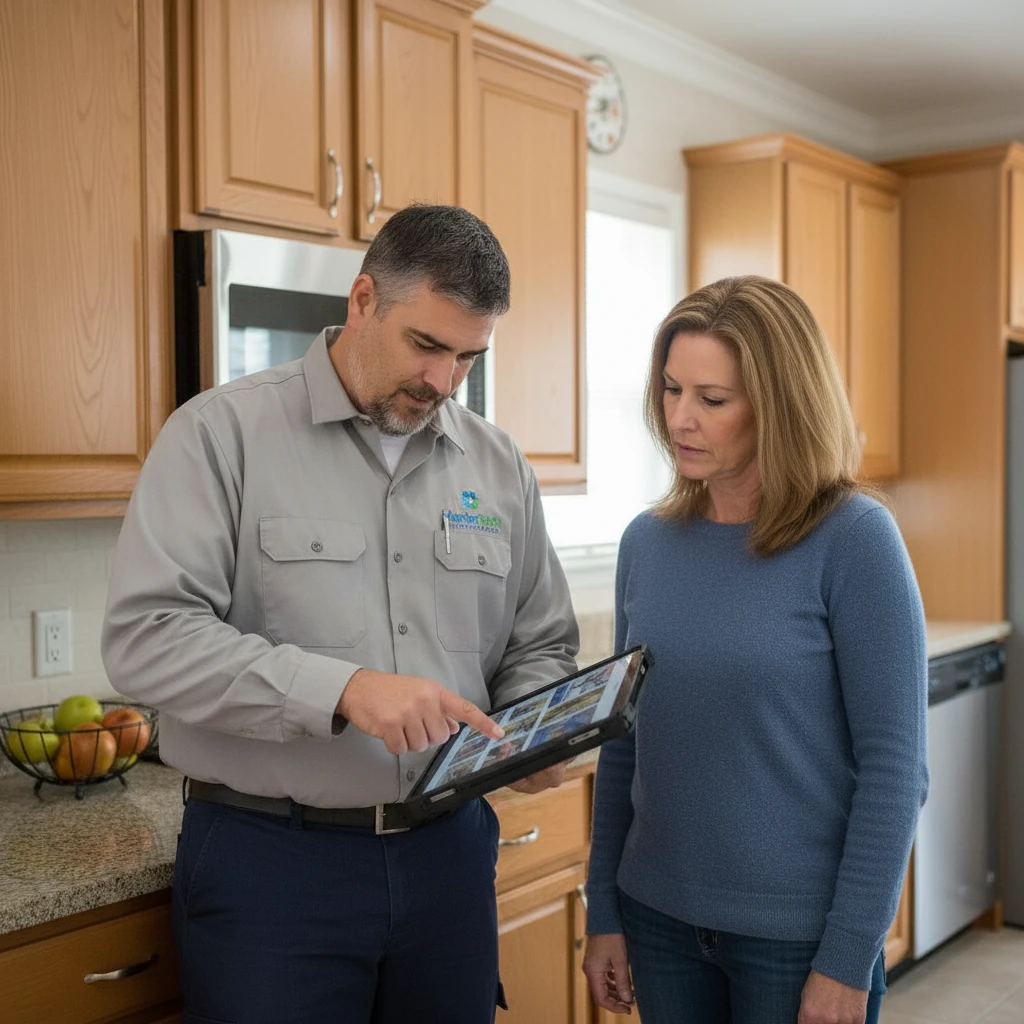
Testing takes the guesswork out of the equation. Air samples and surface samples each tell you different things about what's happening in your home.
Air sampling captures what you're actually breathing. It measures spore counts in your indoor air compared to outdoor levels, giving you a baseline for understanding whether elevated mold activity exists.
Surface sampling identifies specific mold types growing on materials. This matters because some molds are more problematic than others, and knowing what you're dealing with guides next steps.
Getting test results is one thing. Understanding what they actually mean is another. Numbers without context don't help anyone. A good inspector explains the findings, puts them in perspective, and helps you understand whether action is needed.
One thing that often gets overlooked is the location factor. Do your symptoms improve when you leave your house? Do they get worse in certain rooms? This pattern tells you something important.
If you feel better when you're away from home and worse when you return, that's a strong indicator that something in your indoor environment is triggering your symptoms. It might be mold. It might be something else. But it's worth investigating.

Similarly, respiratory and sinus issues that seem tied to specific areas of your home: like a basement or bathroom: warrant a closer look. Your body is often smarter than you realize about detecting environmental problems.
Let's talk about outcomes. There are really three scenarios after mold testing:
Scenario 1: Elevated mold levels are found. Now you have answers. You know there's a problem, you know where it is, and you can take steps to address it. Many people find their symptoms improve significantly after remediation and addressing the moisture source.
Scenario 2: No significant mold issue is detected. This is still a win. You've eliminated one possibility and can focus elsewhere. Maybe it's time to look at other indoor air quality factors, consult with an allergist, or explore other medical possibilities.
Scenario 3: Borderline results or localized issues. Sometimes the situation isn't black and white. Minor mold growth might be present but not necessarily at levels causing major problems. A good inspector helps you understand what makes sense for your specific situation.
Look, I get it. When you're not feeling well and traditional approaches aren't helping, you start looking for answers. Mold becomes a suspect because it makes sense: you spend most of your time in your home, and if something there is making you sick, you want to know.
But here's the honest truth: mold is just one piece of a larger puzzle. It might be the answer. It might not be. The only way to know for sure is to actually test and find out.
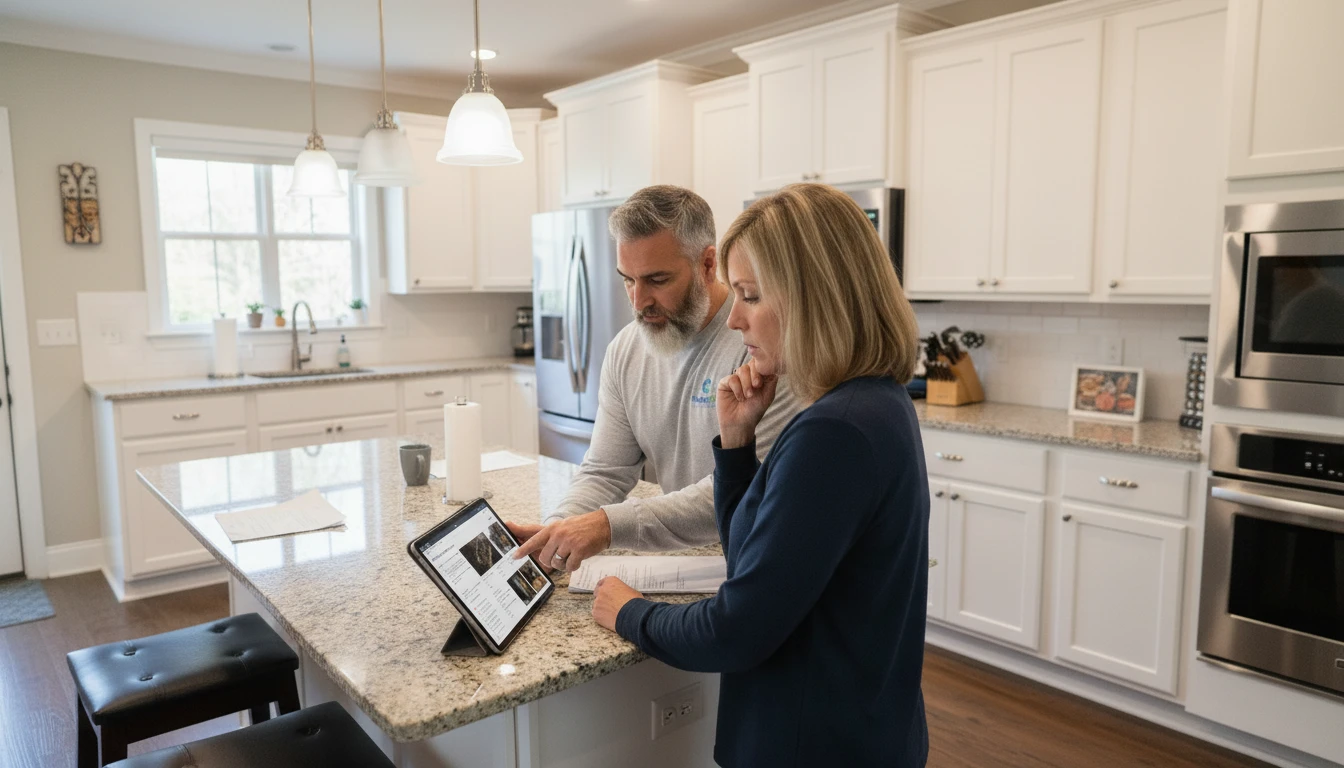
What I can tell you is that uncertainty doesn't help anyone. If you're dealing with persistent symptoms and wondering whether your home could be part of the problem, getting answers is worth it. Even if those answers confirm that mold isn't your issue, you've gained valuable information and eliminated one variable from the equation.
If you're in the York, PA area and dealing with unexplained symptoms, I'm happy to help you figure out whether mold should stay on your radar or get crossed off the list. At Mastertech Environmental of York, I handle mold testing and mold inspections throughout York County. No pressure, no scare tactics: just honest assessment and clear information so you can make informed decisions about your home and your health.
Want to learn more? Check out the blog for additional resources, read what other homeowners have experienced through our testimonials, or reach out directly to schedule a consultation. Sometimes the best thing you can do for your health is simply get answers.

Mastertech Environmental of York, PA. I'm your local expert in professional mold testing and inspection. With 17+ years of experience and trusted by thousands of homeowners, I can help you protect what matters most — your health and your home.