
Nobody wants mold in their home. It's gross, it smells bad, and dealing with it is never fun. But here's the thing most people don't realize: while mold is an annoyance for the average healthy adult, it can be a genuine health concern for the youngest and oldest members of your household.
I'm talking about babies, toddlers, and the seniors in your life. Grandma. Grandpa. That little one who just started crawling around the house exploring everything.
For these two groups, mold isn't just about a funky smell in the basement. It can trigger real symptoms that often get mistaken for seasonal allergies or a cold that just won't quit. And the tricky part? You might not even know mold is the culprit.
So let's break down why mold hits these vulnerable groups harder, what you should be watching for, and what you can actually do about it.
If you've got a baby or toddler in the house, you already know they're basically little explorers. Crawling on carpets, sitting on floors, sticking their faces into every corner and crevice they can find. And that's exactly where mold spores tend to settle, close to the ground.

Here's the deal with kids and mold exposure:
A baby's respiratory system isn't fully formed yet. It's still growing and building up defenses. When tiny mold spores get inhaled, those developing lungs don't have the same ability to filter them out or bounce back like an adult's would. This means even small amounts of mold exposure can have a bigger impact on a child than it would on you or me.
Sounds simple, but it matters. Babies and young children take more breaths per minute than adults. More breaths means more opportunities to inhale airborne spores floating around your home. If there's mold in the air, even at levels that might not bother you, a child is getting a higher dose relative to their body size.
Mold spores are heavier than air, so they tend to settle on surfaces and near the floor. Guess where your toddler spends most of their time? Exactly. Crawling on the carpet, playing on the floor, rolling around near baseboards, all the places where spore concentrations are highest.
Common symptoms in kids exposed to mold include persistent coughing, wheezing, skin rashes, runny noses, and watery eyes. Some parents report their children seem more irritable or have trouble sleeping. In cases of prolonged exposure, there's even research suggesting it can affect concentration and focus as they get older.
If your child has symptoms that seem like allergies but don't respond to typical treatments, it might be worth looking into your indoor air quality.
Now let's talk about the other end of the spectrum: our parents, grandparents, and elderly neighbors. Mold exposure can be particularly rough on seniors, and it often goes unnoticed because the symptoms get chalked up to "just getting older."

Here's a fact of life: as we age, our immune systems slow down. They're not as quick to respond to threats, and they don't fight off invaders as effectively. This means when an older person breathes in mold spores, their body has a harder time dealing with them. What might cause a minor reaction in a younger person can turn into a chronic issue for someone in their 70s or 80s.
Many seniors are already managing conditions like COPD, asthma, heart disease, or diabetes. Mold exposure doesn't exist in a vacuum: it compounds these existing issues. Someone with COPD who's also breathing in mold spores regularly is going to have a much harder time than someone with healthy lungs.
Respiratory symptoms can worsen. Sinus infections become more frequent. And in some cases, mold exposure has been linked to neurological symptoms in older adults: things like confusion, memory problems, or difficulty concentrating.
Let's face it: seniors tend to spend more time at home than younger, more mobile adults. That's not a criticism; it's just reality. But it means if there's a mold problem in the house, they're getting exposed to it for more hours per day. That extended contact time increases the chances of developing symptoms or having existing conditions get worse.
If you have an elderly parent living with you: or if you're checking on their home regularly: don't ignore musty smells or signs of past water damage. It's worth getting a professional mold inspection to make sure their living space is safe.
Here's where things get frustrating. Mold doesn't always announce itself with big ugly black patches on your wall. Sometimes it hides.
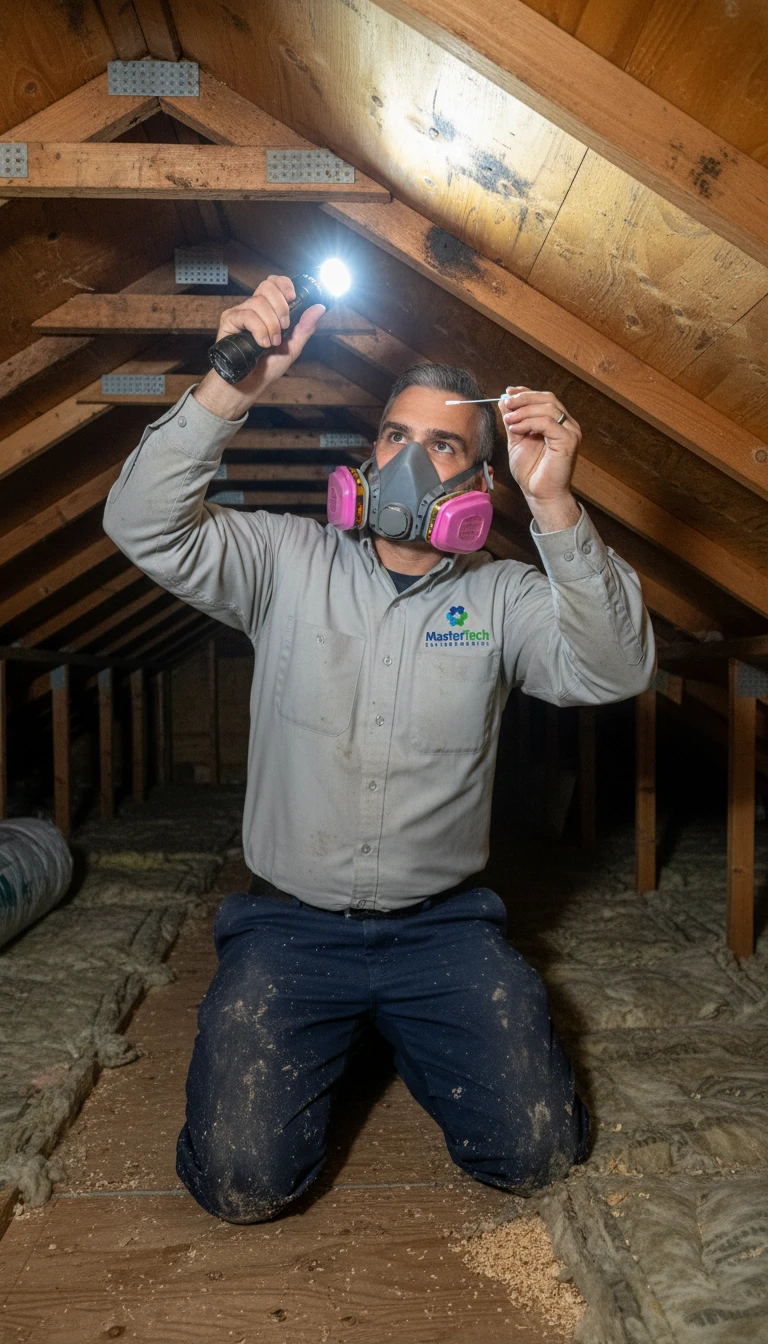
It grows behind drywall after a slow leak you never noticed. It thrives in the attic where condensation has been building up for years. It colonizes the underside of carpets in basements that feel "a little damp" but don't look wet.
And sometimes, the only clue you get is that musty smell. You know the one: that earthy, stale odor that hits you when you walk into certain rooms. A lot of people just accept it as "old house smell" or "basement smell." But that odor is actually microbial volatile organic compounds (MVOCs) being released by actively growing mold.
If vulnerable people: babies or seniors: are living in a home with that smell, it's not something to ignore. Even if you can't see visible mold, those spores are in the air.
Common areas where hidden mold lurks include:
If you're curious about what a thorough inspection actually covers, check out what a mold inspection includes.
One of the trickiest things about mold-related health issues is that the symptoms overlap with a ton of other common problems. It's easy to assume your kid just has allergies or that Grandpa's cough is from the dry winter air.
Here's a quick rundown of symptoms that might actually be mold-related:
The key word here is "persistent." Everyone gets a cold now and then. But if symptoms stick around for weeks, seem to improve when the person leaves the house, or keep coming back no matter what you try: it might be time to look at the environment rather than just treating the symptoms.
Understanding your test results can help you figure out next steps. Here's a plain-English guide to understanding mold test results.
So what do you actually do if you suspect mold might be affecting the vulnerable people in your home?
The first step is testing. And I don't mean buying a $20 kit from the hardware store. Those things are notoriously unreliable and often create more confusion than clarity.
What you want is an independent mold inspection from someone who doesn't also do remediation. Why does that matter? Because when the same company that tests your home is also the company that would profit from finding problems and fixing them, there's an inherent conflict of interest.
I only do mold testing and inspections: not remediation. That means when I tell you there's a problem, I'm not trying to sell you a cleanup job. And when I tell you things look fine, you can trust that I'm not missing something to avoid extra work. My only job is to give you accurate information so you can make the best decision for your family.
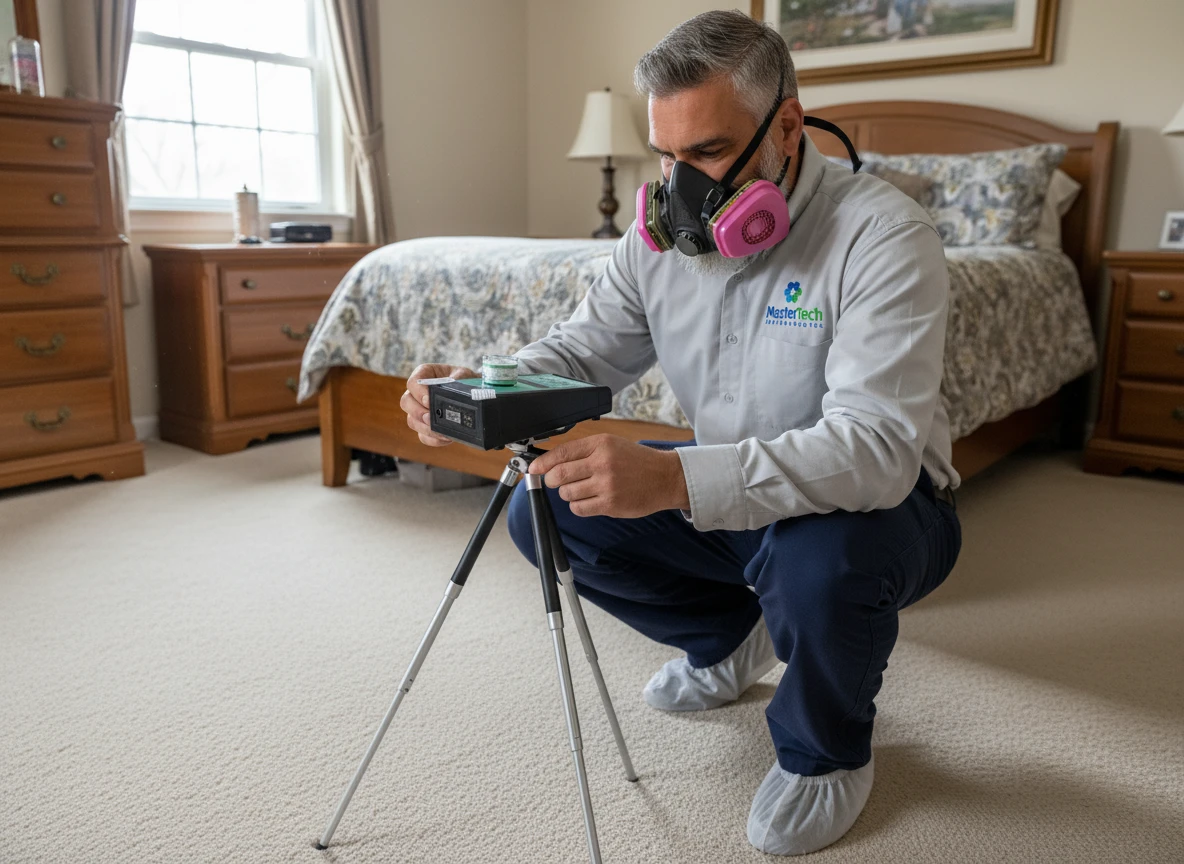
A proper inspection includes visual assessment, moisture mapping, air sampling, and sometimes surface sampling. If there's mold, we'll find it. If there isn't, you get peace of mind. Either way, you'll have the data you need.
If you're in the process of buying or selling a home, this is especially important. A standard home inspection won't catch hidden mold. You can learn more about that in this post: Buying or Selling a Home? Don't Skip the Mold Inspection.
If testing reveals elevated mold levels, don't panic. Mold problems are fixable. The key is addressing both the mold itself and the moisture source that allowed it to grow in the first place.
You'll want to work with a qualified remediation company (separate from whoever did your testing) to remove the mold safely. Then, fix the underlying issue: whether that's a leaky pipe, poor ventilation, or humidity control in the basement.
For a detailed walkthrough of the process, check out what happens if mold is found in your home.
At the end of the day, this isn't about being paranoid or turning every musty smell into a crisis. It's about being informed. When you have babies crawling around your floors or elderly parents spending their days at home, the stakes are a little higher.
If something feels off: persistent symptoms, unexplained smells, or just a gut feeling that the air quality isn't right: trust that instinct. Getting answers is easier than you might think.
If you're in York, PA or the surrounding areas like Dallastown, Red Lion, Hanover, West Manchester, Spring Grove, or Shrewsbury, I'm happy to help. Reach out for a consultation and let's make sure your home is a safe place for everyone in your family: especially the ones who need a little extra protection.

Mastertech Environmental of York, PA. I'm your local expert in professional mold testing and inspection. With 17+ years of experience and trusted by thousands of homeowners, I can help you protect what matters most — your health and your home.