
Ever wonder why your neighbor can walk into a moldy basement and barely notice anything, while you start sneezing and feeling lousy within minutes? Or why some family members get sick from mold exposure while others living in the same house seem totally fine?
It's not all in your head, and you're not being dramatic. There are real, measurable reasons why mold affects people so differently. Let me break down what's actually happening and why your body might be more sensitive to mold than the person standing right next to you.
The biggest factor in mold sensitivity comes down to genetics, specifically, something called HLA-DR genes. Think of these genes as your immune system's security guards. Their job is to recognize threats (like mold toxins) and sound the alarm so your body can deal with them properly.
Here's where it gets interesting: about 75% of people have HLA-DR genes that work really well at identifying and eliminating mold toxins called mycotoxins. Their immune systems basically say "Hey, this stuff doesn't belong here" and efficiently kick it out of the body.
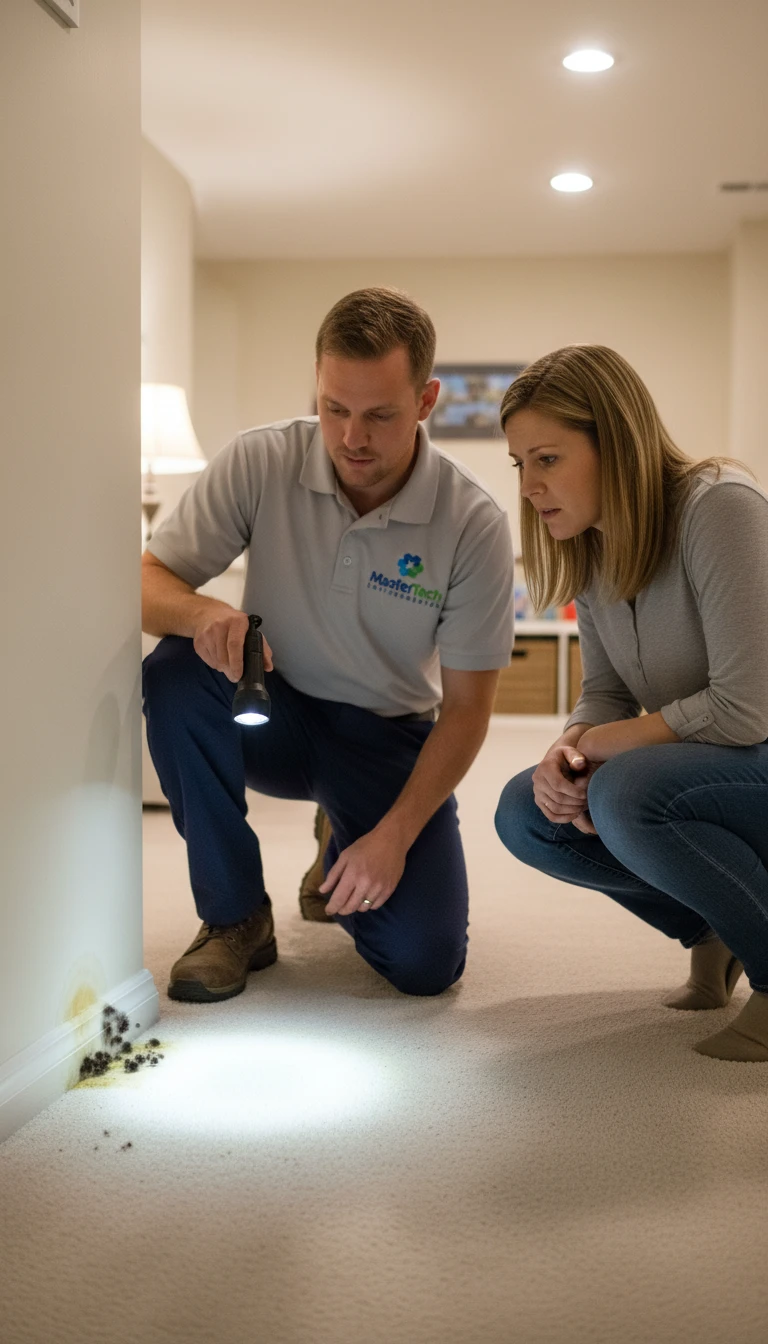
But the other 25% of the population? They got dealt a different hand. Their HLA-DR genes have variations that make it much harder for their immune system to recognize mycotoxins as threats. So instead of getting eliminated, these toxins just hang around in the body, building up and causing ongoing inflammation and symptoms.
This genetic difference explains why you might get sick from mold while your spouse, kids, or roommates don't react at all. You're all breathing the same air, but your bodies are processing it completely differently at the cellular level.
Even if you have the "good" HLA-DR genes, your immune system's overall health plays a huge role in how you handle mold exposure. When your immune system is already stressed or compromised, it's going to have a harder time dealing with any additional challenges, including mold.
Things that can weaken your immune response include:
If your immune system is already working overtime, mold testing becomes even more important because you might react to levels that wouldn't bother someone with a stronger immune response.
Kids and older adults tend to be more sensitive to mold, but for different reasons. Children's immune systems are still developing, so they haven't built up the same tolerance levels as adults. Plus, kids typically breathe faster and spend more time playing on floors where mold spores might settle.
On the flip side, older adults often have immune systems that have been through decades of wear and tear. They might also be dealing with other health conditions or taking medications that affect their body's ability to handle environmental challenges like mold exposure.
Pregnant women can also experience heightened mold sensitivity because their immune systems are naturally suppressed to prevent their body from rejecting the developing baby. This makes them more vulnerable to environmental toxins, including mold.
Here's something that catches a lot of people off guard: sometimes you become more sensitive to mold after you've been exposed to it before. It's like your immune system develops a "memory" of mold and overreacts the next time it encounters it.
This is called sensitization, and it can happen even if your initial exposure didn't seem to cause any problems. Maybe you lived in a house with a small mold problem for years without noticing symptoms, but now you're hypersensitive to even tiny amounts of mold. Your immune system learned to recognize mold as a threat and now goes into full alert mode whenever it detects it.
This is one reason why professional mold inspections are so valuable: they can detect mold problems before they get bad enough to cause sensitization in the first place.
Not all mold is created equal when it comes to health effects. Some species produce more toxic compounds than others. Black mold (Stachybotrys) gets a lot of attention because it can produce particularly nasty mycotoxins, but honestly, any type of mold can cause problems for sensitive individuals.
The concentration of mold spores also matters. A few spores here and there probably won't affect most people, but when you're dealing with heavy contamination: like what you might find in a flooded basement or behind a wall that's been leaking for months: even people with good mold tolerance can start experiencing symptoms.
Duration of exposure is another key factor. Brief exposure to mold might not cause any issues, but living or working in a moldy environment day after day can overwhelm even a healthy immune system over time.
If you already have respiratory issues like asthma, allergies, or COPD, mold exposure can make those conditions significantly worse. Mold spores and mycotoxins can trigger inflammation in already sensitive airways, leading to increased wheezing, coughing, and difficulty breathing.
People with autoimmune conditions might also have stronger reactions to mold because their immune systems are already hyperactive. Conditions like rheumatoid arthritis, lupus, or inflammatory bowel disease can make someone more susceptible to the inflammatory effects of mold exposure.
Mental health can also be affected. Some people exposed to certain mycotoxins report symptoms like brain fog, difficulty concentrating, memory problems, anxiety, and depression. These neurological symptoms are real and can be particularly challenging because they're often not recognized as mold-related.
Your overall toxic load: the total amount of environmental toxins your body is dealing with: can affect how you respond to mold. If you're already exposed to chemicals at work, live in an area with poor air quality, or have heavy metals in your system, adding mold to the mix might push your body over the edge.
Your diet and lifestyle habits also play a role. People who eat a lot of processed foods, drink excessive alcohol, or smoke are generally going to have a harder time handling mold exposure because their detoxification systems are already working overtime.
On the other hand, people who eat nutrient-dense diets, exercise regularly, get good sleep, and manage stress well tend to be more resilient when faced with environmental challenges like mold.
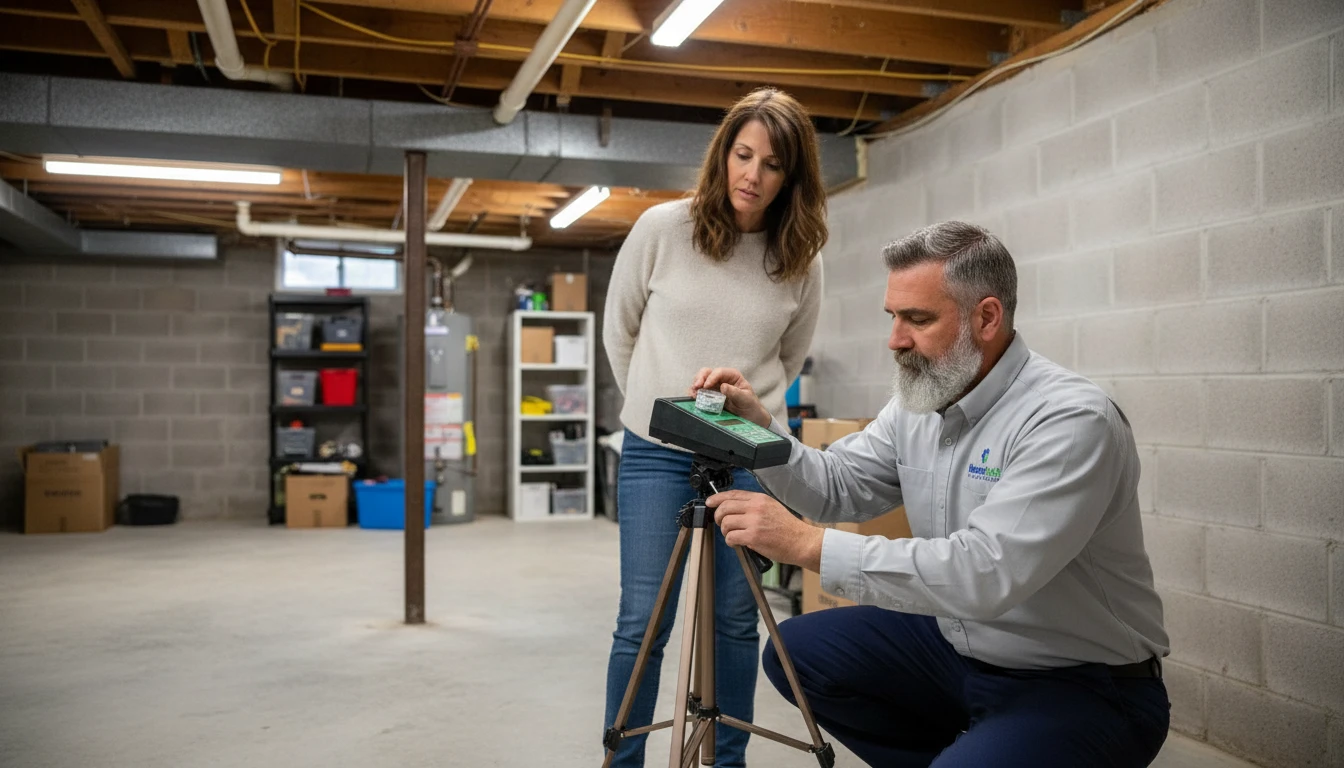
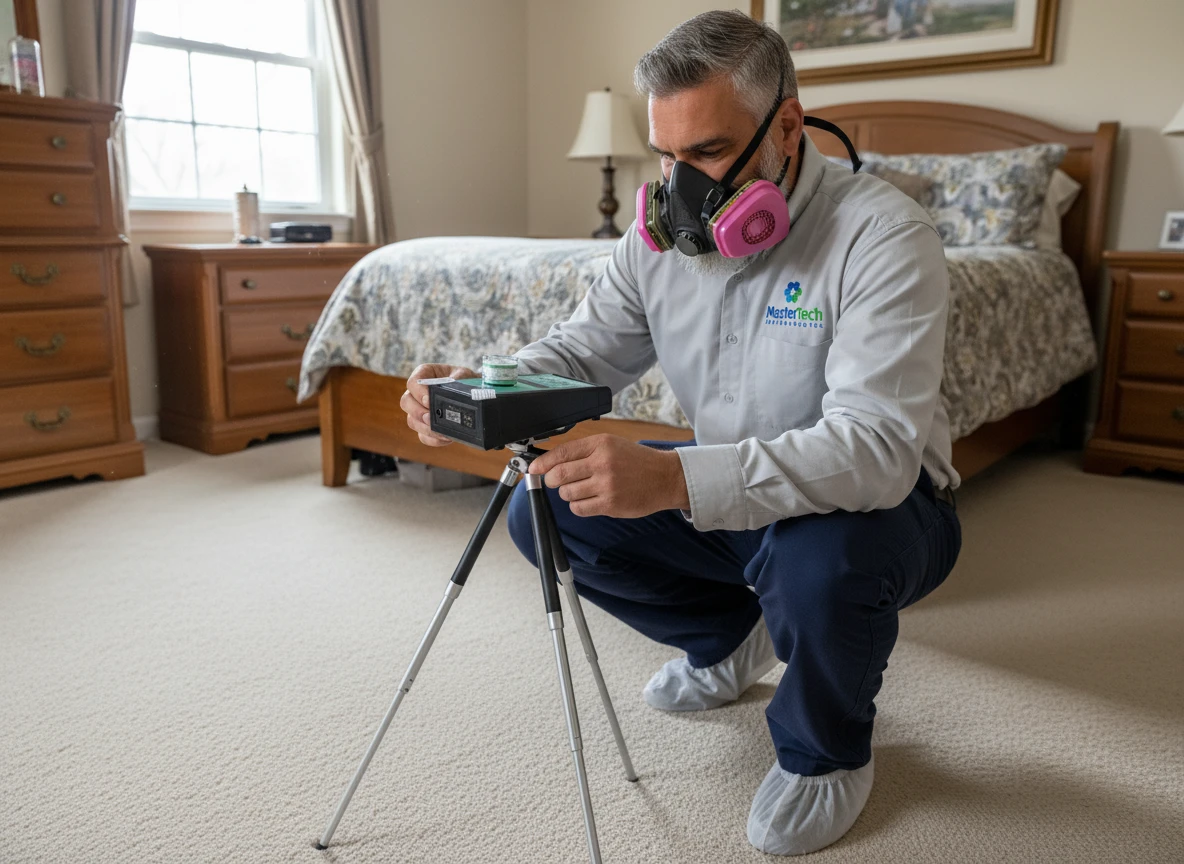
If you suspect you're more sensitive to mold than others, getting proper testing can provide valuable insights. Understanding what mold testing results actually mean can help you make informed decisions about your living or working environment.
There are different types of testing methods, and knowing the difference between air samples and surface samples can help you understand what kind of information each provides about your mold exposure risk.
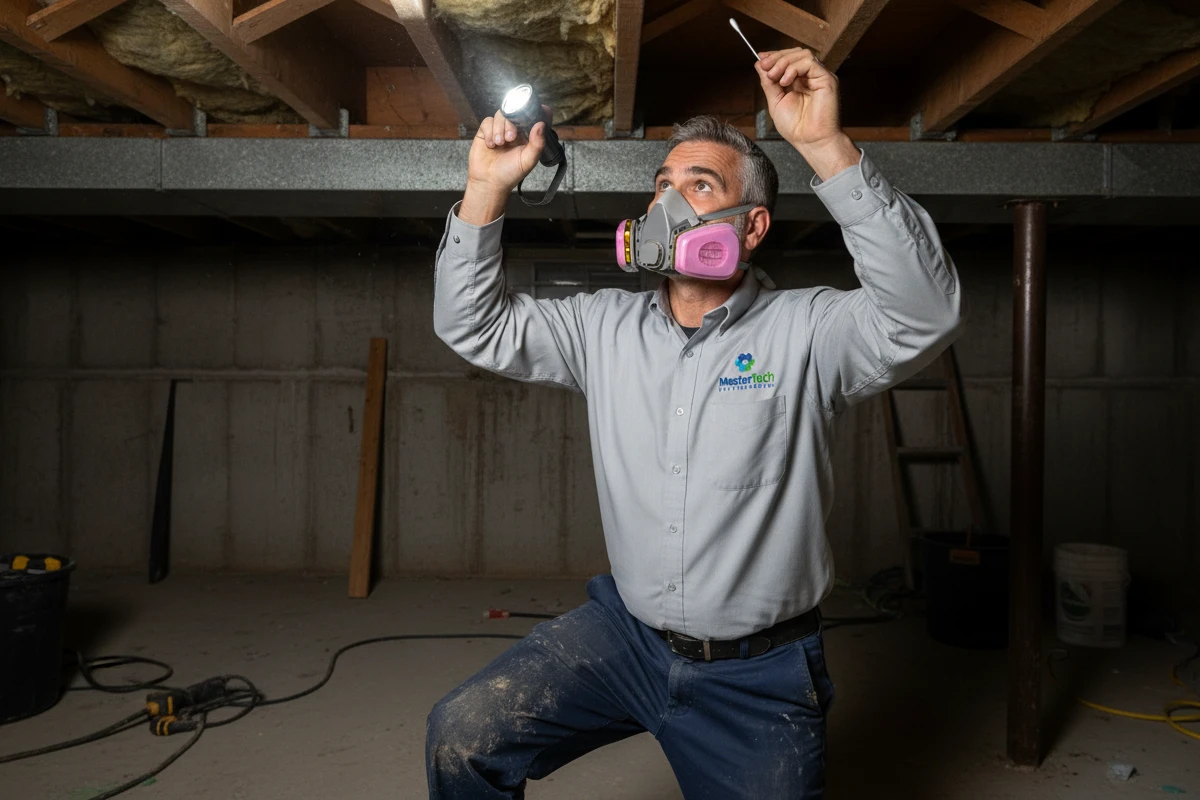
If you're experiencing symptoms that might be mold-related, or if you know you've been exposed to mold and want to understand your current risk level, professional testing can provide answers. This is especially important if you're buying a home or if you've had water damage in your current property.
Post-remediation testing is also crucial if you've had mold problems addressed. Just because the visible mold is gone doesn't mean spore levels have returned to normal, especially if you're someone who's particularly sensitive.
Your reaction to mold isn't just about willpower or being tough: it's largely determined by factors outside your control, like genetics and your current health status. Some people really are more sensitive than others, and that's perfectly normal.
The key is understanding your own sensitivity level and taking appropriate action when needed. If you're someone who reacts strongly to mold, you don't have to just "deal with it." Professional testing can help identify problems early, and addressing mold issues promptly can prevent more serious health effects down the line.
Remember, mold sensitivity can also change over time. You might develop sensitivity after an exposure, or conversely, some people find their sensitivity decreases as their overall health improves.

If you're experiencing unexplained respiratory symptoms, fatigue, cognitive issues, or other health problems that seem to get worse in certain environments, it's worth considering whether mold could be a factor. Getting proper testing and working with professionals who understand mold sensitivity can help you get the answers: and relief: you need.
Whether you're dealing with a potential mold problem in York County, Pennsylvania or just want peace of mind about your indoor air quality, professional mold testing and inspection services can provide the clarity you need to make informed decisions about your health and your home.

Mastertech Environmental of York, PA. I'm your local expert in professional mold testing and inspection. With 17+ years of experience and trusted by thousands of homeowners, I can help you protect what matters most — your health and your home.