

You know that feeling when you’ve been dealing with a stuffy nose, scratchy throat, or headaches all day at home, but the moment you step outside or head to work, you suddenly feel better? If this sounds familiar, you’re not imagining things. There’s actually a pretty straightforward scientific explanation for why this happens, and it often points to one culprit: mold.
This pattern of symptom improvement is so common that it’s become one of the telltale signs professionals look for when investigating potential mold problems in homes. Let’s dig into why this happens and what it means for your health and home.
When you experience relief from symptoms after leaving your house, it’s usually because you’re removing yourself from the source of exposure. In the case of mold, indoor air often contains significantly higher concentrations of mold spores than outdoor air. Think of it like walking out of a smoky room into fresh air – the difference in air quality is immediate and noticeable.
Mold spores are microscopic, so you can’t see them floating around, but they’re there. When you’re constantly breathing them in at home, your body’s immune system stays in a heightened state of alert. Remove that constant exposure, and your symptoms start to calm down.
The relief isn’t permanent though. As soon as you return home to the same moldy environment, the cycle starts again. Your body recognizes the irritant and responds accordingly with congestion, coughing, or whatever symptoms you typically experience.

People dealing with mold exposure often report a variety of symptoms that seem to magically disappear when they leave the house. The most common ones include:
Respiratory symptoms like persistent coughing, sneezing, and throat irritation are usually the first to improve. Your airways get a break from the constant irritation and inflammation.
Nasal congestion and sinus pressure often clear up within hours of leaving a moldy environment. Many people describe it as finally being able to breathe clearly again.
Eye irritation – that burning, watery, itchy feeling – typically subsides quickly once you’re away from mold spores that are irritating your eyes.
Headaches and fatigue can also improve, though these might take a bit longer to resolve since they’re often secondary effects of other symptoms or your body’s overall inflammatory response.
If you’ve been wondering whether your symptoms might be related to mold exposure vs allergies, this pattern of improvement when away from home is actually one of the key distinguishing factors.
Here’s something that might surprise you: outdoor air naturally contains mold spores. They’re everywhere in nature, breaking down organic matter and playing their role in the ecosystem. But here’s the key difference – outdoor spores are diluted by infinite amounts of air and carried away by wind and weather.
Inside your home, it’s a different story. Mold spores get trapped in enclosed spaces where they can accumulate and concentrate. Poor ventilation makes this problem worse. If you’ve got mold actively growing somewhere in your house, it’s continuously releasing new spores into the air you’re breathing.
Modern homes are built to be energy-efficient, which is great for your utility bills but not always great for air circulation. Tight seals and minimal air exchange can create perfect conditions for mold spore buildup.

Understanding where mold typically grows can help explain why some rooms make you feel worse than others. Bathrooms are obvious suspects – all that moisture from showers and poor ventilation creates ideal conditions. But mold isn’t limited to obvious wet areas.
Basements are major culprits, especially in older homes where moisture control wasn’t a priority during construction. Crawl spaces, attics with roof leaks, areas around windows with condensation problems, and even inside wall cavities where pipes have leaked can harbor significant mold growth.
Sometimes the mold isn’t visible at all. It might be growing behind wallpaper, under carpeting, inside air ducts, or in other hidden locations. This invisible mold can still release plenty of spores into your home’s air.
The tricky part is that some people react to mold more than others. You might be highly sensitive while other family members seem completely unaffected by the same environment.
Once you understand this cycle, you might start noticing the pattern more clearly. You feel crummy at home, better at work, worse again when you return home in the evening. Weekends at home might be particularly rough, while vacations leave you feeling fantastic.
Some people notice that kids and pets show mold symptoms first, which makes sense since they’re often more sensitive to environmental irritants and spend more time at home.
The frustrating part of this cycle is that it can go on for months or even years before people make the connection. Many folks just assume they have chronic allergies or that something is wrong with their health, when the real problem is their indoor air quality.

If you’re experiencing this pattern of symptoms improving when you leave home, it’s your body’s way of telling you something important about your indoor environment. While the temporary relief feels good, the underlying problem isn’t going away on its own.
Chronic exposure to mold spores can lead to increasingly severe reactions over time. What starts as mild congestion might develop into more serious respiratory issues. Some people find that their sensitivity increases with continued exposure, making symptoms worse even with lower mold levels.
There’s also the broader impact on quality of life. Feeling lousy every time you’re home affects sleep, productivity, and overall well-being. Mold can contribute to fatigue and headaches that impact every aspect of your daily routine.
Recognizing this pattern is actually the first step toward solving the problem. If you’re consistently feeling better away from home, it’s time to investigate what’s going on with your indoor air quality.
A professional mold inspection can identify problem areas you might not have considered. Hidden mold growth, moisture sources, and air quality issues aren’t always obvious to homeowners. Professional testing can measure actual spore concentrations and identify specific types of mold present.
What a professional mold inspection report should include goes well beyond just finding visible mold. It involves understanding moisture sources, ventilation patterns, and developing a comprehensive plan for addressing problems.
The testing process itself involves both air samples vs surface samples, each providing different pieces of the puzzle about your home’s mold situation.
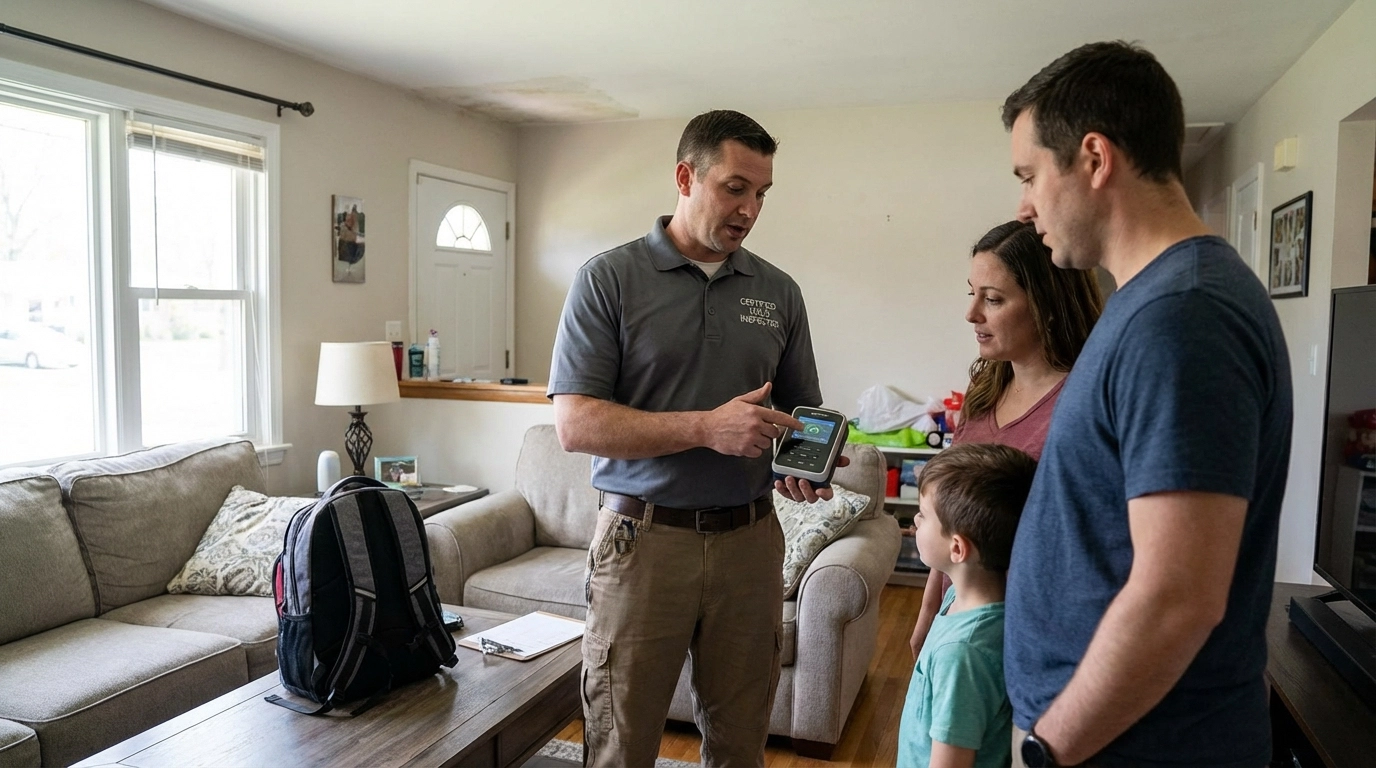
Here’s the reality: temporarily leaving your house isn’t a long-term solution. You need to address the root cause, which almost always comes down to moisture control.
Fixing leaks, improving ventilation, and controlling humidity are the foundation of any successful mold remediation. Without addressing these underlying issues, mold will simply return after any cleanup efforts.
Proper ventilation is crucial, especially in areas like bathrooms, kitchens, and laundry rooms where moisture is regularly produced. Exhaust fans, dehumidifiers, and ensuring adequate air circulation can make a huge difference.
Understanding what mold testing results really mean helps you make informed decisions about remediation. Not all mold situations require the same response, and professional guidance can help you prioritize efforts and budget effectively.
Sometimes the solution involves addressing issues beyond just the mold itself. Drainage problems, inadequate insulation, or structural issues that allow moisture infiltration might need attention.
If you’ve been experiencing this pattern of feeling better when away from home, don’t ignore it. Your body is giving you valuable information about your indoor environment.
Start by documenting when and where you feel symptoms. Keep a simple log for a week or two noting how you feel at different times and locations. This can help confirm whether your home is the common factor.
Consider having your indoor air quality professionally evaluated. Modern testing methods can identify problems that aren’t immediately obvious and provide clear direction for remediation efforts.
Remember that addressing mold issues early is almost always easier and less expensive than waiting until problems become severe. What starts as a minor moisture problem can develop into major structural damage and health concerns if left unchecked.
The good news is that once you understand why you feel better away from home, you’re already on the path toward a solution. This pattern isn’t something you have to live with indefinitely.
Professional mold testing and inspection services can provide the answers you need to reclaim your home’s air quality. With proper identification of problem areas and appropriate remediation, you should be able to feel just as good at home as you do anywhere else.
If you’re dealing with this situation and live in York, PA, don’t let poor indoor air quality continue affecting your health and comfort. Professional mold testing and inspection can identify exactly what’s causing your symptoms and provide a clear path forward for creating a healthier home environment. Get in touch here 717-676-3574 or email me tom@mastertechyork.com.

Mastertech Environmental of York, PA. I'm your local expert in professional mold testing and inspection. With 17+ years of experience and trusted by thousands of homeowners, I can help you protect what matters most — your health and your home.