
If you're a York homeowner, chances are your basement has seen its share of moisture issues. Between our humid summers and the age of many homes in central Pennsylvania, basement problems are more common than most people realize. But here's what really gets my attention during mold inspections in York, PA: hidden leaks that homeowners don't even know exist.
After years of mold testing throughout York County, I've seen how a small, unnoticed leak can turn into a major health hazard and financial nightmare. The problem isn't just the water you can see: it's the moisture silently building up behind walls, under floors, and in spaces you'd never think to check.
Your basement already faces an uphill battle against moisture. It's underground, naturally humid, and often poorly ventilated. Add a hidden leak to the mix, and you've created the perfect breeding ground for mold.
Here's the thing about mold: it only needs three things to thrive: moisture, organic material (like wood or drywall), and time. York basements have plenty of the second two, so when hidden leaks provide that crucial moisture, mold colonies can establish themselves and grow completely undetected.
I've tested homes where homeowners had no idea they had a problem until they noticed that musty smell or family members started experiencing unexplained respiratory issues. By then, the mold had often spread far beyond the original leak source.
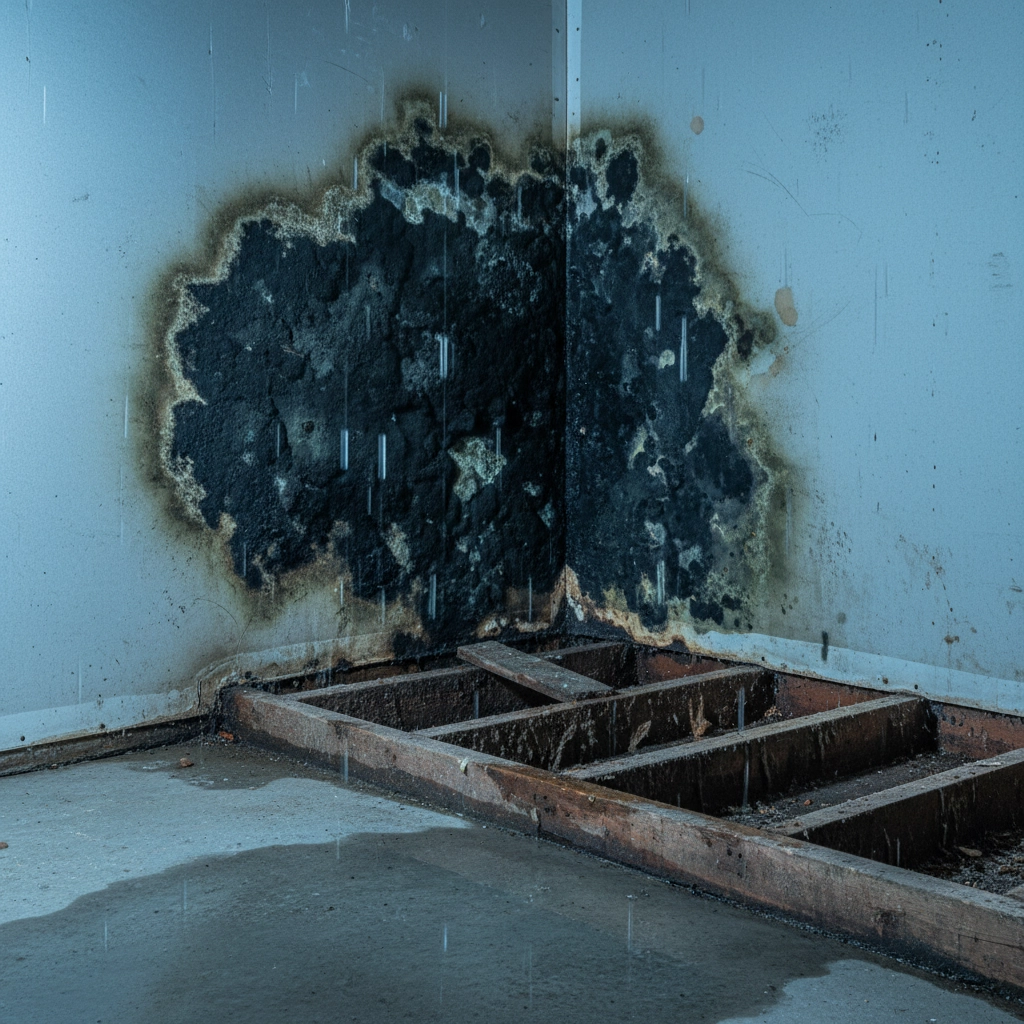
During my mold inspections throughout York and surrounding areas, I've identified several leak sources that consistently cause problems:
Foundation Issues: Many York homes were built decades ago, and foundation settling or cracking is incredibly common. These cracks might be hairline thin, but they're like superhighways for water infiltration. I've found significant mold growth behind finished basement walls where tiny foundation cracks allowed years of slow water seepage.
Plumbing Leaks: Old galvanized pipes, common in older York homes, are prone to slow leaks that can go unnoticed for months. These leaks often occur behind walls or in ceiling spaces where you'd never see the water damage until it's extensive.
Sump Pump Failures: With York's clay soil and seasonal flooding, many homes rely on sump pumps. When these systems malfunction or become overwhelmed during heavy rains, water backs up into the basement, creating ideal conditions for mold growth.
Appliance Malfunctions: Water heaters, washing machines, and HVAC systems in basements can develop leaks that create ongoing moisture problems. I've seen cases where a slow drip from a water heater created massive mold colonies on nearby walls.
When I'm conducting mold testing in York, PA, I always explain to homeowners that basement mold isn't just a cosmetic issue: it's a serious health concern. The confined space of a basement means mold spores become concentrated, and your home's HVAC system can distribute these spores throughout your entire house.
Common health symptoms I hear about from York families include:
Children, elderly family members, and anyone with compromised immune systems are particularly vulnerable. I've tested homes where family members were experiencing chronic health issues that improved dramatically after mold remediation.

Beyond health concerns, hidden leaks and resulting mold growth can cause extensive structural damage to your York home. Mold doesn't just sit on surfaces: it actively consumes organic building materials.
I've seen floor joists weakened by years of mold growth, drywall that crumbles at the touch, and insulation that's completely destroyed. In one historic York home, a hidden foundation leak led to mold that required replacing significant portions of the basement structure.
The financial impact extends beyond repair costs. Homes with known mold issues face significant challenges during resale. York buyers are increasingly savvy about mold concerns, and a history of basement moisture problems can seriously impact your property value.
During my years of mold inspection work in York County, I've learned to recognize the early warning signs that often indicate hidden moisture problems:
Musty Odors: This is often the first sign homeowners notice. That distinctive "basement smell" isn't just normal: it's usually indicating mold growth somewhere in the space.
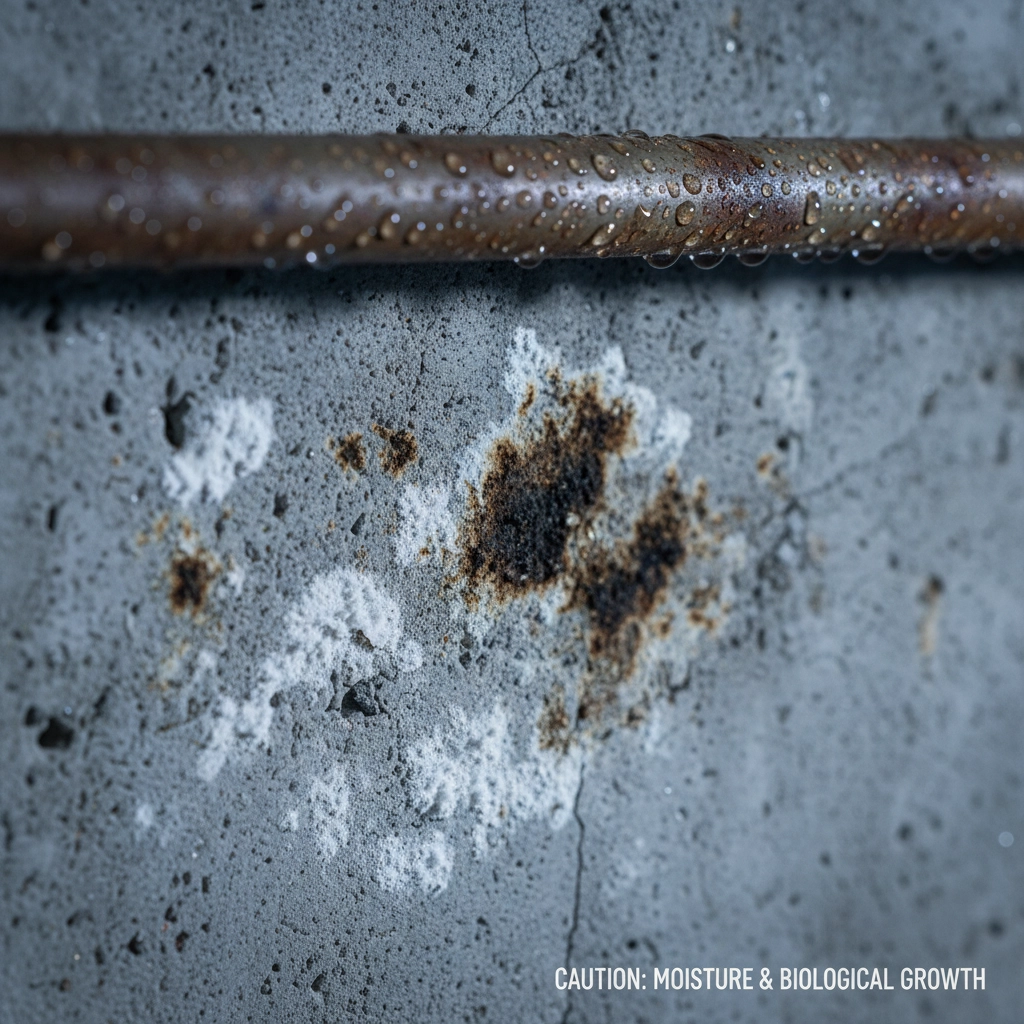
Unexplained Humidity: If your basement feels more humid than usual, or you notice condensation on windows or pipes, there's likely a moisture source you haven't identified.
Discoloration: Dark spots on walls, especially near the foundation or around pipes, often indicate ongoing moisture problems and possible mold growth.
Pest Activity: Increased insects or other pests in your basement often indicates excess moisture that's attracting them.
Efflorescence: White, chalky deposits on foundation walls indicate water infiltration that could be supporting mold growth in hidden areas.
As someone who's conducted hundreds of mold inspections throughout York, PA, I can tell you that professional testing becomes crucial when you suspect hidden moisture problems. DIY test kits might seem appealing, but they don't provide the comprehensive analysis needed to identify the extent of contamination or the specific types of mold present.
Professional mold testing includes air sampling, surface sampling, and moisture mapping using specialized equipment. This comprehensive approach identifies not just visible mold, but also hidden contamination behind walls or in HVAC systems.
I use thermal imaging cameras and moisture meters to identify hidden water sources that might not be obvious during a visual inspection. This technology has helped me uncover numerous hidden leaks that were silently feeding mold colonies.
The good news is that many basement moisture problems in York homes can be prevented with proactive maintenance:
Regular Inspections: Schedule annual inspections of your basement, paying special attention to foundation walls, pipes, and appliances. Look for signs of moisture intrusion or early mold growth.
Maintain Proper Humidity: Use dehumidifiers to keep basement humidity below 50%. York's humid summers make this especially important.
Address Issues Quickly: Any water intrusion, no matter how minor it seems, should be addressed immediately. Quick action prevents mold establishment.
Improve Ventilation: Ensure your basement has adequate airflow. Consider installing exhaust fans in basement bathrooms or laundry areas.
Foundation Maintenance: Keep gutters clean and ensure proper drainage away from your foundation. Consider professional foundation sealing if you notice recurring moisture issues.
If you suspect hidden leaks or mold growth in your basement, don't wait. Early detection and professional mold inspection can save you thousands in remediation costs and protect your family's health.
As an experienced mold inspector serving York and surrounding areas, I've seen how quickly small moisture problems can become major issues. The investment in professional mold testing is minimal compared to the potential costs of extensive remediation or health problems down the road.
Remember, mold problems don't improve on their own: they only get worse with time. If you're experiencing any of the warning signs mentioned above, or if you simply want peace of mind about your basement's air quality, professional mold inspection services can provide the answers you need.
Don't let hidden leaks turn your basement into a health hazard. Take action today to protect your York home and family from the serious problems that untreated moisture and mold can cause.

Mastertech Environmental of York, PA. I'm your local expert in professional mold testing and inspection. With 17+ years of experience and trusted by thousands of homeowners, I can help you protect what matters most — your health and your home.