
Have you been feeling under the weather lately, but can't quite pinpoint why? Dealing with persistent headaches, congestion, or that annoying brain fog that just won't lift? Before you blame it on York's changing seasons or stress from work, consider this: your basement might be making you sick.
As someone who's been doing mold inspections and testing in York, PA for years, I can tell you that hidden mold in basements is one of the most common: and overlooked: causes of unexplained health symptoms in our area. Let's dive into why your basement might be the culprit and what you can do about it.
Living in York County, we deal with some unique challenges when it comes to basement moisture. Our climate gives us hot, humid summers and wet springs that create perfect conditions for mold growth. Add in the fact that many of our homes were built decades ago with less-than-perfect waterproofing, and you've got a recipe for hidden mold problems.
Here's what makes York basements particularly susceptible:
Clay Soil Issues: Much of York County sits on clay soil that doesn't drain well. After heavy rains (and we've had plenty of those lately), water sits around foundations longer, increasing the chance of seepage through basement walls.
Older Home Construction: Many York area homes were built before modern moisture barriers and proper foundation sealing became standard. These older basements are more likely to have small cracks and gaps where moisture can sneak in unnoticed.
High Humidity Levels: Our summers can push humidity levels above 60%, well into the danger zone for mold growth. Without proper ventilation, basements become humidity traps.
Here's where things get tricky: mold-related health symptoms often mimic other common conditions, making them easy to dismiss. You might think you're dealing with seasonal allergies, stress, or just getting older, when the real problem is floating around in your basement air.
Respiratory Red Flags: If you're experiencing persistent congestion, a runny nose that won't quit, or that annoying cough that seems to hang around, hidden mold could be the trigger. These spores irritate your sinuses and airways, causing symptoms that feel just like allergies but don't respond to typical allergy treatments.
The Brain Fog Connection: This is a big one that many people don't realize is mold-related. Having trouble concentrating? Feeling mentally fuzzy or forgetful? Mold releases mycotoxins that can mess with your central nervous system, leading to what many describe as "brain fog." I've had clients tell me they thought they were developing early dementia, only to have their symptoms clear up after addressing their basement mold problem.
Headaches and Fatigue: Persistent headaches, especially ones that seem worse at home, can be a telltale sign of mold exposure. The toxins released by mold trigger inflammation that often shows up as head pain and that bone-deep exhaustion that rest doesn't seem to fix.
The "At Home vs. Away" Test: Here's a simple way to gauge if your house might be the problem: Do you feel better when you're away from home for extended periods? If your symptoms improve during vacations or work trips, that's a strong indicator that something in your home environment is affecting your health.

Mold is sneaky. It doesn't always announce itself with obvious black spots on the wall. In fact, some of the most problematic mold growth happens in places you'd never think to look.
Behind Finished Walls: If you have a finished basement with drywall, mold can be growing behind those walls for months before you notice any signs. Small leaks from pipes or foundation cracks can create perfect growing conditions in that hidden space.
Around HVAC Equipment: Your furnace and ductwork create temperature variations that lead to condensation: mold's best friend. I've found significant mold growth around HVAC systems that homeowners had no idea existed.
Under Flooring: Carpet, laminate, or tile installed directly on concrete can trap moisture underneath. If you've ever noticed a musty smell that seems to come from the floor itself, this could be your issue.
In Storage Areas: Those boxes of Christmas decorations or old photo albums can harbor mold if they've absorbed even small amounts of moisture over time. The organic materials provide food for mold to thrive.

Your basement might be trying to tell you there's a mold problem. Here are the signs to watch for:
That Musty Smell: If your basement has a musty, earthy odor that gets stronger during humid weather, that's often your first clue. Don't mask it with air fresheners: investigate it.
Visible Water Damage: Look for water stains on walls, white chalky residue (efflorescence) on concrete, or any areas where paint is peeling or bubbling. These are signs of moisture problems that could be feeding mold growth.
Condensation Issues: If you regularly see condensation on pipes, windows, or concrete surfaces, you've got humidity levels that support mold growth.
Allergy Flare-ups in the Basement: If you or your family members consistently have allergy symptoms when spending time in the basement, that's worth investigating.
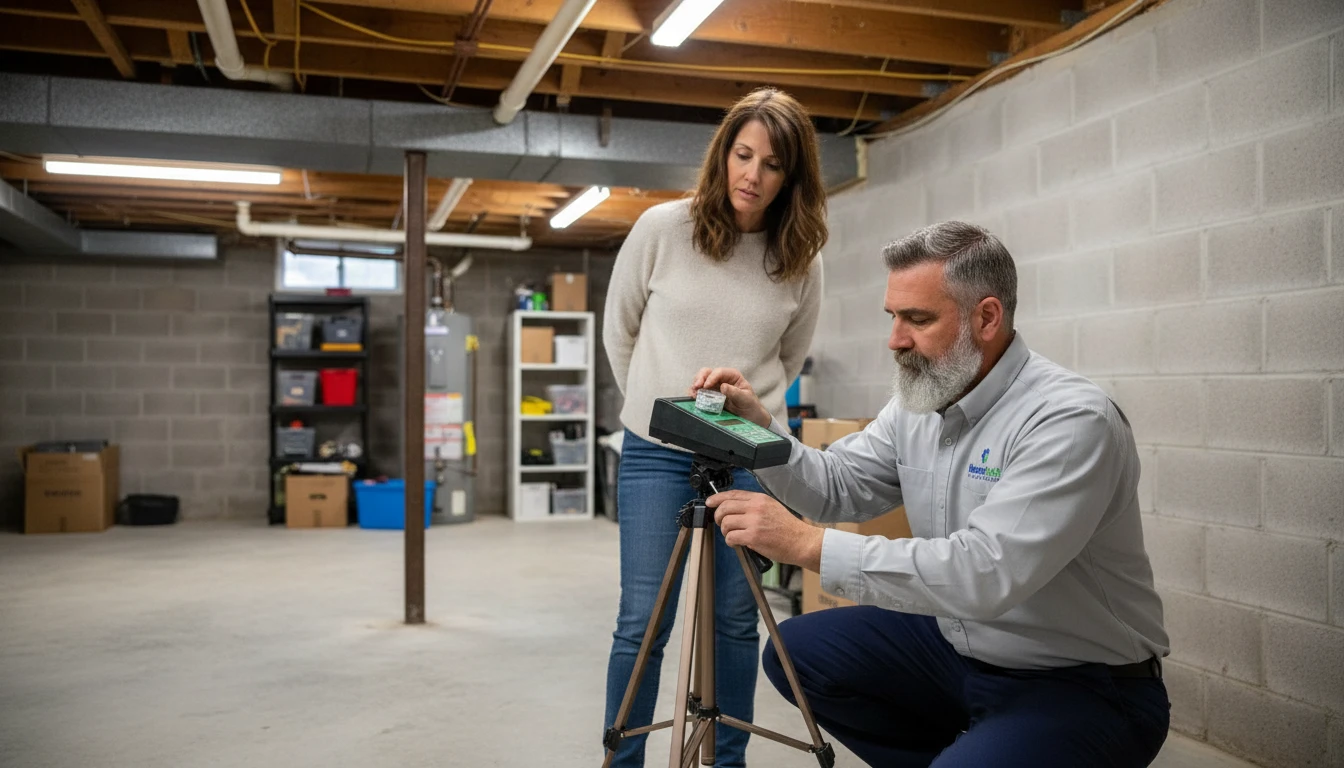
Here's the thing about DIY mold test kits from the hardware store: they'll tell you if there's mold present (spoiler alert: there's always some mold present everywhere), but they won't tell you if you have a problem that needs attention. That's where professional mold testing and inspection comes in.
During a professional inspection, I use specialized equipment to:
The goal isn't to scare you: it's to give you the information you need to make informed decisions about your health and your home.
If you're experiencing unexplained health symptoms and suspect your York basement might be the culprit, here's what I recommend:
Start with a Visual Inspection: Walk through your basement with a critical eye. Look for any signs of water damage, condensation, or that telltale musty smell. Check around appliances, in corners, and behind stored items.
Monitor Your Symptoms: Keep track of when you feel worse. Do symptoms worsen when you spend time in the basement? Do they improve when you're away from home?
Consider Professional Testing: If you're finding signs of moisture problems or your symptoms seem house-related, a professional mold inspection can give you definitive answers. It's often less expensive than you might think, especially when compared to ongoing health issues or major remediation down the road.
Don't Wait for Visible Mold: By the time you can see mold growth, you often have a more significant problem on your hands. Early detection and prevention are always better (and cheaper) than major remediation.
Your health is too important to ignore potential warning signs. If you're dealing with unexplained symptoms and live in the York area, don't overlook the possibility that your basement might be contributing to your health problems. Hidden mold is more common than most people realize, especially in our area's older homes and challenging climate conditions.
The good news? Once identified, mold problems can be addressed, and many people see significant improvement in their symptoms once the source is eliminated. If you're ready to get answers about your indoor air quality, I'm here to help with professional mold testing and inspection services throughout York County.
Remember, you don't have to live with unexplained health symptoms. Sometimes the solution is simpler than you think( it just might be hiding in your basement.)

Mastertech Environmental of York, PA. I'm your local expert in professional mold testing and inspection. With 17+ years of experience and trusted by thousands of homeowners, I can help you protect what matters most — your health and your home.