
Mold Inspection and Testing in the City of York, PA
My shop is on Taxville Road, so the city is my home ground. York housing is older and denser than anything else in the county — rowhouses and twins off Market and George, stone cellars, converted rentals, and low ground along the Codorus that has taken water more than once. I test it, document it, and tell you where the water is coming from. I don't sell remediation, so there's nothing for me to talk you into.
- — CMI certified, PMII, since 2010
- — $450 flat, 4 samples included
- — Independent accredited lab analysis
- — Report in 1-2 business days
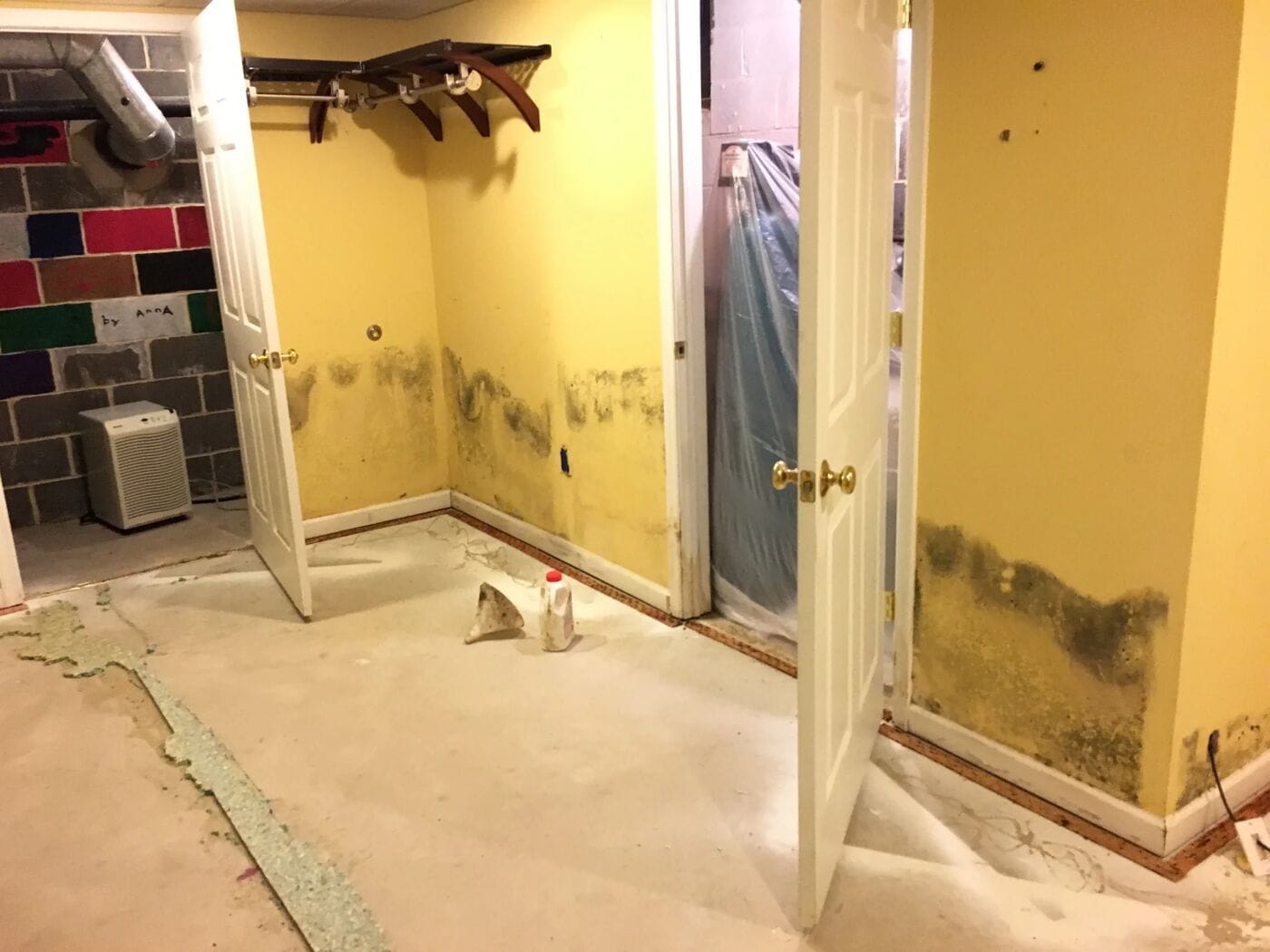
Why houses inside the city of York get mold
It's almost never mysterious. Something stays wet and mold grows on it. In the city, what's wet is usually masonry — and masonry is shared.
York is the oldest and densest housing stock I work in. Most of what I inspect inside the city went up before 1940: brick rowhouses and twins on tight lots, stone or early block foundations, plaster on lath, and cellars with a dirt floor or a thin slab someone poured over one later. None of it was built with a vapor barrier, a sealed foundation or a mechanical way to dry the air, because none of that existed yet.
That changes what a mold inspection is looking for. Out in the townships I'm usually chasing a single failure — a bath fan venting into the attic, a sump that quit, a grade that slopes back at the house. In a city rowhouse the moisture is more often structural and continuous: cool masonry in contact with the ground, giving off water vapor every day of the year into a cellar nobody ventilates. That by itself isn't a problem. It becomes one when the cellar gets finished, when storage goes against the walls, or when the air from down there ends up in the bedrooms — which it does, because air moves up through a house.
The party wall is the thing people don't expect. In a row or a twin you own half the brick. If the house next door has a downspout dumping at the foundation, open mortar joints, or is vacant and unheated, you get damp plaster on your side and there is nothing you can fix on your own side to stop it. A lot of my city inspections end with me telling a homeowner that their wall is wet and the cause is fifteen feet away through the masonry. That's worth knowing before you pay someone to re-drywall it.
Then there's the water that's already been through. The Codorus Creek runs right through town, and in June 1972 Agnes flooded these neighborhoods badly — the Susquehanna crested more than fifteen feet over flood stage and Codorus flooding killed a man off the Richland Avenue bridge. That flood is history, but the low ground is still low ground, and a lot of these basements have been wetted and dried many times over since. Old flood water doesn't keep growing mold by itself. The finished wall, the framing, the carpet and the boxes that got wet and never properly dried are what I'm actually looking for.
And a large share of city housing is rented or was converted. Single-family houses cut into two or three units, baths and kitchens added where there was no plumbing before, fans installed later and vented into a joist bay instead of through the wall. Those buildings generate the landlord-and-tenant disputes I get called into, and they're the reason I sample on more than one floor.
My job is to work out which of those you have and prove it with numbers instead of opinions — moisture readings, thermal imaging, and accredited lab results from samples taken where they answer something.
What I run into most in York
- Rowhouses and twins — shared masonry means the water can start on a neighbor's side, and telling which direction it came from is half the job.
- Stone foundations and coal cellars — cool masonry, a dirt or patched floor, and no mechanical drying. Damp is normal down there; the question is whether it's reaching the living space.
- Pre-1940 housing stock — balloon framing, plaster on lath, and no vapor control anywhere in the assembly.
- Rentals and conversions — single-family houses cut into apartments, with bath and kitchen fans added later and often vented into a joist bay instead of outside.
- Codorus Creek low ground — Agnes put water through these neighborhoods in June 1972 and the ground hasn't changed since. Repeated wetting leaves material behind.
- Flat and low-slope roofs on the older commercial blocks — a slow roof leak can run a long way along a beam before it stains a ceiling.
- Post-war additions and enclosed porches — the addition almost never drains or vents the way the original house does.
- Window air conditioners and oversized central systems — short cycles cool the air without pulling humidity out of it, and you get growth in closets and on exterior corners.
Tell me the address and what you're seeing. I'll come back with timing and pricing.
When it's worth testing in York
If any of this sounds like your house, a $450 inspection is cheaper than guessing — and a lot cheaper than opening a wall to find out.
A cellar that smells like wet stone
Most of the older city houses sit on stone or early block foundations with a dirt or thin-slab floor. The masonry wicks ground moisture all year, and air moves up through the house, so what you smell in the front room usually started two floors down.
Staining on a shared party wall
In a row or a twin you don't own both sides of the brick. A failed downspout or unpointed masonry next door shows up as damp plaster on your side, often in the same spot every spring.
A basement that has flooded before
If you're on the low ground near the Codorus, the basement has probably taken water more than once. The flood itself is over. The finished wall, the framing and the boxes that never fully dried are the part that's still a problem.
Symptoms that ease when you leave the house
Stuffy head, scratchy throat, a cough that clears up on vacation and comes back the night you're home. That pattern is worth sampling rather than guessing at.
How a York mold inspection goes
Same process every time, whether it's a stone cellar on a city block or a converted three-unit with a tenant complaint on file.
You call or text me
You get me, not a dispatcher. Tell me the block you're on, what you're seeing, and whether the place has taken water before. Nine times out of ten I can tell you on that call what the inspection needs to cover in a city house.
I come out and look
Sixty to ninety minutes for a typical home, longer for a converted multi-unit. Visual inspection of the cellar, the attic, the baths and any problem area you point me at, moisture readings on plaster, wood and masonry, and thermal imaging to find wet material behind finished surfaces.
I sample where it answers a question
4 samples are included — air, surface, or a mix. In a rowhouse or a rental I'll usually put one on each floor, because vertical air movement is the whole issue in these houses. Extra samples are $85 each and I'll tell you before I take one.
The lab runs it
Samples go to an independent accredited lab. I don't own the lab and I don't get a cut of what it finds, which is the entire point of hiring someone who doesn't sell cleanup.
You get the report
Written report in 1-2 business days with photos, moisture readings by area, lab data, my read on where the water is coming from, and what should happen next.
We go over it on the phone
In plain English, so you can hand it to a contractor, a landlord, a tenant, a realtor or a code officer and have it mean something.
I don't do remediation, and that changes everything
Most companies that test mold also sell the cleanup. Think about what that means when they write up your results.
- No remediation work sold, ever
- No referral fees from remediation contractors
- No ownership stake in the lab that runs the samples
- Neutral in a landlord and tenant dispute — I work for whoever hired me and the report says what it says
- Samples taken because a question needs answering, not to run up a bill
- If your York house tests clean, the report says clean
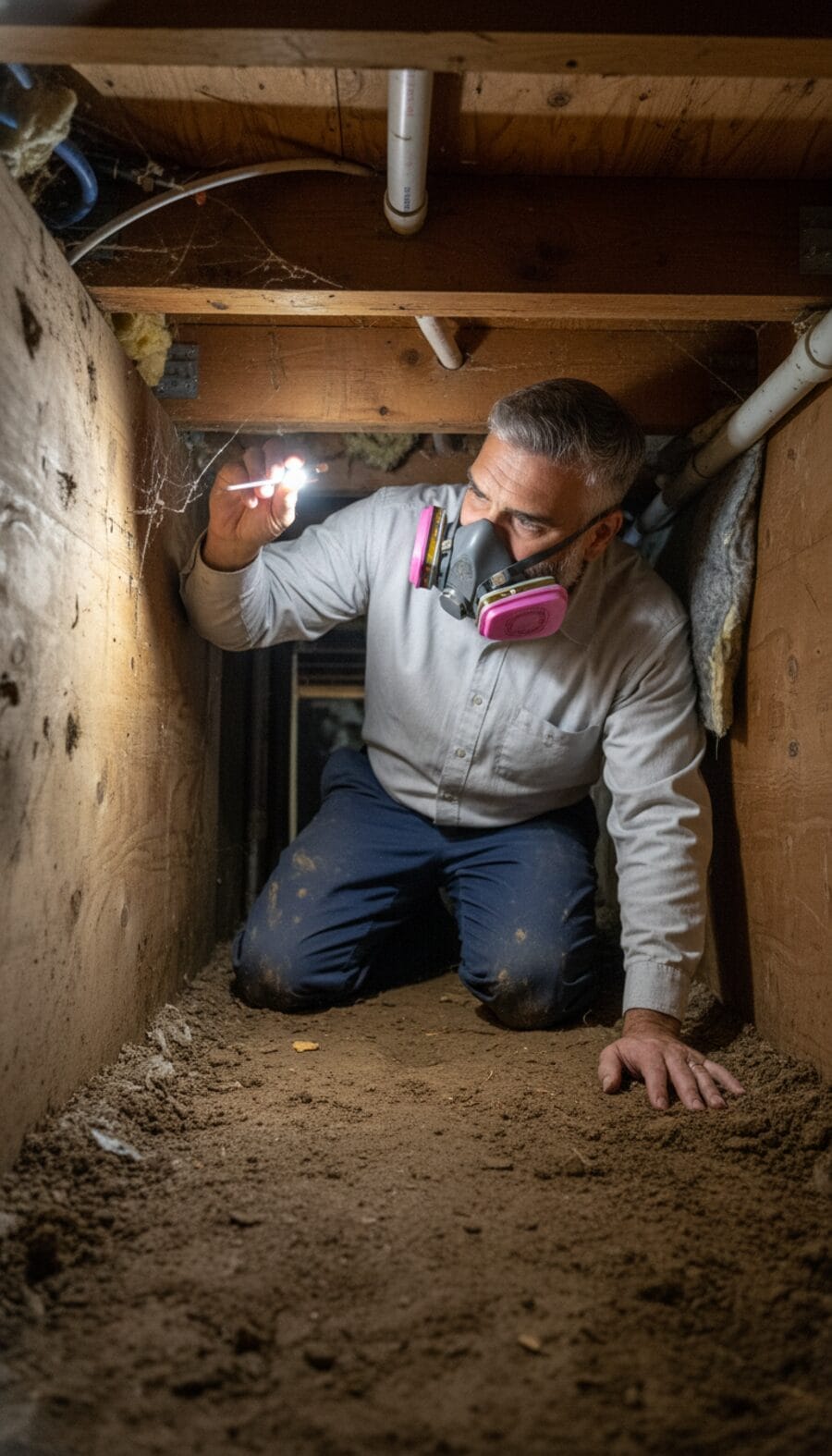
Whole-Home Indoor Air Quality Testing for York City Homes
Rowhouses and twins share walls, city basements run humid all summer, and plenty of bedrooms are short on fresh air. Room-by-room readings — particulate, CO2, VOCs and humidity — show which rooms stand out, adding clues beyond mold sampling alone. It's available with any mold inspection and testing visit, and summer humidity and indoor air quality covers the seasonal side.
- PM1.0
- PM2.5
- PM10
- CO2
- TVOC
- Formaldehyde screening
- Relative humidity
- Temperature
Particle readings point to common household sources consistent with the particle-size pattern observed. They don't identify a particle as mold, dust, pollen or pet dander.
Learn More About Indoor Air Quality TestingWhat a mold inspection costs in the city of York, PA
Flat pricing, nothing hidden. Extra samples beyond the 4 included are $85 each. Lab results come back in 1-2 business days.
- Visual inspection of the areas of concern
- Thermal imaging
- Moisture meter readings
- 4 air or surface samples
- Accredited independent lab analysis
- Written report with photos and readings
- Phone walkthrough of the results
Covers properties or inspected areas up to approximately 2,500 sq ft. Larger properties may need more inspection time, more areas or more sampling, so the price can go up — I'll tell you the number before I come out.
Schedule a residential inspection- Visual inspection of the areas of concern
- Thermal imaging
- Moisture meter readings
- 4 air or surface samples
- Accredited independent lab analysis
- Written report with photos and readings
- Phone walkthrough of the results
Covers the extra reporting and square footage that comes with commercial buildings. Additional samples $85 each.
Schedule a commercial inspectionSee the report before you hire me
The inspection is only worth as much as the paperwork you're left holding. Mine lays out what I looked at, what I found, what the lab said, and what should happen next — in language you can hand to a contractor, a landlord, or a realtor.
- Inspection summary
- Lab sample results
- Moisture readings
- Area-by-area notes
- Photos of findings
- Recommendations
- Limitations
- Next steps
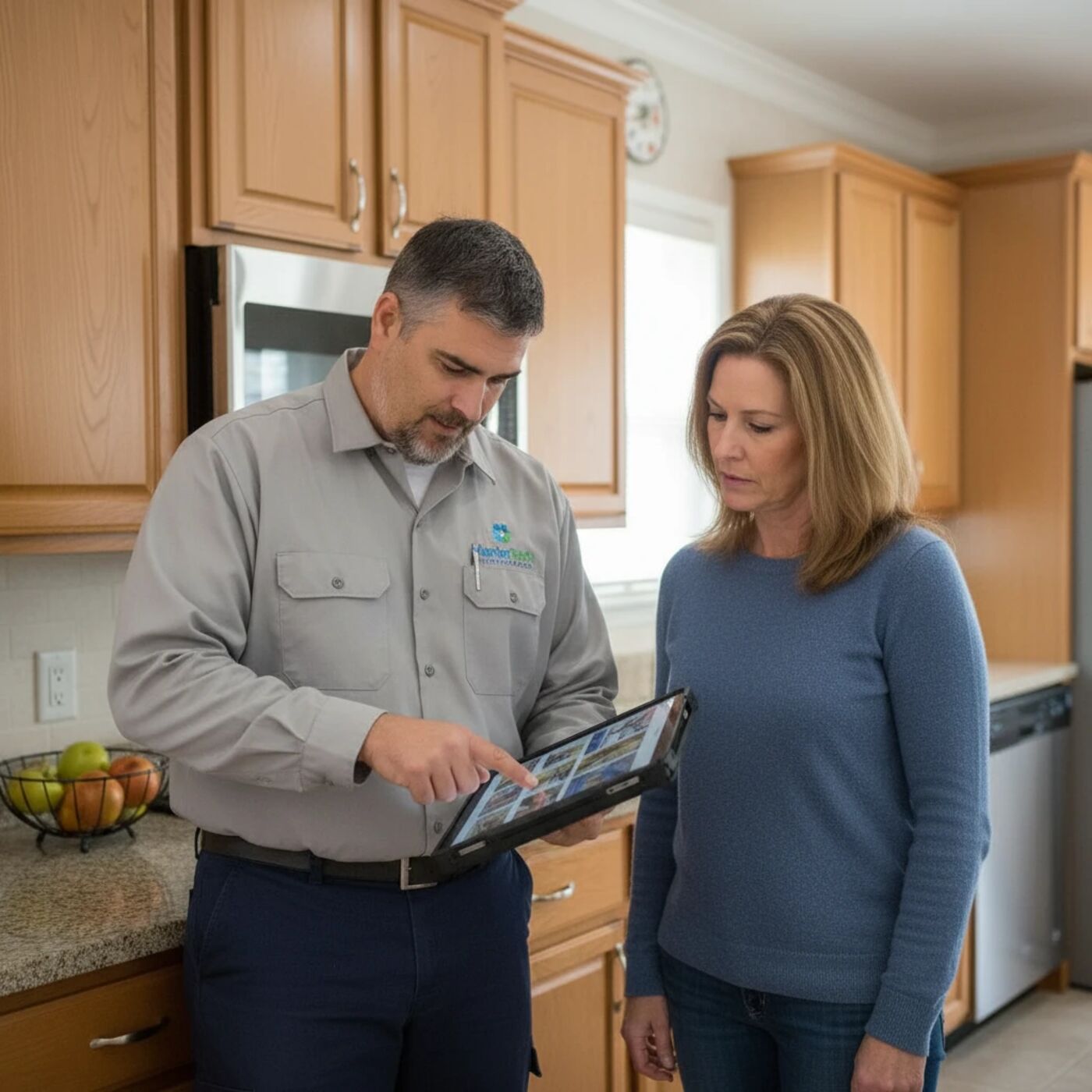
Inspections I do inside the city limits
Every one of these is available in the city at the same flat pricing as the rest of my service area, with no trip charge.
Basement Mold Inspection
Moisture readings, thermal imaging and air samples in finished and unfinished basements.
Learn more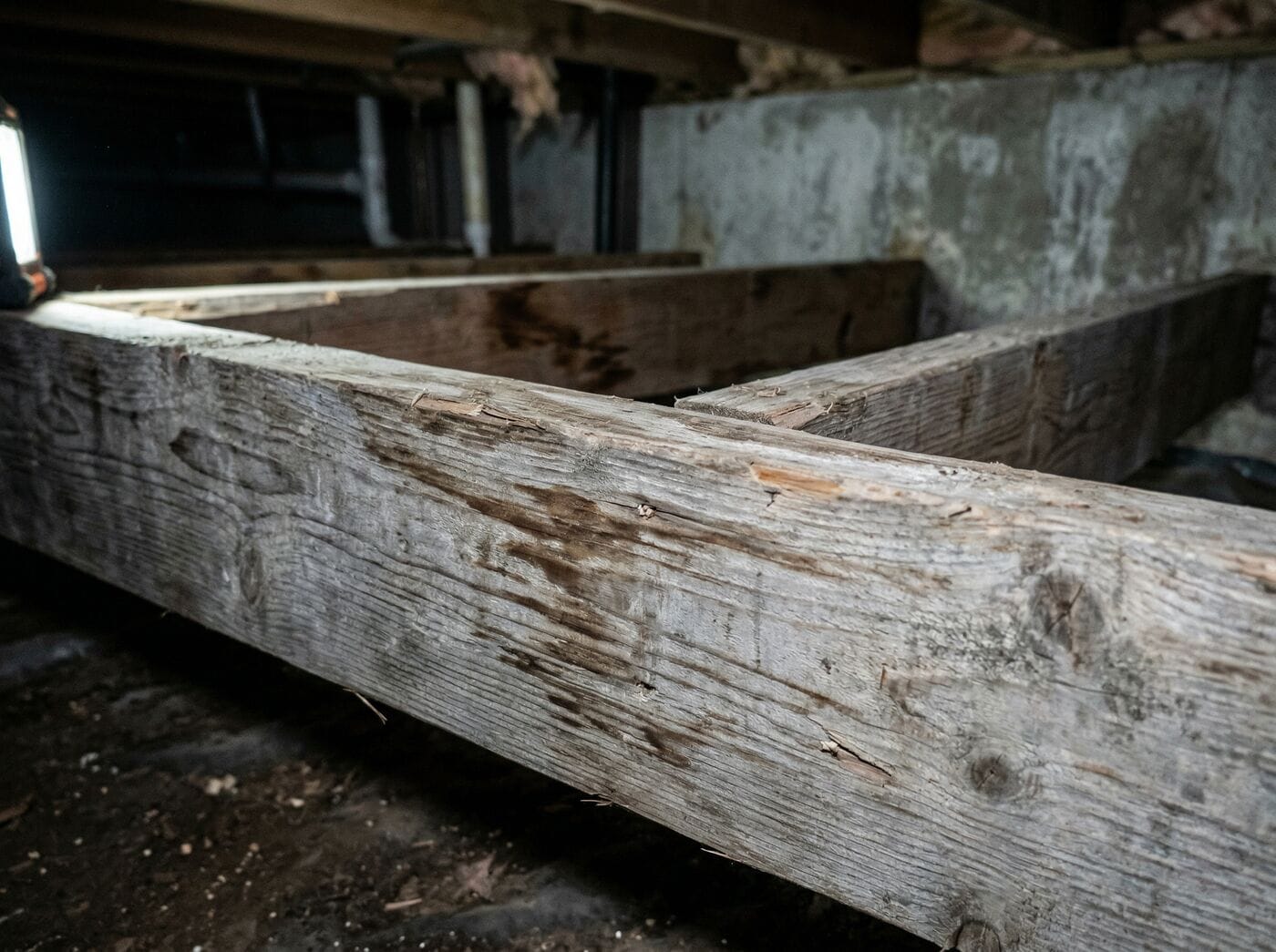
Crawl Space Mold Inspection
Joists, subfloor, vapor barrier and foundation walls in the space nobody looks at.
Learn more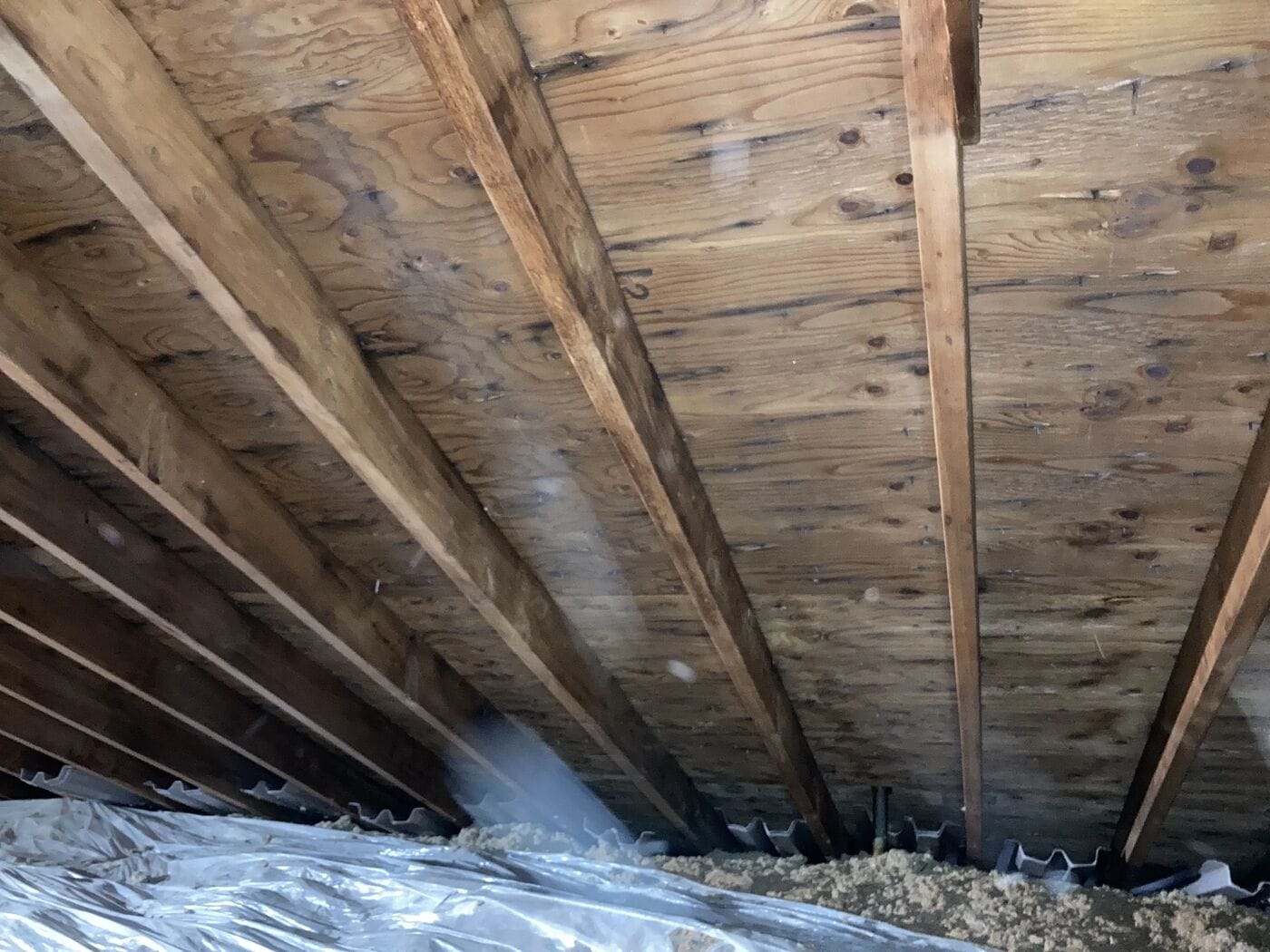
Attic Mold Inspection
Roof sheathing, rafters, bath fan venting and attic ventilation problems.
Learn more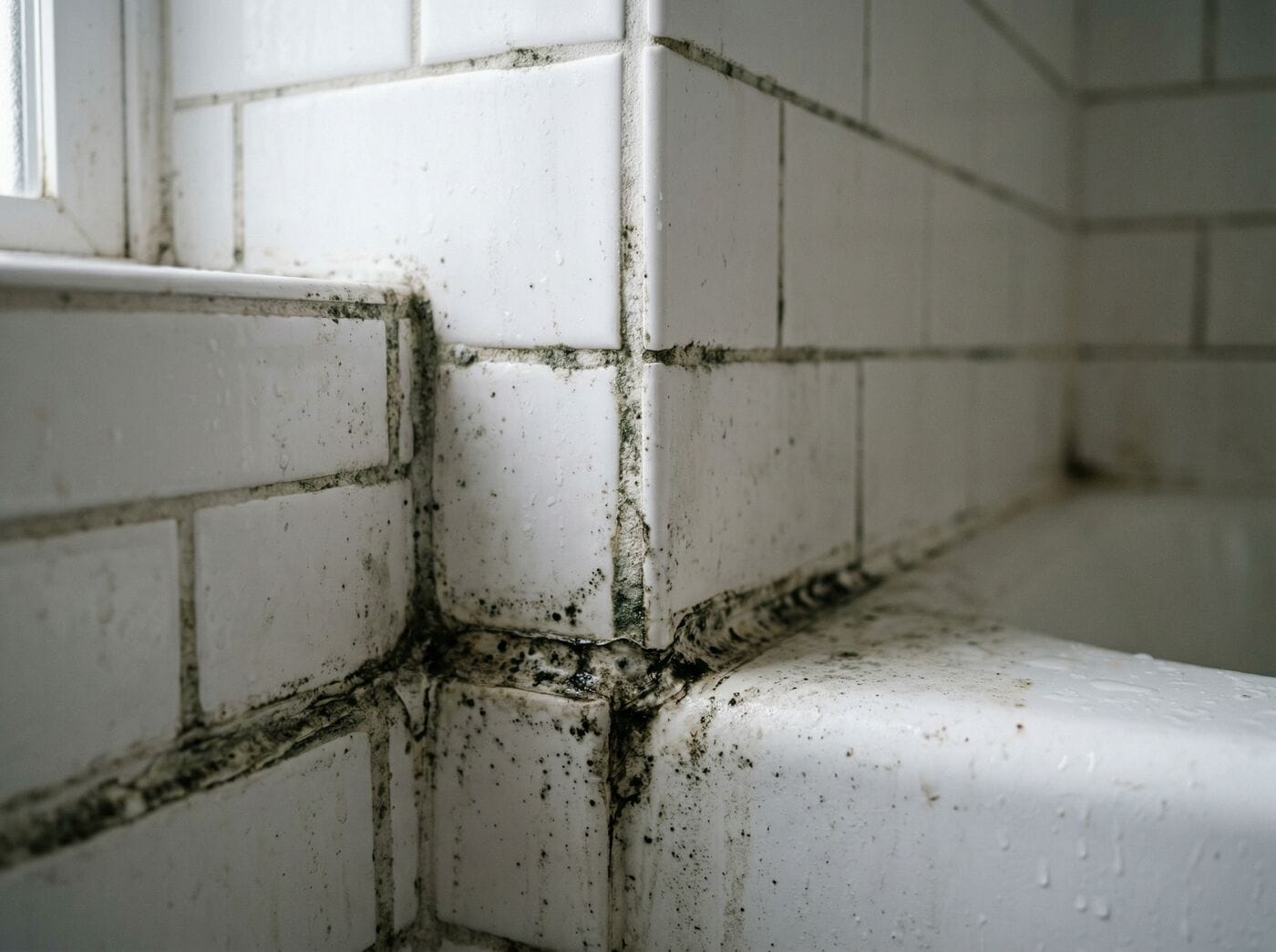
Bathroom Mold Inspection
Grout, under-sink cabinets, subfloor and exhaust fans in the dampest room in the house.
Learn more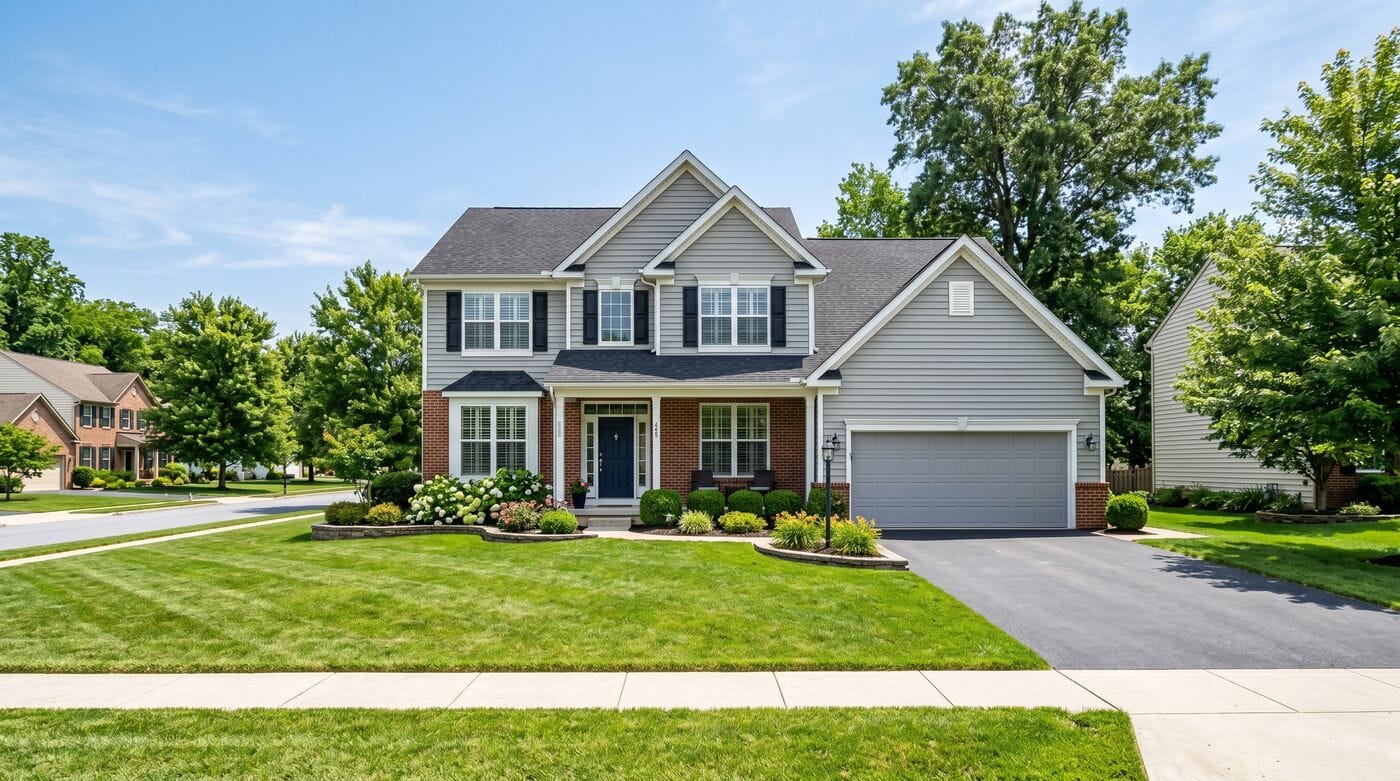
Real Estate Mold Inspection
Pre-purchase and pre-listing testing with a report in 1-2 business days.
Learn more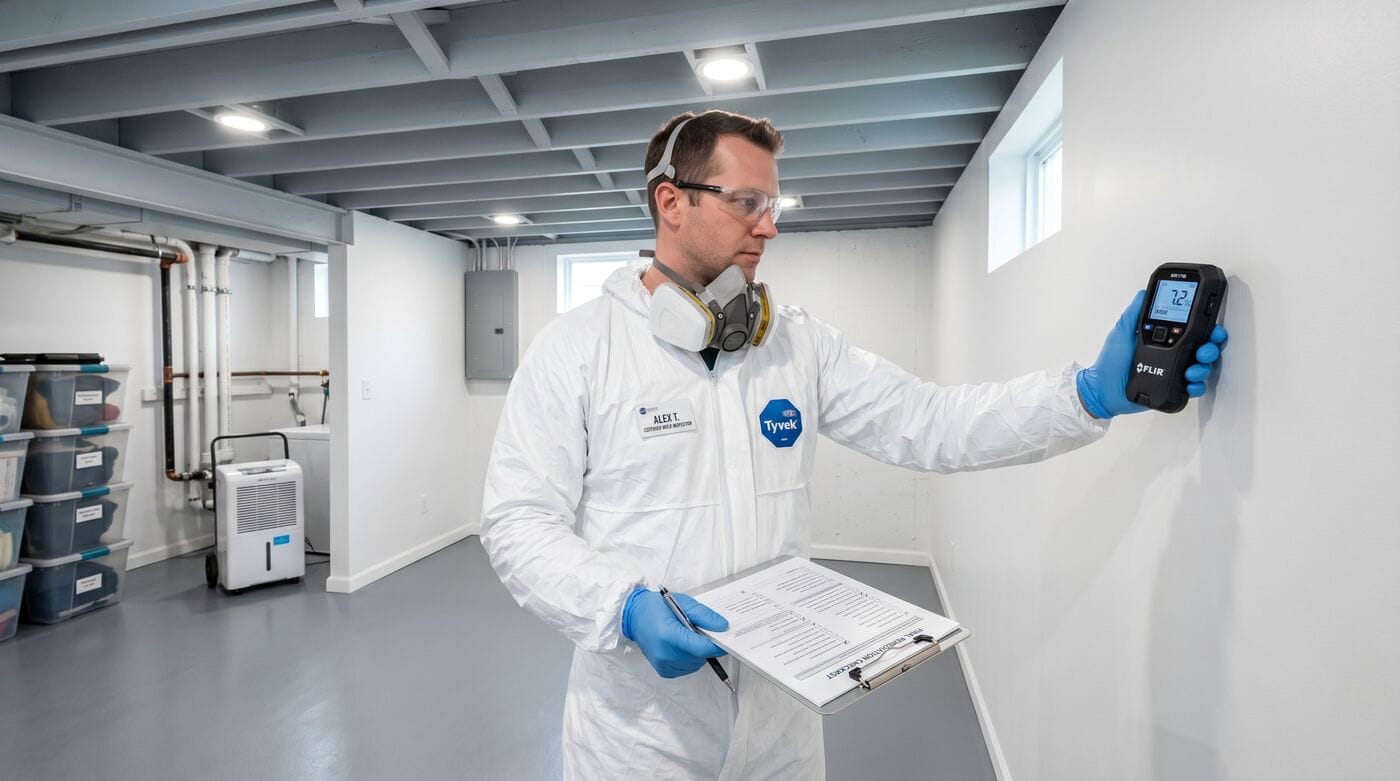
Mold Clearance Testing
Independent post-remediation verification after a remediation contractor finishes the work.
Learn more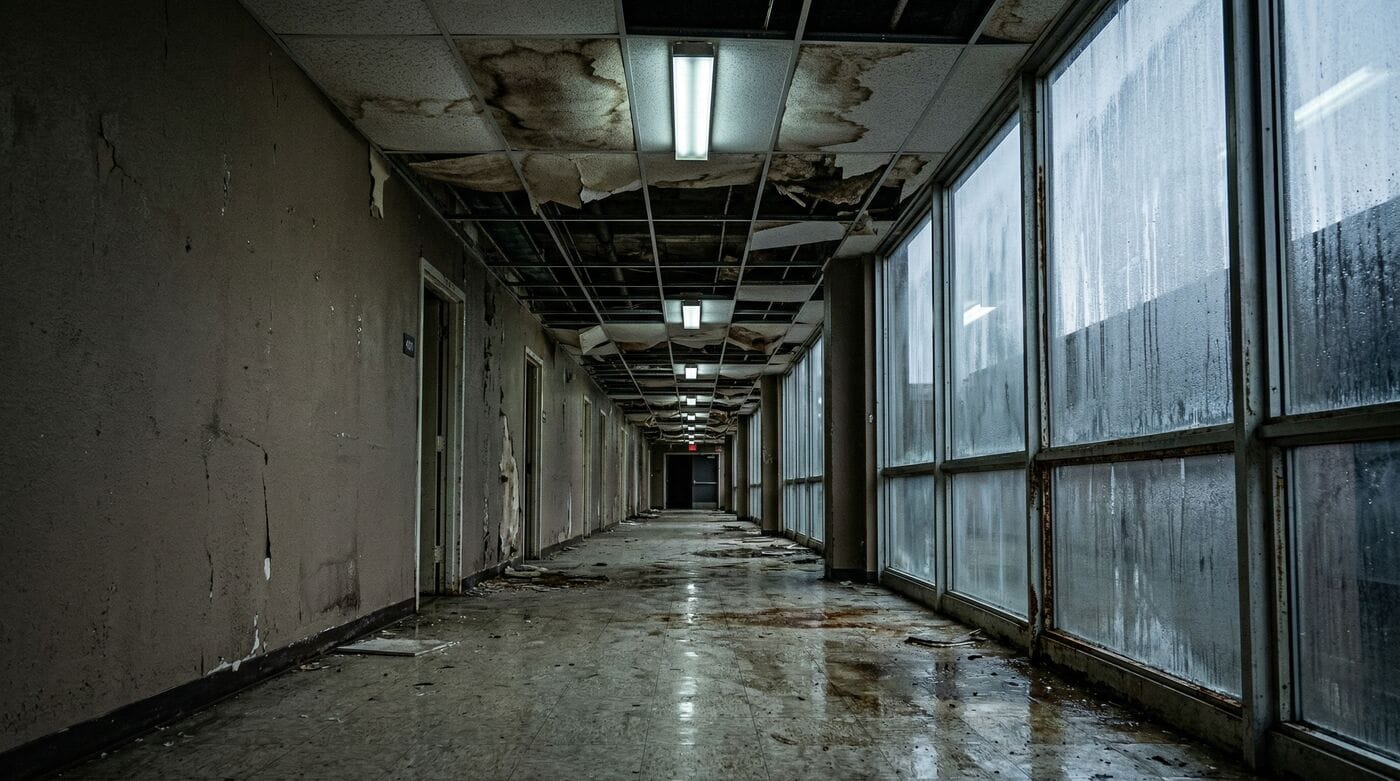
Commercial Mold Inspection
Offices, rentals, schools, restaurants and warehouses, with documentation you can file.
Learn more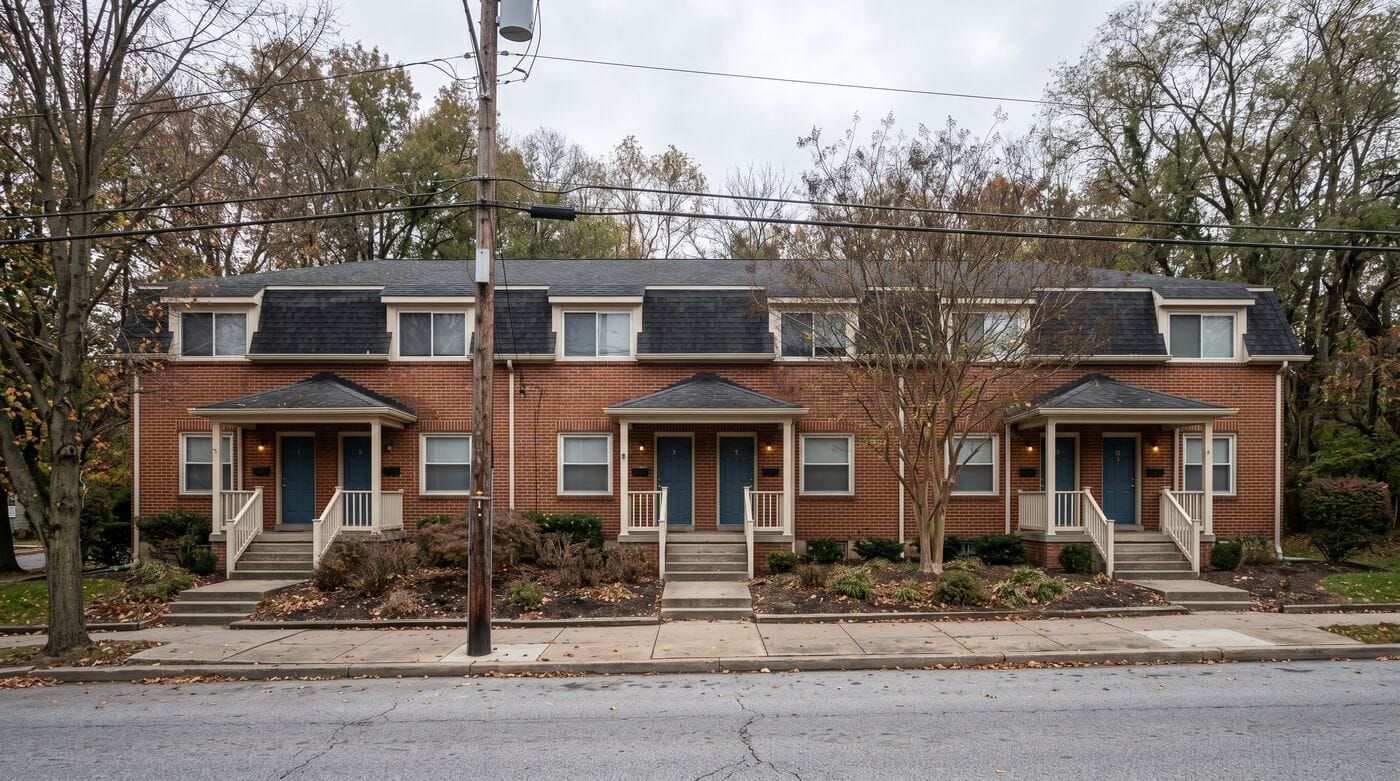
Landlord / Tenant Mold Inspection
Neutral third-party inspections and reports for rental disputes and code complaints.
Learn moreLooking for one thing in particular?
If you got here searching for one specific thing, these pages go straight at it — and everything on them applies in the city.
Mold inspection cost in York, PA
The flat price — $450 residential, $785 commercial — what it includes, and why free inspections cost more.
Read thisMold inspector near me
What a real inspection covers, what to ask before you hire, and why free ones cost more.
Read thisMold testing near me
Air, surface and ERMI testing explained, with what each one can and can't tell you.
Read thisAttic mold
Why attics in this climate grow mold on the sheathing, and how the testing answers it.
Read thisArticles about mold in York and York County
What I run into in York houses, written up from the inspections themselves.
Basement Mold in York, PA: What You Need to Know
York, PA — Basement Mold Resource
Read the articleBathroom Mold Testing& Inspectionin York, PA
Local, Trusted · York, PA
Read the articleCrawlspace Mold Testing & Inspection in York, PA
Musty air upstairs usually starts under the floor. What crawlspace mold inspection and testing in York, PA actually involves.
Read the articleWhat York homeowners, buyers and landlords say
Rated 5.0 from 5 Google reviews.
I could not recommend this business enough for mold inspections! If you're looking for quick turnaround, great communication and honest upfront service - this is your place. Tom was respectful, professional, and explained everything in great detail.
Truly the best! I can't say enough good things about Tom. I truly feel like I had someone I could count on by my side during this very stressful situation.
We had a great experience with Tom at Mastertech throughout this whole process. They took extra time to answer all of our questions and explained everything in a way that actually made sense.
York mold inspection questions
$450 residential, $785 commercial, both with 4 lab samples included. Extra samples are $85 each. Homes over approximately 2,500 square feet cost more and you'll have that number before anything gets scheduled. My shop is on 2400 Taxville Rd in York, so there's never a trip charge inside the city.
Where I work
I cover York and the towns around it — basically anything within about 7 miles of 2400 Taxville Rd, York, PA 17408, plus a good bit of York County beyond that. If you're close and don't see your town, call me anyway.
Based in York, not a call center
You reach me directly, and I'm the one who shows up and does the inspection. Most weeks I can be out within a couple of days, sooner if you're up against a closing date.