
Mold inspection and testing in Shiloh, PA
Shiloh sits in West Manchester Township just off Route 30, and the housing here is a different animal from the city — postwar and later subdivisions, ranchers, split-levels and two-stories built between roughly 1960 and 2000. The mold I find here is rarely a dramatic leak. It's condensation: cold buried walls, bath fans venting into attics, and air conditioning that cools without drying. Those are measurable problems with real fixes, and I'll tell you which one you have.
- — CMI certified, PMII, since 2010
- — $450 flat, 4 samples included
- — Thermal imaging and humidity readings included
- — Report in 1-2 business days
Why suburban houses in Shiloh grow mold without a leak
Out here the water usually isn't coming in from outside. It's already in the air inside the house, and it's condensing somewhere cold.
Shiloh isn't a borough — it's a census place inside West Manchester Township, spread along the Route 30 corridor west of the city. That matters for one practical reason: the housing stock is suburban and relatively young. Most of what I inspect here was built between the early 1960s and the late 1990s, on poured or block foundations, in subdivisions laid out on old farmland. There is very little stone, very little shared masonry and very few dirt cellars. What there is instead is a lot of houses built tight enough to hold humidity and vented badly enough to keep it.
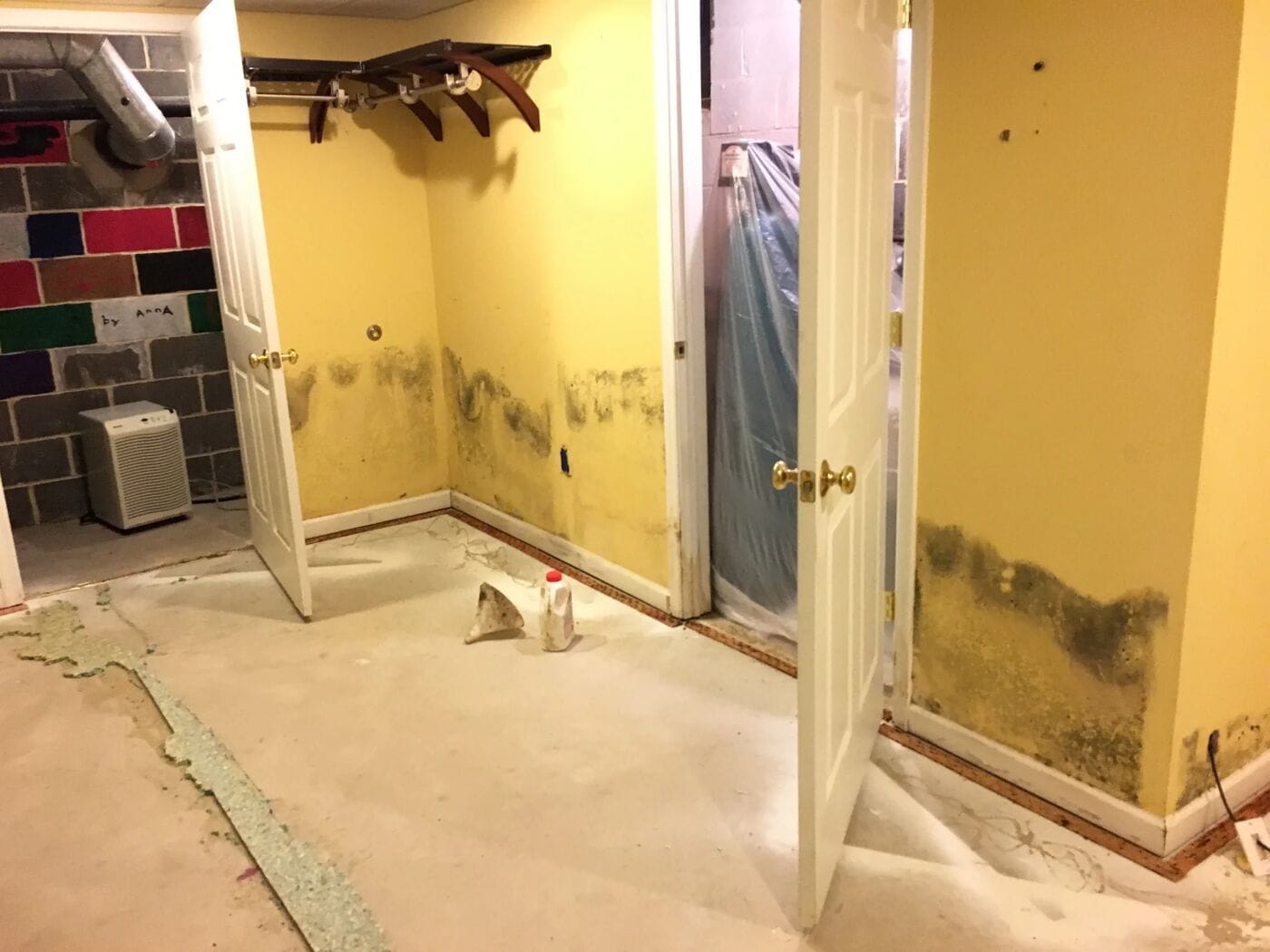
The split-level is the signature problem. In a split or bi-level, the lower level is cut into the grade so that one or two walls are in contact with soil while the rest of the house stands above it. Soil temperature at that depth stays in the fifties most of the year. Room air in July is in the seventies and carrying a lot of moisture. Put humid air against a cool wall and you get condensation — on the block, behind the drywall, under the carpet pad, inside the closet on the buried side. Homeowners tell me there's no leak, and they're right. There doesn't need to be one. I find this in Shiloh houses more than any other single mechanism, and it reads clearly on a meter and a thermal camera once you know to look for the temperature difference rather than a water stain.
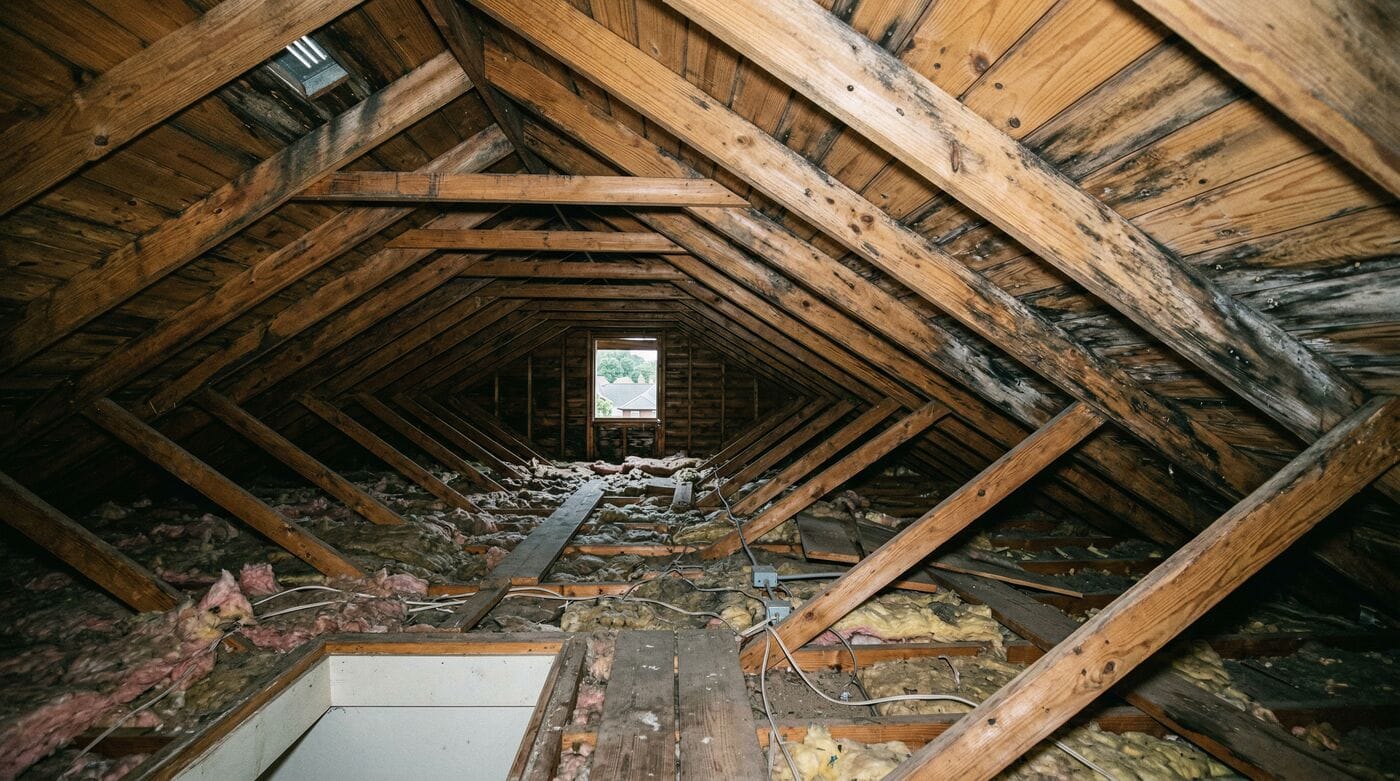
The second pattern is upstairs, in the attic. Ranchers and splits of this era were built with modest ventilation, and then at some point in the last few decades somebody added insulation over the attic floor, which reduces airflow further, and installed or replaced a bath fan. In house after house that fan terminates in the attic, in a soffit, or in a joist bay instead of outside the building. Every shower sends warm wet air into a cold space. In January you get frost on the nail heads and the underside of the sheathing; in the first thaw it melts into the insulation and the framing. After enough winters, the sheathing carries a dark band along the nail lines, and that is what people photograph and send me.
The third is mechanical, and it's the one people least expect. When the original air conditioner gets replaced, it very often gets replaced with a bigger one, on the theory that bigger is better. It isn't. An oversized system drives the thermostat to setpoint quickly and shuts off before the coil has run long enough to condense water out of the air. You end up with a house that's cold and humid simultaneously, which grows mold on exterior-wall closets, behind furniture and on north-facing corners. I take humidity readings room by room, and the pattern is usually obvious once it's written down.
Underneath all that, the ordinary things still happen: a sump pump that quit on a finished basement, thirty years of settled backfill that now pitches toward the house, downspout extensions pulled out when landscaping went in, a slow roof leak in a flat-roofed commercial unit along Route 30 that traveled twenty feet down a beam before anybody saw a stain.
The value of the inspection here is diagnostic rather than dramatic. I measure moisture, temperature and humidity, image the surfaces you can't see behind, and send samples to an independent accredited lab. Then the report tells you whether you're calling a roofer, an HVAC contractor, a waterproofer or nobody at all.
What I run into most in Shiloh
- Split-levels and bi-levels — the lower level is half below grade, which is a condensation problem, not usually a leak.
- 1960s-90s ranchers on poured or block foundations — walk-out basements at the back, buried walls at the front.
- Bath and kitchen fans vented into attics, soffits and joist bays instead of through the roof or wall.
- Oversized replacement HVAC — short cycles that cool the air without dehumidifying it, and ductwork run through an unconditioned attic.
- Subdivision grading that has settled — backfill drops a few inches over thirty years and the slope ends up running back at the house.
- Sump pumps in finished basements, some of them on their third pump and none of them on an alarm.
- Route 30 commercial and retail space — flat and low-slope roofs where a leak travels a long way before it stains a ceiling tile.
- Attic insulation added over original venting — more R-value, less airflow, and a sheathing problem nobody expected.
Tell me the address and the style of the house. I'll come back with timing and pricing.
When it's worth getting mold testing in Shiloh, PA
If any of this sounds like your house, a $450 inspection is cheaper than replacing an HVAC system you didn't need to replace.
A lower level that's cool and clammy in July
In a split-level, one or two walls are buried in the grade and the rest of the house isn't. Those buried walls run colder than the room air, humid air condenses on them, and the carpet and drywall stay damp with no leak anywhere.
A bath fan that ends in the attic
The most common defect in the ranchers and splits out here. Every shower for forty years has put warm wet air onto cold roof sheathing, and eventually you get a dark band along the nail lines.
New air conditioning and a damp house
An oversized system satisfies the thermostat before it removes any humidity. Cold and clammy at the same time, with growth on closet walls and exterior corners, is a sizing problem showing up as a mold problem.
Frost on the underside of the roof in January
If you've been in the attic in deep winter and seen frost or wet nail heads, that's condensation from the house below. It melts in the first thaw and soaks whatever's under it.
How a Shiloh mold inspection goes
Same process every time, whether it's a split-level lower level, an attic full of frost, or a retail unit off Route 30.
You call or text me
You get me, not a dispatcher. Tell me the style of the house — rancher, split, two-story — and what you're seeing. In Shiloh the house style narrows the likely cause down before I get in the truck.
I come out and look
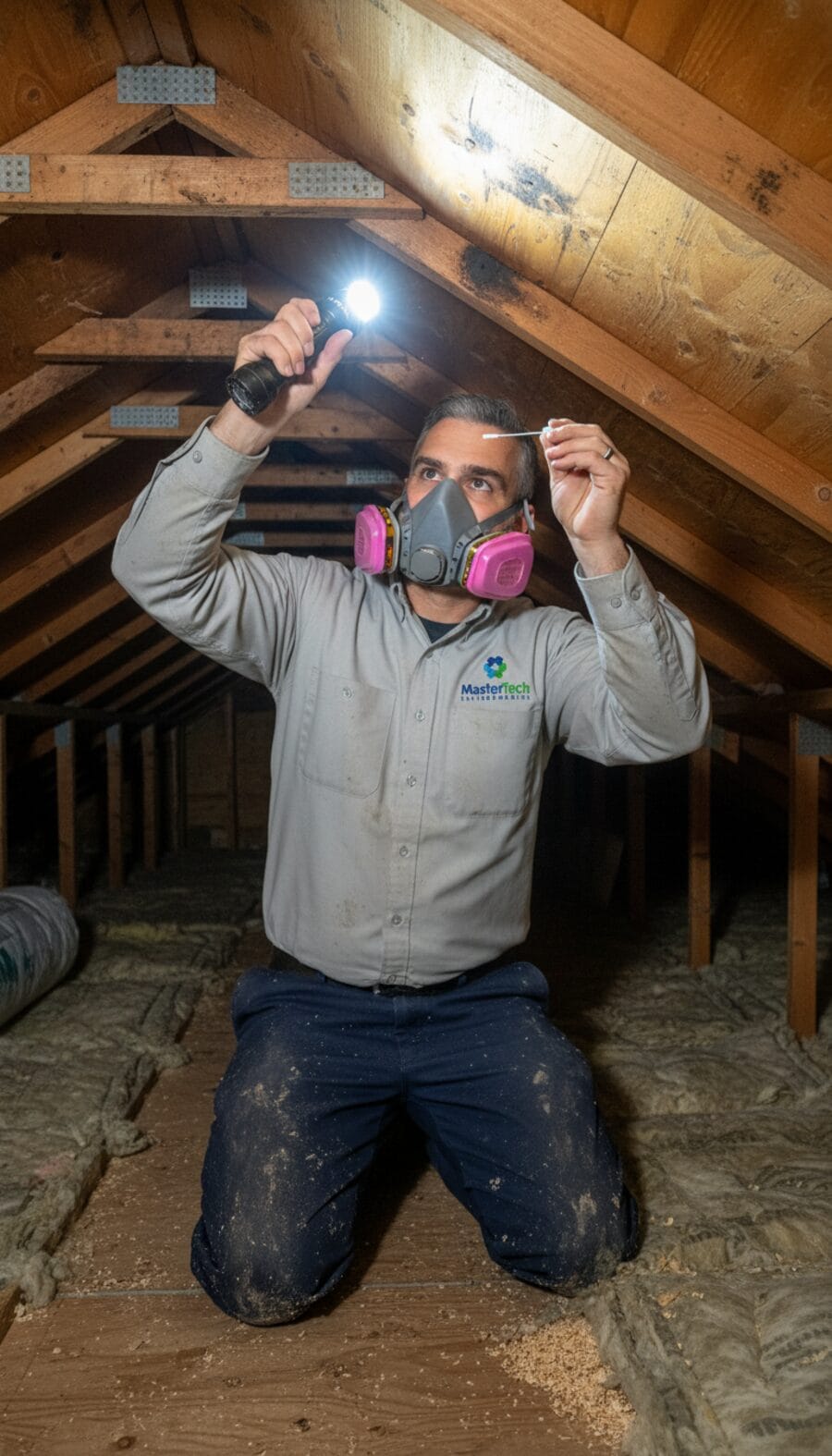
Sixty to ninety minutes for a typical home. Lower level and basement, the attic, the baths, the HVAC and any area you point me at. Moisture readings on framing, drywall and masonry, plus thermal imaging to find wet material and cold surfaces behind the finishes.
I sample where it answers a question
4 samples included. In a split I'll usually take one in the lower level, one on the main floor and one outdoors as a baseline, because the whole question is whether the lower level is affecting the rest of the house. Extras are $85 each, and I'll tell you before I take one.
The lab runs it
Independent accredited lab. I have no ownership in it, no cut of the findings, and no cleanup to sell on the strength of what it says.
You get the report
Written report in 1-2 business days: photos, moisture and humidity readings by area, lab results, my read on the mechanism — leak, ventilation or condensation — and what to do about it.
We go over it on the phone
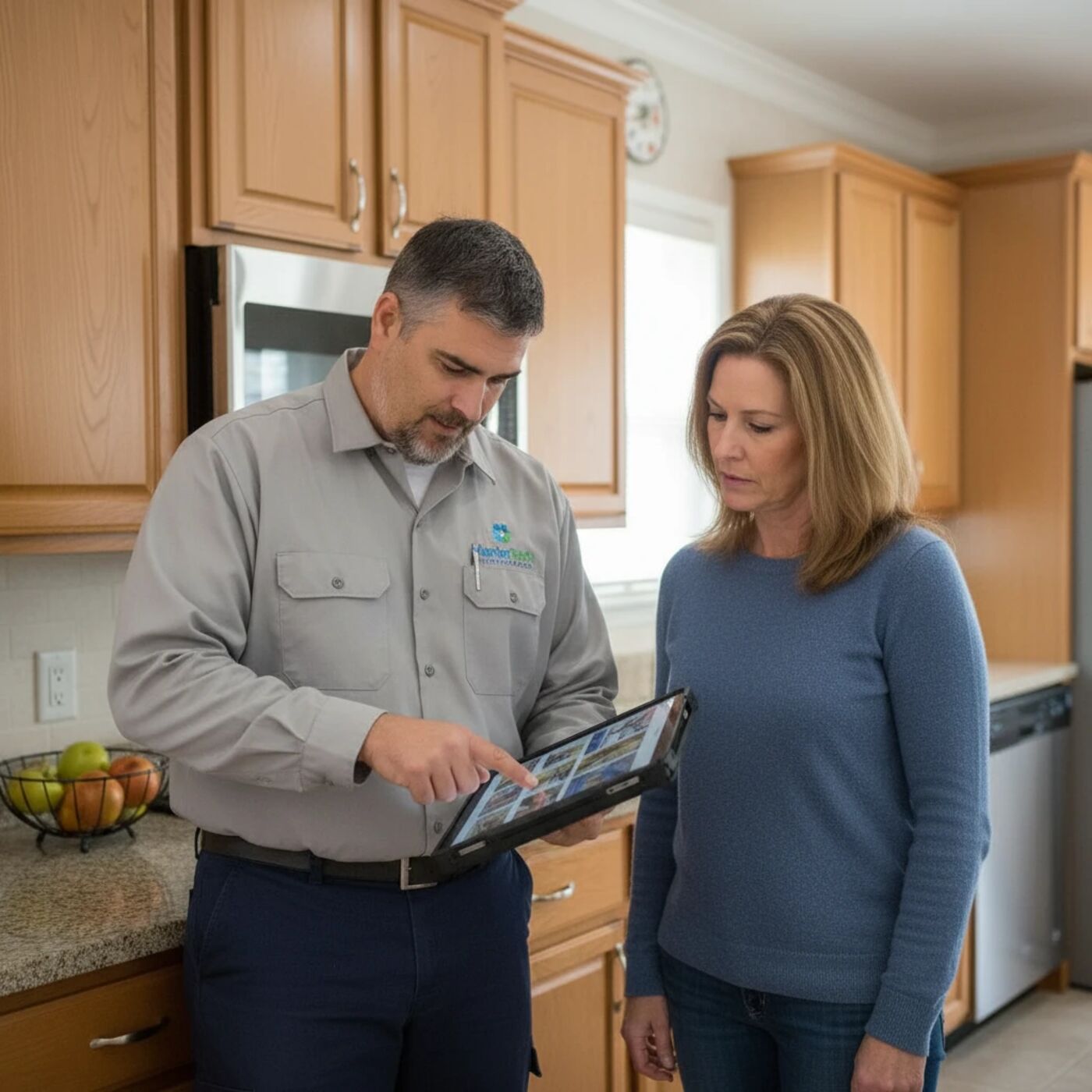
Plain English, and specific enough that an HVAC contractor or a roofer can quote from it without guessing at what you want done.
I don't do remediation, and that changes everything
A company that sells cleanup has a reason to call condensation a crisis. I don't have one either way.
- No remediation work sold, ever
- No referral fees from remediation or HVAC contractors
- No ownership stake in the lab that runs the samples
- I'll tell you when the fix is a $40 duct and not a $9,000 project
- Samples taken because a question needs answering, not to run up a bill
- If your Shiloh house tests clean, the report says clean
What a mold inspection costs in Shiloh, PA
Flat pricing, nothing hidden. Extra samples beyond the 4 included are $85 each. Lab results come back in 1-2 business days.
- Visual inspection of the areas of concern
- Thermal imaging
- Moisture meter readings
- 4 air or surface samples
- Accredited independent lab analysis
- Written report with photos and readings
- Phone walkthrough of the results
Covers properties or inspected areas up to approximately 2,500 sq ft. Larger properties may need more inspection time, more areas or more sampling, so the price can go up — I'll tell you the number before I come out.
Schedule a residential inspection- Visual inspection of the areas of concern
- Thermal imaging
- Moisture meter readings
- 4 air or surface samples
- Accredited independent lab analysis
- Written report with photos and readings
- Phone walkthrough of the results
Covers the extra reporting and square footage that comes with commercial buildings. Additional samples $85 each.
Schedule a commercial inspectionSee the report before you hire me
The inspection is only worth as much as the paperwork you're left holding. Mine lays out what I looked at, what I found, what the lab said, and what should happen next — in language you can hand to a contractor, a landlord, or a realtor.
- Inspection summary
- Lab sample results
- Moisture readings
- Area-by-area notes
- Photos of findings
- Recommendations
- Limitations
- Next steps
Mold inspection services in Shiloh, PA
Residential and commercial, at the same flat pricing as the rest of my service area, with no trip charge into West Manchester Township.
Basement Mold Inspection
Moisture readings, thermal imaging and air samples in finished and unfinished basements.
Learn more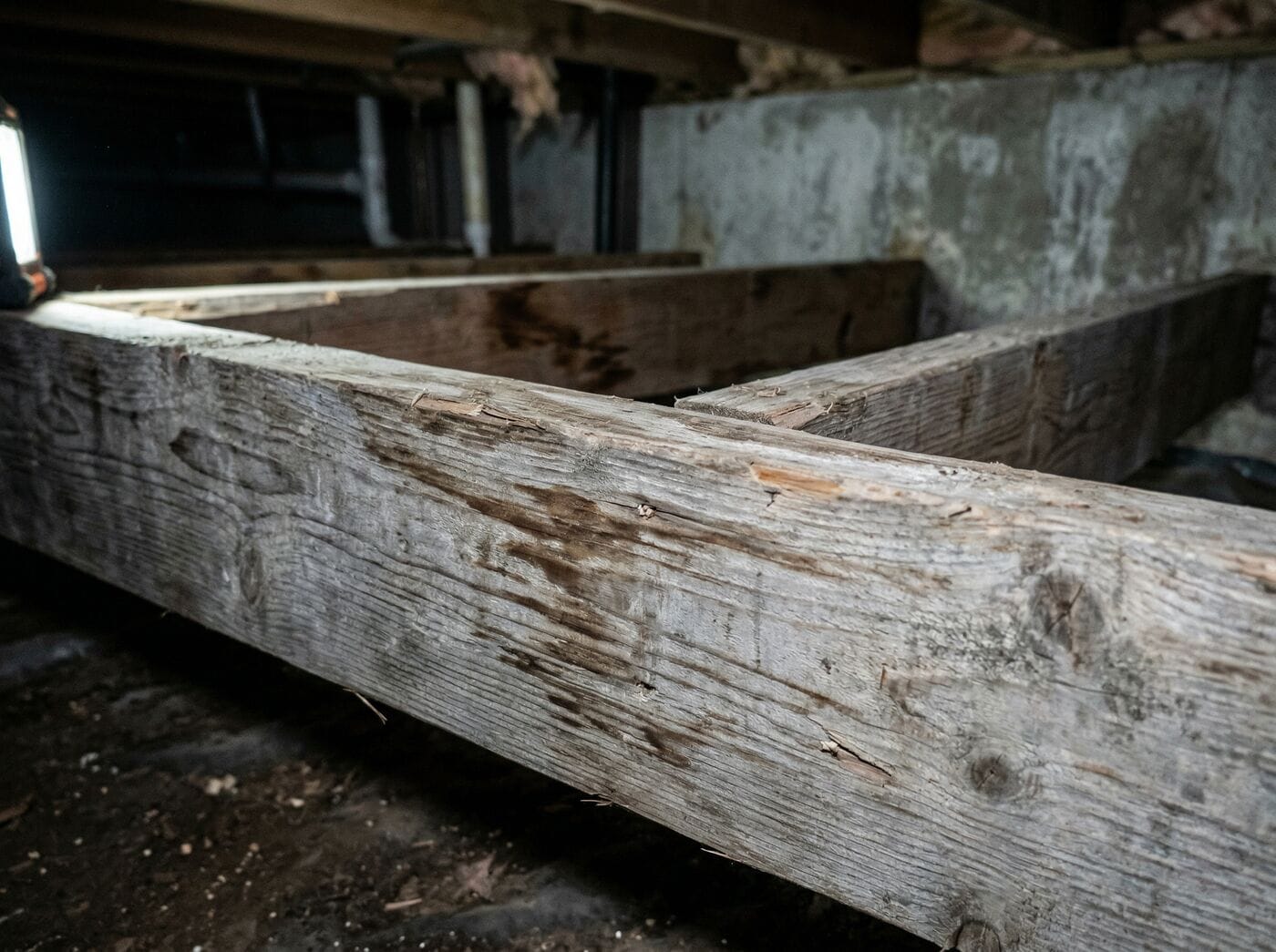
Crawl Space Mold Inspection
Joists, subfloor, vapor barrier and foundation walls in the space nobody looks at.
Learn more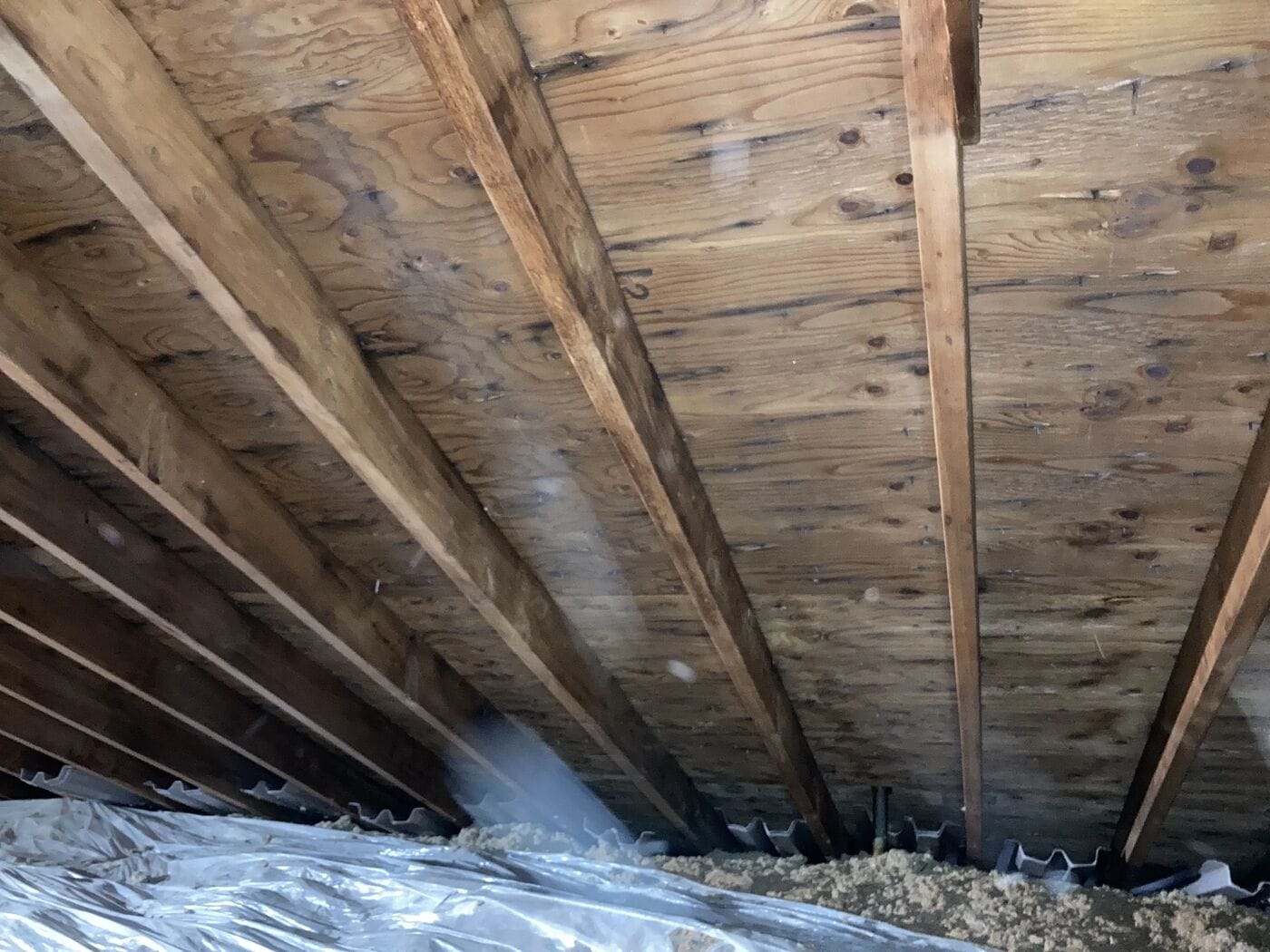
Attic Mold Inspection
Roof sheathing, rafters, bath fan venting and attic ventilation problems.
Learn more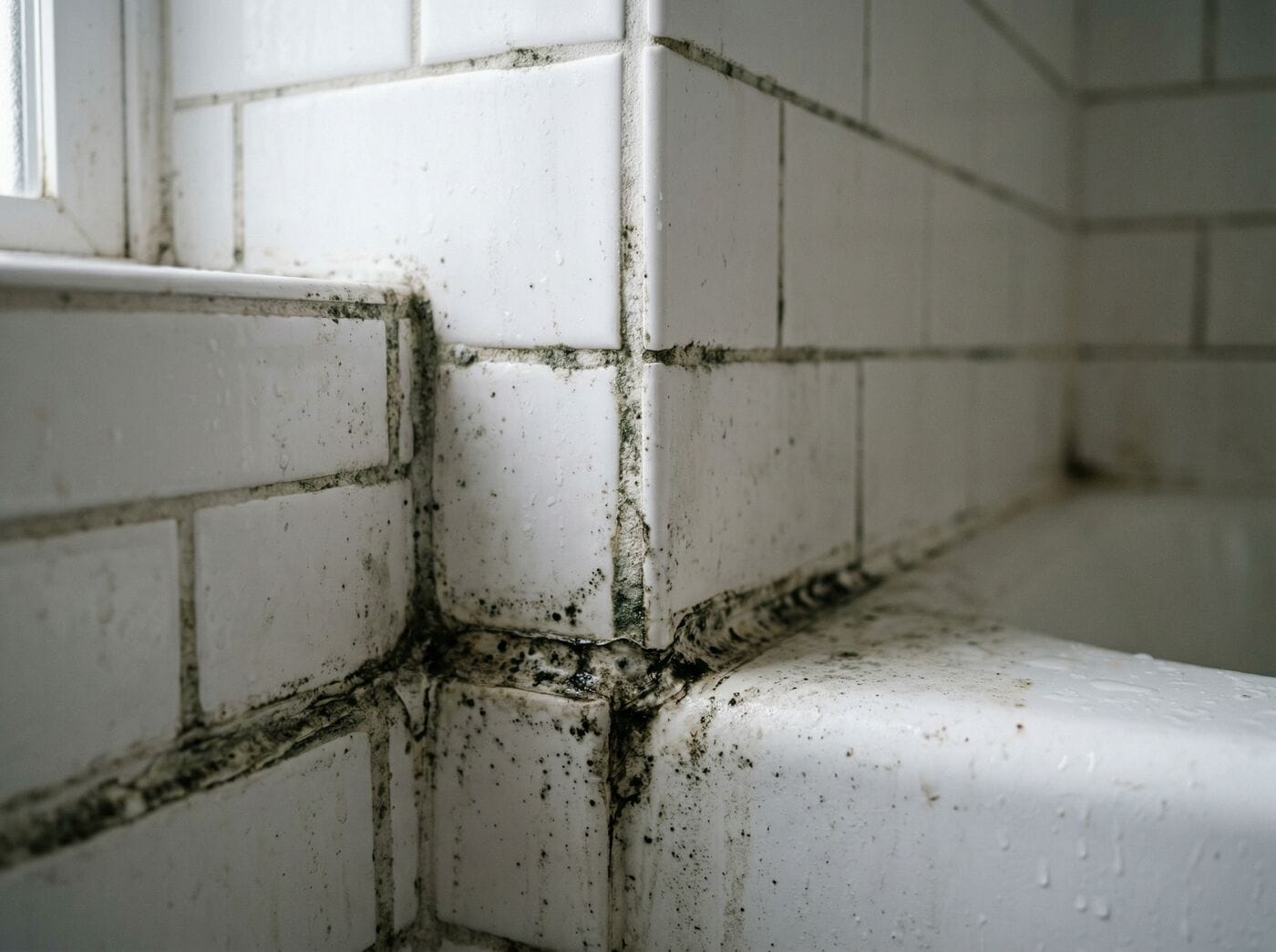
Bathroom Mold Inspection
Grout, under-sink cabinets, subfloor and exhaust fans in the dampest room in the house.
Learn more
Real Estate Mold Inspection
Pre-purchase and pre-listing testing with a report in 1-2 business days.
Learn more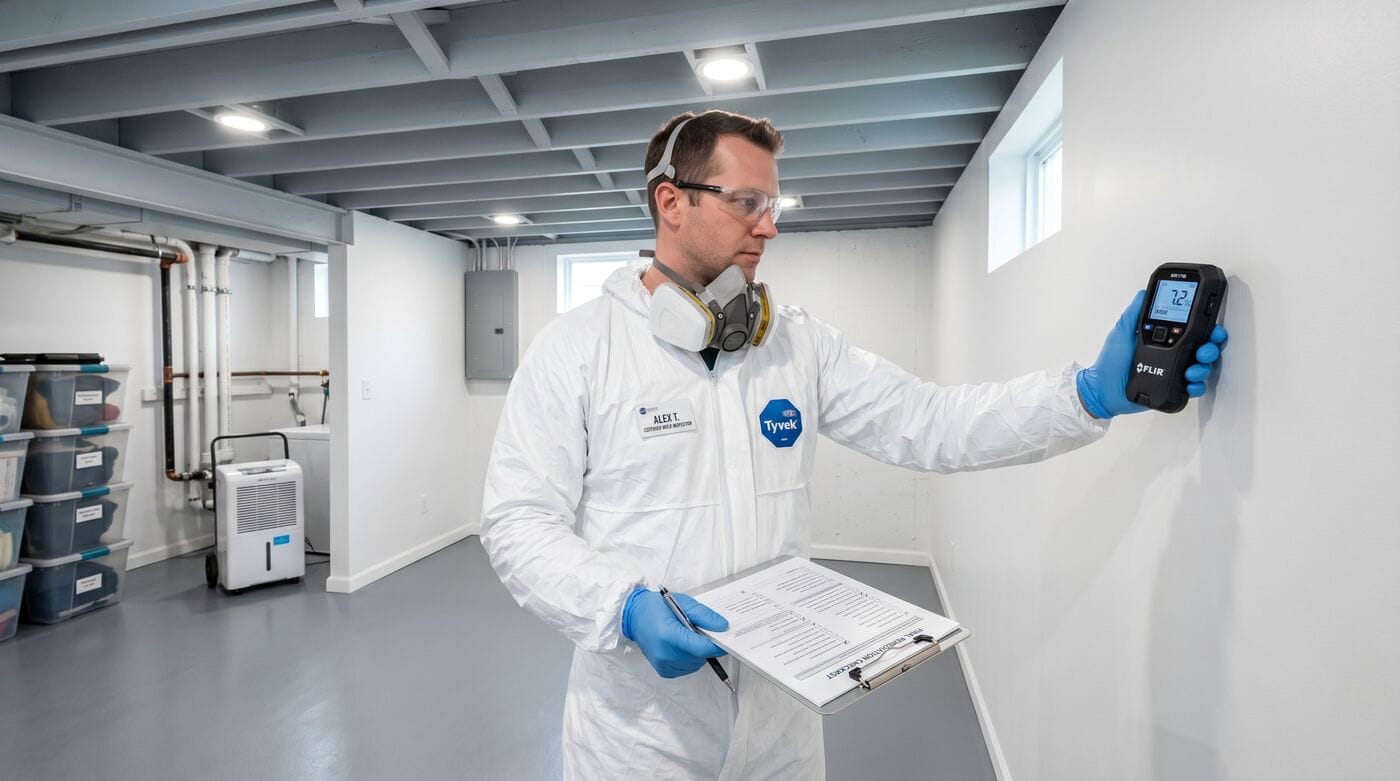
Mold Clearance Testing
Independent post-remediation verification after a remediation contractor finishes the work.
Learn more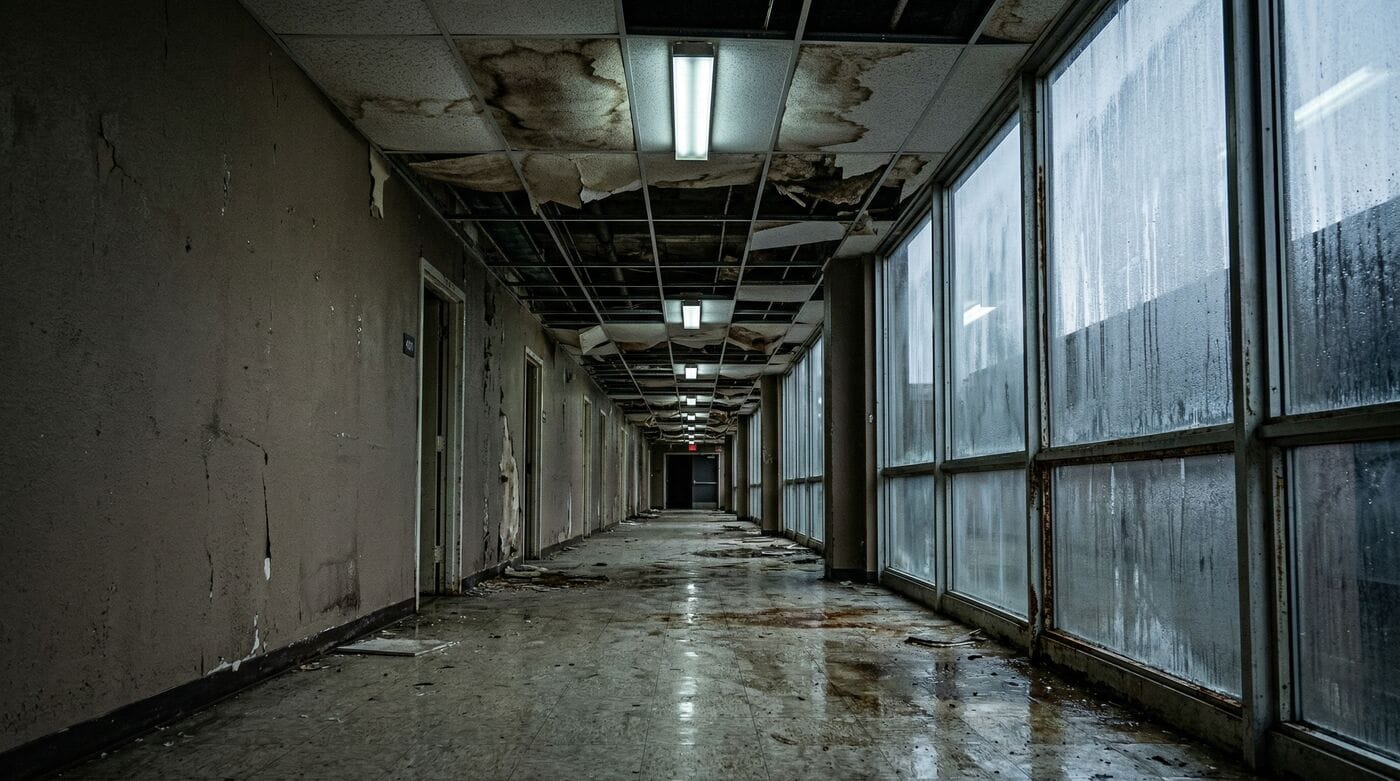
Commercial Mold Inspection
Offices, rentals, schools, restaurants and warehouses, with documentation you can file.
Learn more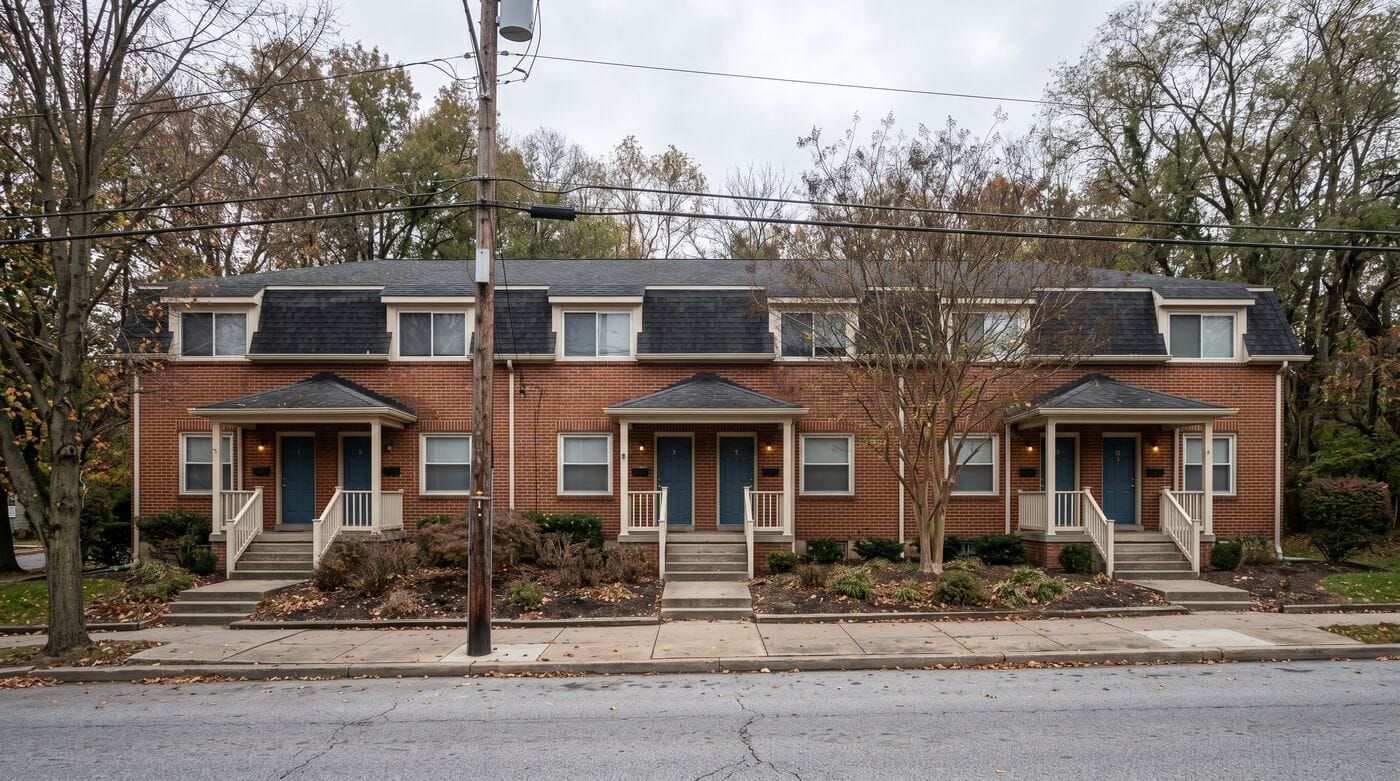
Landlord / Tenant Mold Inspection
Neutral third-party inspections and reports for rental disputes and code complaints.
Learn moreLooking for one thing in particular?
If you got here searching for something specific, these pages go straight at it.
Mold inspection cost in York, PA
The flat price — $450 residential, $785 commercial — what it includes, and why free inspections cost more.
Read thisMold inspector near me
What a real inspection covers, what to ask before you hire, and why free ones cost more.
Read thisMold testing near me
Air, surface and ERMI testing explained, with what each one can and can't tell you.
Read thisAttic mold
Why attics in this climate grow mold on the sheathing, and how the testing answers it.
Read thisArticles about attic, basement and HVAC moisture
The condensation problems I find in suburban houses, written up from the inspections.
Summer Humidity & Indoor Air Quality in PA Homes
Pennsylvania summers bring high humidity, warm temperatures, and conditions that are nearly ideal for mold growth. Understanding how summer humidity affects your home's indoor air quality is the first step to protecting your family's health.
Read the articleWhy Dehumidifiers Help (and When They Don't)
Dehumidifiers are one of the most commonly recommended tools for basement and crawl space moisture - and one of the most commonly misused. Here's an honest look at what they can and can't do.
Read the articleWinter Condensation & Ventilation Problems
Many homeowners are surprised to discover mold in winter - a season they assume is too cold for mold growth. But condensation from poor ventilation creates ideal mold conditions in attics, crawl spaces, and on exterior walls throughout the cold months.
Read the articleWhat Shiloh and West Manchester Township homeowners say
Rated 5.0 from 5 Google reviews.
I could not recommend this business enough for mold inspections! If you're looking for quick turnaround, great communication and honest upfront service - this is your place. Tom was respectful, professional, and explained everything in great detail.
Truly the best! I can't say enough good things about Tom. I truly feel like I had someone I could count on by my side during this very stressful situation.
We had a great experience with Tom at Mastertech throughout this whole process. They took extra time to answer all of our questions and explained everything in a way that actually made sense.
Shiloh mold inspection questions
$450 residential, $785 commercial, with 4 lab samples in both. Extra samples run $85. Homes over approximately 2,500 square feet cost more and you'll have that number before anything is scheduled. Shiloh sits inside West Manchester Township, well within my normal area, so there's no trip charge.
Where I work
I cover York and the towns around it — basically anything within about 7 miles of 2400 Taxville Rd, York, PA 17408, plus a good bit of York County beyond that. If you're close and don't see your town, call me anyway.
Based in York, not a call center
You reach me directly, and I'm the one who shows up and does the inspection. Most weeks I can be out within a couple of days, sooner if you're up against a closing date.