
Mold inspection and testing in Hellam Township, PA
Hellam Township goes back to 1739 and a lot of it is still rural — farmhouses, converted outbuildings, wells and septic, and properties in the hills above the Susquehanna. The mechanisms out here are not the suburban ones. Springs and seasonal groundwater move through stone foundations, crawl spaces sit on bare soil, and outbuildings were added across two centuries with no consistent plan for drainage. I measure what is actually wet and tell you which part is worth spending money on.
- — CMI certified, PMII, since 2010
- — $450 flat for standard residential, 4 samples included
- — Thermal imaging and humidity readings included
- — Report in 1-2 business days
Rural buildings fail differently than suburban ones
Bare-soil crawl spaces, spring water through stone, and well plumbing that sweats — none of which show up in a subdivision.
Hellam Township is one of York County's original townships, laid out in 1739, and it still looks it. It runs east from the edge of the city to the Susquehanna, wraps around Hallam borough, and holds a lot of open ground: working farms, old farmhouses, barns and outbuildings that have been converted to something else, and houses tucked into the hills above the river. There are newer subdivision pockets near Hallam and Wrightsville, but most of the calls I take from this township are about a building that predates modern moisture control by a century or two.
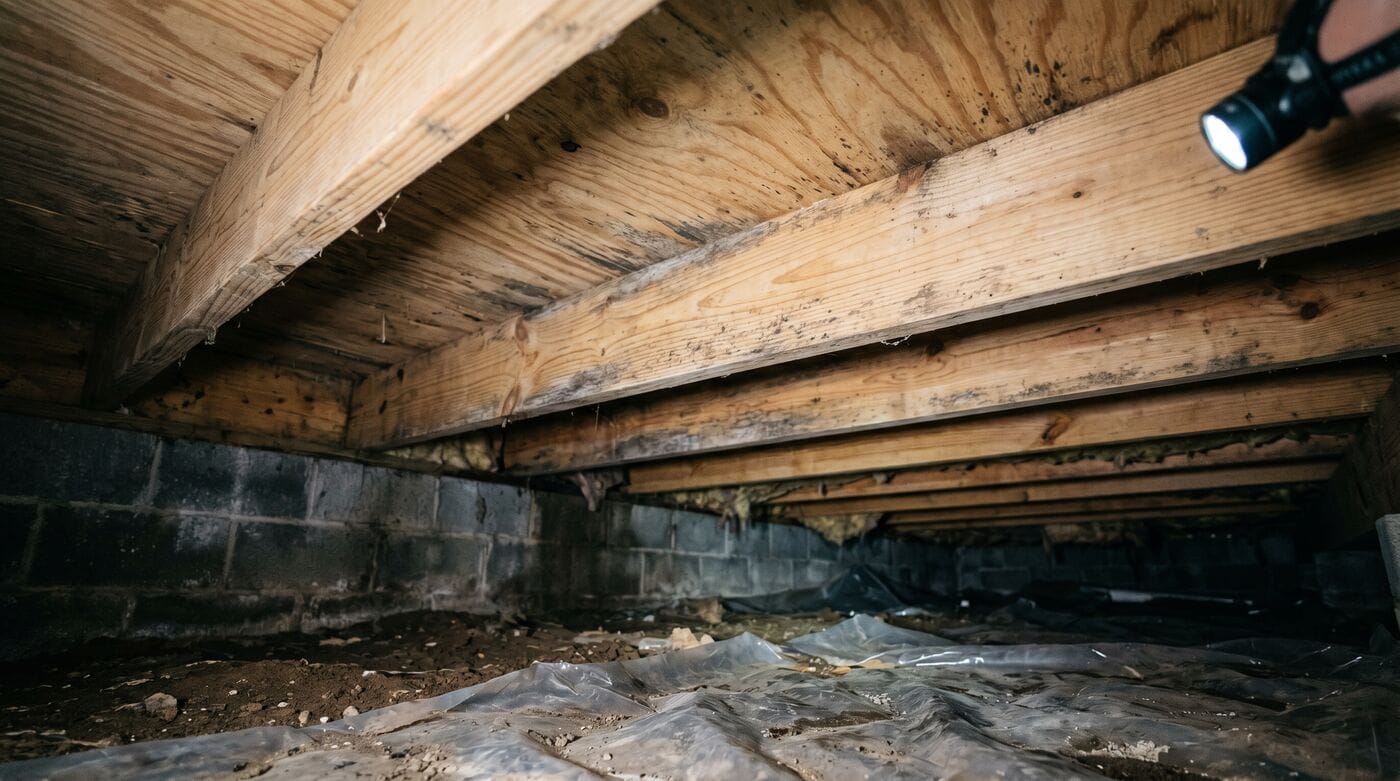
The highest-yield thing I find out here is a crawl space on bare soil. It sounds minor and it is not. Exposed earth under a house releases moisture continuously — enough, over a day, to measure in gallons — and that moisture goes exactly where you would expect: into the joists, into the subfloor, into the insulation if there is any, and into the air of the house above through every penetration in the floor. When I put a meter on floor framing over a dirt crawl the readings are routinely in the range that supports growth, while the homeowner has never seen a drop of water. A vapor barrier, properly lapped and turned up the walls, plus a decision about whether the crawl is vented or sealed, is frequently the single most effective repair on the whole property, and it is not an expensive one.
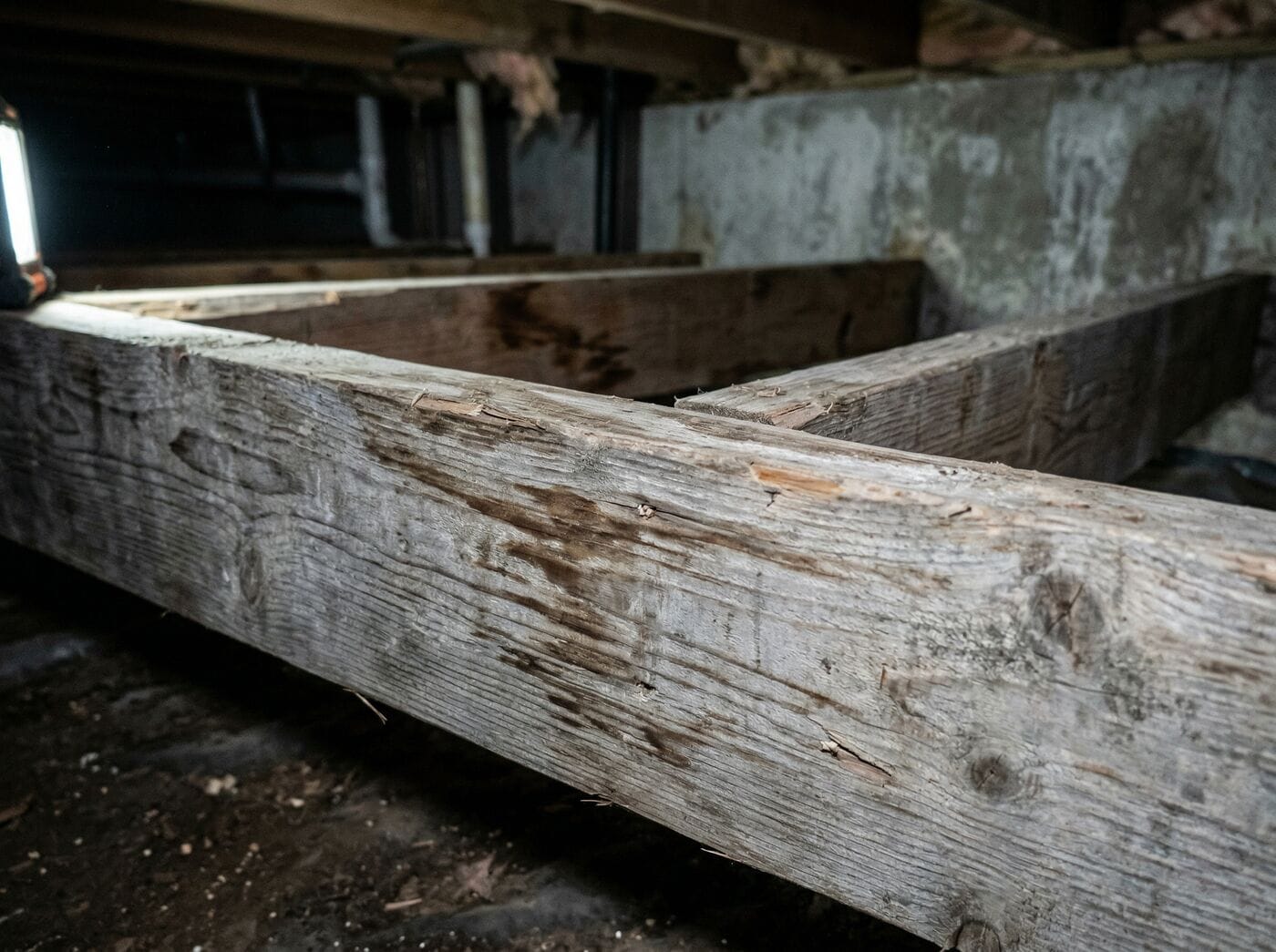
Stone foundations are the second pattern, and they need a bit of honesty rather than alarm. A three-hundred-year-old building technique is going to move moisture through masonry — that is what rubble stone and lime mortar do. In the hills above the river, seasonal high water and actual springs make it worse at predictable times of year, and I have crawled cellars out here where water was visibly moving through the wall in April and the same wall was dry in September. What matters is not whether the stone is damp. It is whether wet material is supporting growth and whether any of it reaches the living space. Readings plus a paired air sample answer that in one visit. Sometimes the honest answer is that the cellar is damp, nothing is growing, and you should spend the money on gutters and grading instead of a foundation system.
Well plumbing is the third, and it is the one people never suspect. Most properties out here are on private wells. Well water comes out of the ground cold, and an uninsulated pressure tank plus uninsulated copper running through a humid basement or crawl space condenses all summer long. That condensate drips steadily onto a joist, a subfloor, a shelf or a stack of stored boxes and keeps a small area permanently wet. There is no leak to find, which is why it goes on for years. The repair is pipe insulation and a tank jacket. I look at the water quality question as somebody else's trade, but I look hard at where well plumbing is putting water.
Converted outbuildings are the fourth. A bank barn, a springhouse, a summer kitchen or a garage that has been turned into an office, an apartment or a shop was never built to be a conditioned space. When somebody insulates and heats it without addressing vapor control, the assembly starts condensing inside the wall where nobody can see it. I read those buildings the same way I read a house, and the findings are usually about the conversion rather than the original structure.
Because properties here vary so much in size, I quote before scheduling. Standard residential is $450 flat with 4 lab samples. Anything over about 2,500 square feet, or a property where I need to cover outbuildings as well as the house, costs more and takes longer — and you get that number on the phone, not on the invoice. What does not change is that I have nothing to sell beyond the inspection: no remediation, no referral fees, no ownership in the lab.
What I run into most in Hellam Township
- A large rural township dating to 1739, with farmhouses, converted outbuildings and hillside properties above the Susquehanna.
- Stone and rubble foundations moving seasonal groundwater and spring water through the masonry.
- Crawl spaces on bare soil with no vapor barrier or a failed one.
- Private wells and septic, with uninsulated pressure tanks and cold lines that sweat all summer.
- Outbuildings, summer kitchens and additions built across decades with no consistent drainage approach.
- Larger properties where a full inspection takes longer than a suburban house.
- Newer subdivision homes near Hallam and Wrightsville with the usual ventilation defects.
- Transaction inspections for Eastern York school district sales.
Tell me the address, the approximate size and whether you're on a well. I'll come back with timing and a firm price.
When to get mold testing in Hellam Township, PA
If any of this sounds like your property, a $450 inspection is cheaper than guessing.
A crawl space with bare dirt and no vapor barrier
Exposed soil can put gallons of water a day into a crawl space. It goes straight into the joists, the subfloor and the air of the house above.
A stone foundation that runs wet in spring
Seasonal high water and hillside springs move through rubble masonry. Whether it matters depends on what is touching the wall and whether the air reaches you.
A sweating pressure tank or uninsulated well lines
Cold well water drips continuously onto framing and stored material all summer. Nobody reports it as a leak, and it grows mold for years.
A converted outbuilding or barn space in use as living area
Those assemblies were never built as a thermal envelope. Insulating and heating them without vapor control is how you get condensation inside a wall.
How a Hellam Township mold inspection goes
Longer on a rural property than a suburban one, and the crawl space and well plumbing get real attention.
You call or text me
You reach me directly. Tell me the square footage, whether there's a crawl space or a stone cellar, and whether the property is on a well — that sets both the timing and the price.
I quote larger properties up front
Standard residential is $450. Properties over approximately 2,500 square feet take longer and can cost more, and I tell you the number before we schedule rather than after I arrive.
I walk the whole property
House, crawl, cellar, attic, additions and outbuildings in use. Moisture readings on masonry, joists and subfloor, humidity readings space by space, and thermal imaging throughout.
I check the well plumbing
Pressure tank, cold lines and whatever sits under them. Condensation off well plumbing is one of the most consistently missed causes of chronic localized mold in rural York County.
I sample where it answers a question
4 lab samples included — usually the crawl or cellar, the living space and an outdoor control. Extras are $85.
You get the report and we talk
Written report in 1-2 business days: photos, readings by area, lab results against the control, the mechanism named, and a fix list a contractor can quote from.
No remediation, no referral fees, no stake in the lab
An old stone cellar is the easiest thing in this county to frighten somebody about. I have no reason to.
- No remediation work sold, ever
- No referral fees from remediation, waterproofing or HVAC contractors
- Independent accredited lab I have no ownership in
- Larger properties quoted before scheduling, not after
- If your Hellam Township property tests clean, the report says clean
What a mold inspection costs in Hellam Township, PA
Flat pricing, nothing hidden. Extra samples beyond the 4 included are $85 each. Lab results come back in 1-2 business days.
- Visual inspection of the areas of concern
- Thermal imaging
- Moisture meter readings
- 4 air or surface samples
- Accredited independent lab analysis
- Written report with photos and readings
- Phone walkthrough of the results
Covers properties or inspected areas up to approximately 2,500 sq ft. Larger properties may need more inspection time, more areas or more sampling, so the price can go up — I'll tell you the number before I come out.
Schedule a residential inspection- Visual inspection of the areas of concern
- Thermal imaging
- Moisture meter readings
- 4 air or surface samples
- Accredited independent lab analysis
- Written report with photos and readings
- Phone walkthrough of the results
Covers the extra reporting and square footage that comes with commercial buildings. Additional samples $85 each.
Schedule a commercial inspectionSee the report before you hire me
The inspection is only worth as much as the paperwork you're left holding. Mine lays out what I looked at, what I found, what the lab said, and what should happen next — in language you can hand to a contractor, a landlord, or a realtor.
- Inspection summary
- Lab sample results
- Moisture readings
- Area-by-area notes
- Photos of findings
- Recommendations
- Limitations
- Next steps
Mold inspection services in Hellam Township, PA
Residential, agricultural and commercial buildings, with larger properties quoted before we schedule.
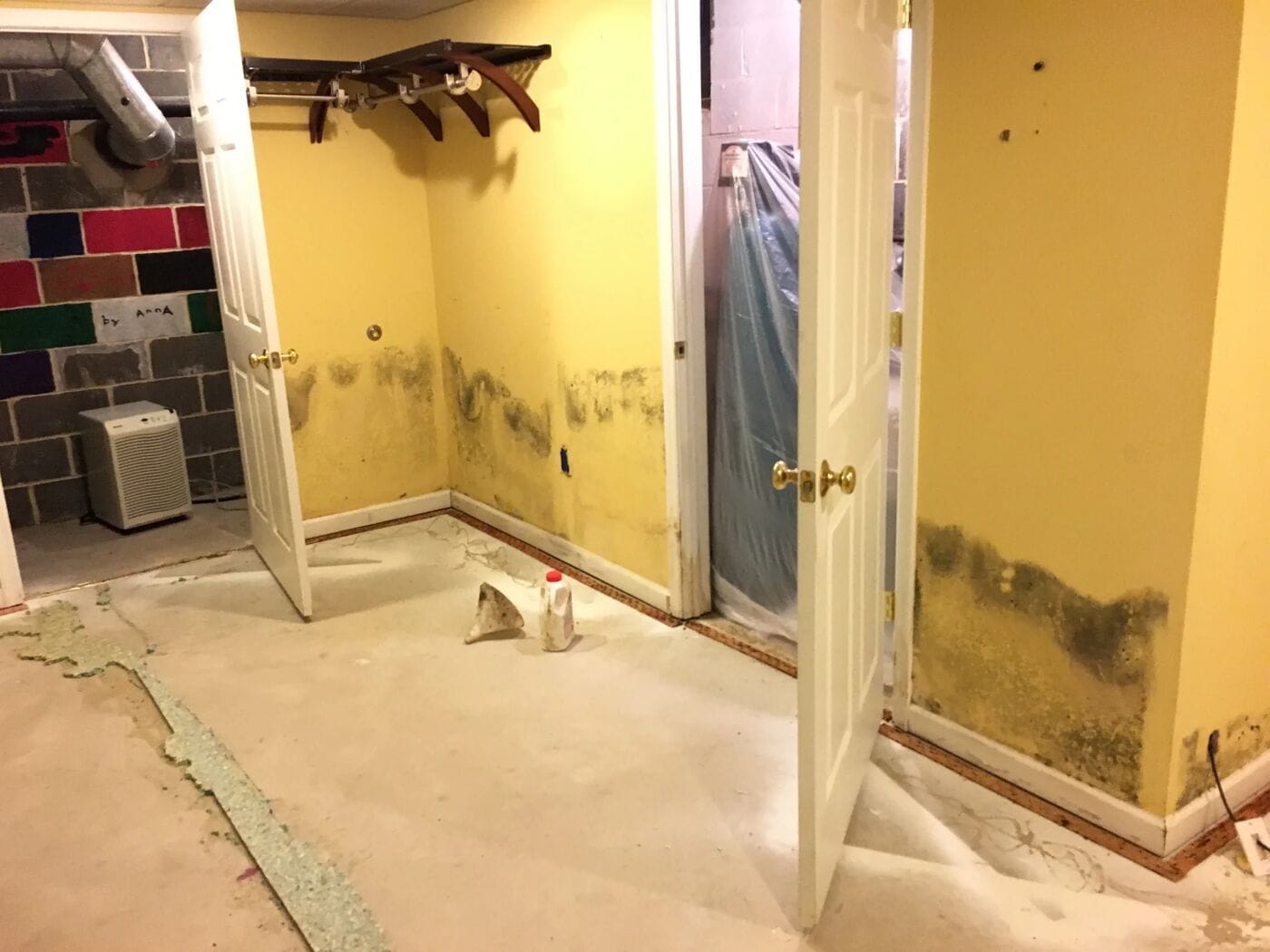
Basement Mold Inspection
Moisture readings, thermal imaging and air samples in finished and unfinished basements.
Learn moreCrawl Space Mold Inspection
Joists, subfloor, vapor barrier and foundation walls in the space nobody looks at.
Learn more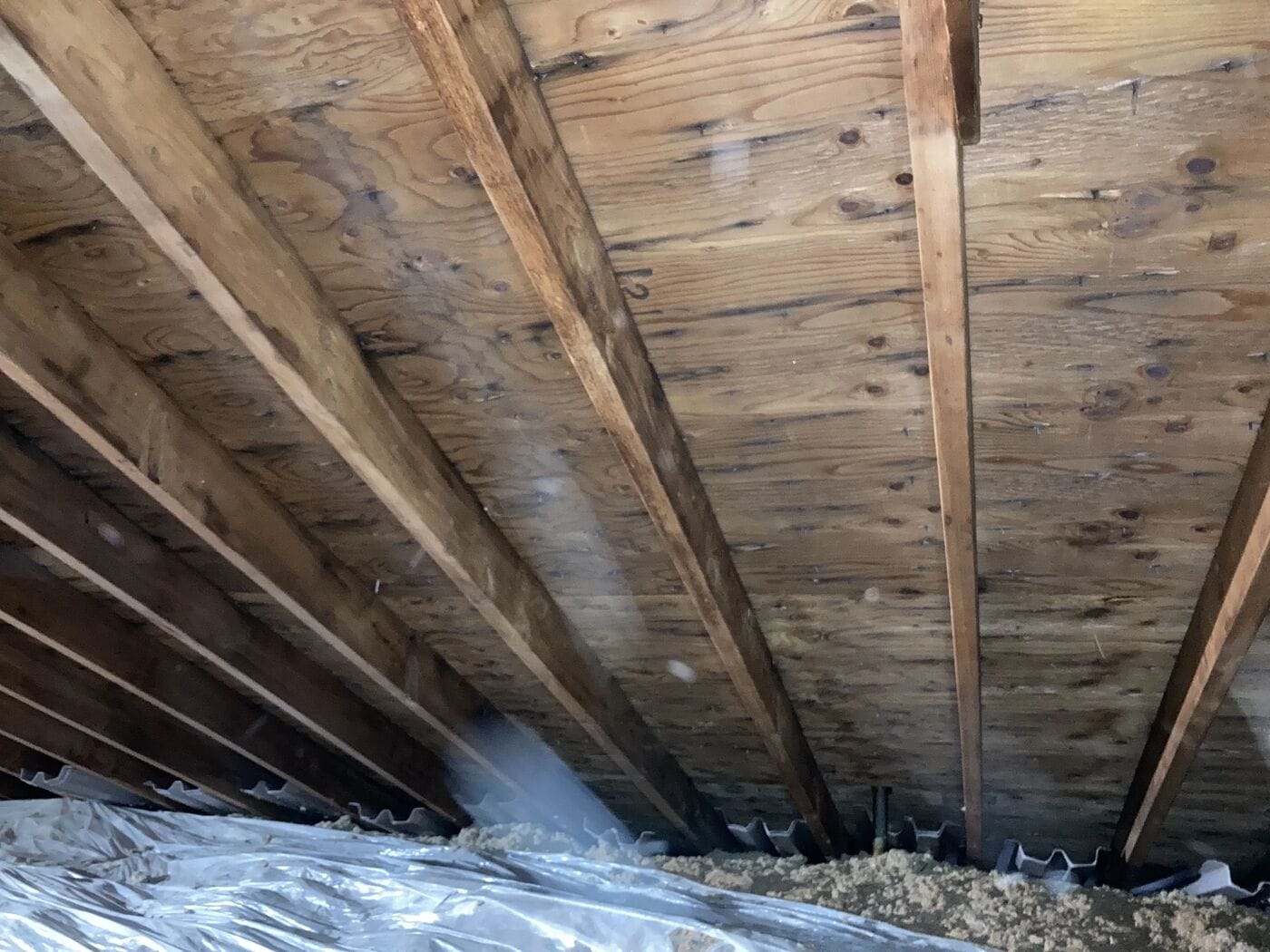
Attic Mold Inspection
Roof sheathing, rafters, bath fan venting and attic ventilation problems.
Learn more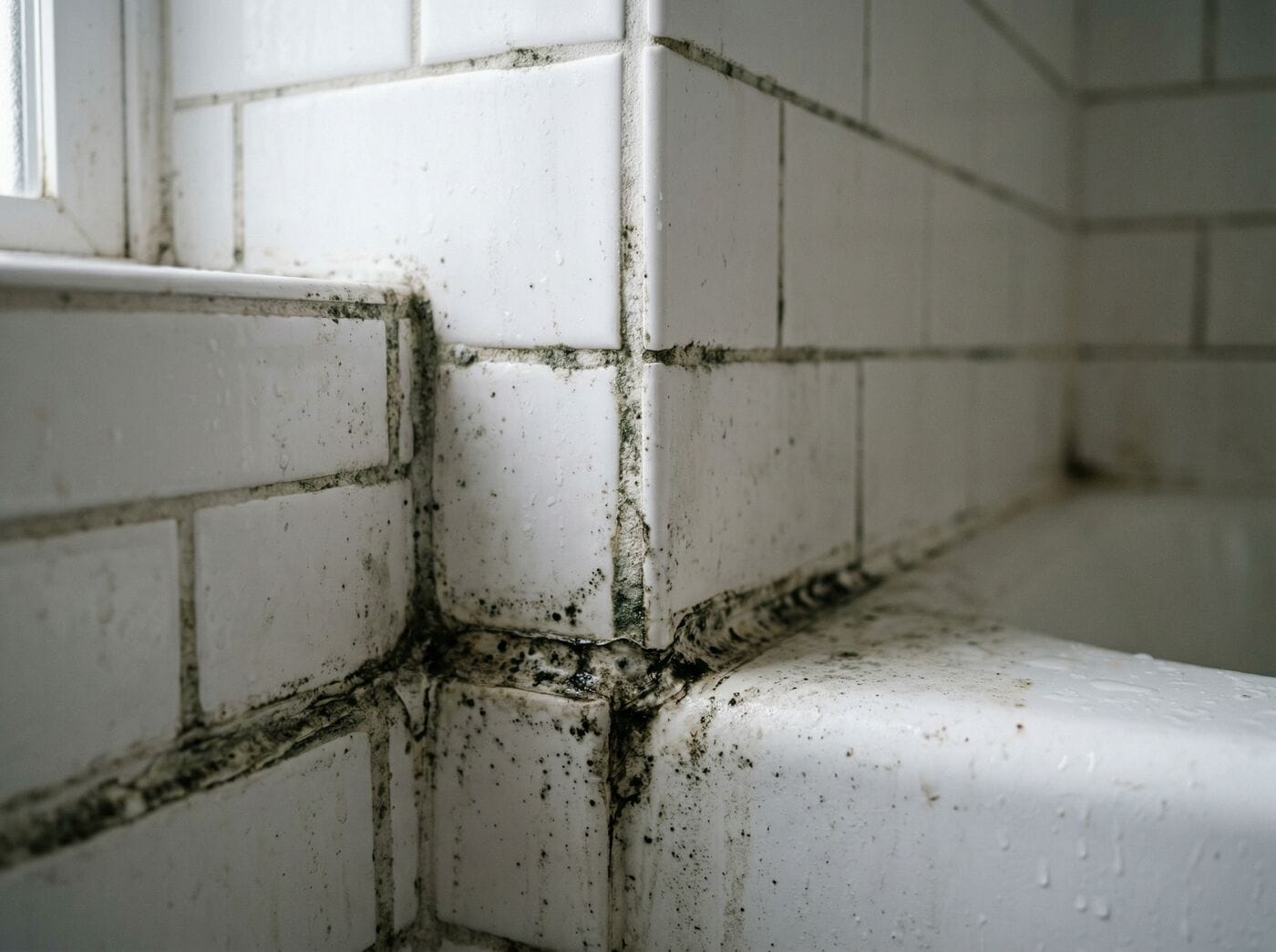
Bathroom Mold Inspection
Grout, under-sink cabinets, subfloor and exhaust fans in the dampest room in the house.
Learn more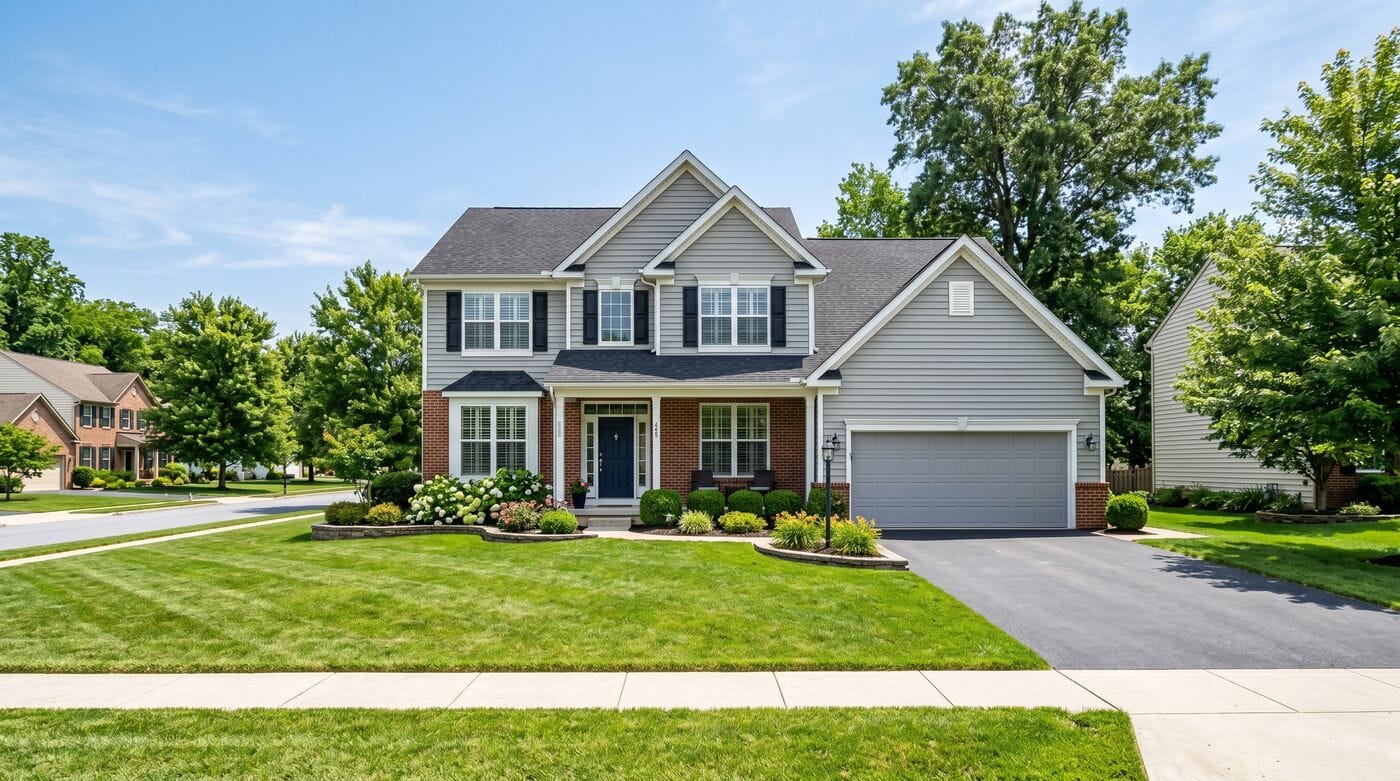
Real Estate Mold Inspection
Pre-purchase and pre-listing testing with a report in 1-2 business days.
Learn more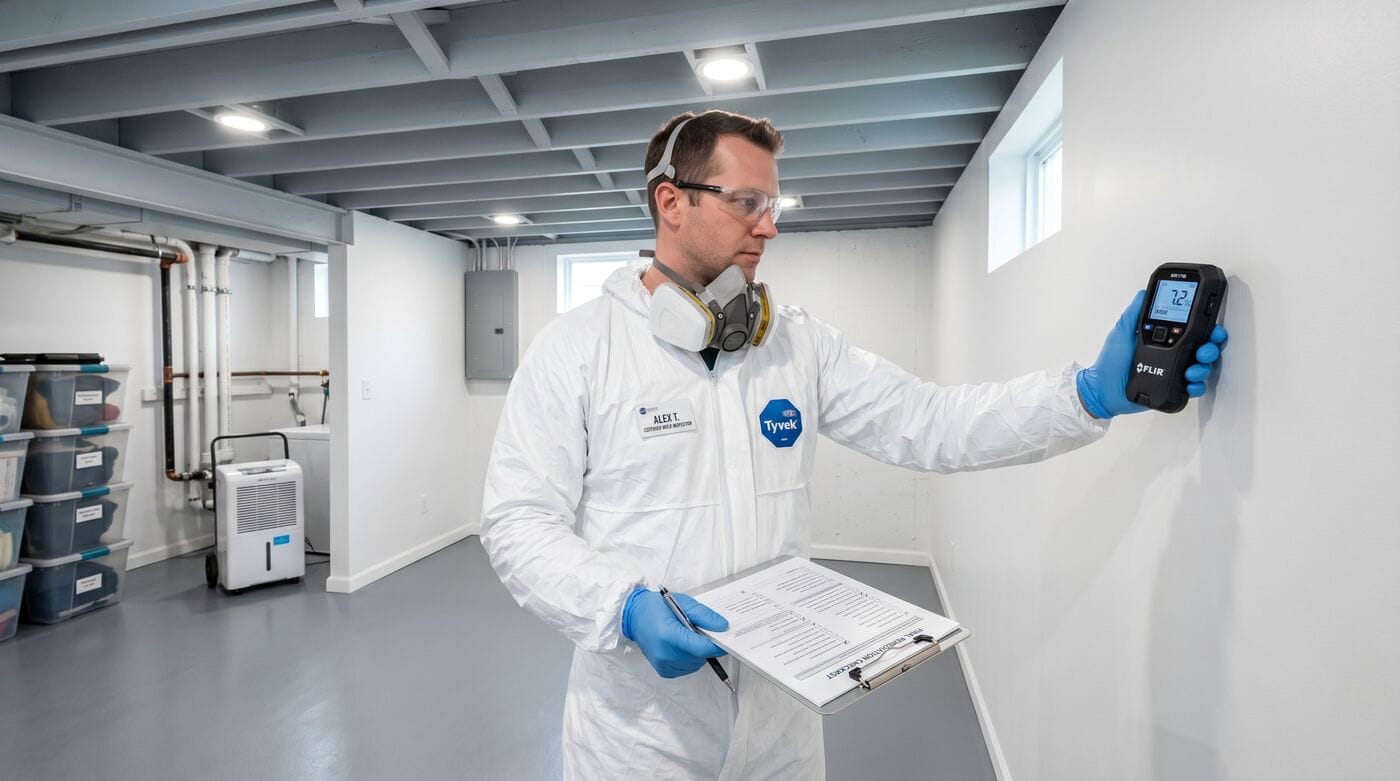
Mold Clearance Testing
Independent post-remediation verification after a remediation contractor finishes the work.
Learn more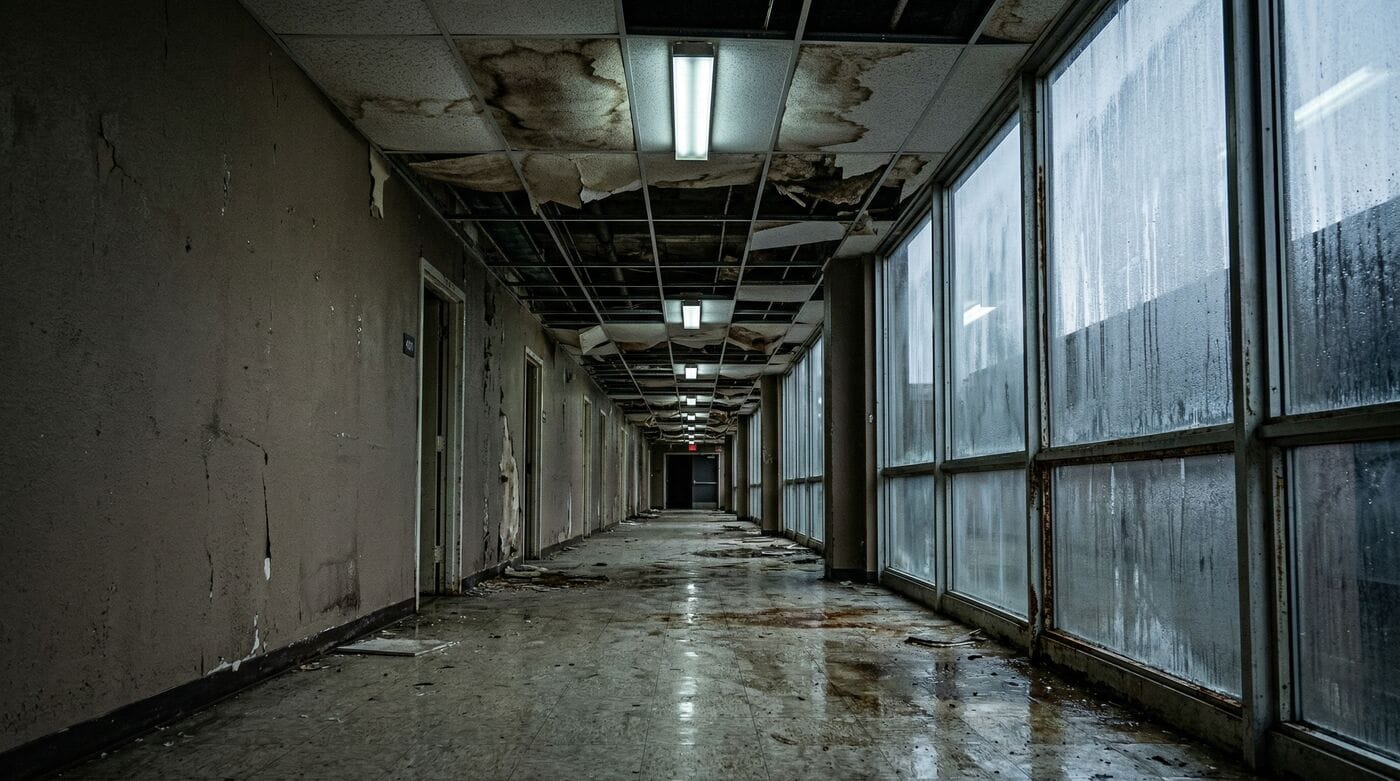
Commercial Mold Inspection
Offices, rentals, schools, restaurants and warehouses, with documentation you can file.
Learn more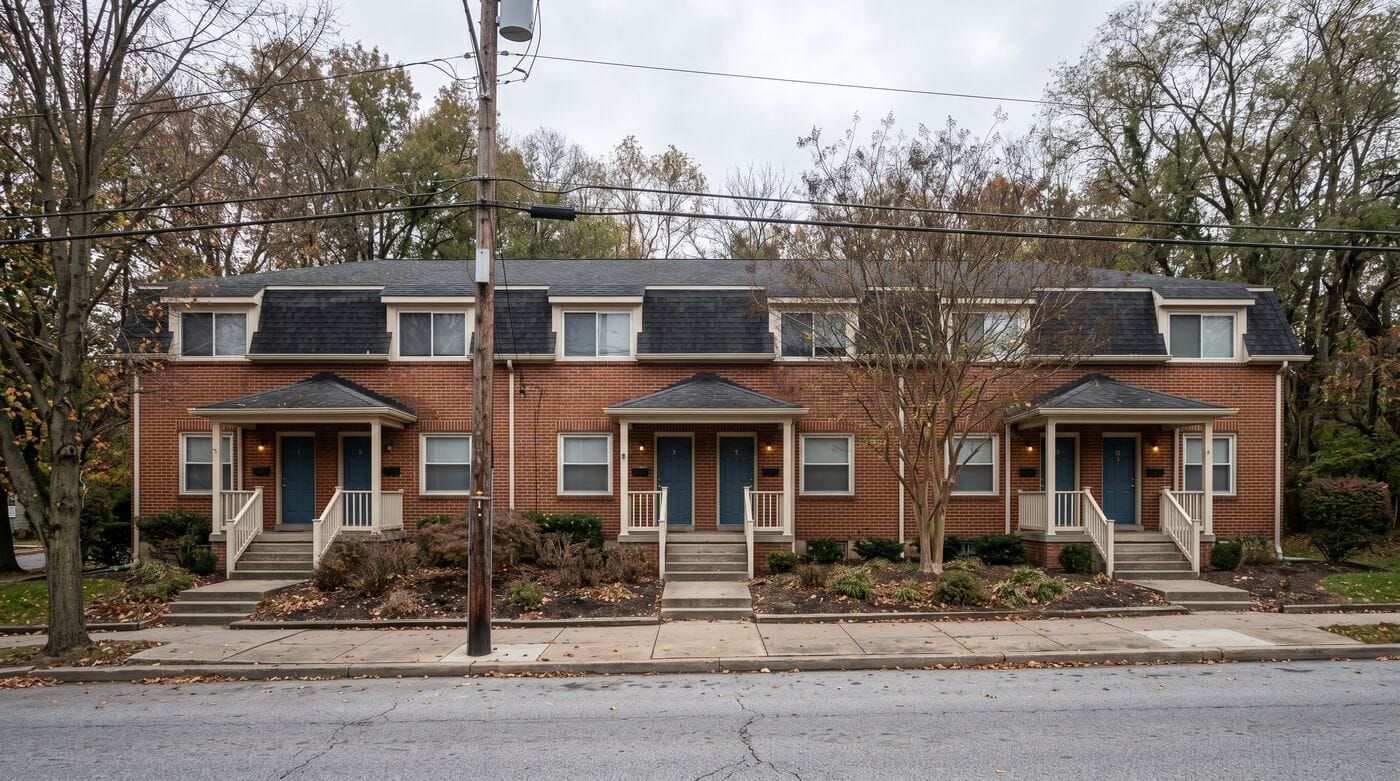
Landlord / Tenant Mold Inspection
Neutral third-party inspections and reports for rental disputes and code complaints.
Learn moreLooking for one thing in particular?
If you got here searching for something specific, these pages go straight at it.
Mold inspection cost in York, PA
The flat price — $450 residential, $785 commercial — what it includes, and why free inspections cost more.
Read thisMold inspector near me
What a real inspection covers, what to ask before you hire, and why free ones cost more.
Read thisMold testing near me
Air, surface and ERMI testing explained, with what each one can and can't tell you.
Read thisAttic mold
Why attics in this climate grow mold on the sheathing, and how the testing answers it.
Read thisWhat Hellam Township property owners say
Rated 5.0 from 5 Google reviews.
I could not recommend this business enough for mold inspections! If you're looking for quick turnaround, great communication and honest upfront service - this is your place. Tom was respectful, professional, and explained everything in great detail.
Truly the best! I can't say enough good things about Tom. I truly feel like I had someone I could count on by my side during this very stressful situation.
We had a great experience with Tom at Mastertech throughout this whole process. They took extra time to answer all of our questions and explained everything in a way that actually made sense.
Hellam Township mold inspection questions
$450 residential and $785 commercial, 4 lab samples included, extra samples $85 each. Hellam Township is within my regular area — larger properties over approximately 2,500 square feet cost more and I'll quote that before scheduling.
Where I work
I cover York and the towns around it — basically anything within about 7 miles of 2400 Taxville Rd, York, PA 17408, plus a good bit of York County beyond that. If you're close and don't see your town, call me anyway.
Based in York, not a call center
You reach me directly, and I'm the one who shows up and does the inspection. Most weeks I can be out within a couple of days, sooner if you're up against a closing date.