
Mold inspection and testing in Grantley, PA
Grantley is the older, quieter ground in Spring Garden Township around Grantley Road and the country club, and the houses are the best-built stock I work in — 1920s and 1930s brick, stone and stucco homes with real masonry, slate roofs and deep basements. They also have a hundred years of retrofits layered into them. On these houses a mold inspection is mostly about finding which of those retrofits is putting water somewhere it doesn't belong.
- — CMI certified, PMII, since 2010
- — From $450 with 4 samples included
- — Larger homes quoted before scheduling
- — Report in 1-2 business days
Why older Grantley homes hide moisture so well
These houses were built solidly enough that a leak can run for years without causing anything you'd notice. That's the problem with them.
The houses around Grantley Road and the country club were built in a narrow window, mostly in the 1920s and 1930s, and mostly as one-off custom homes rather than subdivisions. You see it in the materials: solid masonry or masonry veneer over heavy framing, real stucco, stone foundations with original parging, slate or tile roofs, plaster on lath inside, and full-height basements with proper headroom. Compared to the postwar housing a mile away, it's a different category of construction, and it fails in a different way.
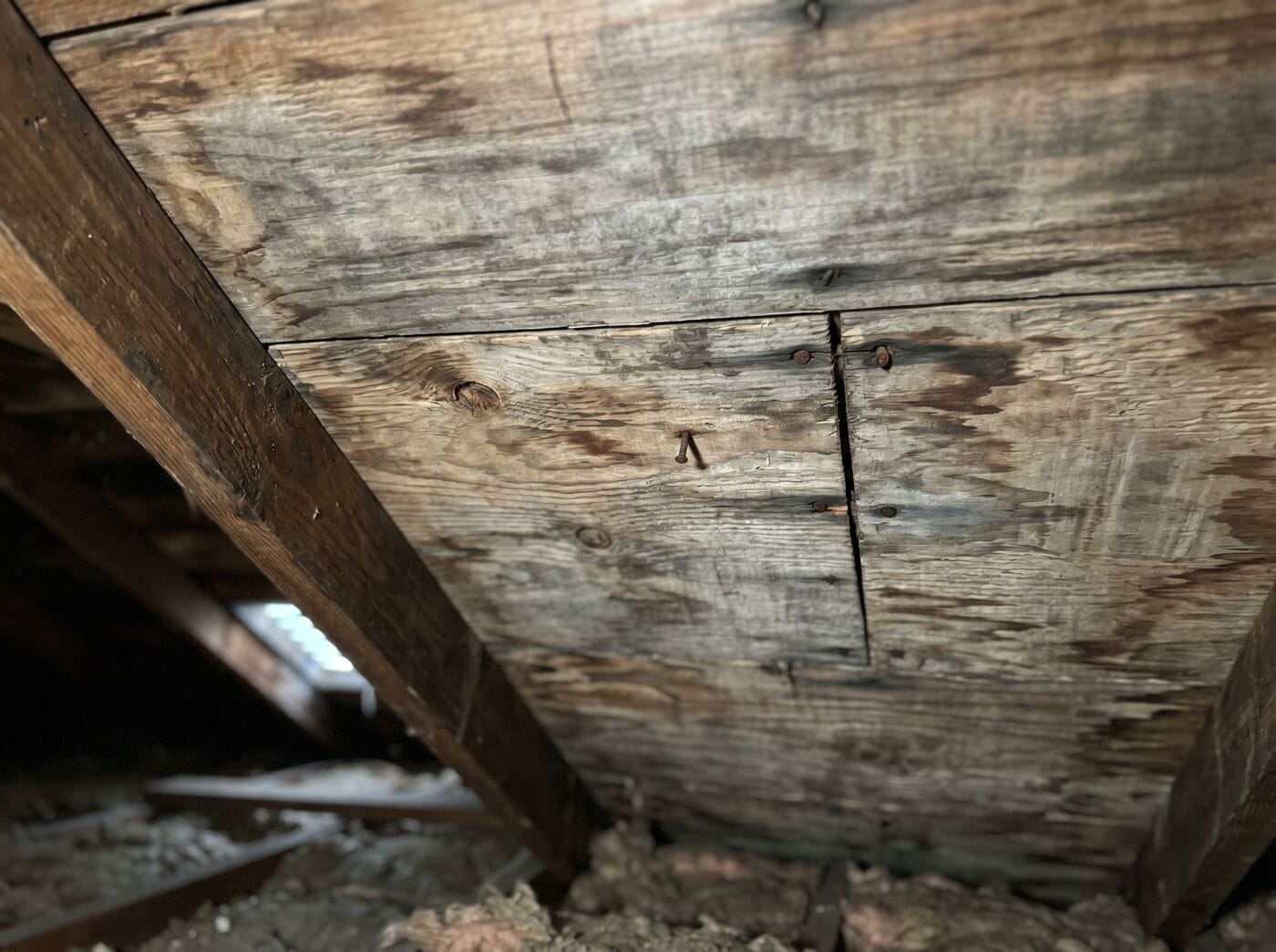
The distinguishing feature is redundancy. A house with three-wythe masonry walls and a slate roof can absorb a leak for a long time without dropping a ceiling or warping a floor. What actually happens is slower: water gets into the wall assembly at a flashing or a built-in gutter, migrates inside the masonry, and wets the back of the plaster and the ends of the joists where they bear into the wall. From inside the room you see nothing, or you see a faint discoloration that somebody painted over two owners ago. That's why I don't rely on looking. Readings and thermal imaging are what find water inside this kind of assembly.
Roof geometry is the biggest single source. These houses have valleys, dormers, bay roofs, chimneys with multiple flues, and in many cases built-in or internal gutters set into the cornice. Every one of those is a joint, and joints are where roofs leak. An internal gutter with a failed liner is the worst version, because the water runs down inside the wall rather than over the outside of it, and the first evidence is often mold on the back of plaster in a second-floor closet.
The second source is mechanical, and it's entirely a product of modernization. These houses were designed around steam or hot-water heat, with no ducts at all. Central air conditioning got added later, which meant putting an air handler and supply ducts somewhere — usually the attic, sometimes a crawl space or a closet chase. Cold metal in a hot, humid attic condenses water on its own surface. If the duct insulation is original to the retrofit, or the vapor jacket has torn, or the condensate pan drains into a line that has silted up, you get a steady drip onto the top of the ceiling and the framing. I check duct exteriors, plenums, pans and drain lines specifically, because on a Grantley house that's where I find things.
Then there's the site itself. The mature canopy that makes these streets look the way they do also keeps sun off the masonry all day, and a hundred years of gardening has usually raised the beds against the foundation, put ivy on the walls, or buried the original grade a few inches. Masonry that never sees sun and never fully dries stays damp in the lower courses, which shows up inside as efflorescence, spalling parging and damp storage.
None of this means an old stone basement that smells like a basement is a crisis. A lot of these houses are in excellent shape and test fine. But the inspection needs to be thorough rather than quick, and it needs to distinguish between the moisture these houses have always carried and the moisture something broke and let in.
What I run into most in Grantley
- 1920s and 1930s custom homes near the country club — brick, stucco and stone, mostly on deep full-height foundations.
- Stone and early block foundation walls with original parging — permanently damp in places, which is normal for the era and still worth measuring.
- Slate, tile and complex roof geometry — valleys, dormers, chimney flashings and built-in gutters, all of which fail at the joint rather than the field.
- Built-in and internal gutters — when the liner goes, water runs inside the cornice and down inside the wall with nothing visible for years.
- Central air retrofitted into houses designed around steam or hot water heat — ducts, plenums and air handlers in unconditioned attics and crawl spaces.
- Large finished attics and third floors — knee walls, sloped ceilings and insulation added decades later with no air barrier.
- Mature tree canopy and heavy plantings against masonry — slow drying, damp lower courses, ivy holding water on the wall.
- Basement laundry, wine and mechanical rooms in houses over 3,000 square feet — a lot of below-grade square footage that nobody visits weekly.
Tell me the address, the approximate square footage and what you're seeing. I'll come back with timing and an exact price.
When it's worth getting mold testing in Grantley
On a house like this the expensive mistake isn't the inspection. It's opening a plaster wall in the wrong place, or repainting over something that's still wet.
Staining on plaster below a roof valley
Slate and tile roofs with complicated valleys and dormers leak at the flashing long before the roof itself fails. The question is whether the plaster is still wet or the leak was fixed in 1994.
Retrofitted ductwork in an unconditioned attic
Cold supply ducts and an air handler in a hot humid attic condense onto their own exteriors and onto the framing around them. It drips on the top of the ceiling, which is the last place anyone looks.
Deep shade and a foundation that never dries
Mature canopy, ivy on masonry and beds built up against the wall keep the lower courses permanently damp. Nothing about that is visible from inside the house.
A third floor or attic room that smells different
Finished attic space in a 1920s house usually has knee walls with no air sealing and insulation added later. The smell is telling you where the air is coming from.
How a Grantley mold inspection goes
More time on site than a typical job, because there's more house — full basement, full attic, and a century of alterations to read through.
You call or text me
You get me, not an office. Tell me roughly when the house was built, how big it is, what kind of heat and cooling it has, and what you're seeing. On an older home the square footage changes the price, and you'll have that number on the call.
I come out and look
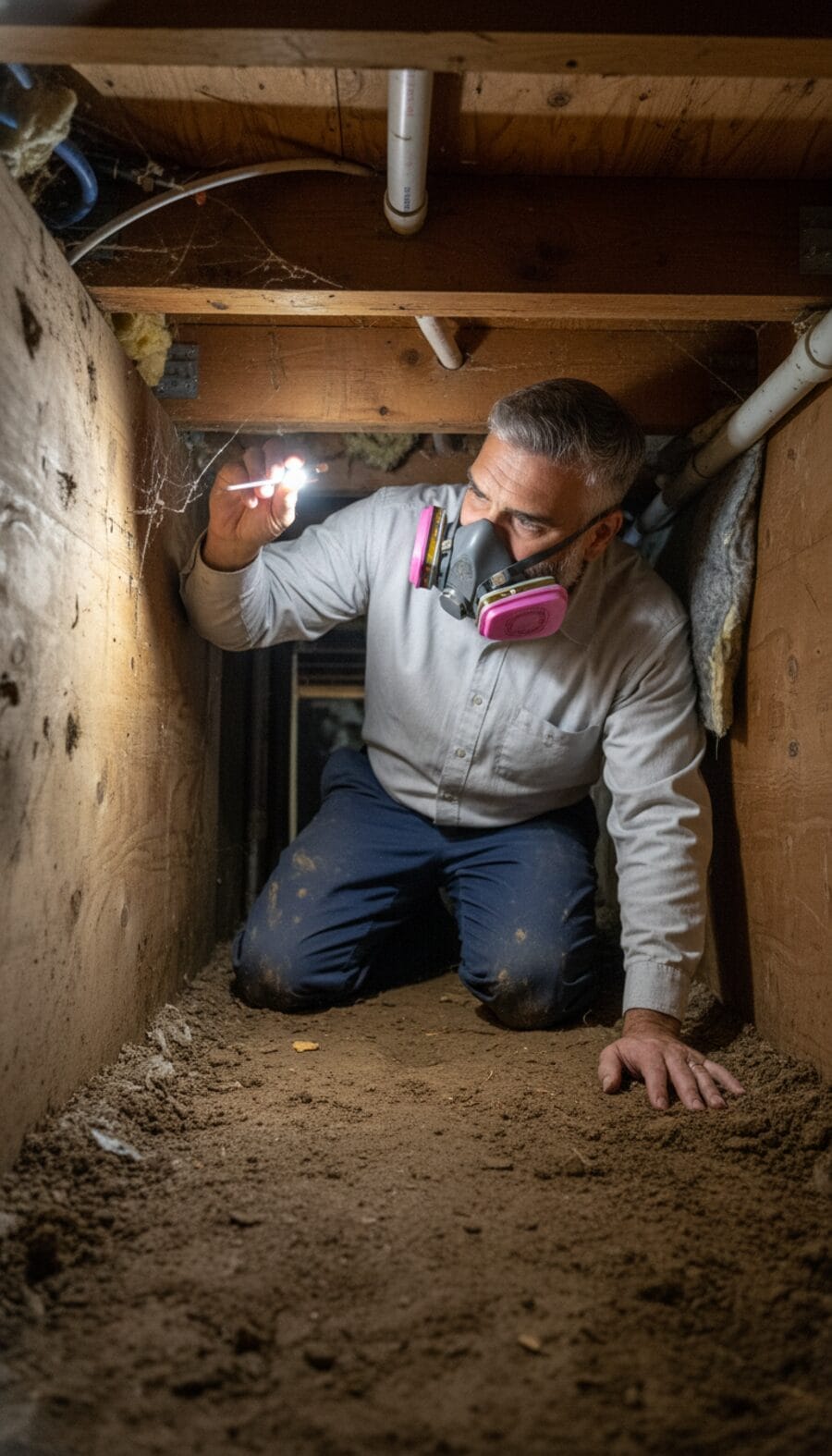
Plan on two hours or more on a large older home — there's simply more house. Full basement, attic and any finished third floor, the baths, the HVAC and the areas you point me at. Moisture readings on plaster, wood, stone and block, and thermal imaging to see behind finishes before anything is opened.
I sample where it answers a question
4 samples included — air, surface, or a mix. In a big older house I'll usually sample the basement, the main living level and the attic or third floor, plus an outdoor baseline, because these houses move air between floors constantly. Extras are $85 each and never a surprise.
The lab runs it
An independent accredited lab runs the samples. I don't own it, I don't get a cut of the findings, and the lab's own data pages go into your report so you can read the numbers yourself.
You get the report
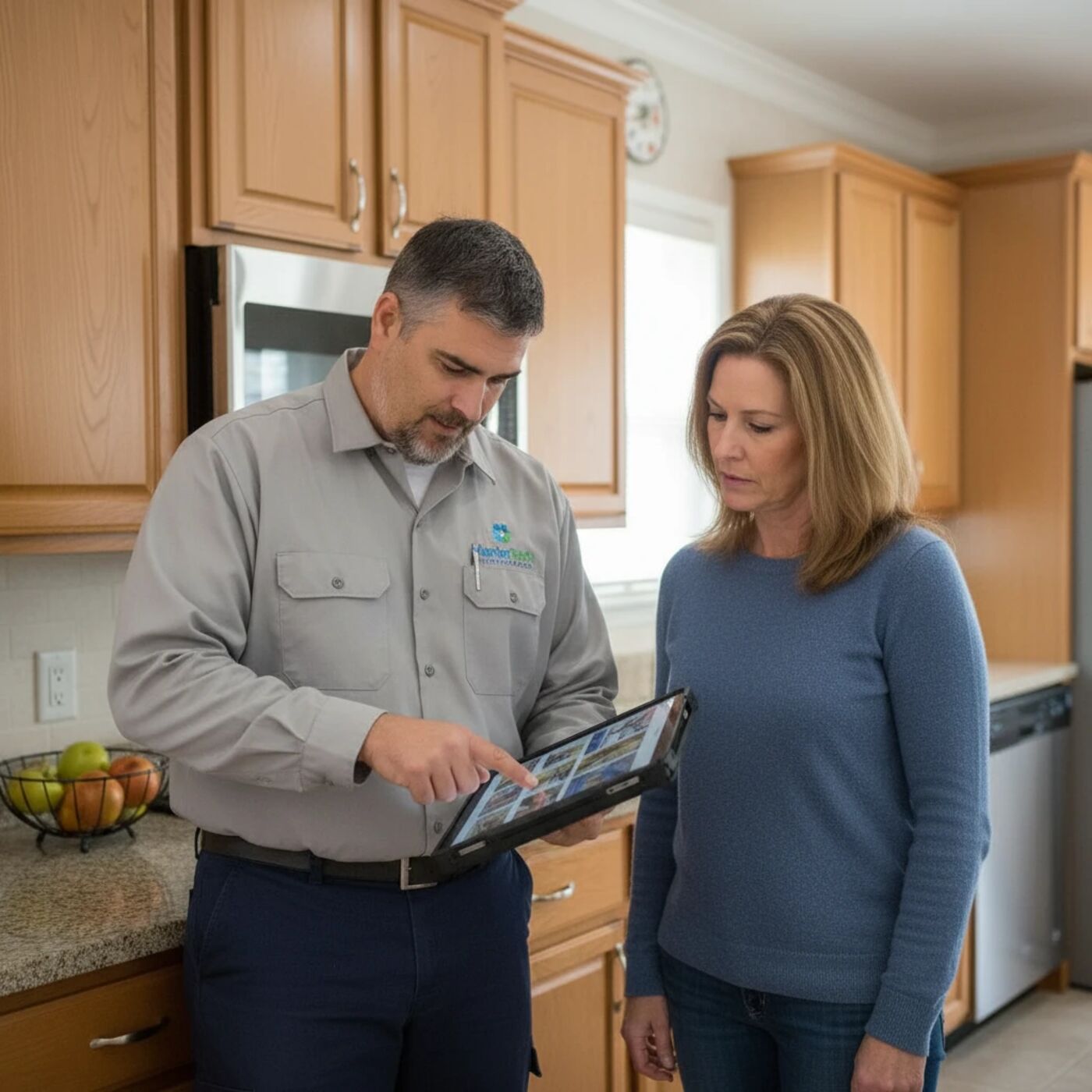
Written report in 1-2 business days: photographs, moisture readings by area, lab data, my read on the source, and next steps ordered by what matters.
We go over it on the phone
Specific enough that a roofer, a plaster contractor or an HVAC company can quote from it, and clear enough to hand to a buyer or an insurer.
I don't do remediation, and that changes everything
On an older home, the difference between an honest report and a sales document is measured in tens of thousands of dollars of unnecessary work.
- No remediation work sold, ever
- No referral fees from remediation or restoration contractors
- No ownership stake in the lab that runs the samples
- I'll tell you plainly when old staining is old and dry
- Samples taken because a question needs answering, not to run up a bill
- If your Grantley house tests clean, the report says clean
What a mold inspection costs in Grantley, PA
Flat pricing, nothing hidden. Extra samples beyond the 4 included are $85 each. Lab results come back in 1-2 business days.
- Visual inspection of the areas of concern
- Thermal imaging
- Moisture meter readings
- 4 air or surface samples
- Accredited independent lab analysis
- Written report with photos and readings
- Phone walkthrough of the results
Covers properties or inspected areas up to approximately 2,500 sq ft. Larger properties may need more inspection time, more areas or more sampling, so the price can go up — I'll tell you the number before I come out.
Schedule a residential inspection- Visual inspection of the areas of concern
- Thermal imaging
- Moisture meter readings
- 4 air or surface samples
- Accredited independent lab analysis
- Written report with photos and readings
- Phone walkthrough of the results
Covers the extra reporting and square footage that comes with commercial buildings. Additional samples $85 each.
Schedule a commercial inspectionSee the report before you hire me
The inspection is only worth as much as the paperwork you're left holding. Mine lays out what I looked at, what I found, what the lab said, and what should happen next — in language you can hand to a contractor, a landlord, or a realtor.
- Inspection summary
- Lab sample results
- Moisture readings
- Area-by-area notes
- Photos of findings
- Recommendations
- Limitations
- Next steps
Mold inspection services in Grantley and Spring Garden Township
Whole-house inspections, attic and basement work, and pre-listing testing on older homes, with no trip charge.
Basement Mold Inspection
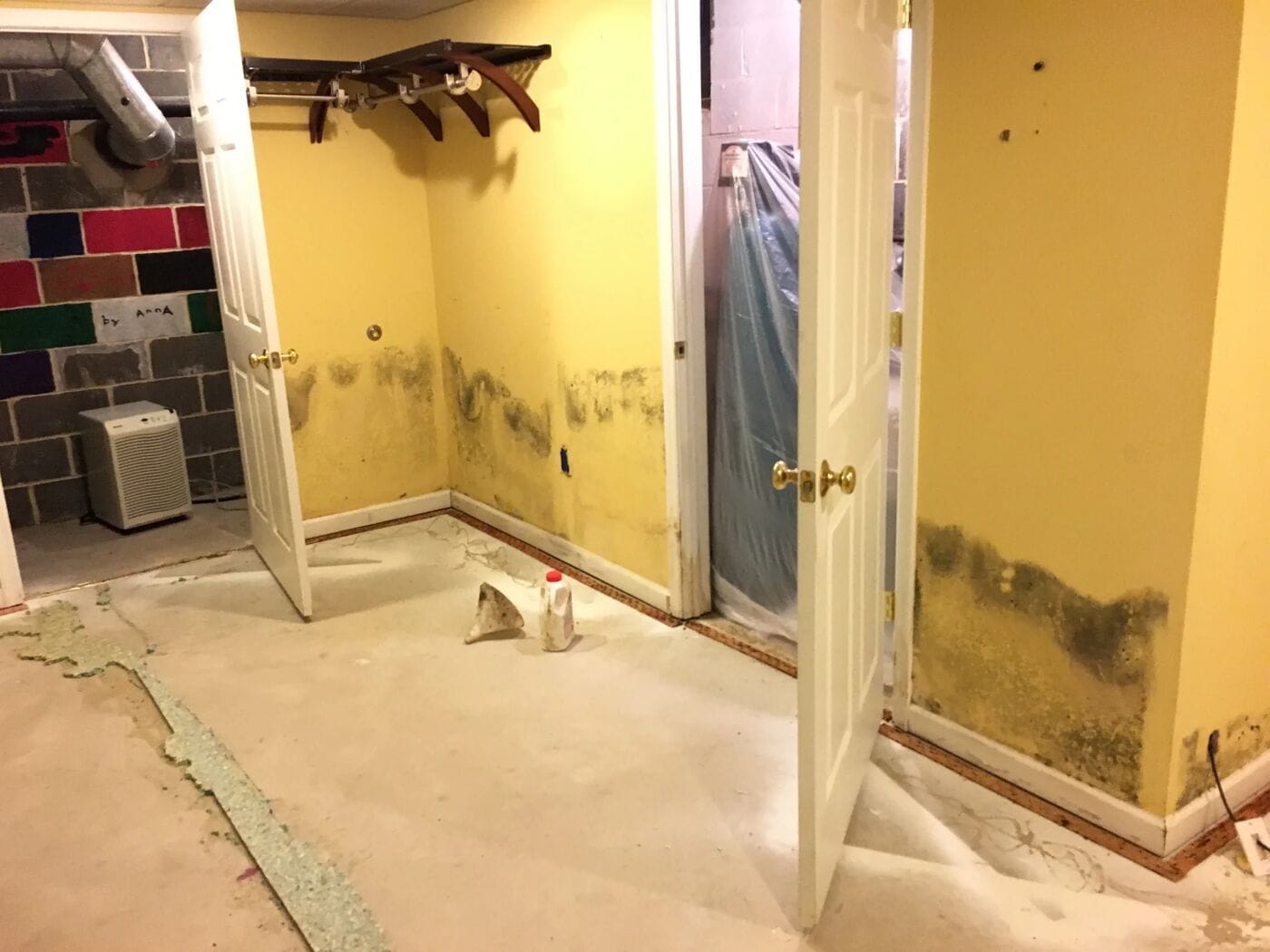
Moisture readings, thermal imaging and air samples in finished and unfinished basements.
Learn more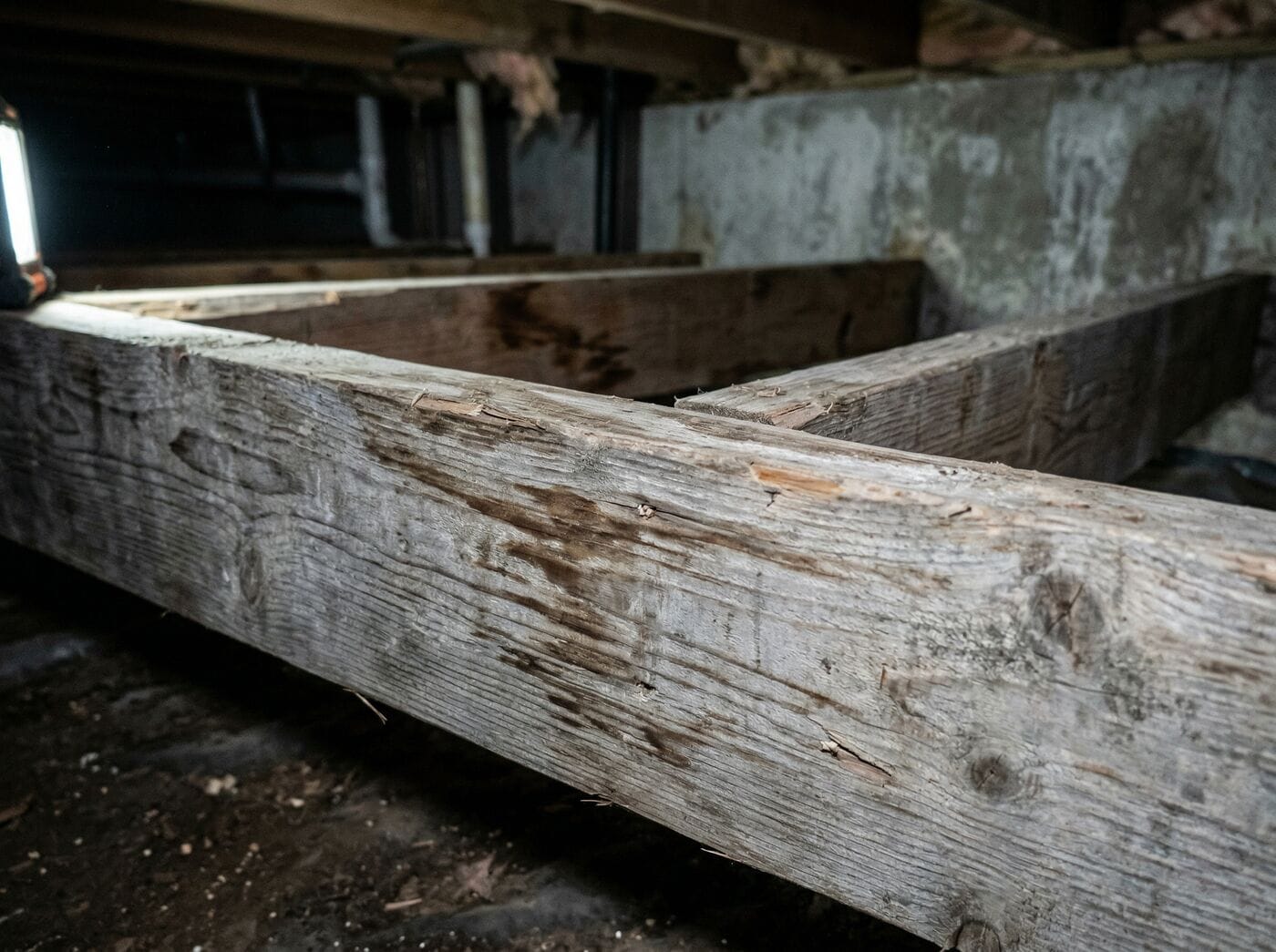
Crawl Space Mold Inspection
Joists, subfloor, vapor barrier and foundation walls in the space nobody looks at.
Learn more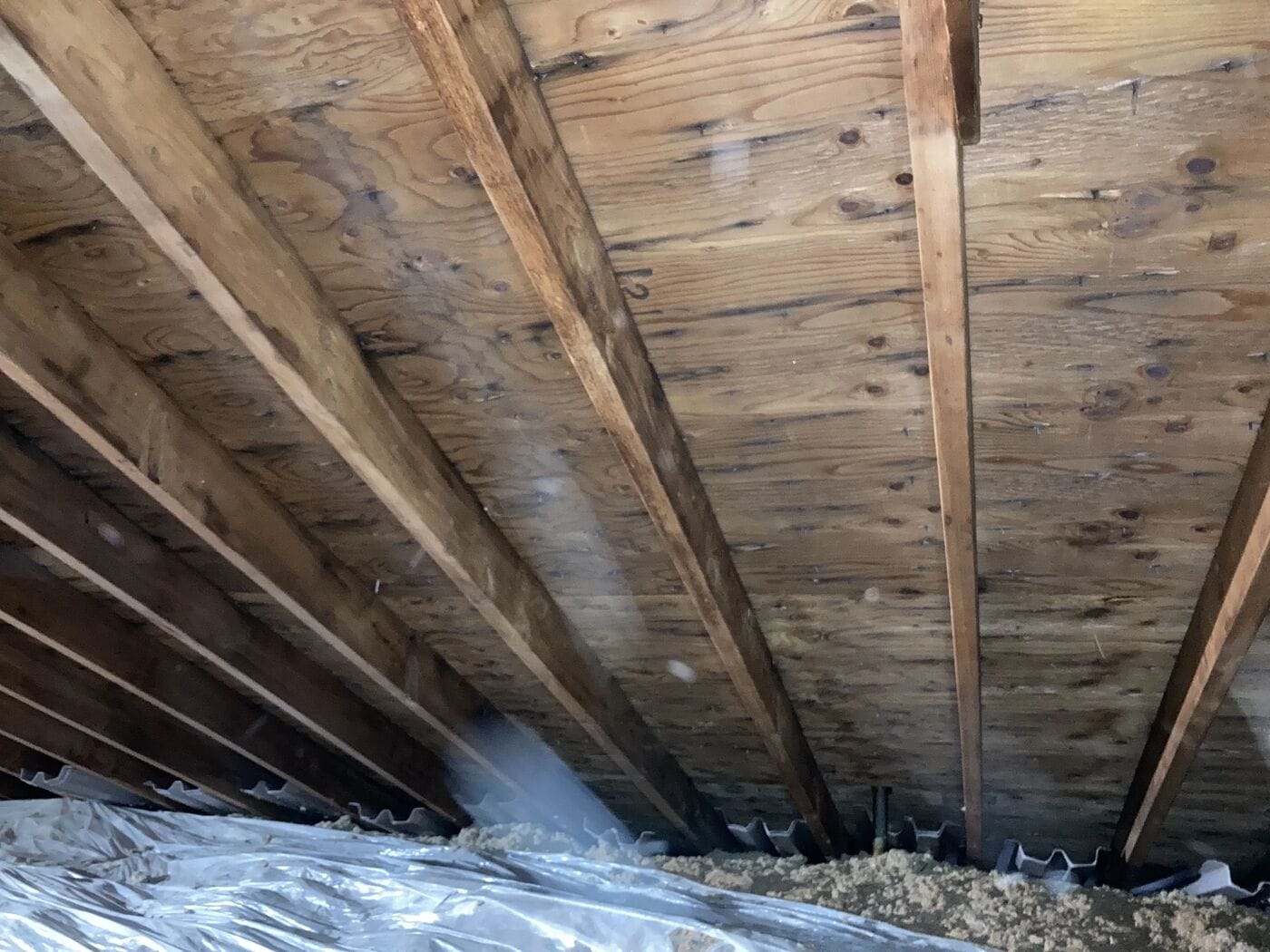
Attic Mold Inspection
Roof sheathing, rafters, bath fan venting and attic ventilation problems.
Learn more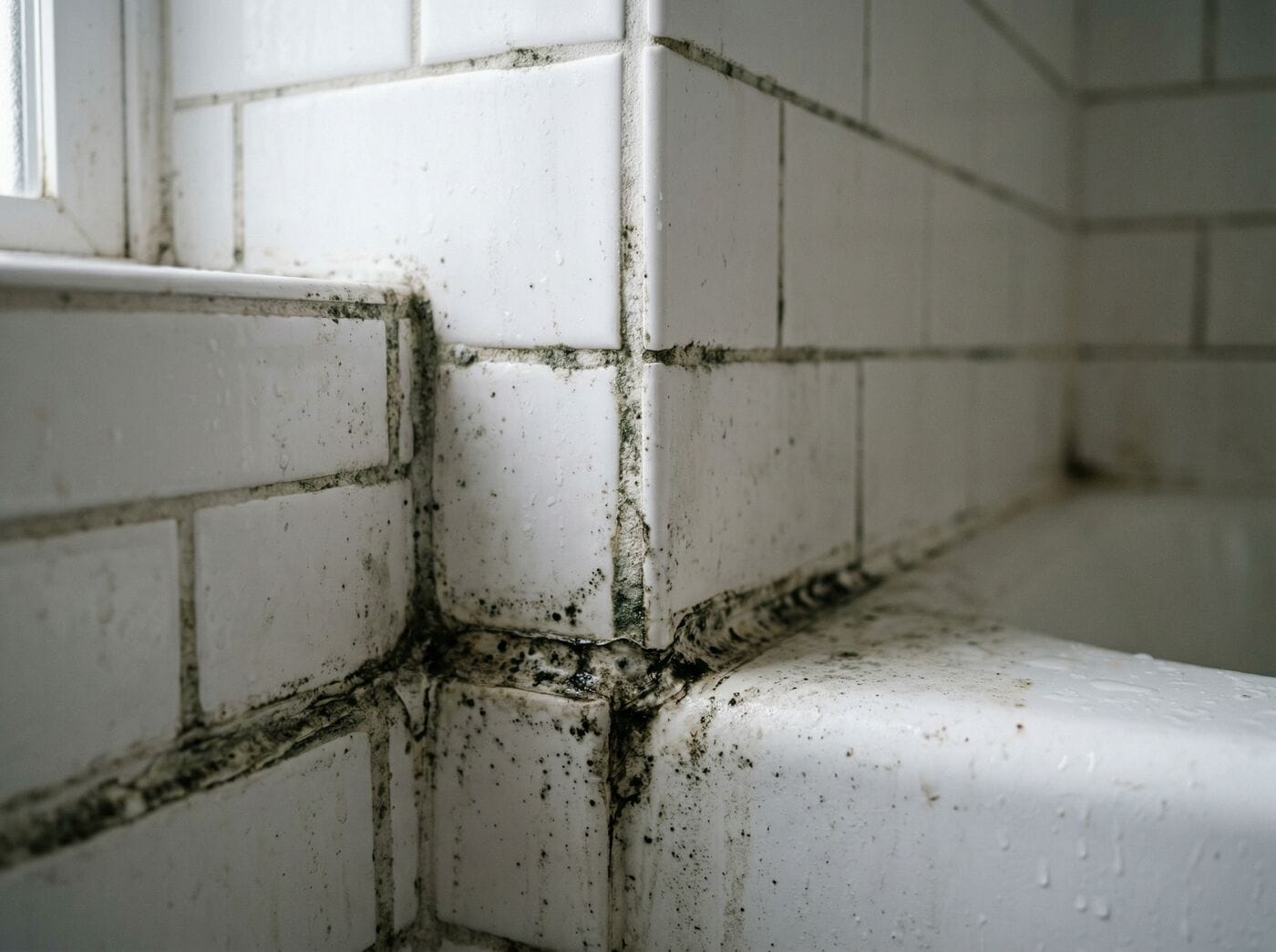
Bathroom Mold Inspection
Grout, under-sink cabinets, subfloor and exhaust fans in the dampest room in the house.
Learn more
Real Estate Mold Inspection
Pre-purchase and pre-listing testing with a report in 1-2 business days.
Learn more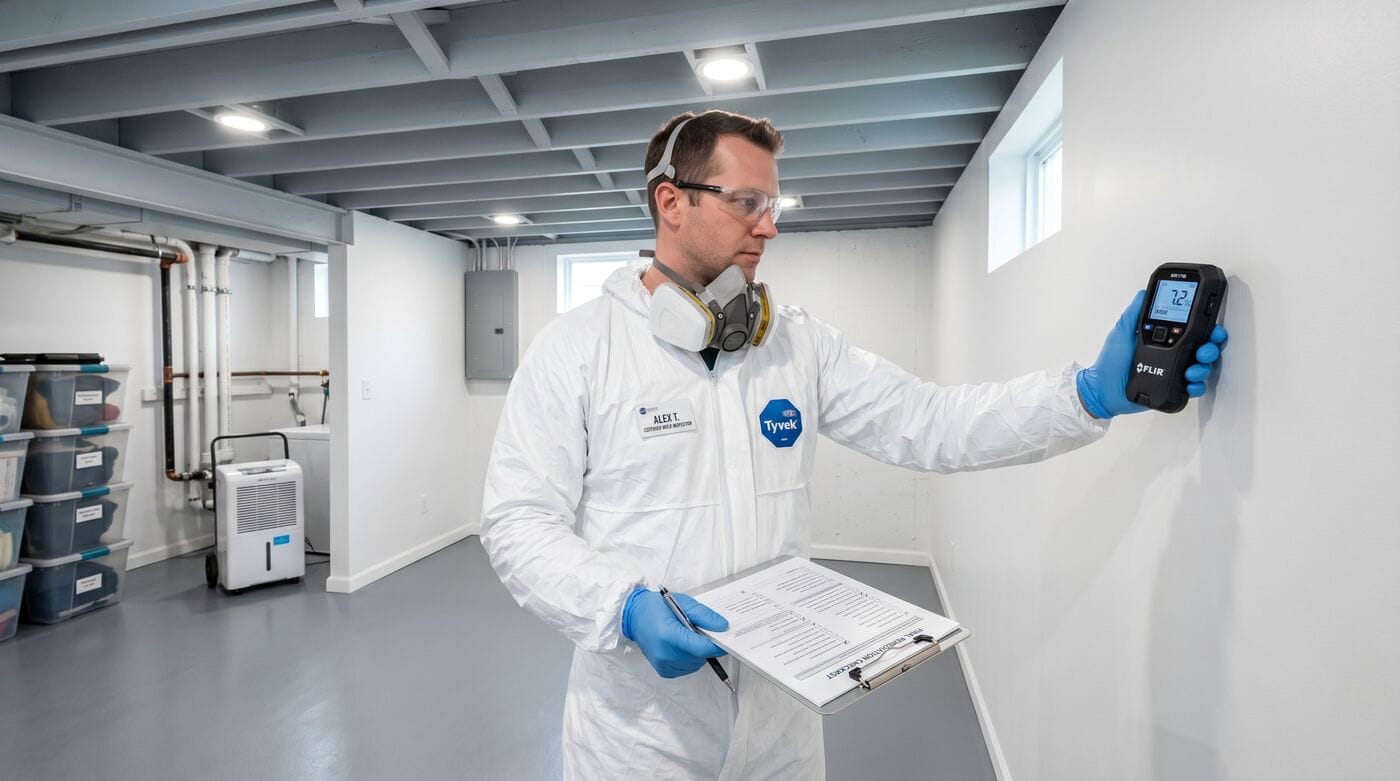
Mold Clearance Testing
Independent post-remediation verification after a remediation contractor finishes the work.
Learn more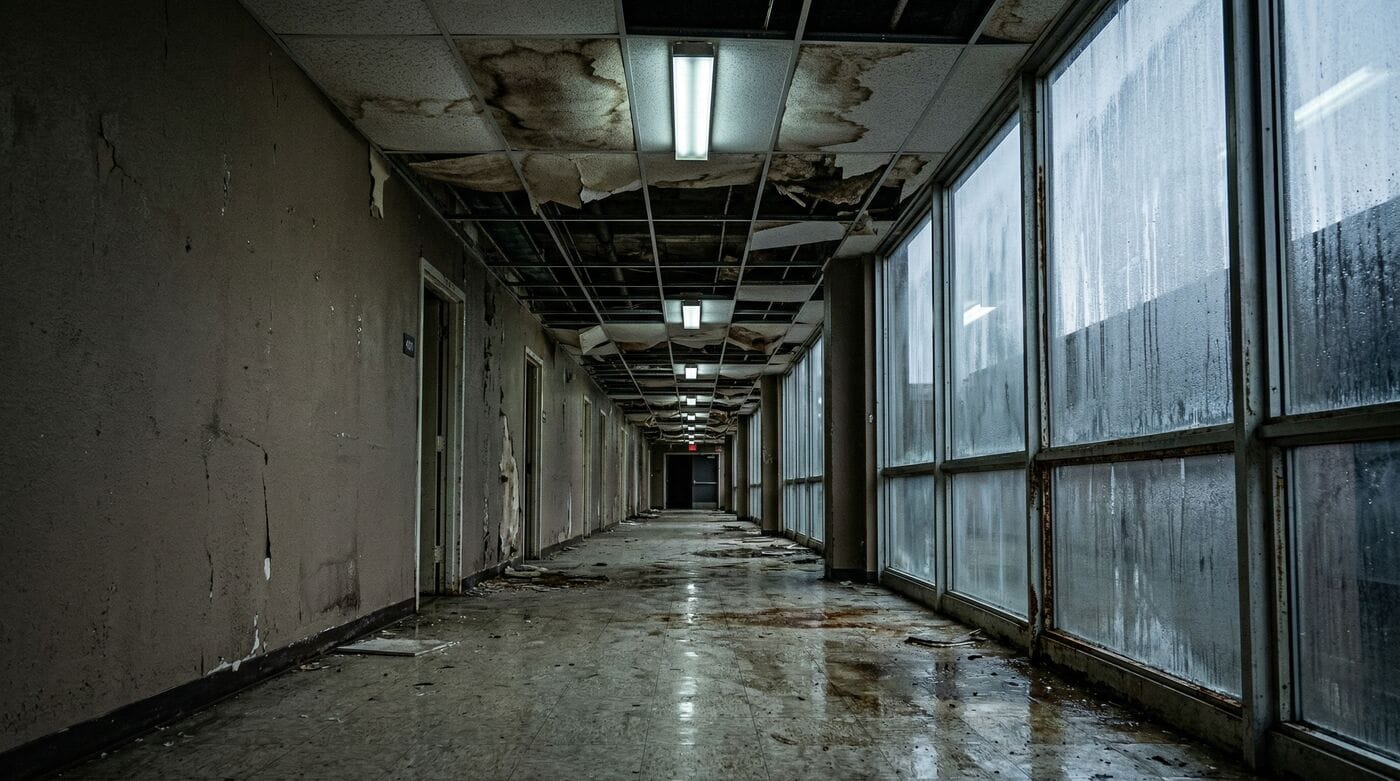
Commercial Mold Inspection
Offices, rentals, schools, restaurants and warehouses, with documentation you can file.
Learn more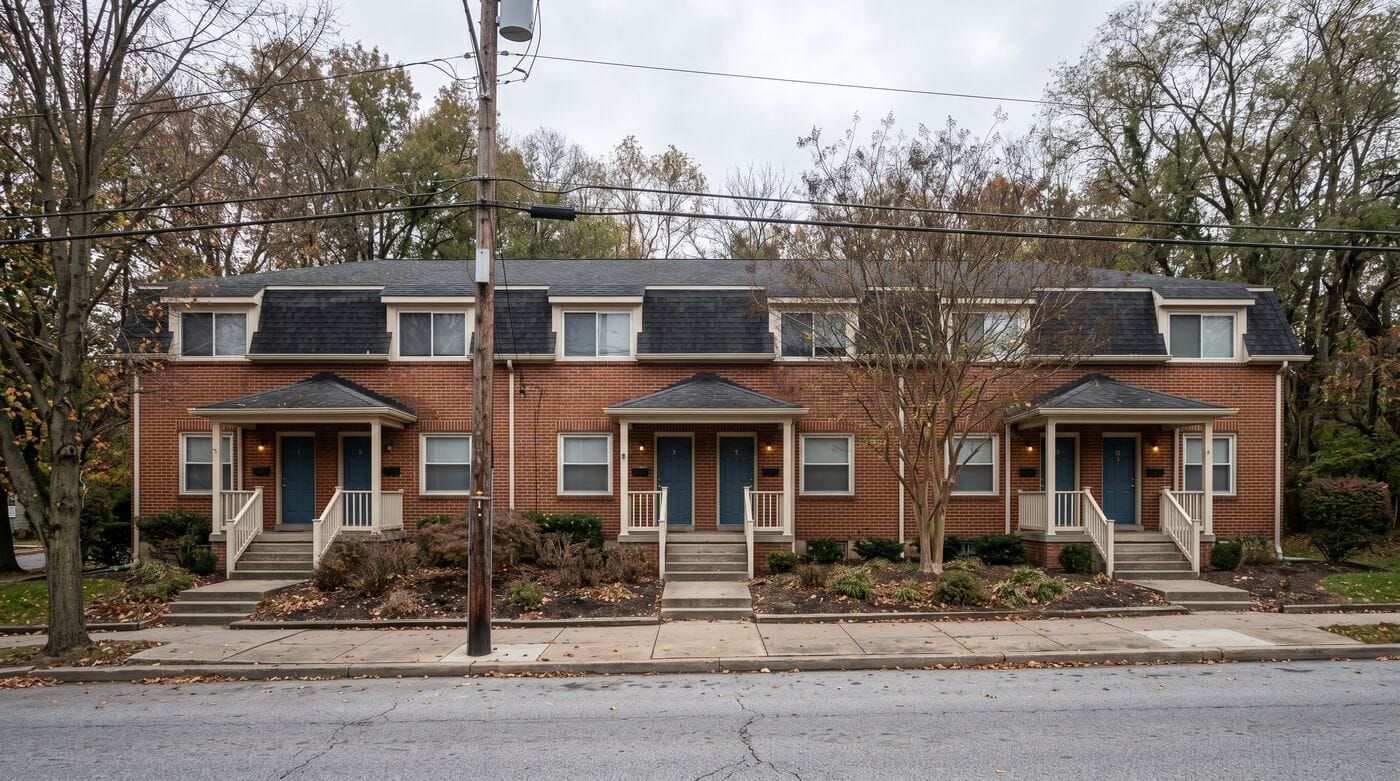
Landlord / Tenant Mold Inspection
Neutral third-party inspections and reports for rental disputes and code complaints.
Learn moreLooking for one thing in particular?
If you came here for one specific problem, these pages address it directly.
Mold inspection cost in York, PA
The flat price — $450 residential, $785 commercial — what it includes, and why free inspections cost more.
Read thisMold inspector near me
What a real inspection covers, what to ask before you hire, and why free ones cost more.
Read thisMold testing near me
Air, surface and ERMI testing explained, with what each one can and can't tell you.
Read thisAttic mold
Why attics in this climate grow mold on the sheathing, and how the testing answers it.
Read thisArticles about older homes, attics and hidden leaks
What a century-old house does with water, written up from the inspections themselves.
Mold Problems Common in Historic York, PA Neighborhood Homes
York's older neighborhoods are full of beautiful, character-rich homes built before modern moisture management existed. Here's why those homes are disproportionately vulnerable to mold - and what to do about it.
Read the articleRoof Leaks + Attic Mold: A Common York PA Combo
Most people rarely go in their attic - which is exactly why roof leak damage and mold growth go undetected for so long. Learn why roof leaks and attic mold are a common combination in York County homes.
Read the articleMold in Your Basement: Why Hidden Leaks in York Homes Lead to Major Problems
Between humid summers and aging housing stock, York basements face constant moisture pressure. Learn how hidden leaks turn into major mold problems and what to do before they get worse.
Read the articleWhat Grantley and Spring Garden homeowners say
Rated 5.0 from 5 Google reviews.
I could not recommend this business enough for mold inspections! If you're looking for quick turnaround, great communication and honest upfront service - this is your place. Tom was respectful, professional, and explained everything in great detail.
Truly the best! I can't say enough good things about Tom. I truly feel like I had someone I could count on by my side during this very stressful situation.
We had a great experience with Tom at Mastertech throughout this whole process. They took extra time to answer all of our questions and explained everything in a way that actually made sense.
Grantley mold inspection questions
$450 for a residential inspection with 4 lab samples included, $85 for each additional sample. A lot of Grantley houses run over approximately 2,500 square feet, which costs more — tell me the square footage when you call and I'll give you the exact number before anything is booked.
Where I work
I cover York and the towns around it — basically anything within about 7 miles of 2400 Taxville Rd, York, PA 17408, plus a good bit of York County beyond that. If you're close and don't see your town, call me anyway.
Based in York, not a call center
You reach me directly, and I'm the one who shows up and does the inspection. Most weeks I can be out within a couple of days, sooner if you're up against a closing date.