
Mold inspection and testing in Manchester, PA
Manchester borough incorporated in 1869 and the streetscape has not changed much since — red brick and older frame housing on stone and early block foundations, sitting on low flat ground not far off the Susquehanna. That combination puts the water table closer to your footing than most people expect, and it is the mechanism behind almost every mold problem I document here. I measure it, sample it, and tell you which part is fixable.
- — CMI certified, PMII, since 2010
- — $450 flat, 4 samples included
- — Thermal imaging and humidity readings included
- — Report in 1-2 business days
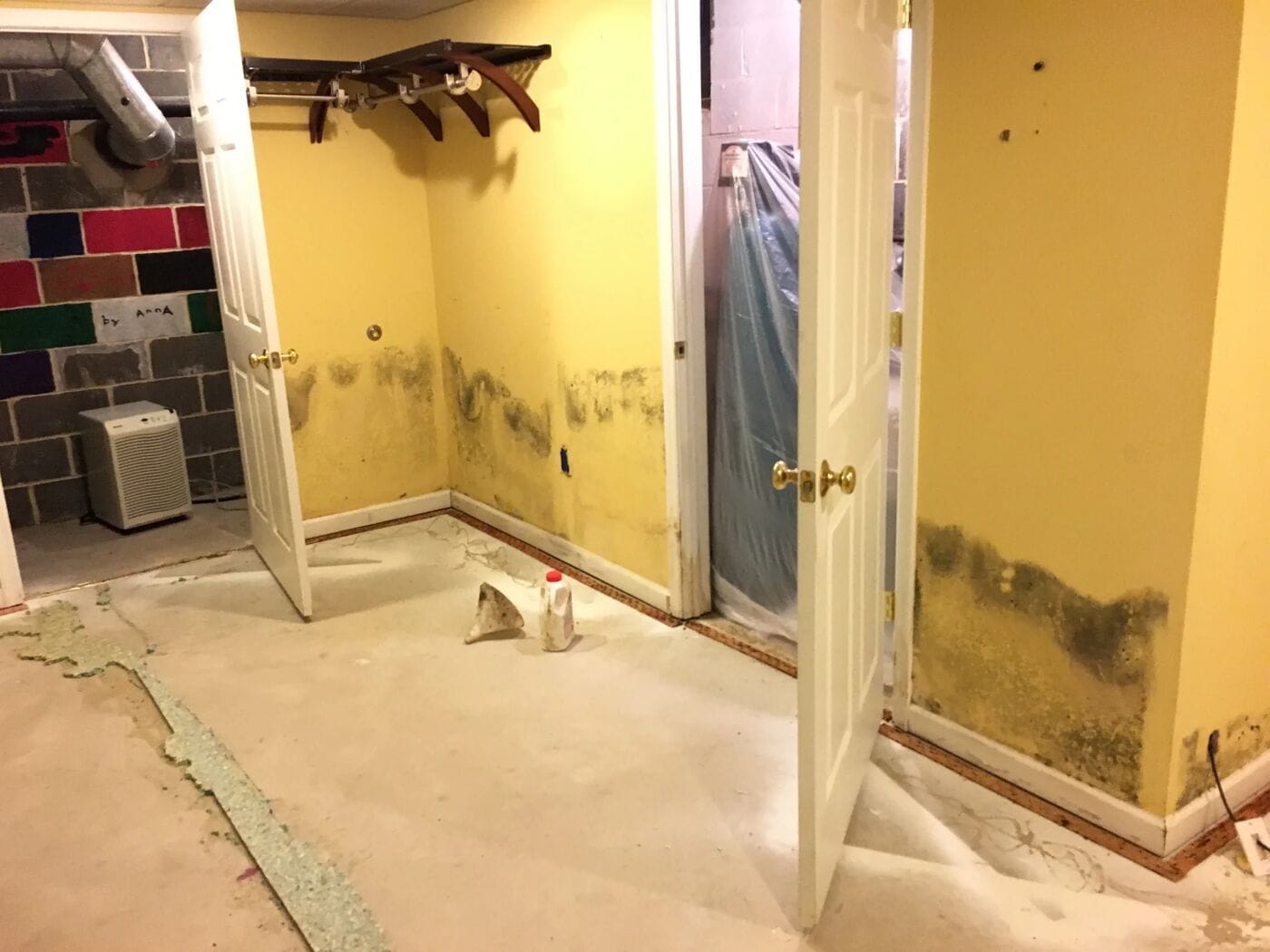
A high water table under old masonry
In most of York County the groundwater question is seasonal. In the low parts of Manchester borough it is permanent.
Manchester is a small borough north of York that incorporated in 1869, and the housing reflects that date closely. Red brick singles and twins, older frame houses, a tight street grid, and a lot of it on stone or early block foundations built as cellars rather than as rooms. The ground under the borough is relatively flat and relatively low, and the Susquehanna is not far east. That geography is the single most useful thing to know about mold here, because it changes what the foundation is dealing with every day of the year.
A high water table means two things a homeowner can feel. First, hydrostatic pressure pushing against the outside of the foundation wall, which drives water through mortar joints, through cracks and through the pores of the block itself. Second — and this is the part people miss — moisture moving upward through the floor slab. Most cellar repair advice assumes water comes in at the perimeter, so that is where people look. When I put a meter across a Manchester cellar floor and the readings in the middle of the room are as high as the readings at the wall, the diagnosis is not a leak. It is the water table, and the fix list looks completely different.
That distinction matters because of what gets put on those floors. Carpet and pad, vinyl plank, a laminate over foam underlayment, boxes of stored paper, a couch against a block wall: each of those is an organic or paper-faced surface sitting on a slab that never fully dries. The slab does not grow mold. What you put on it does. A lot of the worst-looking growth I document in this borough is on the underside of a carpet pad or the back of a baseboard in a basement that the owner considered dry because they had never seen standing water.
Sump systems are the other recurring theme. Plenty of Manchester houses have a pump doing real, continuous work, and a pump that cycles in dry weather is not a defect — it is information. It tells you the groundwater is up against the footing and the system is the only thing keeping the cellar usable. The failures I document are almost never the concept and almost always the maintenance: a pump that quit, a float that stuck, a discharge line that froze or drains back toward the house, and no alarm and no backup on any of it. In a finished basement that goes unnoticed for weeks, and weeks is more than enough.
On the borough edges there is a second housing layer — later red brick and block ranchers, many with half-buried basements. Those shift the mechanism from groundwater to condensation. A basement wall that is cool because it is against earth, plus warm humid summer air moving down the stairs, produces surface condensation and relative humidity in the sixties or seventies with no leak anywhere in the building. That is a dehumidification and air-sealing problem, and telling it apart from a drainage problem takes about ten minutes with a meter, a hygrometer and a thermal camera. Getting it wrong costs thousands.
I also inspect the small commercial and mixed-use buildings along the main streets, where the documentation usually has to satisfy somebody other than the owner — an insurer, a tenant, a lender. Those reports are written for a file. Either way, nothing in what I find leads to work I get paid for. I do not sell remediation, I take no referral fees, and I have no ownership in the lab that runs the samples.
What I run into most in Manchester borough
- Red brick and older frame housing from the borough's 1869 incorporation onward, on stone and early block foundations.
- Relatively flat, low-lying ground near the Susquehanna with a higher water table than most of York County.
- Cellars that wick moisture through the wall base and up through the floor slab year-round.
- Sump systems doing real work, often with no alarm and no backup.
- Later red brick and block ranchers on the borough edges with half-buried basements.
- Finished basements framed tight to masonry with no capillary break.
- Small commercial and mixed-use buildings along the main streets.
- Transaction inspections for Northeastern school district sales.
Tell me the address, the age of the house and whether there's a sump. I'll come back with timing and pricing.
When to get mold testing in Manchester, PA
If any of this sounds like your cellar, a $450 inspection is cheaper than guessing.
A basement floor that reads wet in the middle of the room
That is a water table signature, not a perimeter leak. Anything laid on that slab — carpet, pad, vinyl, stored cardboard — becomes the growth surface.
A sump pump that cycles in dry weather
It is telling you groundwater is standing against the footing. Manageable, as long as the pump keeps working and somebody would know if it stopped.
Efflorescence or crumbling mortar on a cellar wall
White powder and soft joints mean water has been moving through the masonry for years. The material behind stored boxes is usually where growth starts.
Musty air in a half-buried basement all summer
Warm humid air condensing on cool block and slab. It reads as high relative humidity with no leak to point at, and it responds to a dehumidifier rather than a drainage job.
How a Manchester mold inspection goes
The slab gets as much attention as the walls here, because that is where the water is coming from.
You call or text me
You get me directly. Tell me the street, the age of the house and whether there is a sump, and I can tell you what I expect to find in a Manchester cellar before I show up.
I walk the building
About ninety minutes for a typical borough house. Cellar, crawl, attic, baths, laundry and mechanicals, with moisture readings on masonry, framing and subfloor plus thermal imaging.
I read the floor, not just the walls
In a high water table area the slab matters as much as the perimeter. I take readings across the floor and image it, because moisture rising through the middle of a slab is a different repair than a drainage fix at the footing.
I sample where it answers a question
4 lab samples included — typically cellar, living space and an outdoor control so you know whether cellar air is reaching you. Extras are $85.
An independent lab runs it
Accredited and independent. No ownership on my side, no cut of the findings, nothing to sell based on the numbers.
You get the report and we talk
Written report in 1-2 business days: photos, readings area by area, lab results against the control, the mechanism named, and corrections a contractor can quote from.
No remediation, no referral fees, no stake in the lab
A wet cellar is an easy thing to sell a waterproofing system against. I have no reason to.
- No remediation work sold, ever
- No referral fees from remediation, waterproofing or HVAC contractors
- Independent accredited lab I have no ownership in
- Groundwater and condensation told apart with readings, not opinions
- If your Manchester house tests clean, the report says clean
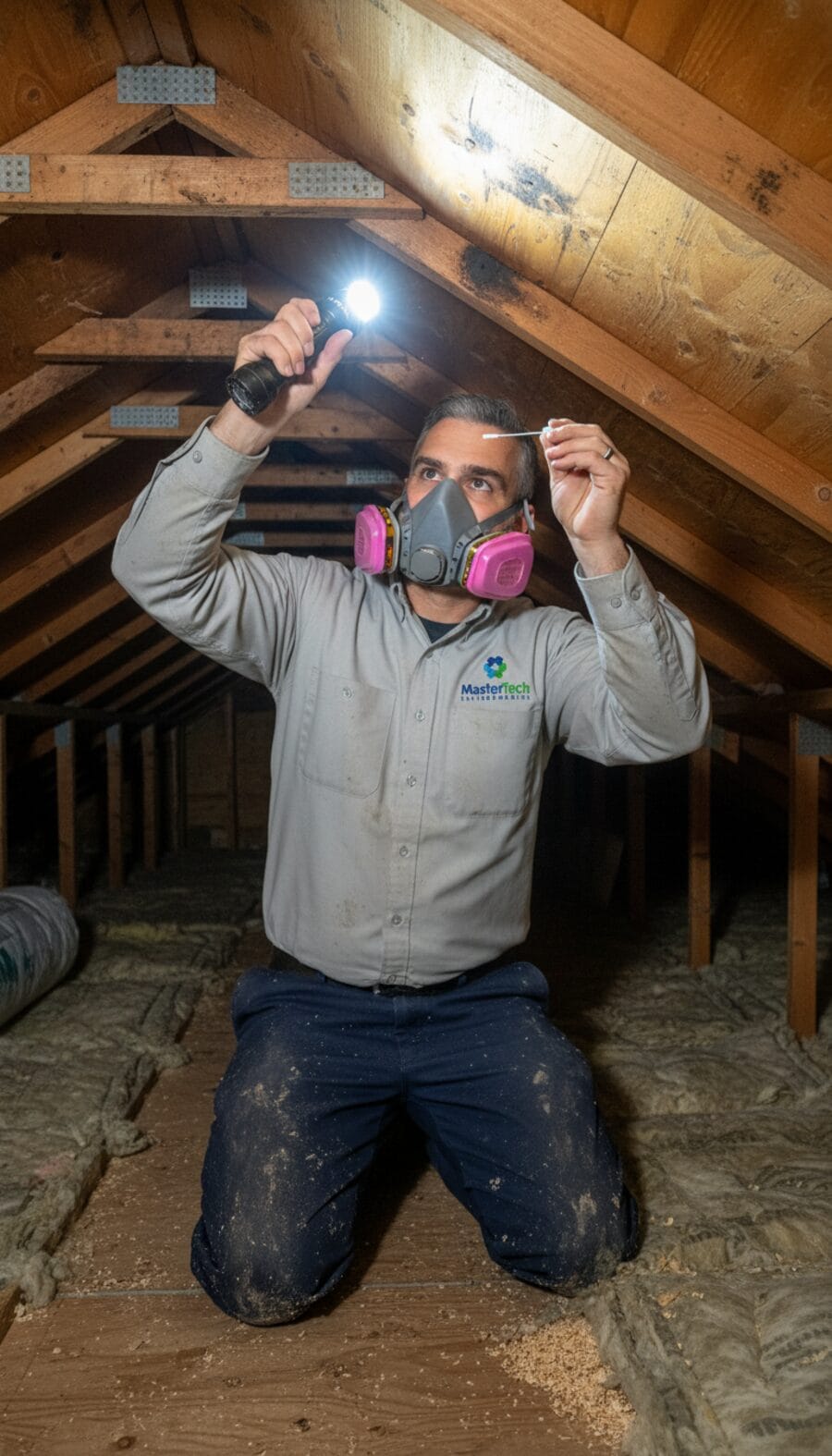
What a mold inspection costs in Manchester, PA
Flat pricing, nothing hidden. Extra samples beyond the 4 included are $85 each. Lab results come back in 1-2 business days.
- Visual inspection of the areas of concern
- Thermal imaging
- Moisture meter readings
- 4 air or surface samples
- Accredited independent lab analysis
- Written report with photos and readings
- Phone walkthrough of the results
Covers properties or inspected areas up to approximately 2,500 sq ft. Larger properties may need more inspection time, more areas or more sampling, so the price can go up — I'll tell you the number before I come out.
Schedule a residential inspection- Visual inspection of the areas of concern
- Thermal imaging
- Moisture meter readings
- 4 air or surface samples
- Accredited independent lab analysis
- Written report with photos and readings
- Phone walkthrough of the results
Covers the extra reporting and square footage that comes with commercial buildings. Additional samples $85 each.
Schedule a commercial inspectionSee the report before you hire me
The inspection is only worth as much as the paperwork you're left holding. Mine lays out what I looked at, what I found, what the lab said, and what should happen next — in language you can hand to a contractor, a landlord, or a realtor.
- Inspection summary
- Lab sample results
- Moisture readings
- Area-by-area notes
- Photos of findings
- Recommendations
- Limitations
- Next steps
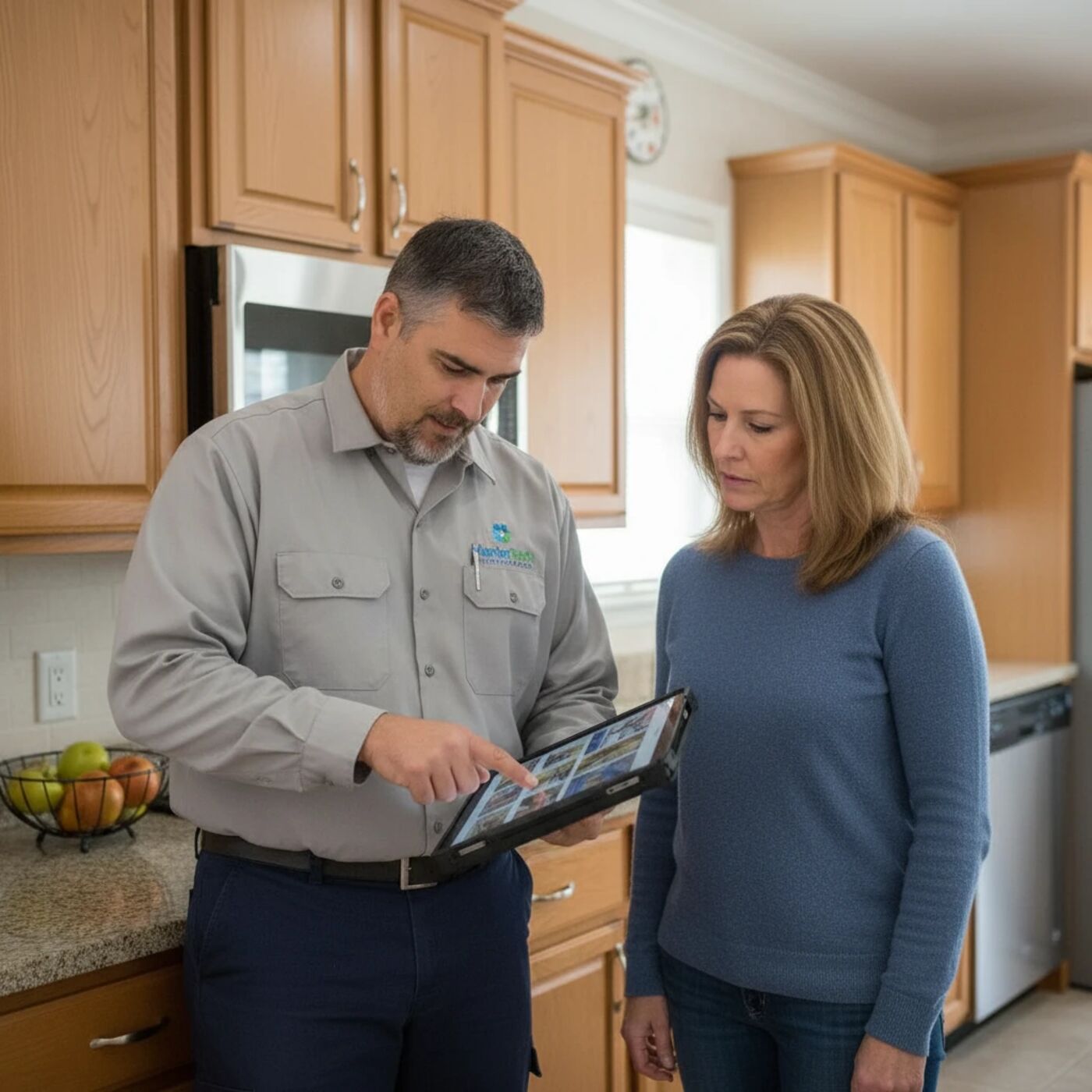
Mold inspection services in Manchester, PA
Residential and commercial, at the same flat pricing as the rest of my service area, with no travel charge to the borough.
Basement Mold Inspection
Moisture readings, thermal imaging and air samples in finished and unfinished basements.
Learn more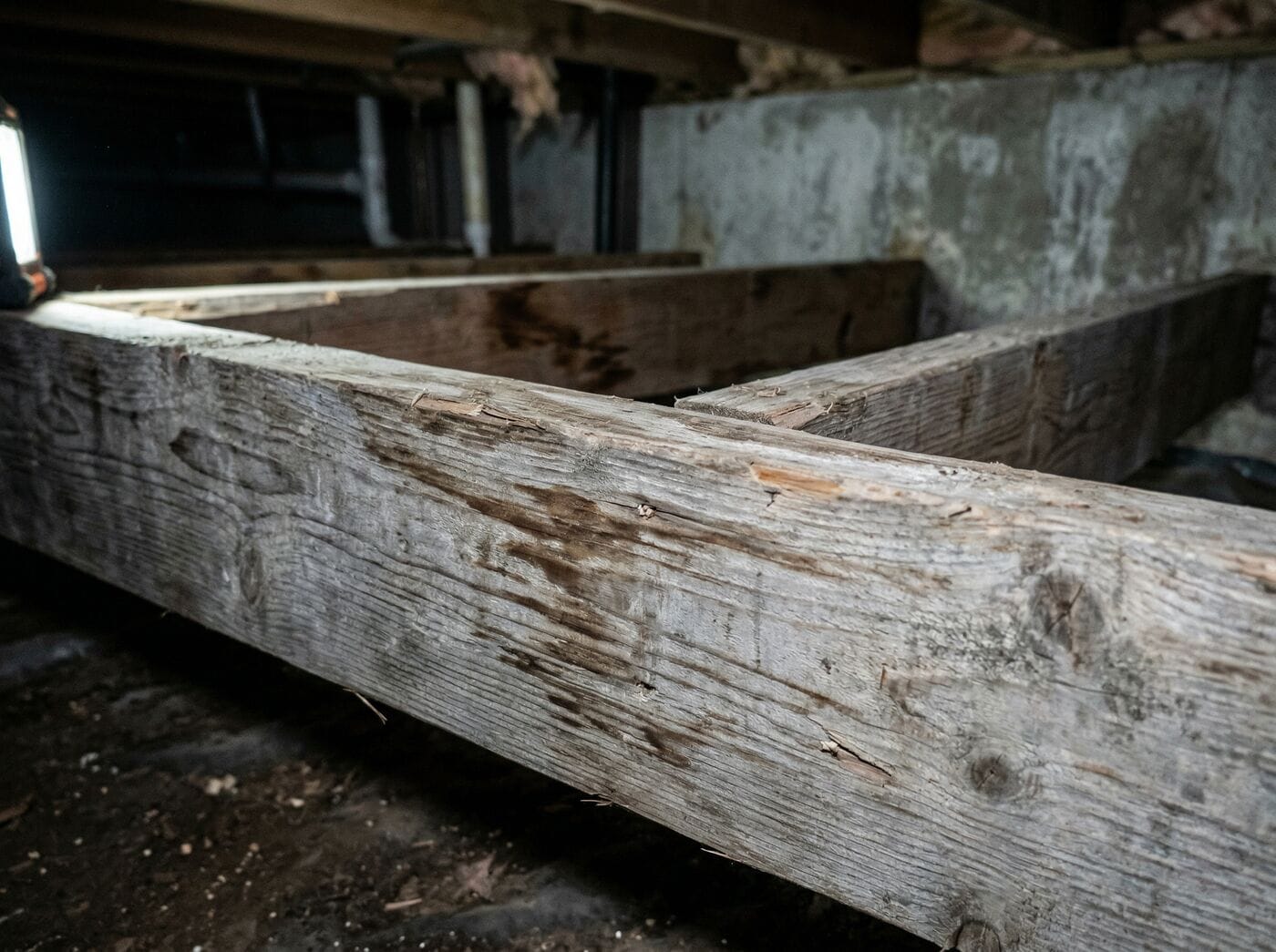
Crawl Space Mold Inspection
Joists, subfloor, vapor barrier and foundation walls in the space nobody looks at.
Learn more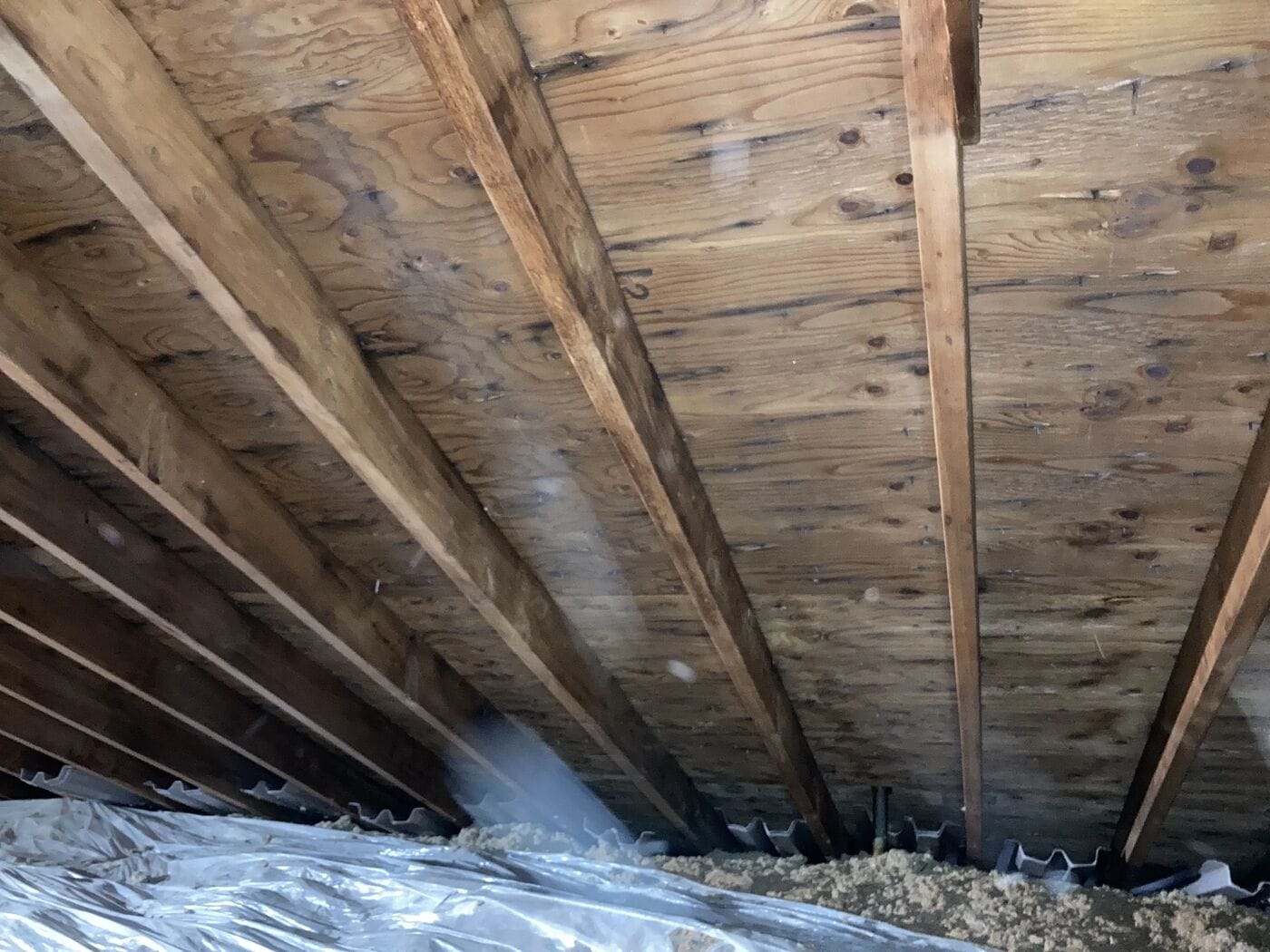
Attic Mold Inspection
Roof sheathing, rafters, bath fan venting and attic ventilation problems.
Learn more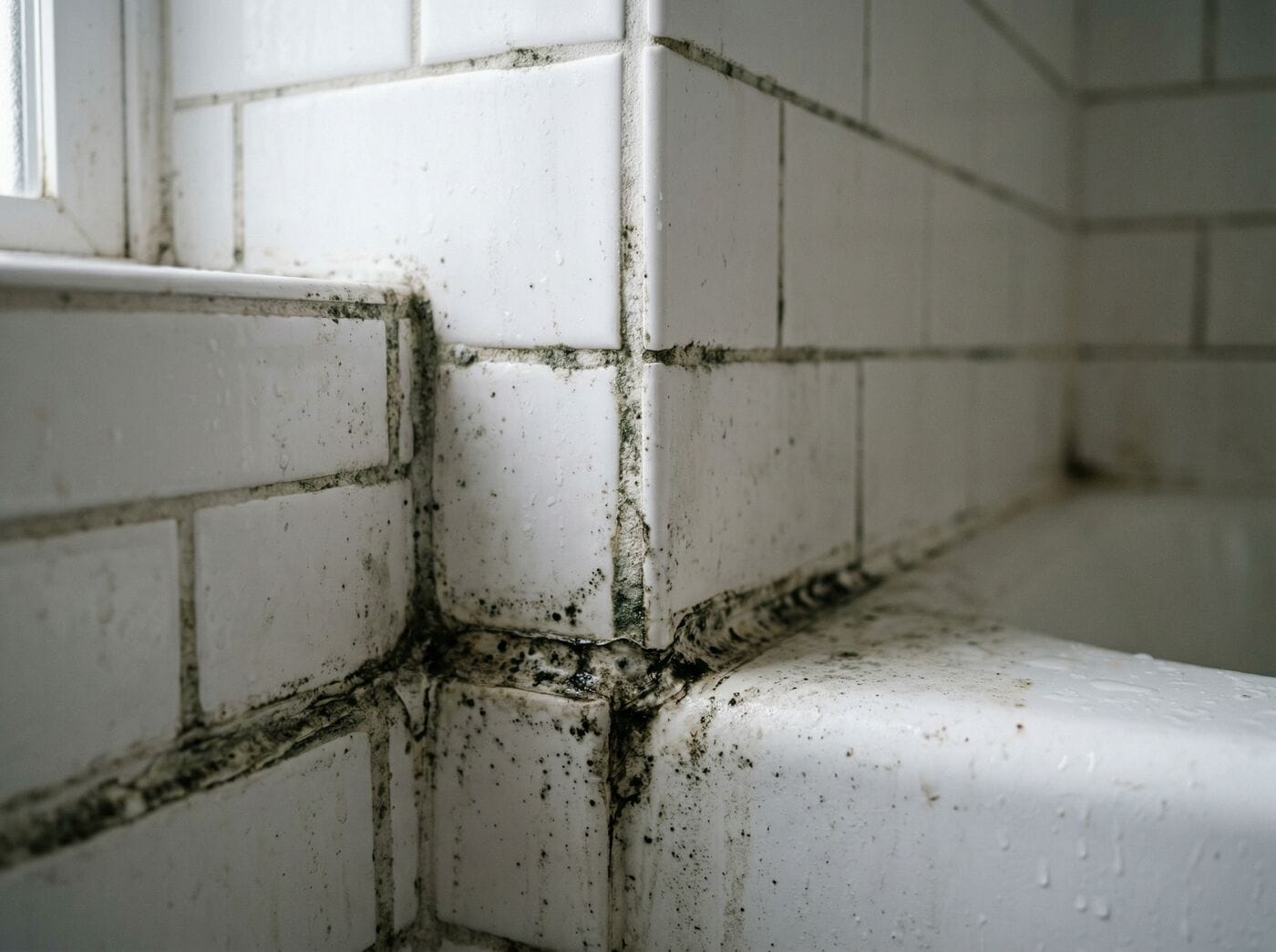
Bathroom Mold Inspection
Grout, under-sink cabinets, subfloor and exhaust fans in the dampest room in the house.
Learn more
Real Estate Mold Inspection
Pre-purchase and pre-listing testing with a report in 1-2 business days.
Learn more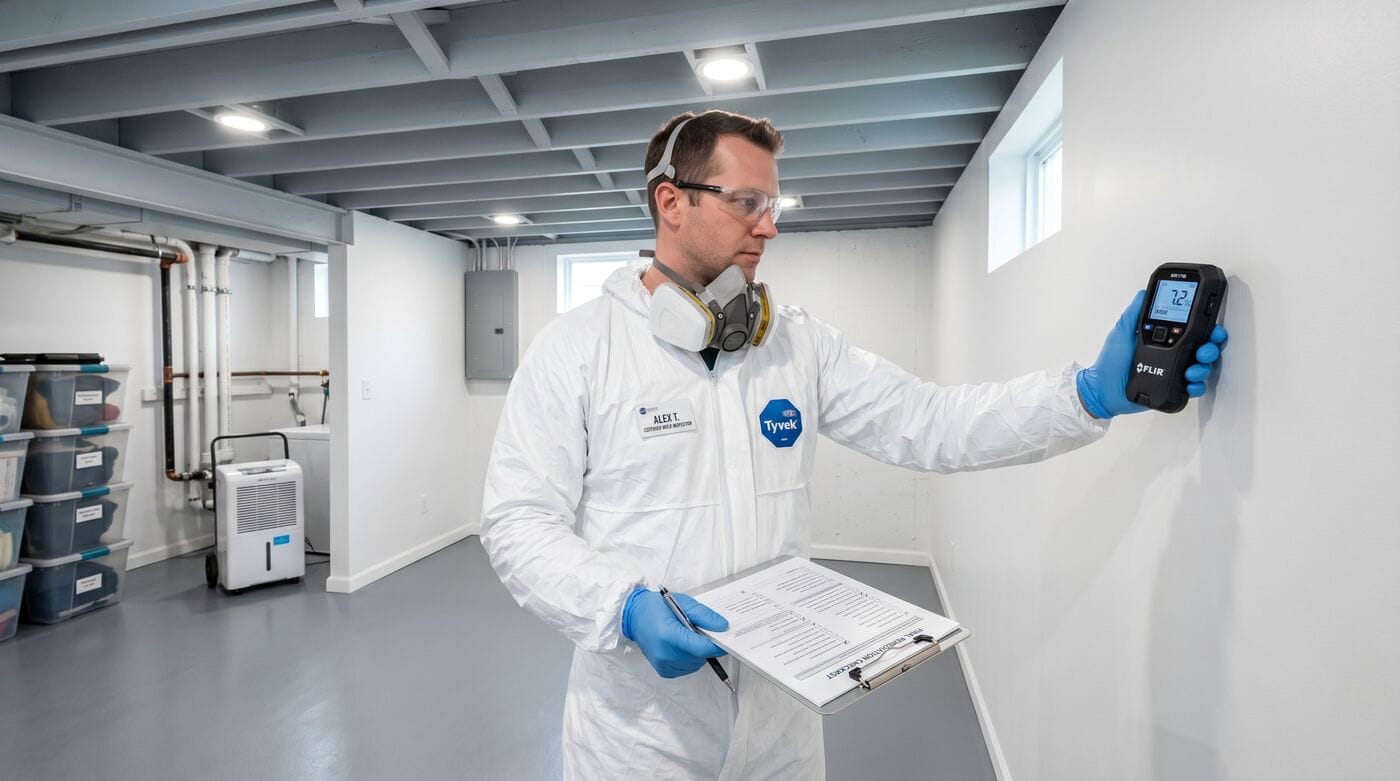
Mold Clearance Testing
Independent post-remediation verification after a remediation contractor finishes the work.
Learn more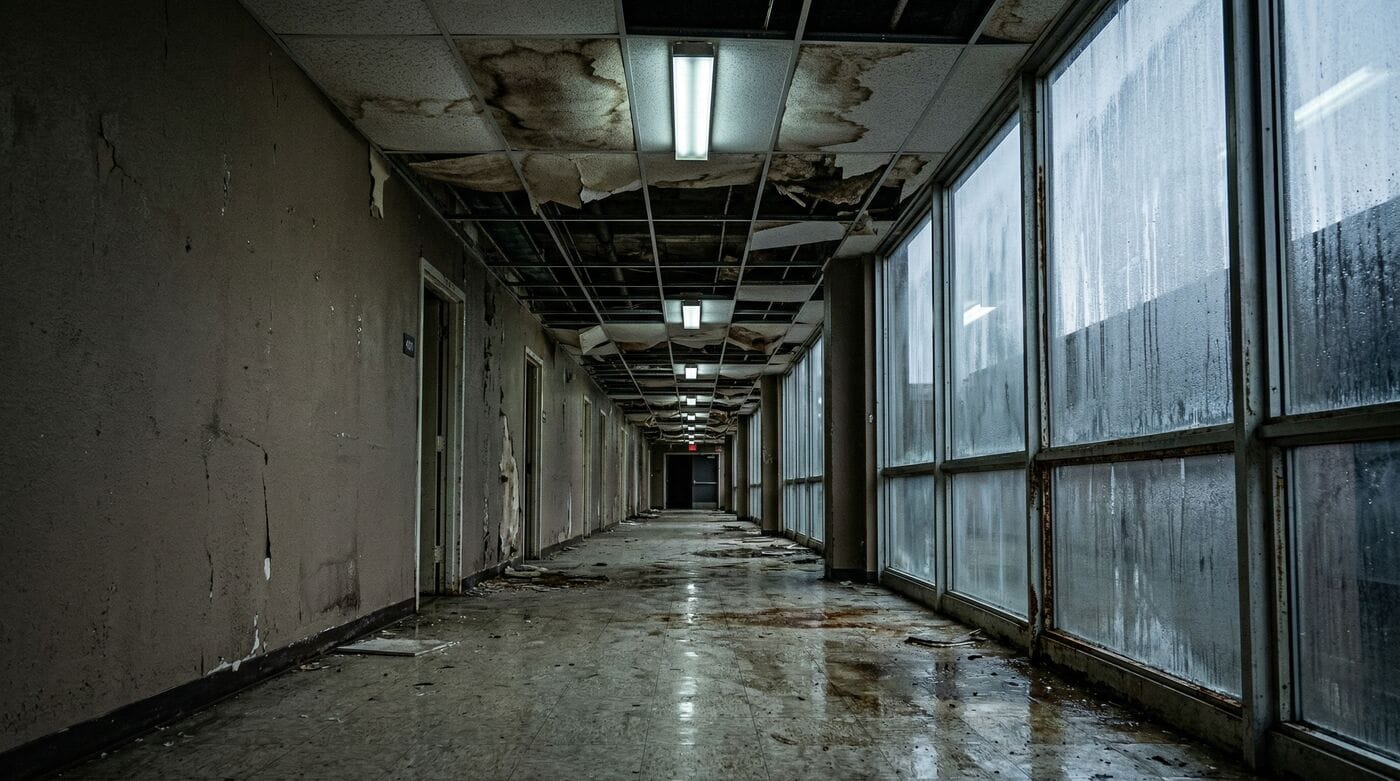
Commercial Mold Inspection
Offices, rentals, schools, restaurants and warehouses, with documentation you can file.
Learn more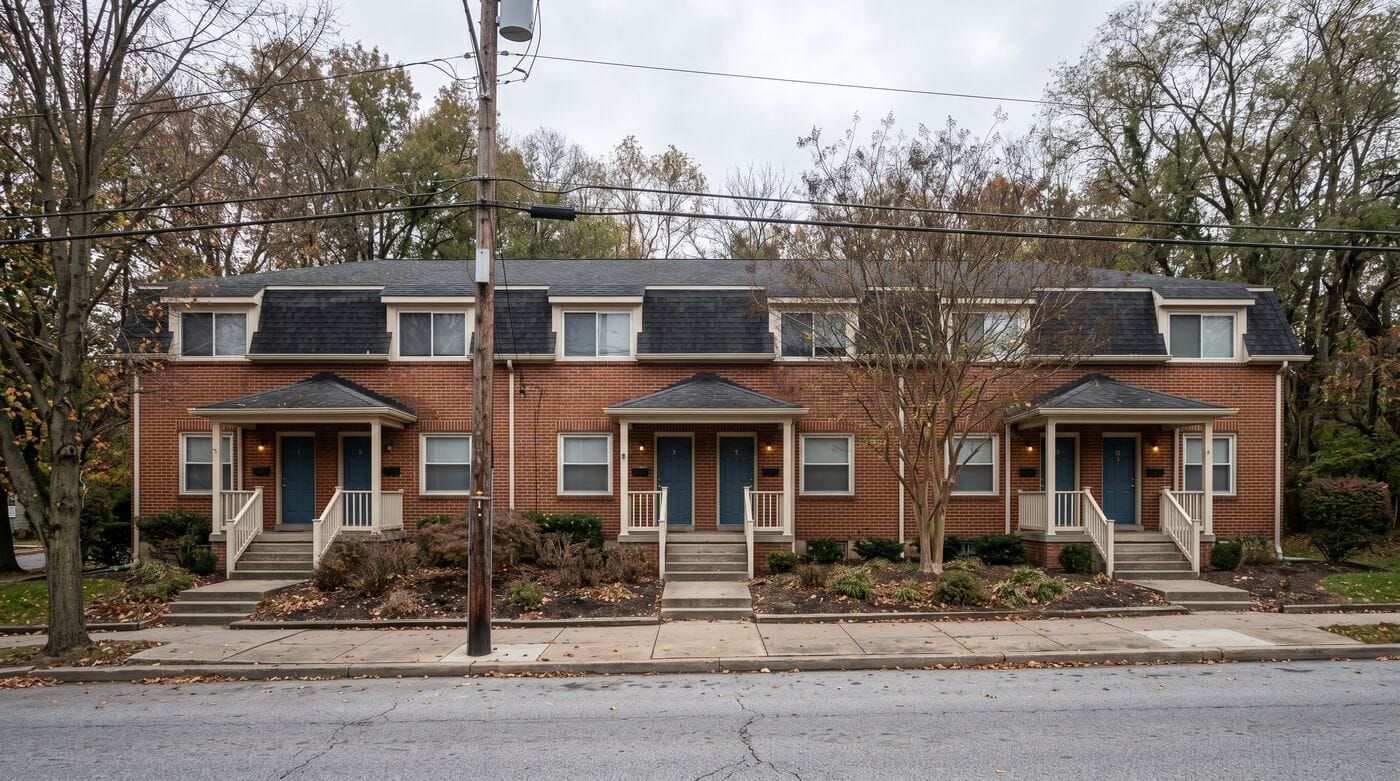
Landlord / Tenant Mold Inspection
Neutral third-party inspections and reports for rental disputes and code complaints.
Learn moreLooking for one thing in particular?
If you got here searching for something specific, these pages go straight at it.
Mold inspection cost in York, PA
The flat price — $450 residential, $785 commercial — what it includes, and why free inspections cost more.
Read thisMold inspector near me
What a real inspection covers, what to ask before you hire, and why free ones cost more.
Read thisMold testing near me
Air, surface and ERMI testing explained, with what each one can and can't tell you.
Read thisAttic mold
Why attics in this climate grow mold on the sheathing, and how the testing answers it.
Read thisWhat Manchester borough homeowners say
Rated 5.0 from 5 Google reviews.
I could not recommend this business enough for mold inspections! If you're looking for quick turnaround, great communication and honest upfront service - this is your place. Tom was respectful, professional, and explained everything in great detail.
Truly the best! I can't say enough good things about Tom. I truly feel like I had someone I could count on by my side during this very stressful situation.
We had a great experience with Tom at Mastertech throughout this whole process. They took extra time to answer all of our questions and explained everything in a way that actually made sense.
Manchester mold inspection questions
$450 residential and $785 commercial, both including 4 accredited lab samples. Extra samples are $85. Manchester borough is within my normal service area, so no travel charge.
Where I work
I cover York and the towns around it — basically anything within about 7 miles of 2400 Taxville Rd, York, PA 17408, plus a good bit of York County beyond that. If you're close and don't see your town, call me anyway.
Based in York, not a call center
You reach me directly, and I'm the one who shows up and does the inspection. Most weeks I can be out within a couple of days, sooner if you're up against a closing date.