
Mold inspection and testing in Manchester Township, PA
Manchester Township runs up York's north side along I-83 and the Susquehanna Trail — about twenty thousand people, mostly in single-family houses, a large share of them built from the 1990s onward. Newer houses don't get the leaks the old city stock gets. They get condensation: mechanical systems moving moisture around a sealed envelope, bath fans that never run, and construction water that hasn't finished leaving yet. Those are measurable, and the report says which one you have.
- — CMI certified, PMII, since 2010
- — $450 flat, 4 samples included
- — Humidity and thermal readings included
- — Report in 1-2 business days
Why newer houses on the north side grow mold without a leak
Nothing is broken and nothing is wet to the touch. The water is in the air, the system is moving it, and it's condensing where nobody looks.
Manchester Township sits directly north of the city and stretches up along I-83 and the Susquehanna Trail through Emigsville and out toward the commerce corridor. Around twenty thousand people live here, and the housing is overwhelmingly single-family — the township's own trend reporting puts single-unit housing at roughly 98% of the stock, with newer apartment and townhouse development concentrated near the highway. A large share of it went up from the 1990s onward, which is exactly the vintage where mold stops behaving the way homeowners expect.
Older houses leak water and leak air, so their problems announce themselves: a stain, a drip, a wet corner. A modern house does neither. It is built tight on purpose, and that means whatever moisture gets in stays in until a mechanical system removes it. So the honest starting question here is usually whether there's any leak at all — and you absolutely can have mold without a water leak. Humidity alone will do it, given a cold enough surface.
The first mechanism is the mechanical system itself. Air handlers and duct runs up here are frequently in unconditioned attics. In July that attic is 130 degrees and humid, the supply ducts inside it are running near 55, and every inch of jacket that's torn or compressed sweats. Pans silt up, condensate lines plug with biological growth, and the water ends up on the top of the ceiling drywall below. Return ducting is the other half of it: a return pulling air out of a damp crawl space, a garage or a mechanical closet will take one small source and distribute the smell through the entire house, which is why people tell me the whole place smells musty and they can't find anything anywhere.
The second is cooling capacity. Air conditioners here get replaced with bigger ones on the theory that bigger is better, and the result is a house that is cold and humid at the same time — the unit satisfies the thermostat and shuts down before the coil has run long enough to condense water out of the air. That's how you get 72 degrees in the hallway and visible growth in an exterior-wall closet. Summer humidity in Pennsylvania houses does most of its damage in exactly that condition, and a dehumidifier in the basement doesn't reach it. I take humidity readings room by room so the pattern is on paper rather than in dispute.
The third is ventilation that exists on the plans and not in practice. Two showers a day put a real volume of water into a sealed house, and the bath fan is the only designed exit. Half the fans I test are too loud to use, too small for the room, or terminate in the attic, a soffit or a joist bay instead of outside the building — still, in new construction. What leaves the bathroom then condenses on the coldest surface it can reach, which is the roof sheathing, and after enough winters you get the dark banding along the nail lines that people photograph and send me. Winter condensation and ventilation problems are almost always a venting story, not a roofing story — though when there really is a roof leak, the combination of a roof leak and attic mold is easy enough to separate with a meter.
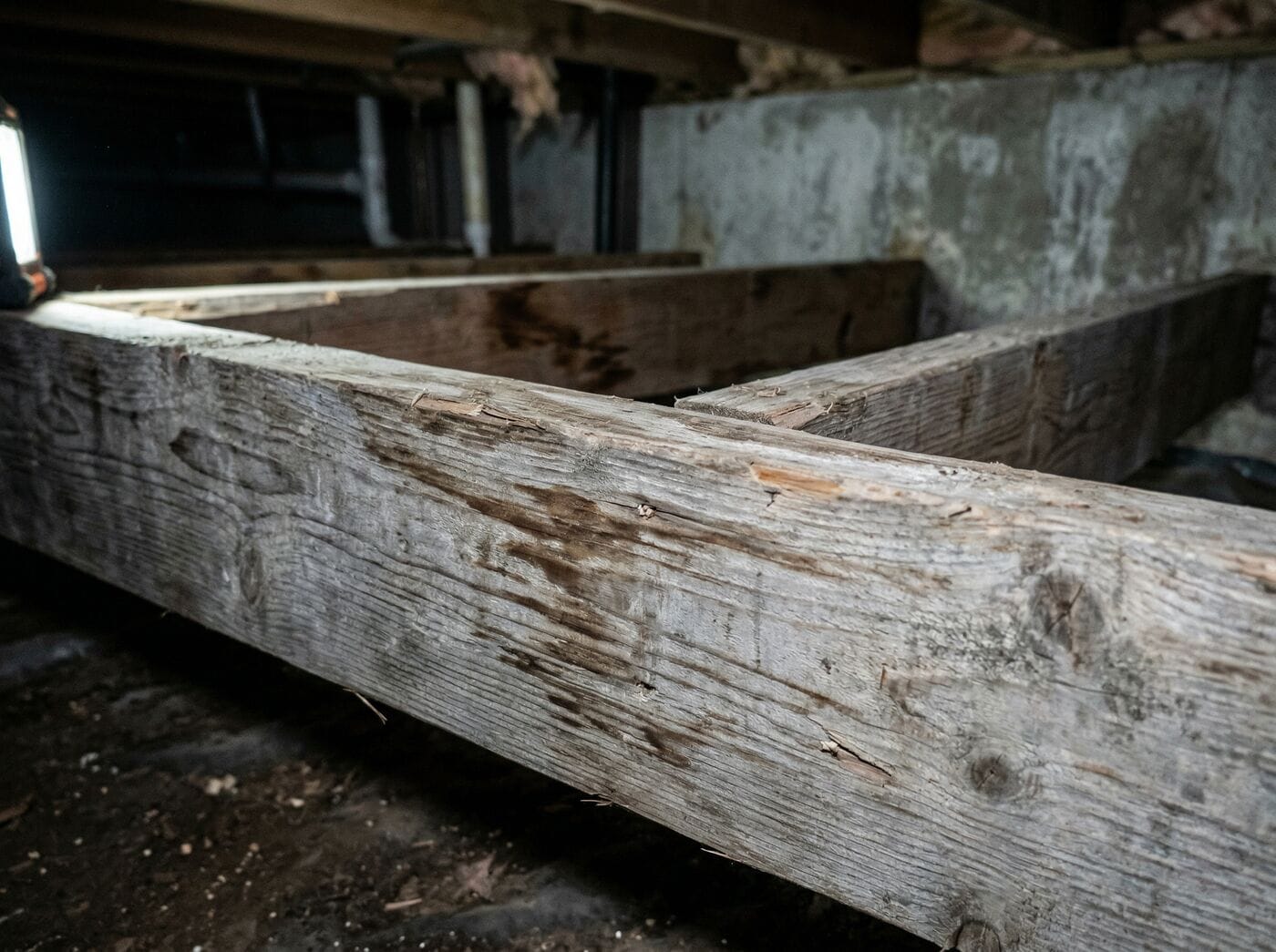
Below the floor, the newer stock here often has a crawl space rather than a full basement — sealed, lined, sometimes conditioned, sometimes vented, and occasionally all of those in the wrong combination. Crawl space moisture problems are the quietest ones I find, because nobody goes down there for years at a stretch, and the growth starts on the joists and subfloor directly over the liner. If you're trying to work out where to be worried first, the difference between basement and crawl space mold comes down to which one you can smell from upstairs.
And around Emigsville the job changes character entirely. The older village housing along the Susquehanna Trail has shallow block or stone foundations, additions that drain differently than the original house, and mechanical systems replaced two or three times. There I spend my time on the foundation, the chimney chase and the additions instead of the ductwork. Same price, same report, different order of operations.
Either way the point is diagnostic. I measure moisture, temperature and humidity, image what's behind the drywall and above the ceiling, and send samples to an independent accredited lab. Then the report tells you whether to call an HVAC contractor, a builder under warranty, a roofer or nobody at all.
What I run into most in Manchester Township
- The township on York's north side, roughly twenty thousand people, running from the city line up along I-83 and the Susquehanna Trail.
- Housing that is overwhelmingly single-family — close to 98% single-unit by the township's own trend reporting — with newer apartment and townhouse development added near the commerce corridor.
- A lot of construction from the 1990s onward: tight envelopes, poured foundations, sealed or conditioned crawl spaces and mechanical ventilation that was rarely commissioned properly.
- Air handlers and duct runs in unconditioned attics, sweating in July and dumping condensate onto the ceiling below when the pan or the line plugs.
- Oversized cooling equipment that cools the house without dehumidifying it.
- Bath and kitchen fans that terminate in an attic, a soffit or a joist bay instead of outside the building.
- The older village stock in and around Emigsville — shallow block and stone foundations, additions, and heating systems replaced two or three times over.
- New houses in their first two or three years, still giving off the water that went into the framing, the drywall compound and the slab.
Tell me the address, the approximate age of the house and what you're smelling or seeing. I'll come back with timing and an exact price.
When it's worth getting mold testing in Manchester Township
If any of this sounds like your house, an inspection from $450 is cheaper than guessing at a new air conditioner.
A musty smell that shows up when the system runs
If the odor arrives with the air, the air is carrying it. A wet coil, a plugged condensate line or return ducting drawing from a crawl space or garage will distribute one damp spot through the entire house.
Cold and clammy at the same time
An oversized air conditioner reaches setpoint before the coil runs long enough to pull water out of the air. The thermostat says 72 and the closets on the exterior walls are at 65% humidity.
Bath fans nobody uses, or fans venting into the attic
In a tight house the fan is the only designed way for shower moisture to leave. I still find new construction where the duct terminates in the attic or a soffit instead of through the roof or wall.
A unit in a newer apartment or townhouse building
Attached and stacked units share walls, stacks and sometimes mechanicals, so a problem can start two units away. The useful answer comes from comparing your unit against a similar one and an outdoor baseline.
How a Manchester Township mold inspection goes
Same process and the same flat pricing whether it's a three-year-old house off the Trail or an older place in Emigsville.
You call or text me
You get me, not a call center. Tell me the approximate age and square footage of the house, whether there's a basement or a crawl space, where the air handler lives and what you're smelling or seeing. Up here the mechanicals matter, so those answers shape the visit.
I come out and look
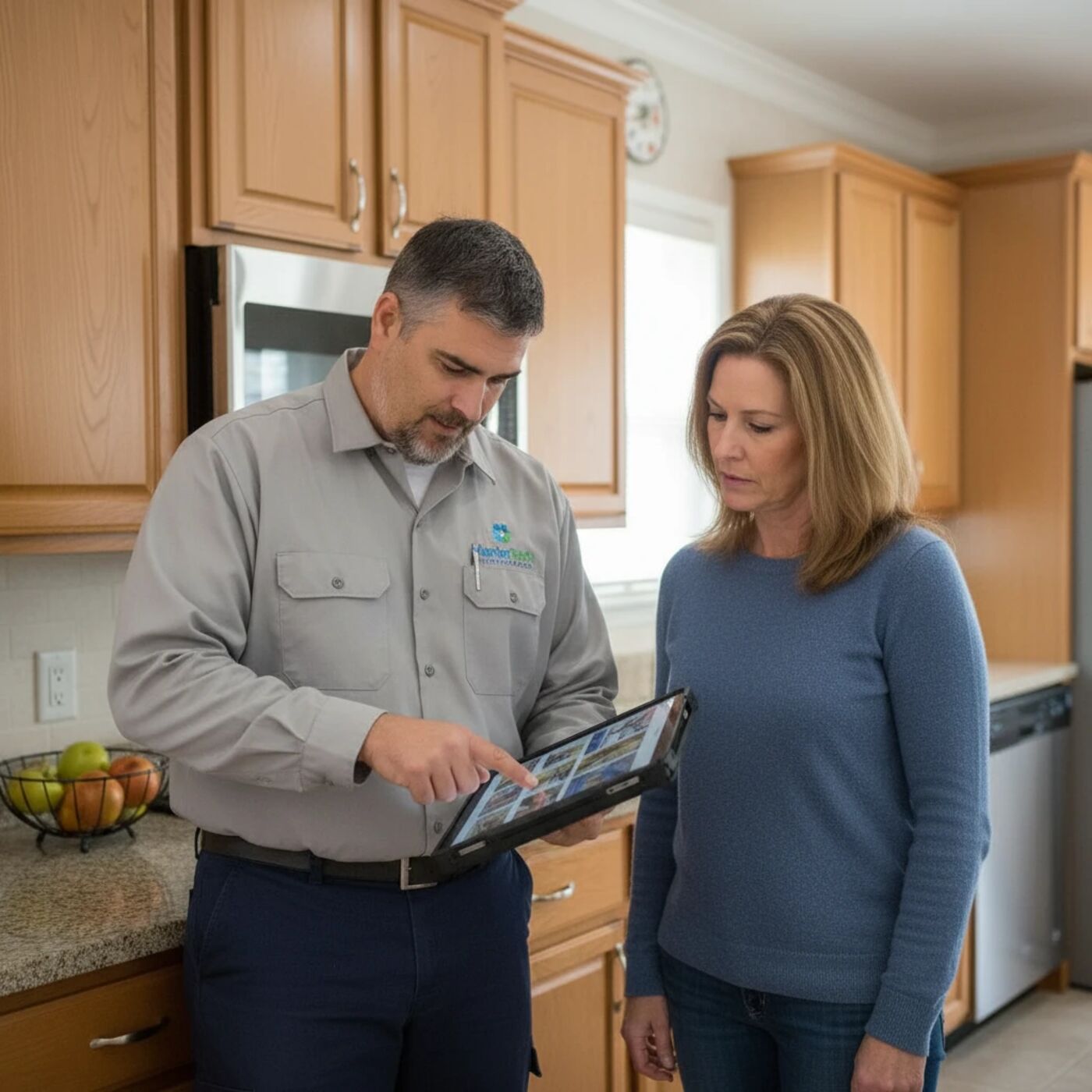
Ninety minutes for a typical house. Basement or crawl space, the attic and the duct runs in it, the air handler, the baths, and humidity readings room by room. Thermal imaging on ceilings under attic ductwork and on exterior-wall closets, which is where a dehumidification problem shows first.
I sample where it answers a question
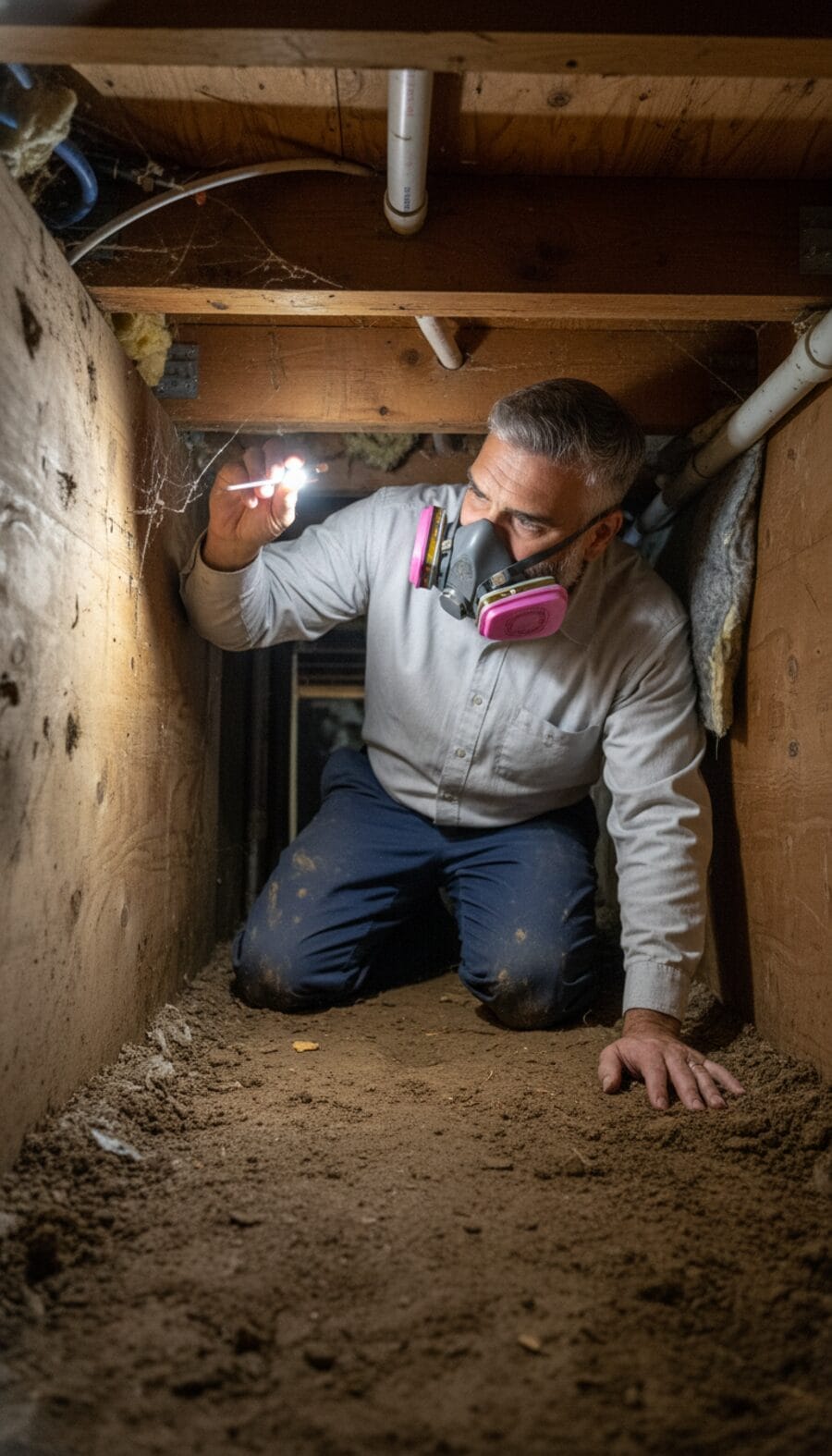
4 samples included — air, surface, or a mix. On a mechanically driven problem I sample in the supply air, in the complaint room and outdoors as a baseline, because that combination tells you whether the system is the distributor or just the messenger. Extras are $85 each and I tell you before I take one.
The lab runs it
An independent accredited lab analyzes every sample, and its own data pages go into your report. I don't own the lab, take no cut of the findings, and have no cleanup to sell.
You get the report
Written report in 1-2 business days: photographs, moisture and humidity readings by area, lab results explained in plain terms, my read on the source, and next steps in priority order.
We go over it on the phone
Written so an HVAC contractor, a builder, a property manager or a buyer's agent can act on it without a translator.
I don't do remediation, and that changes everything
When the real fix is a condensate line and a duct jacket, you want that finding from someone with no cleanup to sell and no equipment to move.
- No remediation work sold, ever
- No referral fees from remediation, HVAC or waterproofing contractors
- No ownership stake in the lab that runs the samples
- I'll tell you when the answer is a $40 fan and a $200 duct repair
- Samples taken because a question needs answering, not to run up a bill
- If your house tests clean, the report says clean
What a mold inspection costs in Manchester Township, PA
Flat pricing, nothing hidden. Extra samples beyond the 4 included are $85 each. Lab results come back in 1-2 business days.
- Visual inspection of the areas of concern
- Thermal imaging
- Moisture meter readings
- 4 air or surface samples
- Accredited independent lab analysis
- Written report with photos and readings
- Phone walkthrough of the results
Covers properties or inspected areas up to approximately 2,500 sq ft. Larger properties may need more inspection time, more areas or more sampling, so the price can go up — I'll tell you the number before I come out.
Schedule a residential inspection- Visual inspection of the areas of concern
- Thermal imaging
- Moisture meter readings
- 4 air or surface samples
- Accredited independent lab analysis
- Written report with photos and readings
- Phone walkthrough of the results
Covers the extra reporting and square footage that comes with commercial buildings. Additional samples $85 each.
Schedule a commercial inspectionSee the report before you hire me
The inspection is only worth as much as the paperwork you're left holding. Mine lays out what I looked at, what I found, what the lab said, and what should happen next — in language you can hand to a contractor, a landlord, or a realtor.
- Inspection summary
- Lab sample results
- Moisture readings
- Area-by-area notes
- Photos of findings
- Recommendations
- Limitations
- Next steps
Mold inspection services in Manchester Township, PA
Crawl spaces, basements, attics, bathrooms, rentals, pre-purchase and pre-listing testing, all at flat pricing with no trip charge.
Basement Mold Inspection
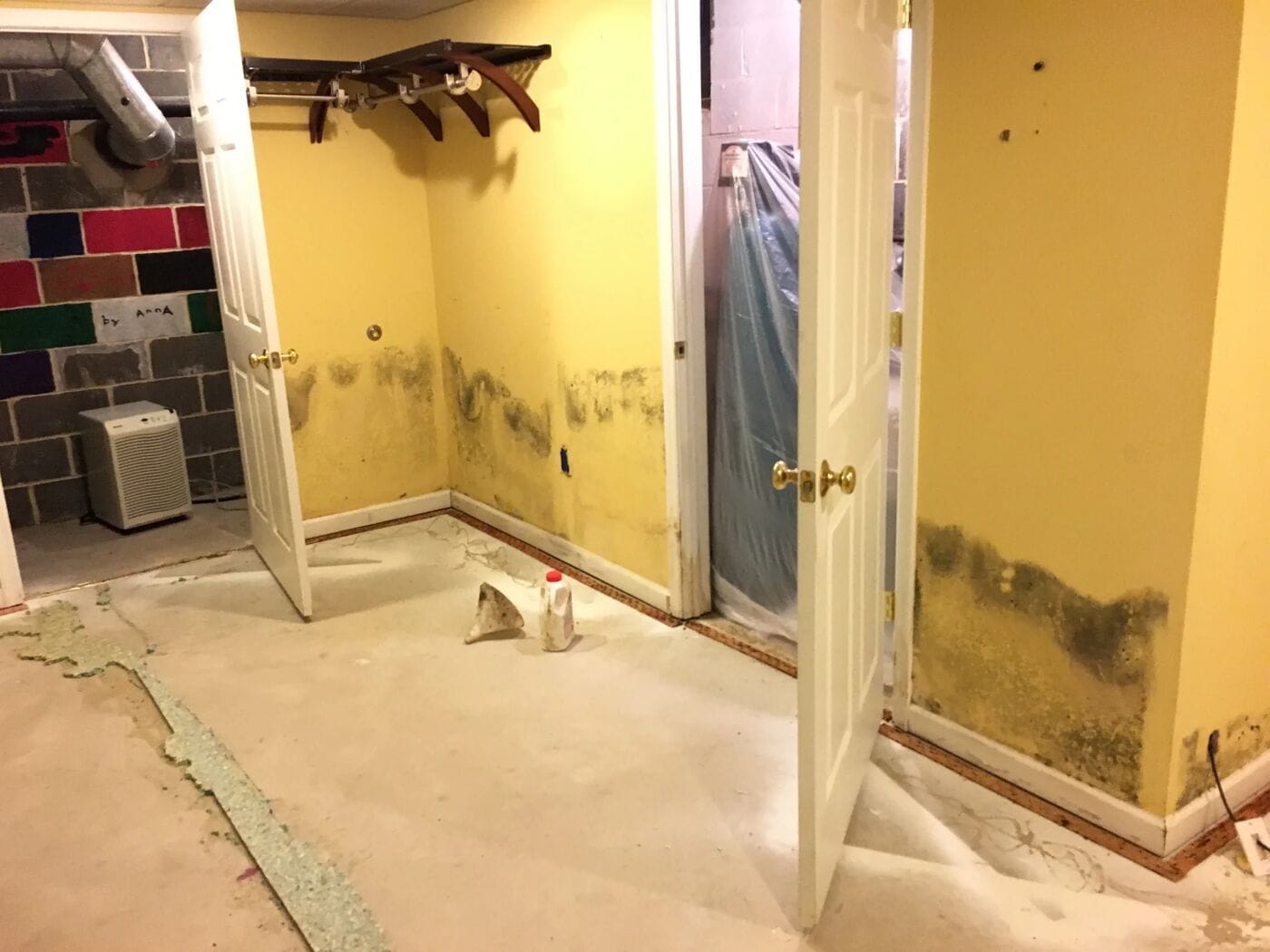
Moisture readings, thermal imaging and air samples in finished and unfinished basements.
Learn moreCrawl Space Mold Inspection
Joists, subfloor, vapor barrier and foundation walls in the space nobody looks at.
Learn more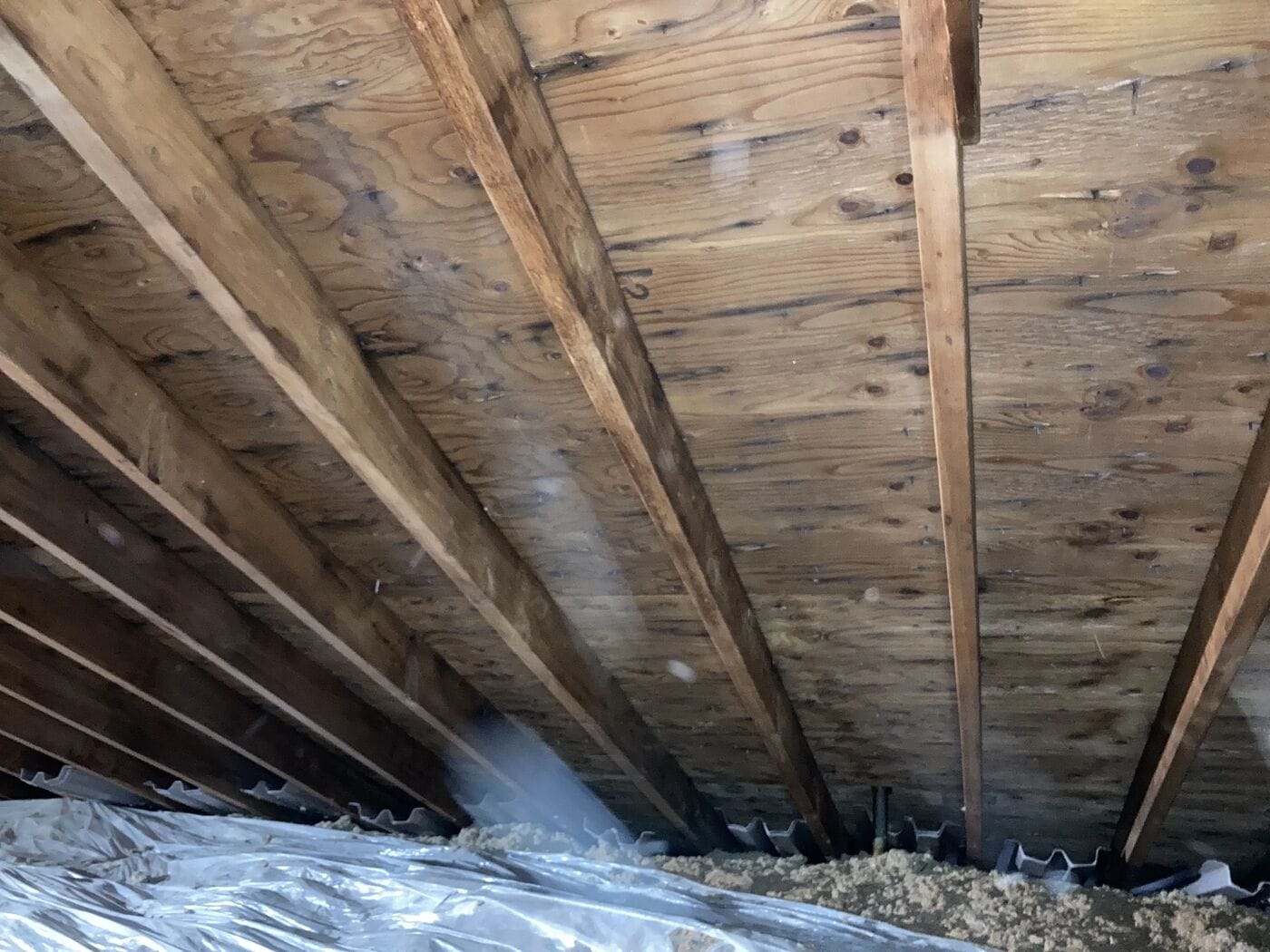
Attic Mold Inspection
Roof sheathing, rafters, bath fan venting and attic ventilation problems.
Learn more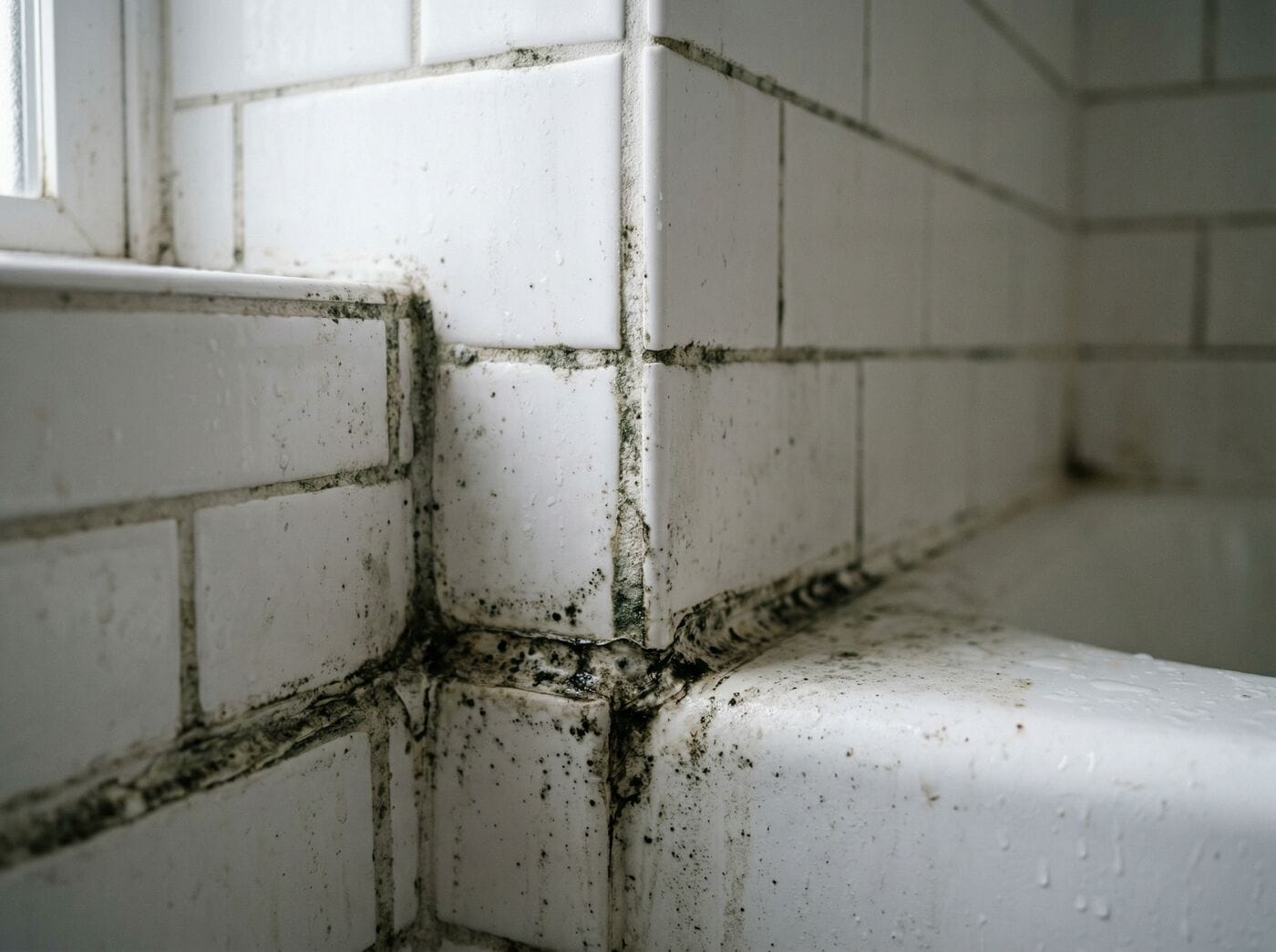
Bathroom Mold Inspection
Grout, under-sink cabinets, subfloor and exhaust fans in the dampest room in the house.
Learn more
Real Estate Mold Inspection
Pre-purchase and pre-listing testing with a report in 1-2 business days.
Learn more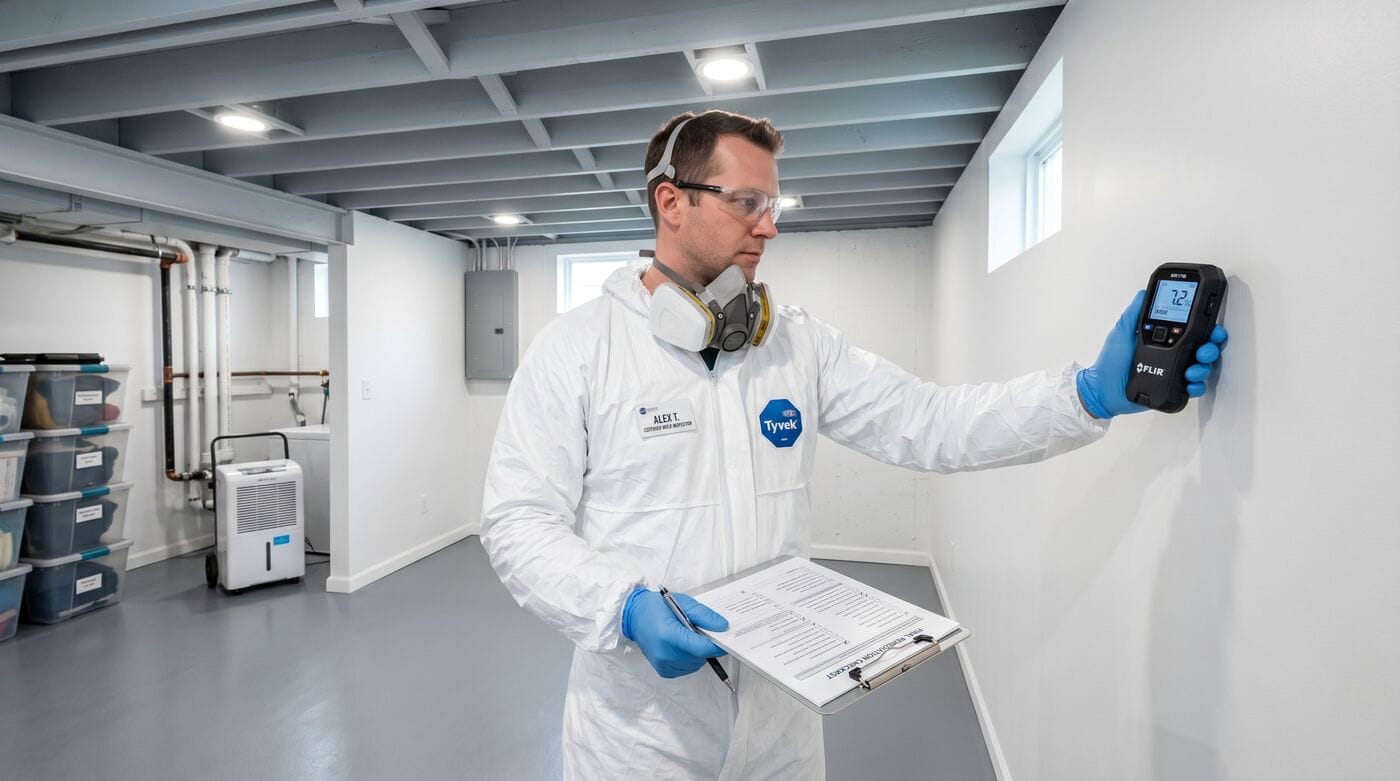
Mold Clearance Testing
Independent post-remediation verification after a remediation contractor finishes the work.
Learn more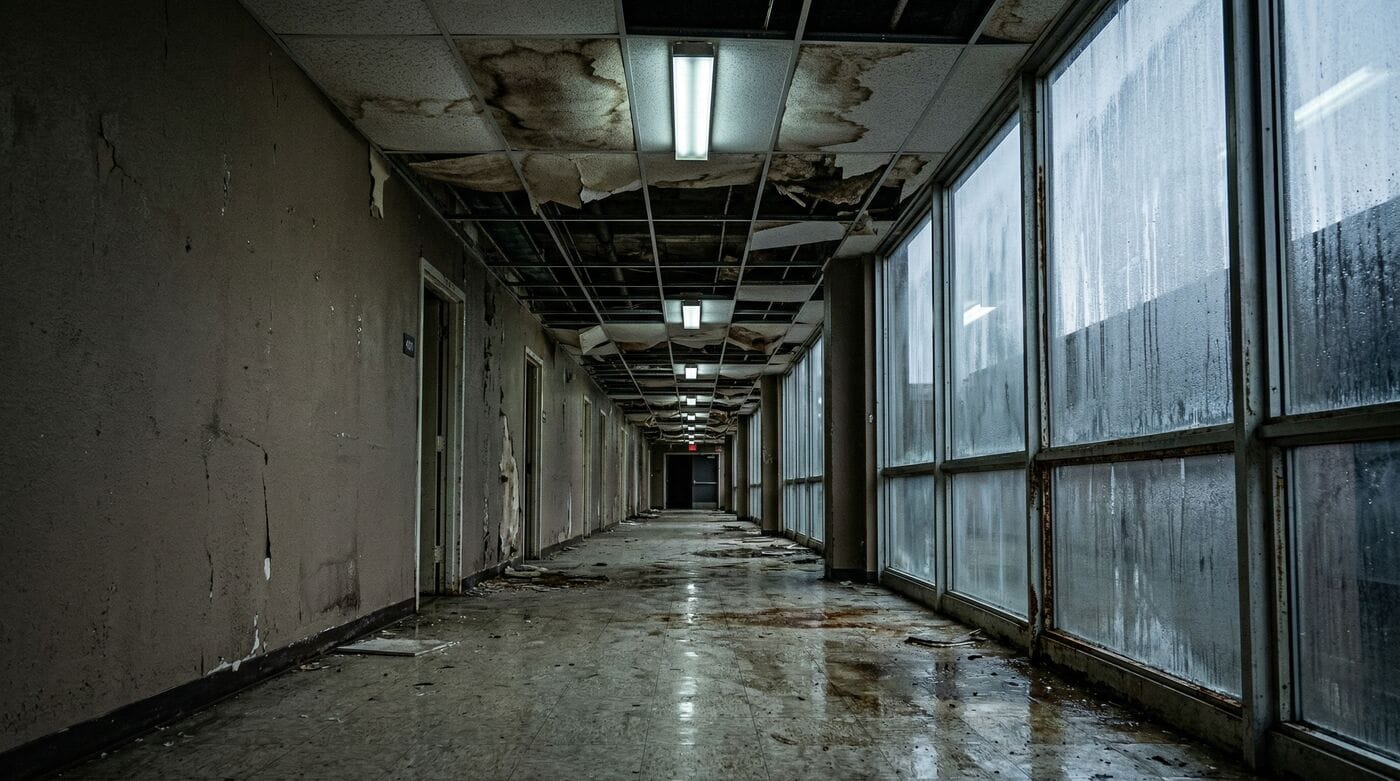
Commercial Mold Inspection
Offices, rentals, schools, restaurants and warehouses, with documentation you can file.
Learn more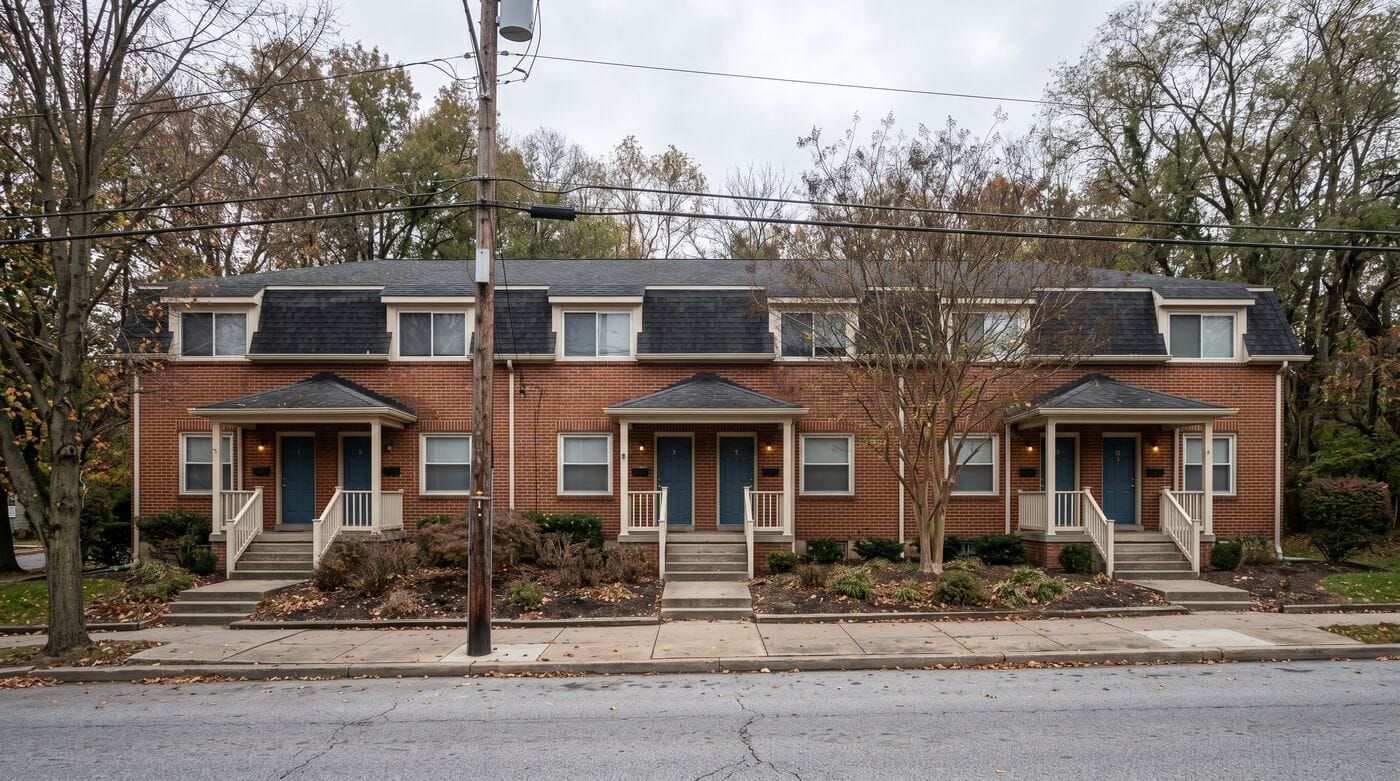
Landlord / Tenant Mold Inspection
Neutral third-party inspections and reports for rental disputes and code complaints.
Learn moreLooking for one thing in particular?
If you got here searching for one specific thing, these pages go straight at it.
Mold inspection cost in York, PA
The flat price — $450 residential, $785 commercial — what it includes, and why free inspections cost more.
Read thisMold inspector near me
What a real inspection covers, what to ask before you hire, and why free ones cost more.
Read thisMold testing near me
Air, surface and ERMI testing explained, with what each one can and can't tell you.
Read thisAttic mold
Why attics in this climate grow mold on the sheathing, and how the testing answers it.
Read thisArticles about humidity, HVAC and condensation
What I find in houses like these, written up from the inspections themselves.
Summer Humidity & Indoor Air Quality in PA Homes
Pennsylvania summers bring high humidity, warm temperatures, and conditions that are nearly ideal for mold growth. Understanding how summer humidity affects your home's indoor air quality is the first step to protecting your family's health.
Read the articleWinter Condensation & Ventilation Problems
Many homeowners are surprised to discover mold in winter - a season they assume is too cold for mold growth. But condensation from poor ventilation creates ideal mold conditions in attics, crawl spaces, and on exterior walls throughout the cold months.
Read the articleHow HVAC Systems Spread Mold Smells Through Properties in York, PA
When a musty smell appears at every vent in the house, the HVAC system is not the cause - it's the delivery mechanism. Here's exactly how forced-air systems distribute mold odors through York County properties and what to do about it.
Read the articleWhat Manchester Township homeowners and buyers say
Rated 5.0 from 5 Google reviews.
I could not recommend this business enough for mold inspections! If you're looking for quick turnaround, great communication and honest upfront service - this is your place. Tom was respectful, professional, and explained everything in great detail.
Truly the best! I can't say enough good things about Tom. I truly feel like I had someone I could count on by my side during this very stressful situation.
We had a great experience with Tom at Mastertech throughout this whole process. They took extra time to answer all of our questions and explained everything in a way that actually made sense.
Manchester Township mold inspection questions
$450 residential and $785 commercial, both including 4 accredited lab samples, with extras at $85 each. Manchester Township is a short run up I-83 or the Susquehanna Trail from the shop, so there's no trip charge.
Where I work
I cover York and the towns around it — basically anything within about 7 miles of 2400 Taxville Rd, York, PA 17408, plus a good bit of York County beyond that. If you're close and don't see your town, call me anyway.
Based in York, not a call center
You reach me directly, and I'm the one who shows up and does the inspection. Most weeks I can be out within a couple of days, sooner if you're up against a closing date.