
Mold inspection and testing in West York, PA
West York has been its own borough since 1904, and most of what I inspect here went up in the decades on either side of the war: modest houses on narrow lots, hollow block basements, and rec rooms that got finished long after the fact. Almost every call I take in the borough comes back to the same place — a basement wall that stays damp behind something somebody built against it. I find it, measure it, and tell you where the water starts. I don't sell remediation.
- — CMI certified, PMII, since 2010
- — $450 flat, 4 samples included
- — Five minutes from my shop — no trip charge
- — Report in 1-2 business days
Why West York mold problems start in the basement
Small lots, block foundations and finished lower levels. Put those three together and you get the single most predictable mold pattern in York County.
West York is a compact borough, and the housing reflects it. Houses sit close together on narrow lots with alleys behind them, and the great majority are built on hollow concrete block rather than the stone you find inside the city or the poured walls you find out in the newer townships. Block matters more than people realize. Each unit is a row of hollow cores, and those cores wick and hold water. A wall can be bone dry on the surface and still read wet in the meter two or three courses up, because the water is inside the block moving by capillary action rather than running down the face of it.
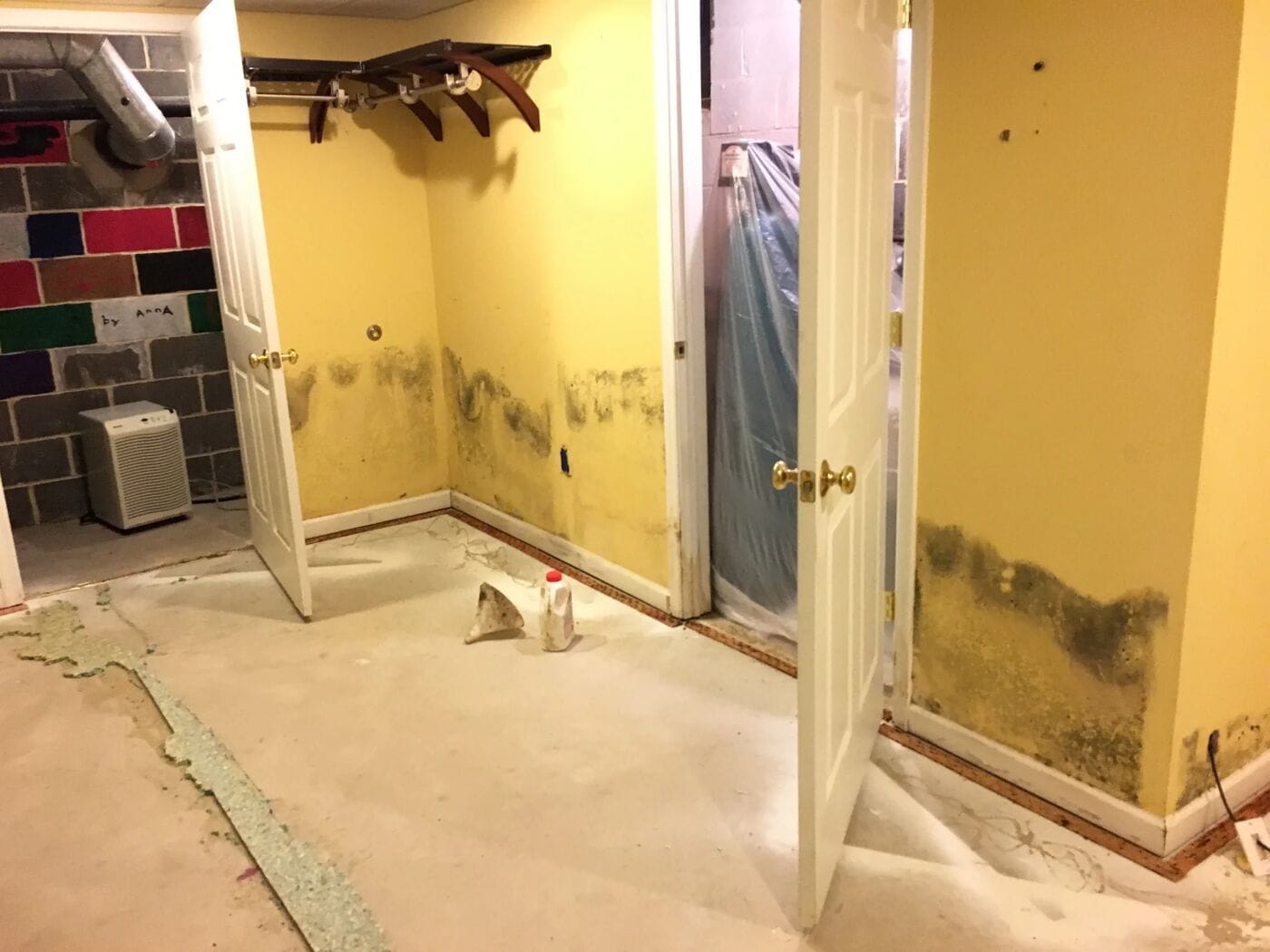
Now add the thing that makes this borough distinct: an enormous share of these basements have been finished. Sometime in the last fifty years somebody built a rec room down there — studs nailed flat against the block, paneling or drywall over the studs, a drop ceiling, carpet with a foam pad. It was almost never done with a capillary break, a drainage plane or an air gap, because at the time nobody built that way. The result is an assembly that puts paper-faced drywall and organic pad in permanent contact with a wall that hands out moisture. When those rooms grow mold, they grow it on the back side of the finish, where you can't see it and you can only smell it.
The lot size is the other half of the story. With ten or fifteen feet between houses, everything that happens outside happens right at your foundation. A downspout that discharges at the corner instead of eight feet out. A driveway repaved with a pitch toward the house. A neighbor who regraded a bed, or replaced a walk, or added a patio that now sheds into your side yard. Out in Weigelstown a grading mistake has room to dissipate. Here it goes straight into the block.
The borough has also seen steady reinvestment, including newer infill housing along the West Market Street corridor, and steady flipping of the older stock. That cuts both ways for a buyer. Some of those renovations are genuinely good work. Others are masonry paint over efflorescence, a floating floor over a slab that has been wet for thirty years, and a fresh coat of white on a ceiling that was stained by a leak nobody chased. From a photograph the two are indistinguishable. From a moisture meter they aren't.
Upstairs, the recurring defect is ventilation that was added as an afterthought. Bathrooms in these houses often had no fan originally. When one got installed, it was frequently vented into a joist bay, into the soffit, or into the attic itself, and every shower since has been putting warm wet air somewhere it can't leave. Window air conditioners cause the summer version of the same problem: they cool a bedroom without dehumidifying the rest of the floor, so closets on exterior walls sit at high humidity for months.
What I do is separate those causes from each other with numbers rather than opinions. Moisture readings on the block, the framing and the finishes. Thermal imaging to find wet material behind a wall before anyone tears it out. Air and surface samples run by an independent accredited lab. Then a written report that says which problem you have, where the water enters, and what to fix first.
What I run into most in West York
- Post-war houses on narrow lots — the downspouts, the driveway and the neighbor's grade are all within a few feet of your foundation wall.
- Hollow block basements — block wicks and stores water in its cores, so the wall can read wet three feet up with nothing visible on the surface.
- Finished rec rooms built directly against block — studs, paneling and carpet pad installed with no capillary break and no air gap behind them.
- Basement bathrooms and laundry added later — often with a fan that vents into a joist bay, or no fan at all.
- Alley-facing garages and additions — flat or low-slope roofs, tie-ins to the main house, and drainage that was never really solved.
- Original single-pane windows and enclosed porches — condensation at the sill, then rot in the framing under it.
- Window air conditioners on the second floor — the unit cools the room without pulling humidity down, so closets on outside walls grow mold in August.
- Rental conversions and flips — cosmetic renovations done fast, over problems that were never dried out first.
Tell me the address and what you're seeing. I'll come back with timing and pricing.
When it's worth getting mold testing in West York
If any of this sounds like your house, a $450 inspection is cheaper than guessing — and a lot cheaper than gutting a rec room to find out.
A finished rec room that smells stronger than it looks
Paneling or drywall over block hides both the staining and the source. If the room smells musty in August but you can't see a thing, the moisture is behind the finish and readings are the only way to find it.
Water arriving from the neighbor's side
These lots are narrow. A downspout dumping three feet from your foundation, a repaved driveway that pitched the wrong way, a regraded flower bed next door — all of it ends up in your basement wall.
A dehumidifier that never shuts off
If you're emptying a bucket every day and the basement still feels damp, you're managing a water source, not removing one. That's the point where testing is cheaper than another appliance.
Fresh paint and a new floor in an older basement
A lot of borough houses have been flipped. Bright white masonry paint and click-together flooring over a slab are the two cheapest ways to make a wet basement photograph well.
How a West York mold inspection goes
Same process every time, whether it's a finished basement with a smell or a borough rental with a tenant complaint on file.
You call or text me
You get me directly, not an office. Tell me what you're seeing, whether the basement is finished, and whether it has ever taken water. In a West York house I can usually tell you on that call whether this is a drainage question or a ventilation question.
I come out and look
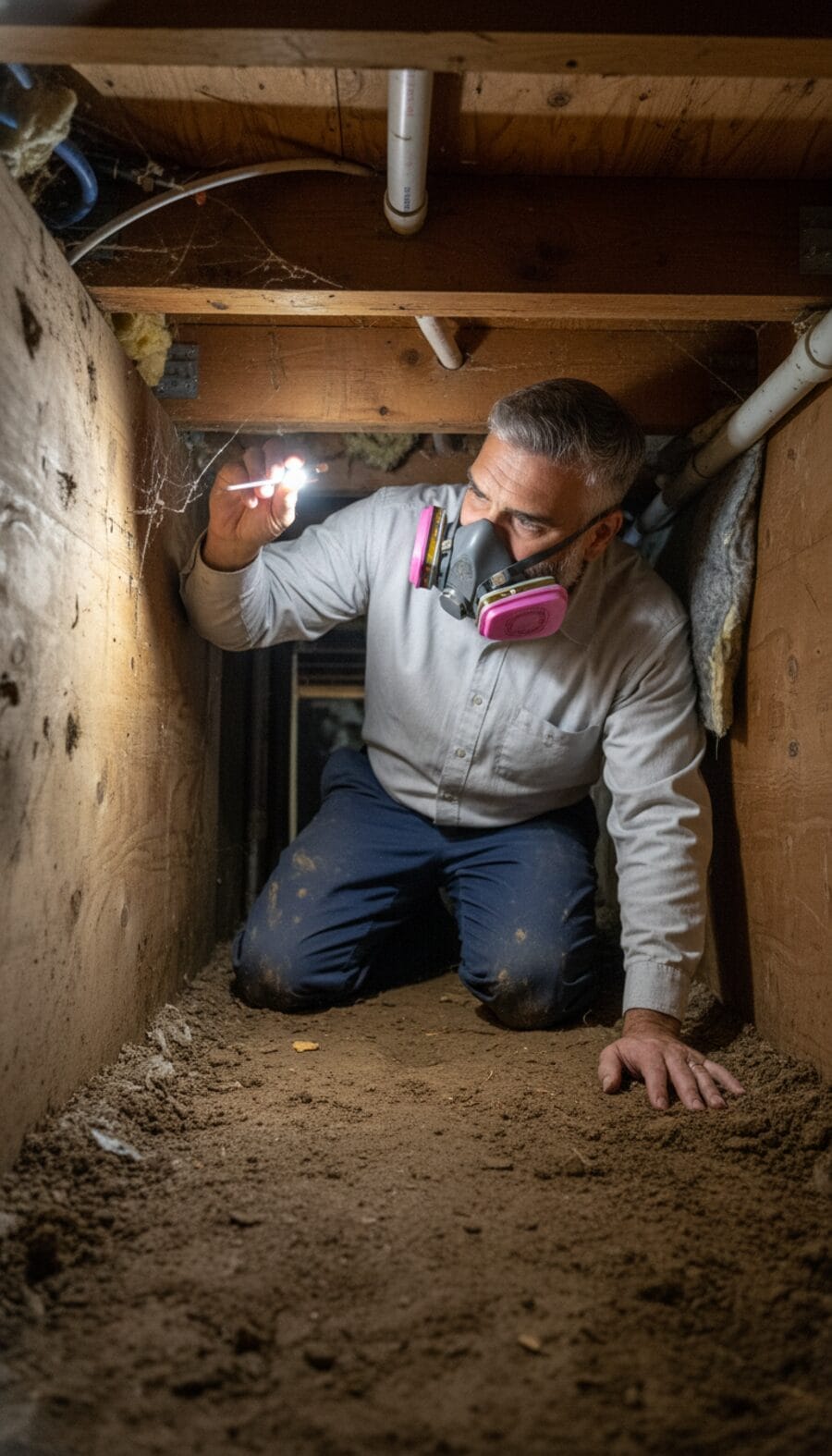
Sixty to ninety minutes for a typical borough home. Visual inspection of the basement, the attic and the baths, moisture readings on block, framing and finishes, and thermal imaging to map wet material behind paneling and drywall before anybody opens a wall.
I sample where it answers a question
4 samples are included — air, surface, or a mix. In a house with a finished basement I'll usually put one in the rec room, one on the main floor and one outdoors as a baseline, because the question is whether the basement air is the air you're breathing upstairs. Extras are $85 each and I'll tell you first.
The lab runs it
Samples go to an independent accredited lab. I don't own the lab, I get no cut of what it finds, and I have no cleanup work to sell on the back of the result.
You get the report
Written report in 1-2 business days: photos, moisture readings by area, lab data, where I think the water is coming from, and what should happen in what order.
We go over it on the phone
Plain English, so you can hand it to a waterproofing contractor, a seller's agent or a landlord and have it mean something without me in the room.
I don't do remediation, and that changes everything
Most companies that test mold also sell the cleanup. Think about what that means when they write up your basement.
- No remediation work sold, ever
- No referral fees from waterproofing or remediation contractors
- No ownership stake in the lab that runs the samples
- Neutral in a landlord and tenant dispute — I work for whoever hired me
- Samples taken because a question needs answering, not to run up a bill
- If your West York house tests clean, the report says clean
What a mold inspection costs in West York, PA
Flat pricing, nothing hidden. Extra samples beyond the 4 included are $85 each. Lab results come back in 1-2 business days.
- Visual inspection of the areas of concern
- Thermal imaging
- Moisture meter readings
- 4 air or surface samples
- Accredited independent lab analysis
- Written report with photos and readings
- Phone walkthrough of the results
Covers properties or inspected areas up to approximately 2,500 sq ft. Larger properties may need more inspection time, more areas or more sampling, so the price can go up — I'll tell you the number before I come out.
Schedule a residential inspection- Visual inspection of the areas of concern
- Thermal imaging
- Moisture meter readings
- 4 air or surface samples
- Accredited independent lab analysis
- Written report with photos and readings
- Phone walkthrough of the results
Covers the extra reporting and square footage that comes with commercial buildings. Additional samples $85 each.
Schedule a commercial inspectionSee the report before you hire me
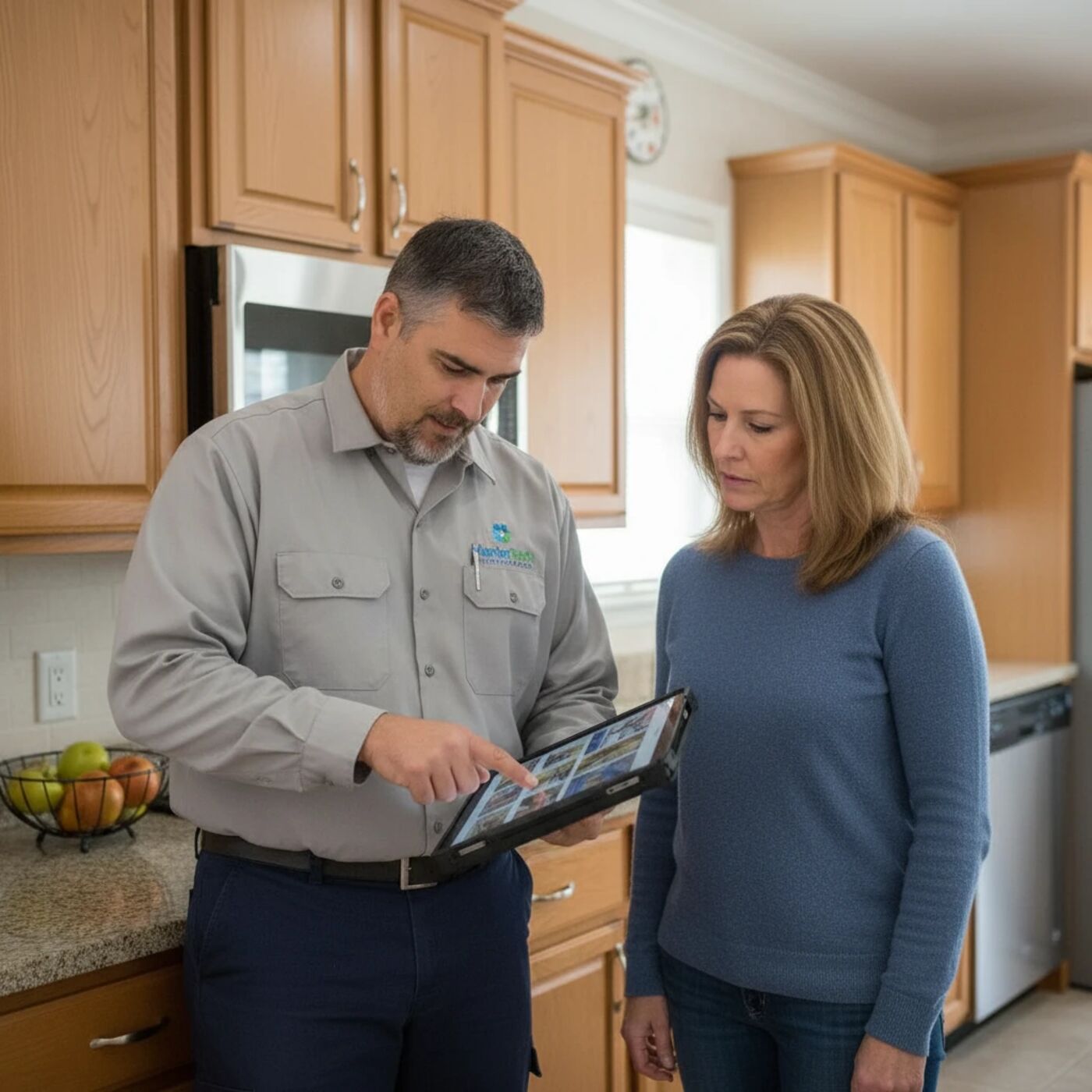
The inspection is only worth as much as the paperwork you're left holding. Mine lays out what I looked at, what I found, what the lab said, and what should happen next — in language you can hand to a contractor, a landlord, or a realtor.
- Inspection summary
- Lab sample results
- Moisture readings
- Area-by-area notes
- Photos of findings
- Recommendations
- Limitations
- Next steps
Mold inspection services in West York, PA
Every one of these is available in the borough at the same flat pricing as the rest of my service area, with no trip charge.
Basement Mold Inspection
Moisture readings, thermal imaging and air samples in finished and unfinished basements.
Learn more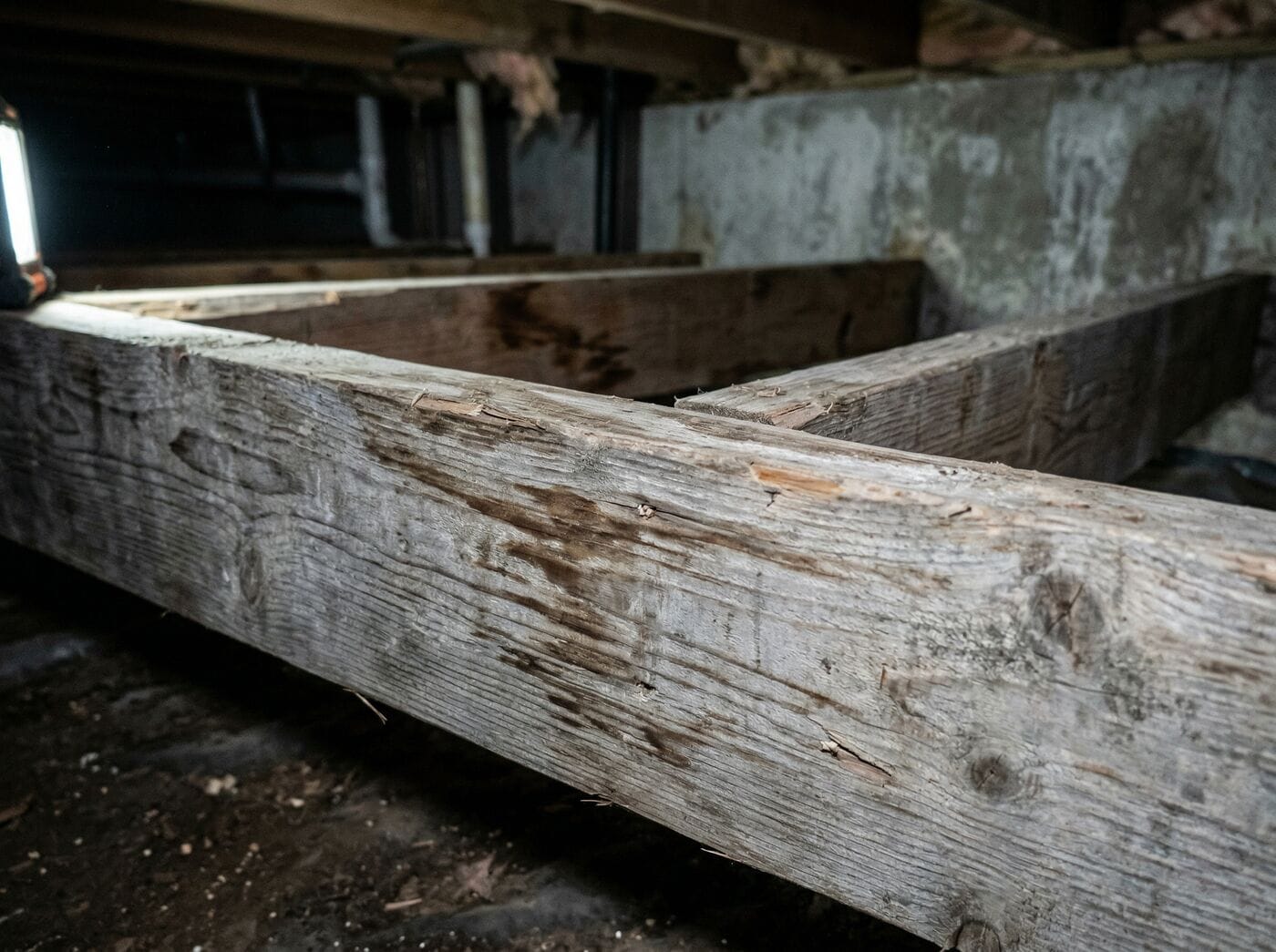
Crawl Space Mold Inspection
Joists, subfloor, vapor barrier and foundation walls in the space nobody looks at.
Learn more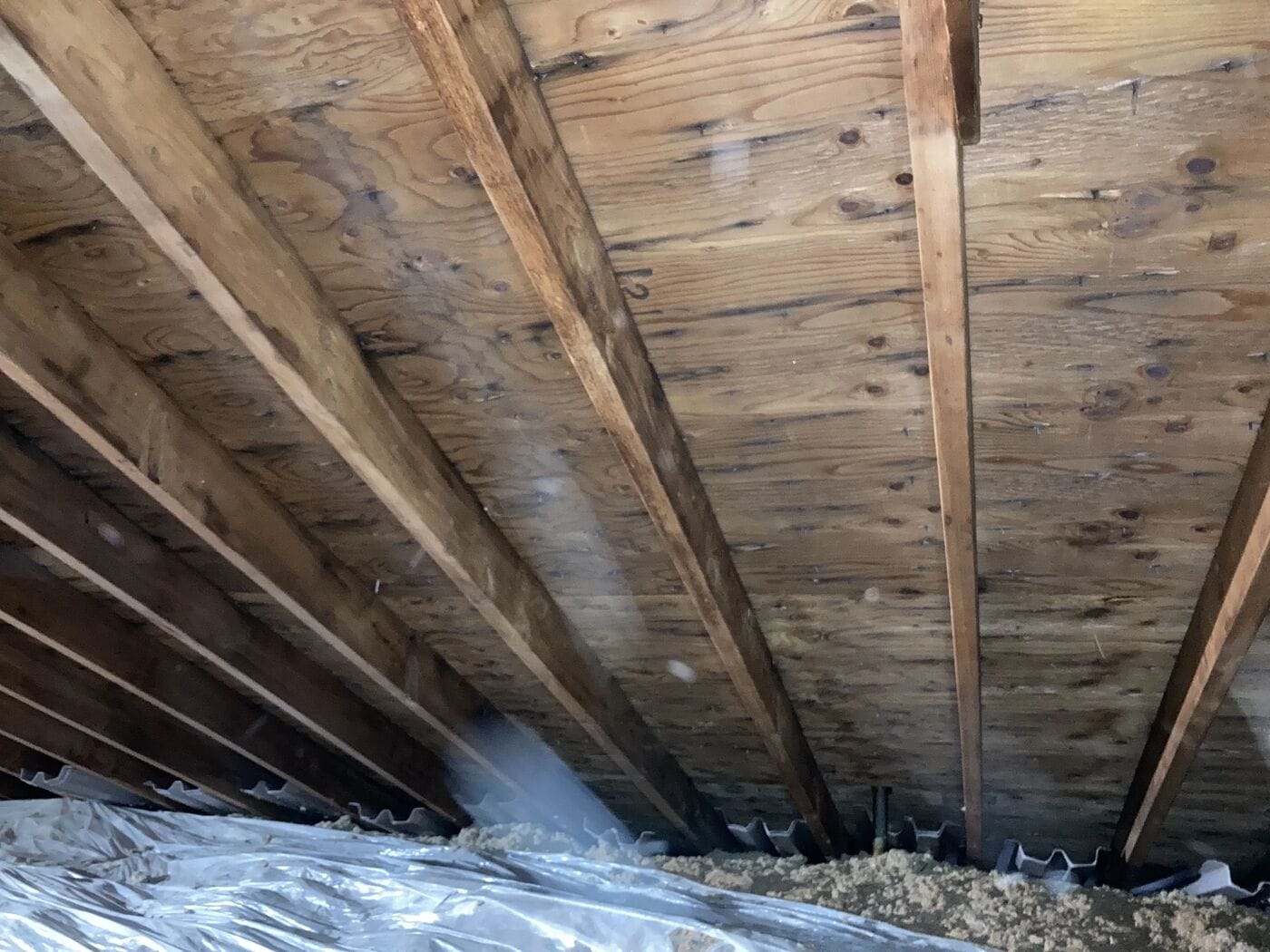
Attic Mold Inspection
Roof sheathing, rafters, bath fan venting and attic ventilation problems.
Learn more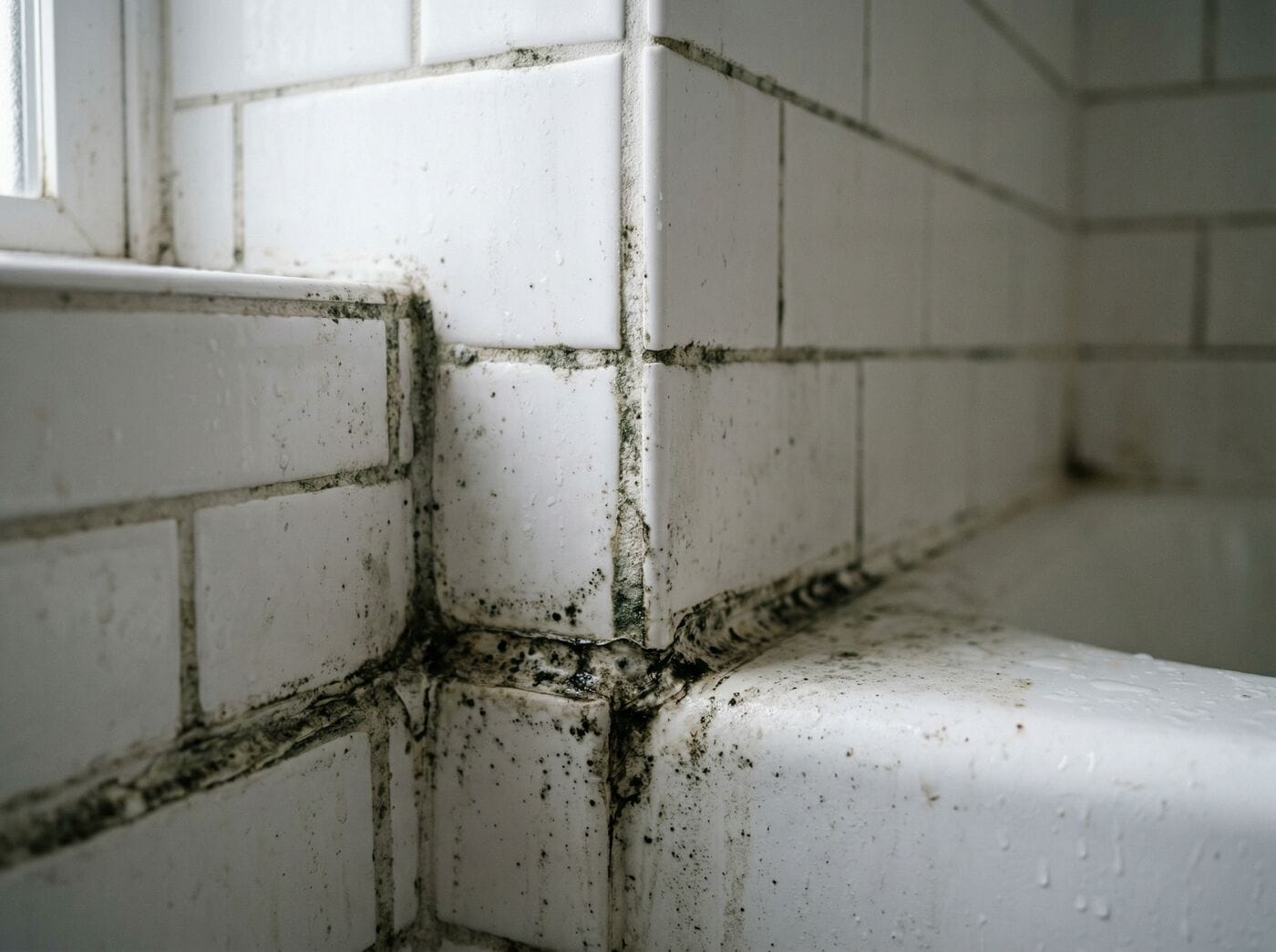
Bathroom Mold Inspection
Grout, under-sink cabinets, subfloor and exhaust fans in the dampest room in the house.
Learn more
Real Estate Mold Inspection
Pre-purchase and pre-listing testing with a report in 1-2 business days.
Learn more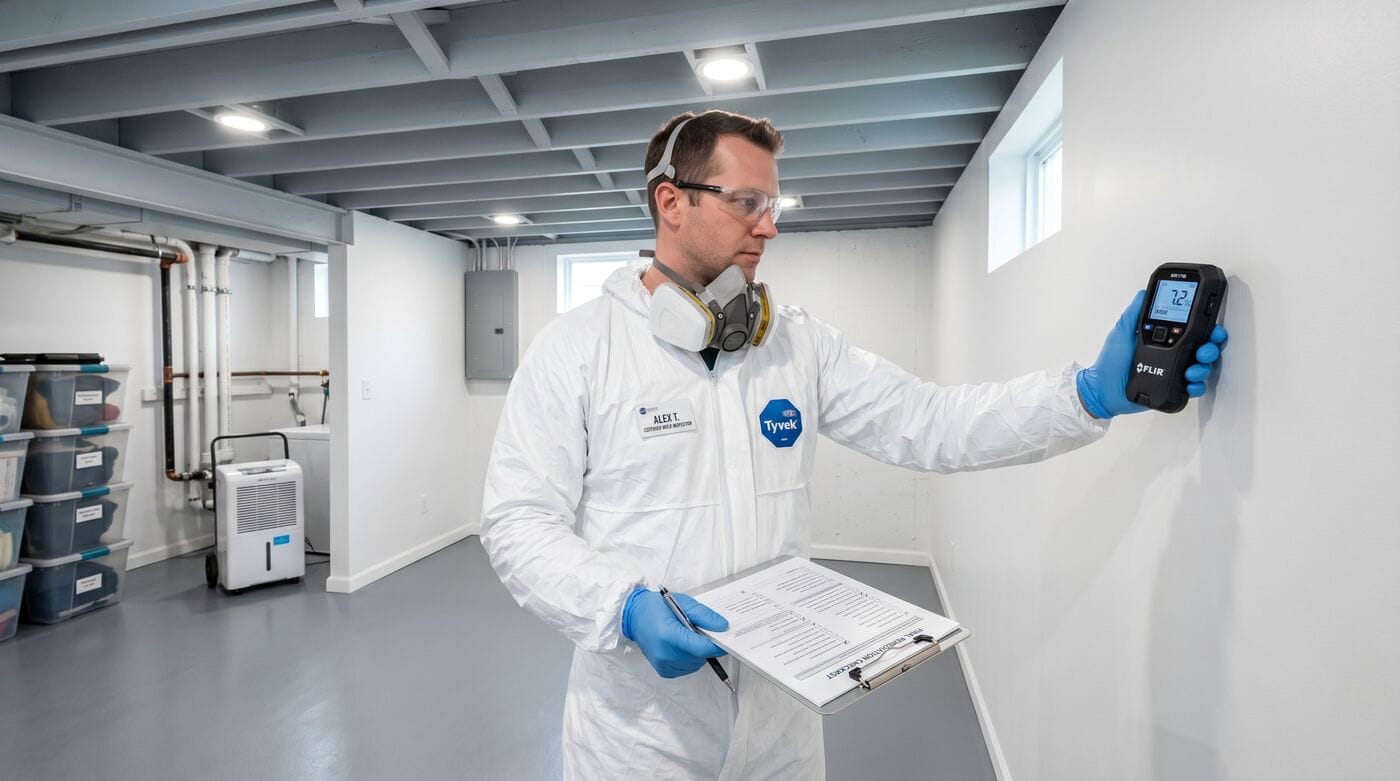
Mold Clearance Testing
Independent post-remediation verification after a remediation contractor finishes the work.
Learn more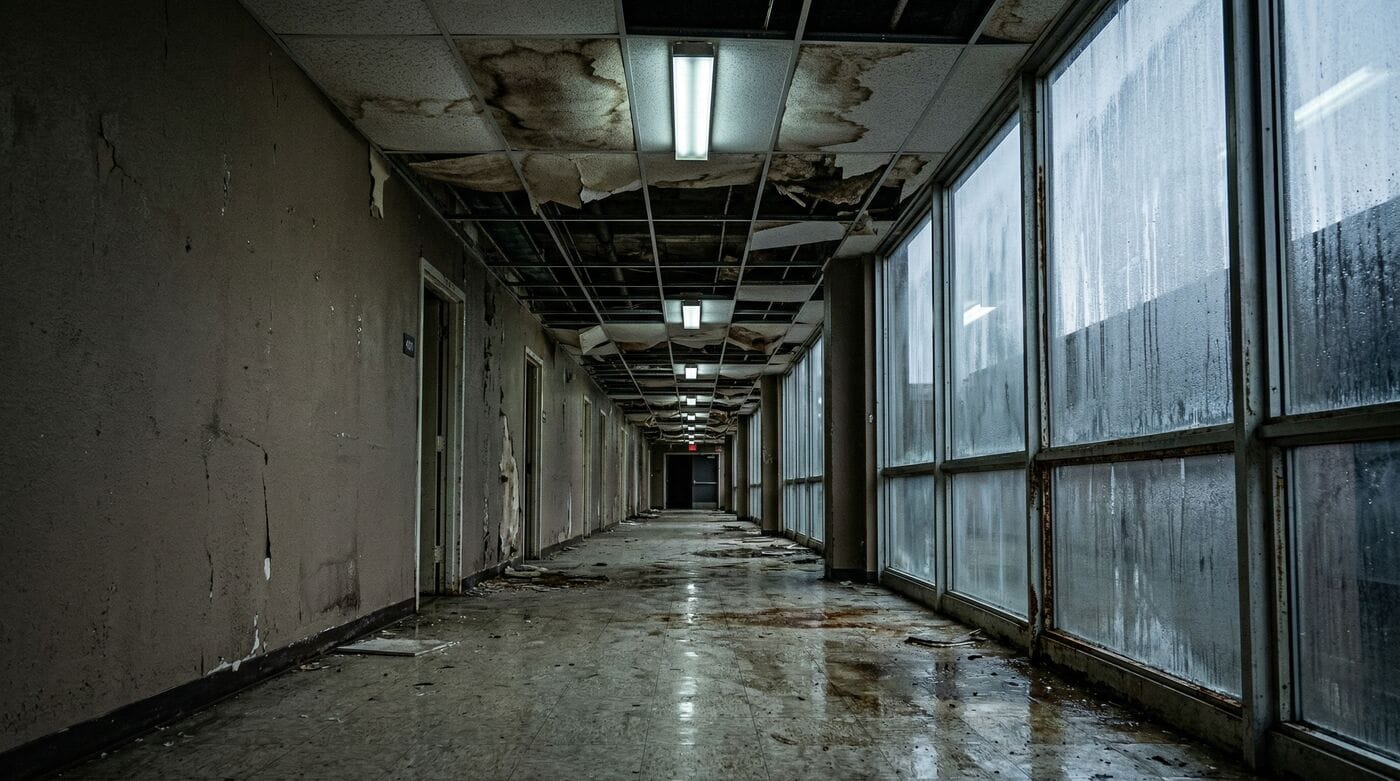
Commercial Mold Inspection
Offices, rentals, schools, restaurants and warehouses, with documentation you can file.
Learn more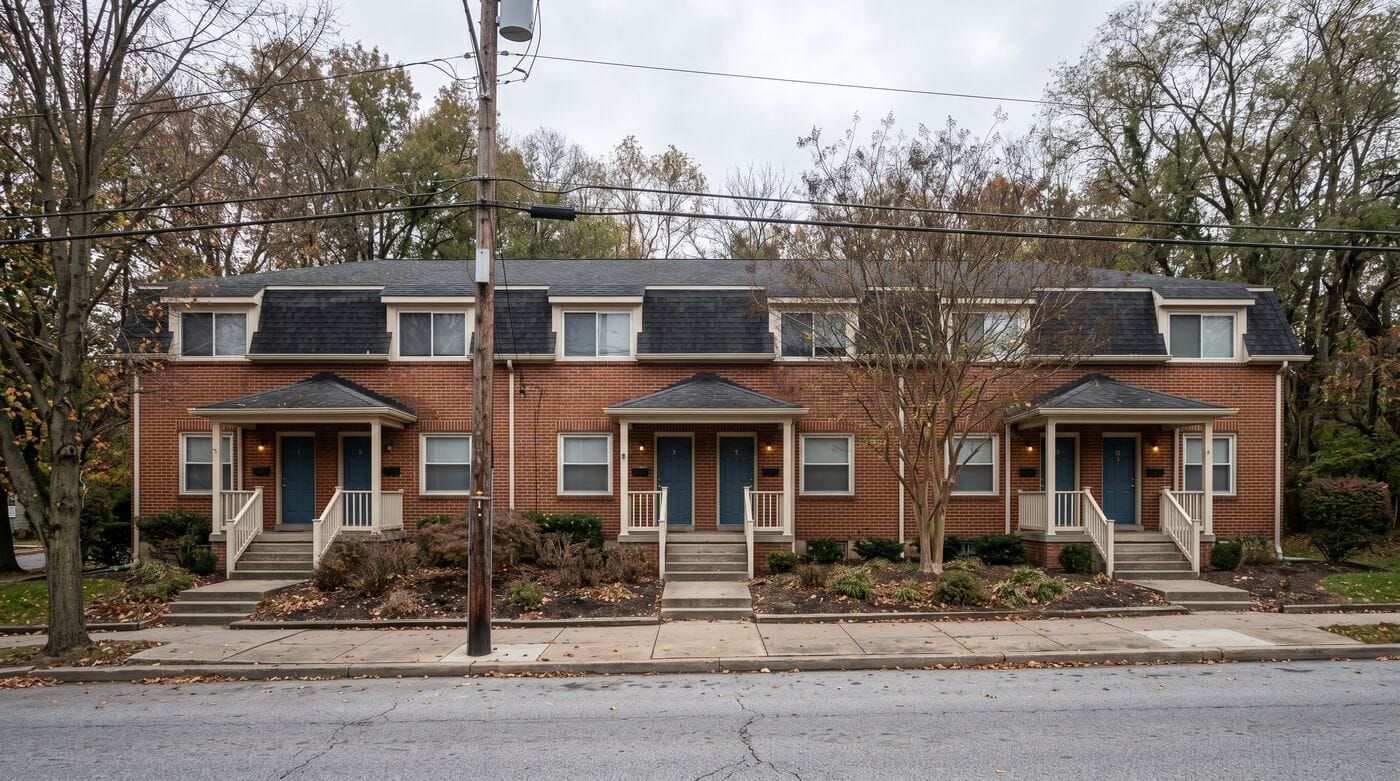
Landlord / Tenant Mold Inspection
Neutral third-party inspections and reports for rental disputes and code complaints.
Learn moreLooking for one thing in particular?
If you got here searching for one specific thing, these pages go straight at it — and all of it applies in the borough.
Mold inspection cost in York, PA
The flat price — $450 residential, $785 commercial — what it includes, and why free inspections cost more.
Read thisMold inspector near me
What a real inspection covers, what to ask before you hire, and why free ones cost more.
Read thisMold testing near me
Air, surface and ERMI testing explained, with what each one can and can't tell you.
Read thisAttic mold
Why attics in this climate grow mold on the sheathing, and how the testing answers it.
Read thisArticles about basement and block wall mold
Written up from the inspections themselves, mostly in houses that look a lot like yours.
Why Finished Basements in York, PA Can Trap Mold Odors
A finished basement hides more than ugly pipes and bare concrete. It hides mold. Here's why finished basement spaces in York County are among the most common sources of persistent mold odors - and why the problem is almost never visible until it's been growing for years.
Read the articleAre Finished Basements in York, PA Homes Hiding Mold Behind Walls?
That cozy finished basement may be concealing a serious moisture and mold problem behind the drywall. Learn why finished basements in York County are especially vulnerable and how to find out what's really behind those walls.
Read the articleWhat West York homeowners, buyers and landlords say
Rated 5.0 from 5 Google reviews.
I could not recommend this business enough for mold inspections! If you're looking for quick turnaround, great communication and honest upfront service - this is your place. Tom was respectful, professional, and explained everything in great detail.
Truly the best! I can't say enough good things about Tom. I truly feel like I had someone I could count on by my side during this very stressful situation.
We had a great experience with Tom at Mastertech throughout this whole process. They took extra time to answer all of our questions and explained everything in a way that actually made sense.
West York mold inspection questions
$450 residential and $785 commercial, both with 4 lab samples included and extra samples at $85. The borough is about five minutes from my shop on 2400 Taxville Rd, so there's no trip charge and no travel minimum.
Where I work
I cover York and the towns around it — basically anything within about 7 miles of 2400 Taxville Rd, York, PA 17408, plus a good bit of York County beyond that. If you're close and don't see your town, call me anyway.
Based in York, not a call center
You reach me directly, and I'm the one who shows up and does the inspection. Most weeks I can be out within a couple of days, sooner if you're up against a closing date.