
Mold inspections and testing in Hanover, PA
Hanover is the far western end of my service area and one of the more interesting places in the county to inspect, because it's really two towns. The borough core is dense eighteenth and nineteenth century brick with shared party walls and stone cellars. The edges, out into Penn and Conewago Townships, are subdivision housing from the 1960s onward. Those two housing types fail in completely different ways, and the inspection has to know which one it's in.
- — CMI certified, PMII, since 2010
- — $450 flat, 4 samples included
- — No travel charge for standard residential inspections
- — Report in 1-2 business days
Two Hanovers, two different sets of findings
Brick and party walls in the core. Condensation and ventilation defects on the edges. Almost every call here lands in one camp or the other.
Hanover sits in the southwest corner of York County, laid out in 1763 and grown into a working town of around sixteen thousand people. It has real history — the Battle of Hanover in 1863 was the first cavalry engagement north of the Mason-Dixon Line — and a real industrial base that still shapes the housing stock. The borough core is dense: brick rowhomes, twins, and substantial older singles on small lots, most of them on stone or early poured and block cellars. Beyond the borough, Penn Township, Conewago Township and the corridors out toward McSherrystown and Spring Grove filled in with subdivision housing from the 1960s forward. Those are two different buildings with two different failure modes.
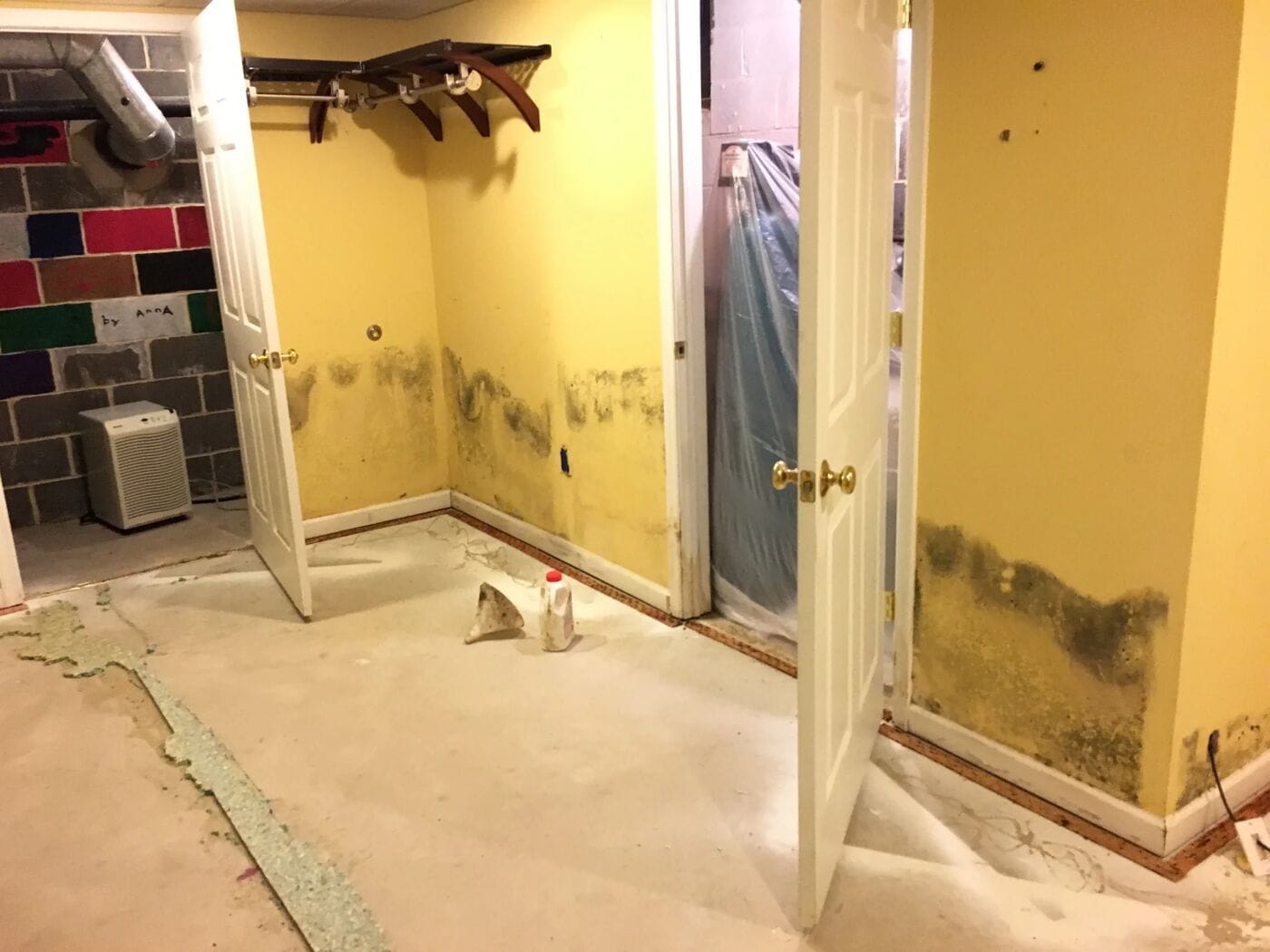
In the core, it starts with masonry. Brick and stone foundations from that era were laid without exterior damp-proofing and without a working footing drain, so they wick ground moisture upward continuously. That is not a defect in the sense of something broken — it is how the wall was built, and an open utility cellar with a couple of windows managed it fine for a century. What breaks the arrangement is finishing the space. Studs against the brick, fiberglass in the cavity, drywall to the floor: now the same moisture load is trapped against paper and wood in the dark at high relative humidity. From inside the room everything looks fine. Behind the wall it is not.
Telling wicking from an actual leak takes measurement rather than a flashlight. I read moisture at several heights on each wall because the vertical profile identifies the mechanism. Capillary wicking reads highest at the base and tapers upward. Water coming in above grade from a gutter or a failed downspout reads highest partway up and drier at the slab. Summer condensation on cold masonry reads wet across a whole cold surface with no gradient at all. Three different findings, three different trades, three very different invoices — and getting it wrong is how people buy an interior drainage system for a humidity problem.
Party walls are the Hanover-specific complication and they come up constantly. Water does not respect a deed line. A broken downspout, a failed roof-to-wall flashing or a supply leak on your neighbor's side travels through the shared masonry and appears on your plaster. Homeowners spend real money chasing that inside their own house before anyone looks next door. I document which face of the wall carries the moisture, at what height, how the gradient runs, and what the roof, gutters and grade are doing on each side. That is usually enough to turn a dispute into a conversation.
Lot width is the other constraint in the core. There is nowhere to put roof water on a twenty-foot lot, so downspouts discharge onto a sidewalk or a strip of grass a few feet from the wall and every storm saturates the exact soil your cellar is trying not to absorb. Grade has often settled back toward the house over a century, and concrete poured in the 1960s may pitch the wrong way. None of that is interesting and all of it is cheap to fix relative to what a waterproofing contractor will quote, so I look at it before recommending anything invasive.
Out on the subdivision edges the findings change completely. There the basements are newer and drier, and the problems move upstairs and into the mechanical systems. Raised ranches and splits have a lower level that is half below grade, so the buried portion of the wall sits at soil temperature while humid room air condenses on it behind the paneling. Bath fans terminate in the attic or a soffit instead of through the roof, and fifty years of showers onto cold sheathing leaves a dark band along the nail lines. Replacement air conditioners get sized up, and an oversized system reaches setpoint before the coil has run long enough to dehumidify, so the house ends up cool and humid at once and grows mold on exterior-wall closets.
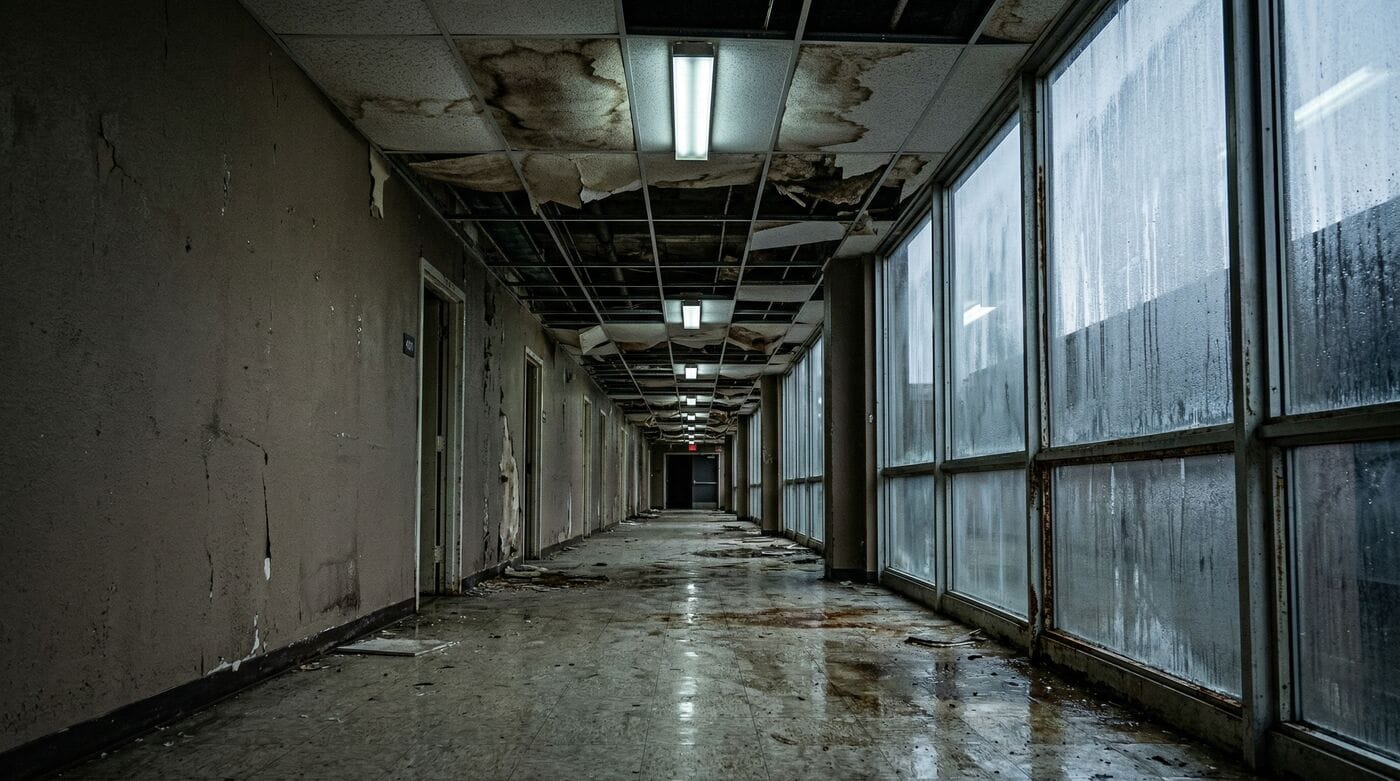
Commercial work is a regular part of my Hanover calendar too. The town carries plenty of office, retail, food service and light industrial space, and most of it sits under a flat or low-slope roof. Those roofs do not leak where they drip: water tracks along a deck seam or a beam and shows up twenty feet away as a stained tile, months after it started. Commercial inspections start at $785 and the documentation is written for a file — for an insurer, a landlord, a tenant or a lender.
Hanover is about a half hour out Route 116 from my shop, and for a standard residential inspection there is no travel charge. What you get is measurement and an independent read: no remediation sold, no referral fees taken, and no ownership in the lab that runs the samples. If your Hanover cellar is damp brick with nothing growing in the air you breathe, the report says exactly that.
What I run into most in Hanover
- Dense borough-core brick — rowhomes, twins and older singles on stone or early block cellars.
- Shared party walls that carry moisture between properties.
- Narrow lots with downspouts discharging a few feet from the foundation.
- Victorian-era frame houses with enclosed porches and later additions on shallow footings.
- 1960s-onward subdivision housing in Penn, Conewago and West Manchester Townships.
- Half-buried basement walls in raised ranches and splits on the borough edges.
- Bath and kitchen fans terminating inside attics and soffits rather than outside.
- Office, retail, food service and warehouse space with flat and low-slope roofs.
Tell me the address and the style of the building. I'll come back with timing and pricing.
When to get mold testing in Hanover, PA
If any of this describes your property, a $450 inspection costs far less than the wrong repair.
A brick rowhome cellar that's always been damp
Old brick and stone wick ground moisture continuously — that's how they were built. Whether anything is growing depends on what's stored and finished down there, and that's measurable.
Damp appearing on a shared party wall
In a row or a twin, a gutter failure or a plumbing leak next door surfaces on your side. Documenting which face is wet and how the gradient runs settles it without an argument.
An unvented bath fan in a subdivision house
Out on the Penn and Conewago Township edges the problem shifts upstairs. Fans terminating in the attic put decades of shower moisture onto cold sheathing.
A stained ceiling tile in commercial space
On a flat or low-slope roof water travels along the deck before it shows. Where it drips is rarely where it entered, which is what thermal imaging is for.
How a Hanover mold inspection goes
Same process in a borough rowhome as in a township colonial — the readings tell a different story.
You call or text me
You get me, not a dispatcher. Tell me whether it's a borough brick house or a subdivision home on the edge of town — in Hanover that distinction changes what I expect to find before I leave the shop.
I come out and look
About ninety minutes for a typical house. Cellar or basement, attic, baths, mechanicals and anywhere you point me, with moisture readings on masonry, plaster, drywall and framing plus thermal imaging behind the finishes.
I read the exterior too
On a narrow borough lot the cause is usually within six feet of the wall: downspout discharge, grade pitch, a failed gutter, a sidewalk sloped back at the house, or water arriving from the adjoining property.
I sample where it answers a question
4 lab samples included — typically one in the cellar, one in the living space and one outdoors as a control, because the question is whether the cellar is reaching you. Extras are $85 and you'll know first.
The lab runs it
An independent accredited lab I have no ownership in. No cut of the findings, and no remediation for me to sell on the strength of them.
You get the report and we go through it
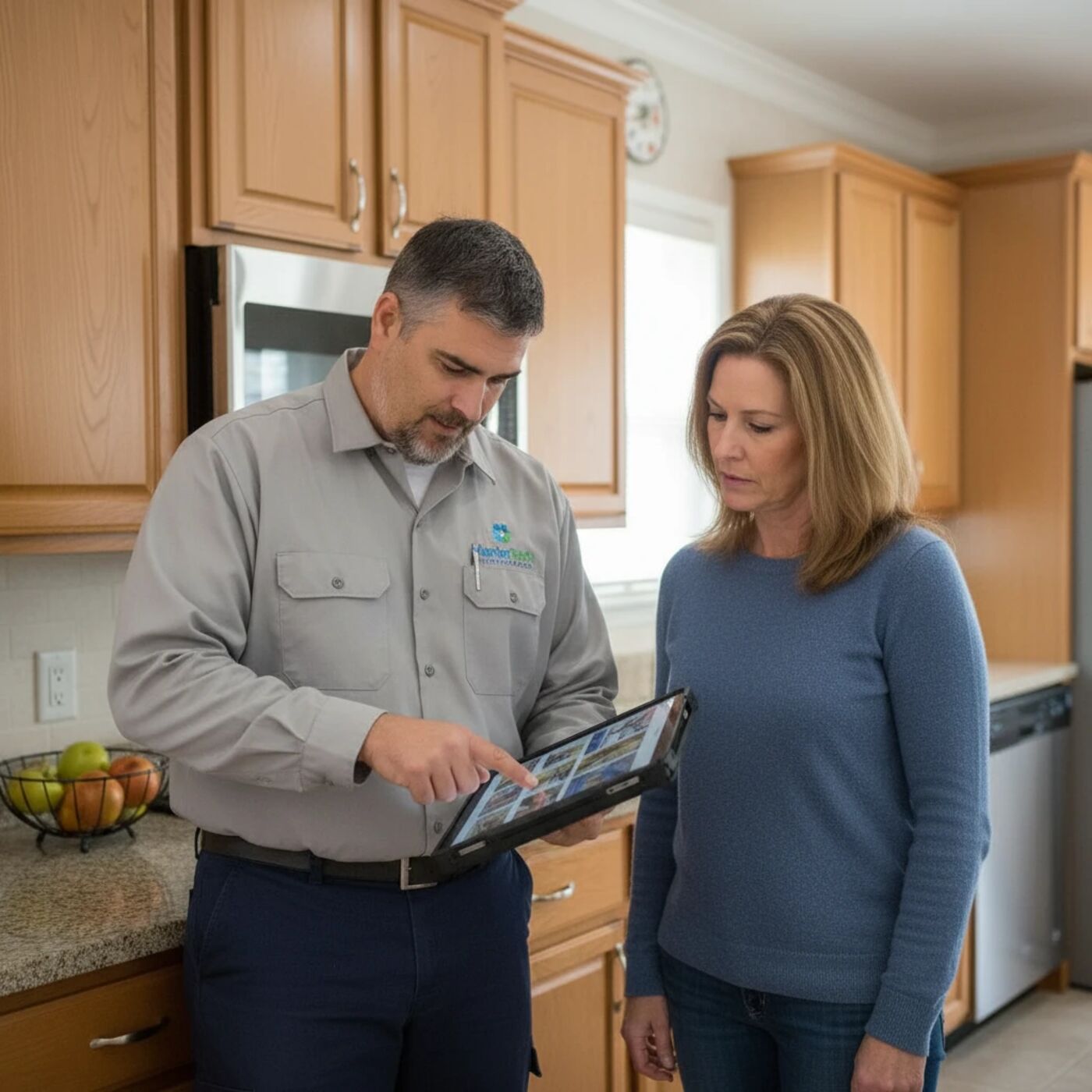
Written report in 1-2 business days: photos, readings area by area, lab results against the outdoor control, the mechanism named, and corrections specific enough for a contractor to price.
No remediation, no referral fees, no stake in the lab
An old brick cellar is easy to sell fear about. I have nothing to sell you once the report is written.
- No remediation or waterproofing work sold, ever
- No referral fees from any contractor
- Independent accredited lab I have no ownership in
- Samples taken to answer a question, not to justify a project
- If your Hanover property tests clean, the report says clean
What a mold inspection costs in Hanover, PA
Flat pricing, nothing hidden. Extra samples beyond the 4 included are $85 each. Lab results come back in 1-2 business days.
- Visual inspection of the areas of concern
- Thermal imaging
- Moisture meter readings
- 4 air or surface samples
- Accredited independent lab analysis
- Written report with photos and readings
- Phone walkthrough of the results
Covers properties or inspected areas up to approximately 2,500 sq ft. Larger properties may need more inspection time, more areas or more sampling, so the price can go up — I'll tell you the number before I come out.
Schedule a residential inspection- Visual inspection of the areas of concern
- Thermal imaging
- Moisture meter readings
- 4 air or surface samples
- Accredited independent lab analysis
- Written report with photos and readings
- Phone walkthrough of the results
Covers the extra reporting and square footage that comes with commercial buildings. Additional samples $85 each.
Schedule a commercial inspectionSee the report before you hire me
The inspection is only worth as much as the paperwork you're left holding. Mine lays out what I looked at, what I found, what the lab said, and what should happen next — in language you can hand to a contractor, a landlord, or a realtor.
- Inspection summary
- Lab sample results
- Moisture readings
- Area-by-area notes
- Photos of findings
- Recommendations
- Limitations
- Next steps
Mold inspection services in Hanover, PA
Residential and commercial, at the same flat pricing as the rest of my service area, with no travel charge for a standard inspection.
Basement Mold Inspection
Moisture readings, thermal imaging and air samples in finished and unfinished basements.
Learn more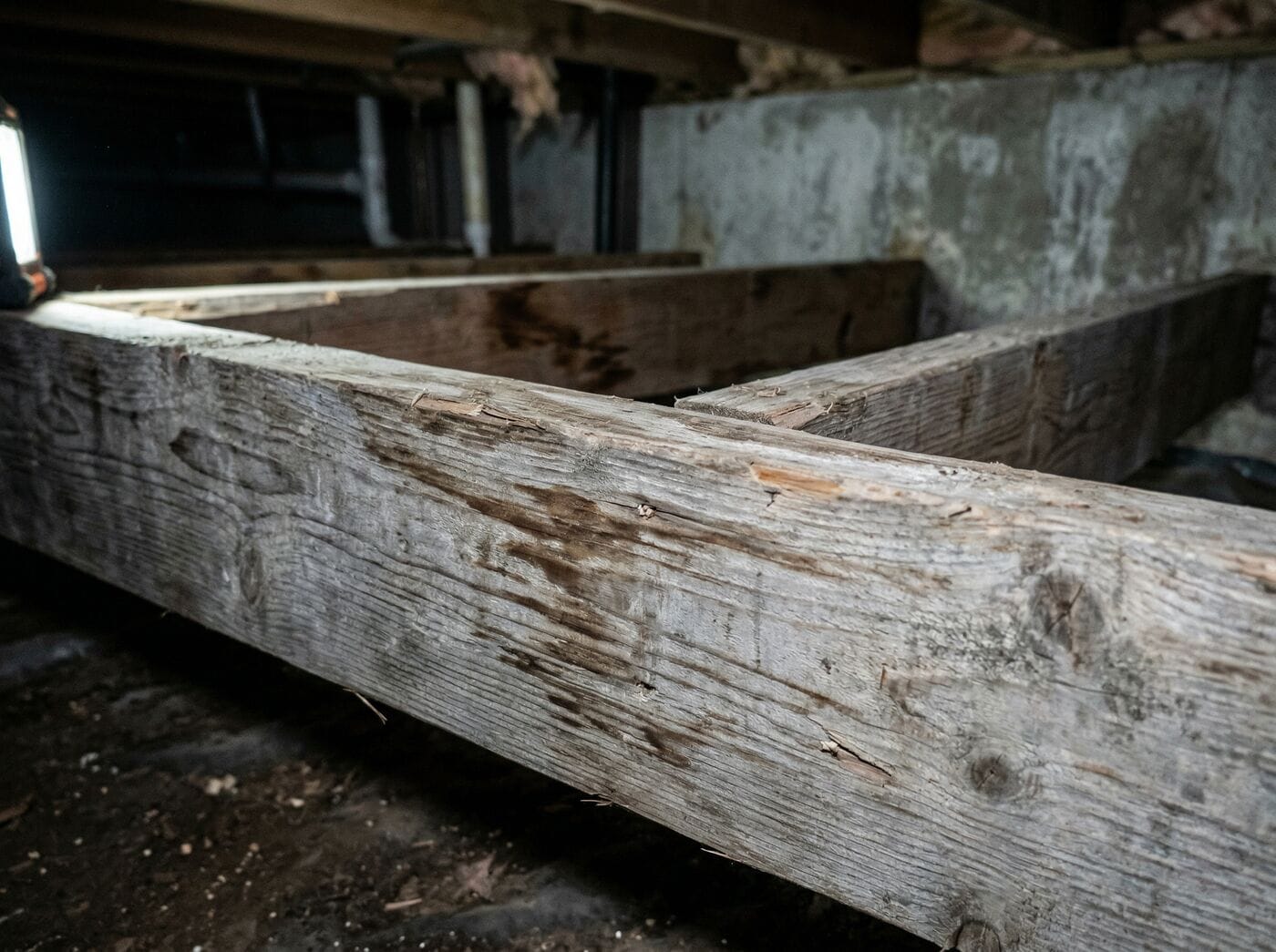
Crawl Space Mold Inspection
Joists, subfloor, vapor barrier and foundation walls in the space nobody looks at.
Learn more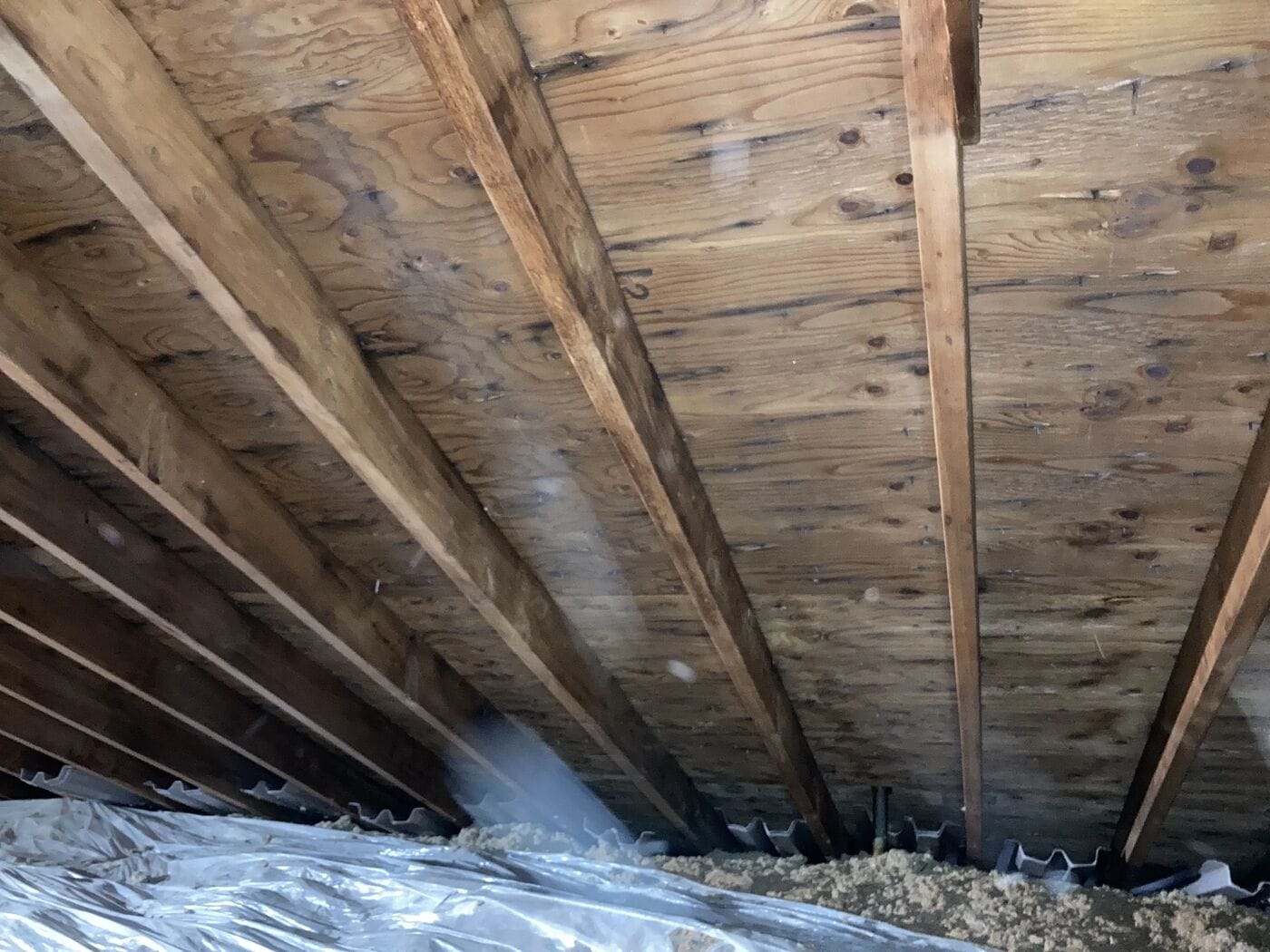
Attic Mold Inspection
Roof sheathing, rafters, bath fan venting and attic ventilation problems.
Learn more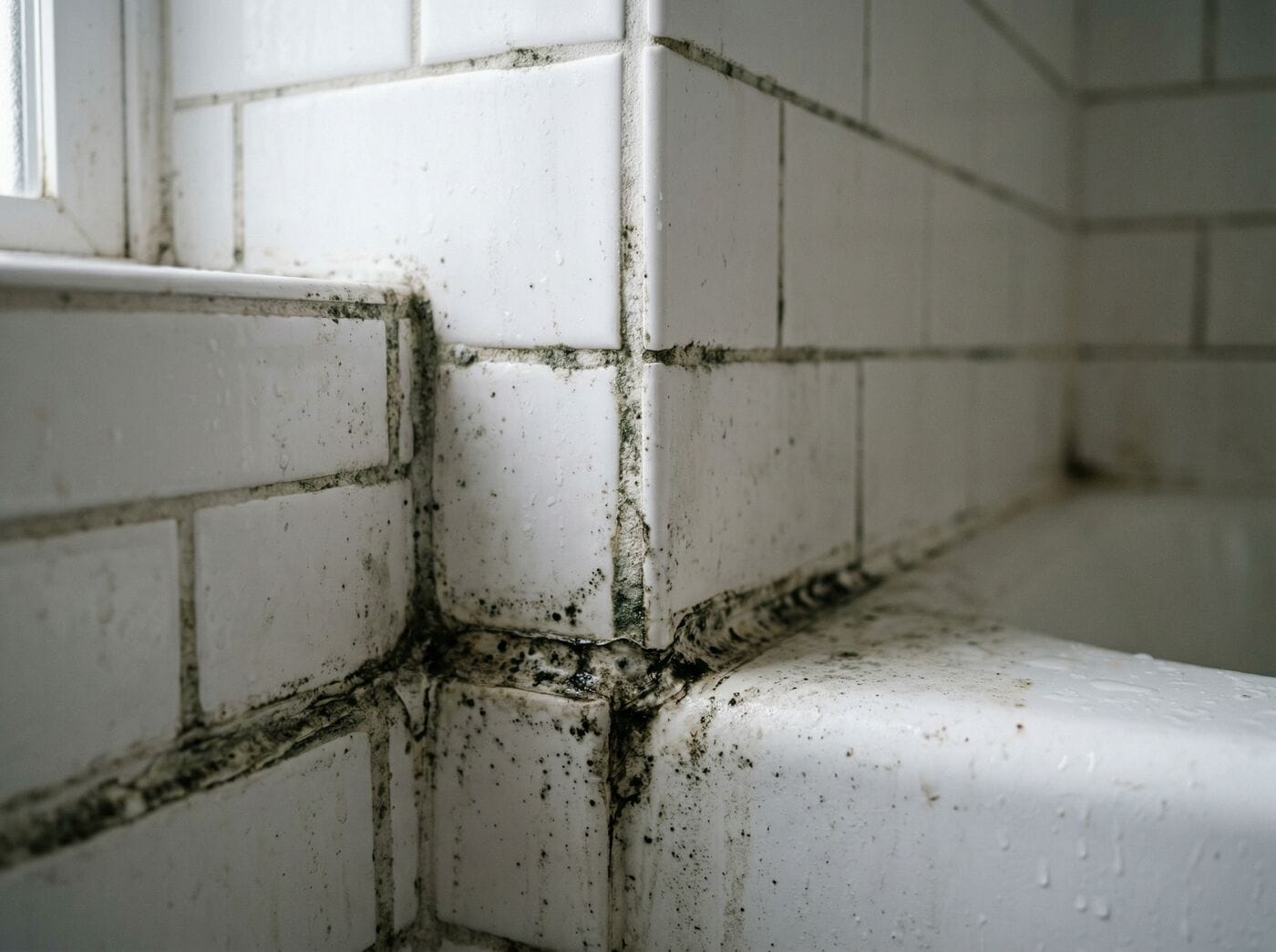
Bathroom Mold Inspection
Grout, under-sink cabinets, subfloor and exhaust fans in the dampest room in the house.
Learn more
Real Estate Mold Inspection
Pre-purchase and pre-listing testing with a report in 1-2 business days.
Learn more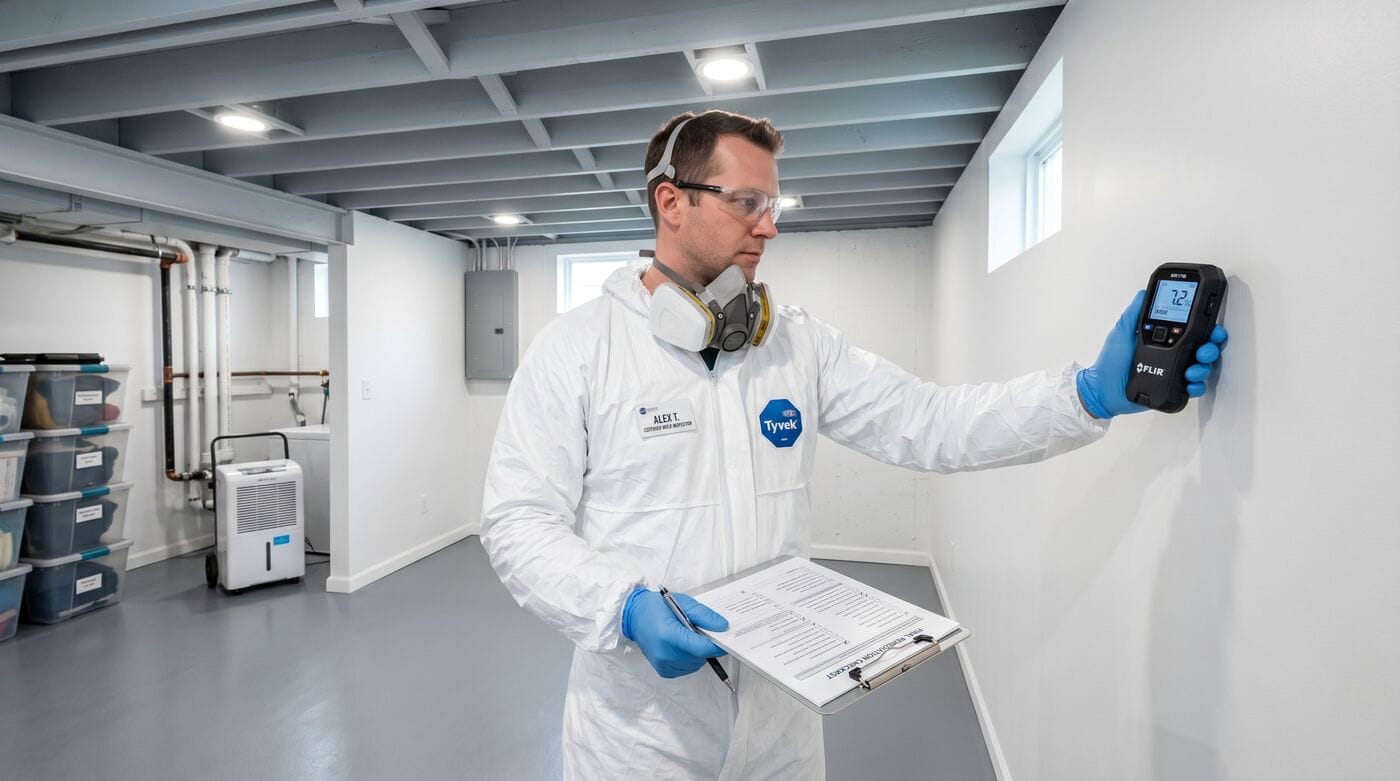
Mold Clearance Testing
Independent post-remediation verification after a remediation contractor finishes the work.
Learn moreCommercial Mold Inspection
Offices, rentals, schools, restaurants and warehouses, with documentation you can file.
Learn more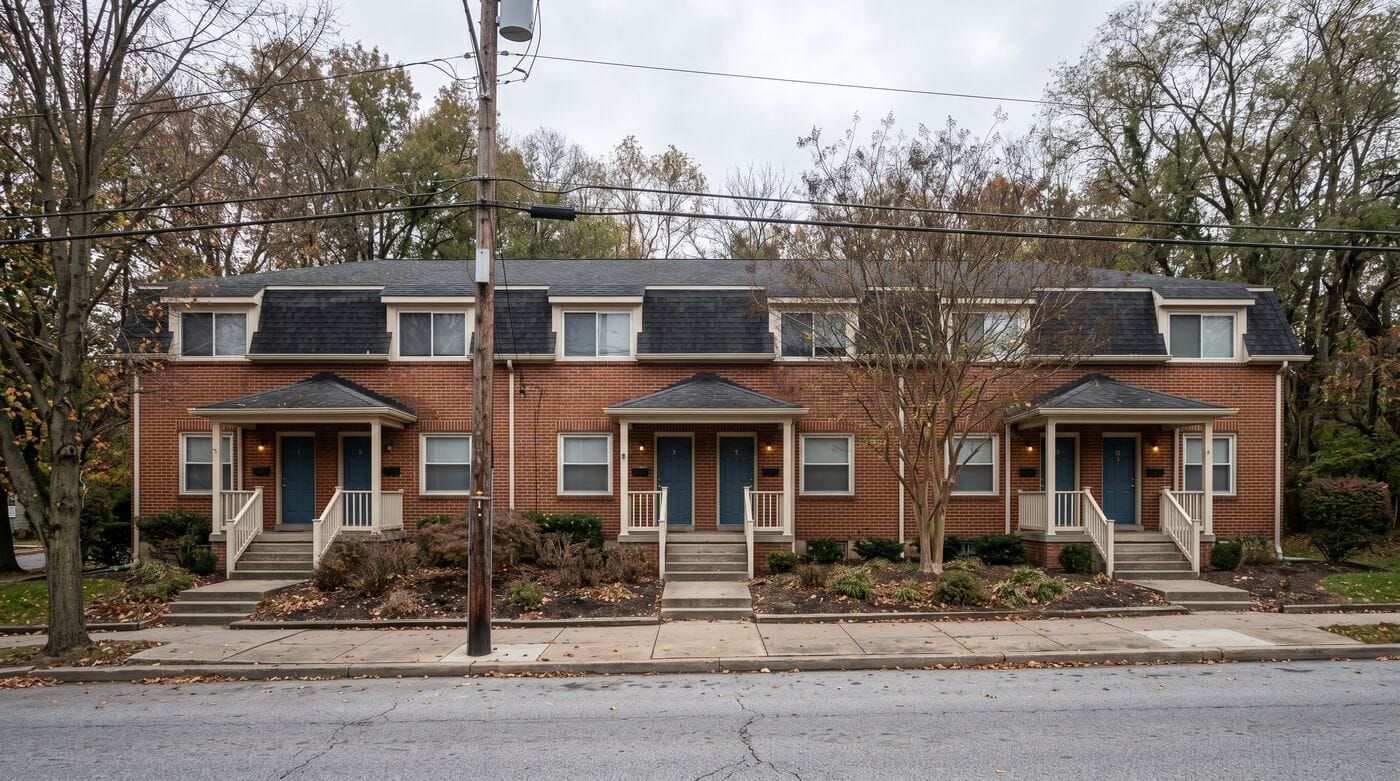
Landlord / Tenant Mold Inspection
Neutral third-party inspections and reports for rental disputes and code complaints.
Learn moreLooking for one thing in particular?
If you got here searching for something specific, these pages go straight at it.
Mold inspection cost in York, PA
The flat price — $450 residential, $785 commercial — what it includes, and why free inspections cost more.
Read thisMold inspector near me
What a real inspection covers, what to ask before you hire, and why free ones cost more.
Read thisMold testing near me
Air, surface and ERMI testing explained, with what each one can and can't tell you.
Read thisAttic mold
Why attics in this climate grow mold on the sheathing, and how the testing answers it.
Read thisWhat Hanover homeowners and businesses say
Rated 5.0 from 5 Google reviews.
I could not recommend this business enough for mold inspections! If you're looking for quick turnaround, great communication and honest upfront service - this is your place. Tom was respectful, professional, and explained everything in great detail.
Truly the best! I can't say enough good things about Tom. I truly feel like I had someone I could count on by my side during this very stressful situation.
We had a great experience with Tom at Mastertech throughout this whole process. They took extra time to answer all of our questions and explained everything in a way that actually made sense.
Hanover mold inspection questions
Yes, I cover Hanover. It's the far western end of my area — about a half hour out Route 116 from the shop — and for a standard residential inspection at $450 there's no extra charge. If a job is unusually large I'll tell you the full number before scheduling, not after.
Where I work
I cover York and the towns around it — basically anything within about 7 miles of 2400 Taxville Rd, York, PA 17408, plus a good bit of York County beyond that. If you're close and don't see your town, call me anyway.
Based in York, not a call center
You reach me directly, and I'm the one who shows up and does the inspection. Most weeks I can be out within a couple of days, sooner if you're up against a closing date.