
Mold testing and inspections in Red Lion, PA
At its peak Red Lion had well over a hundred cigar factories, and the borough filled in with workers' housing built fast between about 1880 and 1930. Stone cellars, minimal drainage, additions on shallow footings, and a century of layered renovations. The most common thing I document here isn't a leak at all — it's chronic wicking into a basement somebody finished thirty years ago. I measure it, name it, and tell you what the fix actually is.
- — CMI certified, PMII, since 2010
- — $450 flat, 4 samples included
- — Thermal imaging and moisture mapping included
- — Report in 1-2 business days
What a factory town's housing stock does with moisture
Fast-built masonry housing, no foundation drainage, and a finished basement added a century later. That is the Red Lion pattern.
Red Lion was incorporated in 1880 and grew on cigars. At the industry's height the borough supported well over a hundred factories, and the housing followed the work: rows of workers' twins and modest single-family homes put up quickly between roughly 1880 and 1930, on stone and early block foundations, on small lots, with whatever drainage the ground happened to provide. That history is not trivia. It determines what fails in these buildings and in what order.
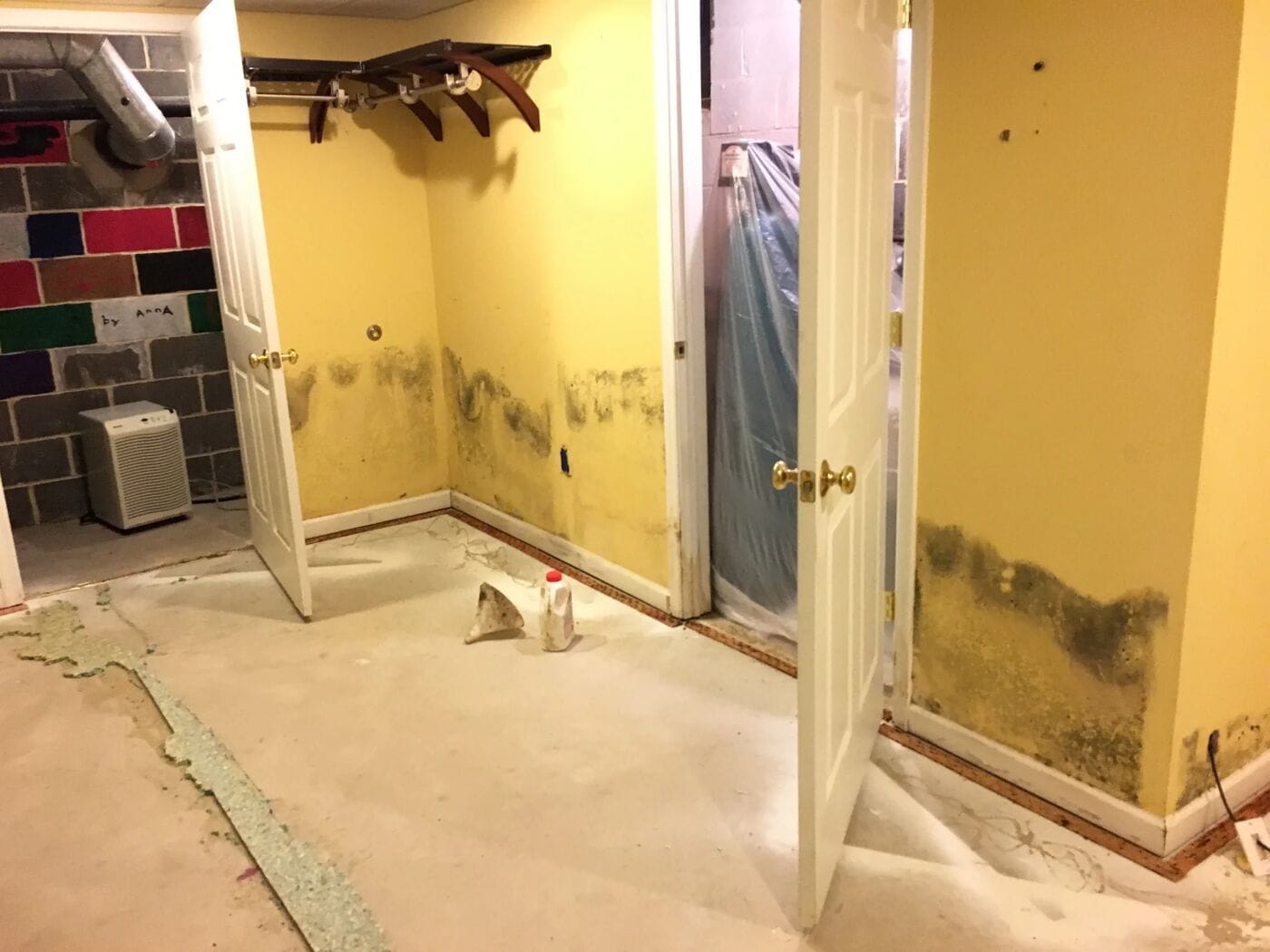
The defining feature is a cellar that was never intended to be dry. Foundations from that era have no exterior damp-proofing, no drainage board, and no working footing drain. Masonry sitting in soil transfers ground moisture upward continuously by capillary action. Left as an open utility cellar with a coal chute and a couple of windows, that space self-regulated: it was damp, it was cool, and the moisture evaporated into a room nobody cared about. The failure happens when that room becomes living space. Somebody in the 1990s framed 2x4s directly against the block, filled the cavity with fiberglass, ran drywall to the slab and laid carpet. Now the same moisture load is trapped behind a finished wall, against paper-faced gypsum and wood, in the dark, at high relative humidity. It is the single most common finding I write up in this borough, and from inside the room everything looks normal.
Getting that right requires measuring rather than looking. I take moisture readings at multiple heights on each wall, because the vertical profile identifies the mechanism. Capillary wicking reads highest at the base and tapers upward. Water entering above grade from a gutter or a failed downspout reads highest partway up and drier at the slab. Summer condensation on cold masonry reads wet uniformly across a cold surface with no gradient. Those three conditions point to three different trades and three wildly different price tags, and the wrong diagnosis is how people end up spending fifteen thousand dollars on an interior drainage system for a humidity problem.
Renovation layering is the second Red Lion pattern. A hundred-and-twenty-year-old house has been remodeled four or five times, and each round buried the previous one. Paneling over plaster over brick. A dropped ceiling under the original joists. A bathroom added into what was a closet, tied into cast iron with a hand-cut hole. Vinyl siding installed over a wall that was never flashed correctly. When water gets in through one of those old interfaces it travels inside the assembly and shows up far from where it entered. Thermal imaging is not a gimmick in these houses — it is the only practical way to find the wet zone behind three generations of finish without opening walls.
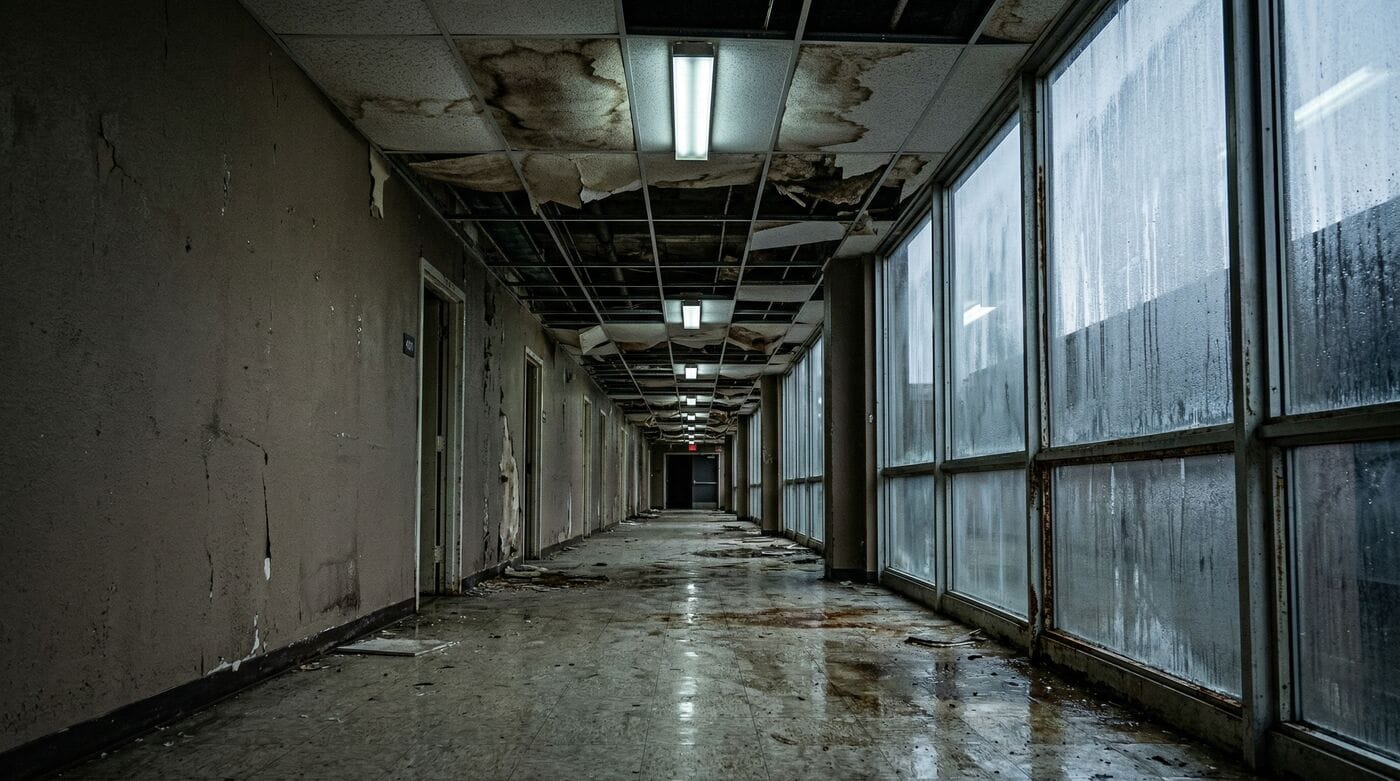
Then there is the commercial and converted-industrial side, which is a regular part of my Red Lion work. Old factory buildings around the borough have been turned into apartments, offices, shops and storage. Those envelopes are large masonry masses that hold moisture, and they typically carry flat or low-slope roofs. A low-slope roof leak does not drip where it enters; water tracks along a beam or a deck seam and appears twenty feet away, months later, as a stained ceiling tile. Commercial inspections here run $785 with 4 samples, and the documentation is written to go in a file — for a landlord, a tenant, an insurer or a lender.
Upstairs, the attics tell a consistent story. These houses had no bath exhaust originally, so fans were retrofitted, and a meaningful share of them terminate in the attic, a soffit or a joist bay rather than through the roof. Dryers get vented the same way. Then somebody blew insulation over the attic floor, covering the eave vents without installing baffles, and the little ventilation the roof had disappeared. Warm wet air, cold sheathing, no air movement: you get the dark band along the nail lines, and eventually you get it across whole sheets.
What I sell is the answer, not the work. I do not bid remediation, I take no referral fees from the contractors who do, and I have no ownership in the lab that analyzes the samples. If your Red Lion basement is damp masonry with nothing growing in the air you breathe, the report says exactly that, in plain language, and you spend your money on a dehumidifier instead of a demolition.
What I run into most in Red Lion
- Cigar-factory-era workers' twins and modest singles built roughly 1880 to 1930.
- Stone and early block cellars with no exterior damp-proofing and no footing drains.
- Basements finished in the 1990s directly against masonry with no capillary break.
- A century of layered renovations, including additions on shallow footings.
- Converted industrial and commercial buildings with flat or low-slope roofs.
- Retrofitted bath fans and dryer vents terminating inside attics and soffits.
- Blown-in attic insulation added over the eaves without baffles.
- Newer Windsor Township and York Township subdivisions on the borough edge.
Tell me the address and roughly when the building went up. I'll come back with timing and pricing.
When to get mold testing in Red Lion, PA
If any of this sounds like your building, a $450 inspection costs far less than the wrong repair.
A basement a previous owner finished
Studs against damp block, insulation in the cavity, drywall to the floor. The most common reason I get called in Red Lion, and the room always looks fine from the inside.
Chronic damp with no identifiable leak
Stone and early block cellars wick ground water steadily. There's nothing to find with a flashlight because there is no leak — just masonry doing what masonry does.
A low-slope roof over converted space
In converted factory and commercial buildings a roof leak can travel twenty feet along a beam before anything stains. Thermal imaging finds the wet zone, not the guesswork.
An attic with a dark band on the sheathing
Bath or dryer exhaust dumped into the attic, plus later insulation blocking the eave vents. Decades of moist air onto cold plywood leaves exactly that pattern.
How a Red Lion mold inspection goes
Same process in a borough twin as in a converted factory — the readings just tell a different story.
You call or text me
You get me directly. Tell me the era of the building and what you're seeing — a finished basement, a stained ceiling, a smell that comes with the AC — and I can usually narrow it before I arrive.
I come out and look
Ninety minutes for a typical Red Lion house; longer for a converted commercial building. Cellar, attic, baths, mechanicals and anywhere you point me, with moisture readings and thermal imaging throughout.
I read the moisture profile, not just the surface
Readings at several heights on each wall separate wicking from above-grade water from condensation. Those are three different repairs, and only one of them is expensive.
I sample where it answers a question
4 lab samples included — usually one in the basement, one in the living space and one outdoors as a control. Extras are $85 and I tell you before I take one.
The lab runs it
An independent accredited lab I have no ownership in. No cut of the findings, and no remediation for me to sell on the strength of them.
You get the report and we talk it through
Written report in 1-2 business days: photos, readings area by area, lab results against the control, the mechanism named, and corrections a contractor can quote from.
No remediation, no referral fees, no stake in the lab
A damp century-old cellar is easy to sell a big project against. I have nothing to sell you after the report.
- No remediation or waterproofing work sold, ever
- No referral fees from any contractor
- Independent accredited lab I have no ownership in
- Samples taken to answer a question, not to justify a project
- If your Red Lion building tests clean, the report says clean
What a mold inspection costs in Red Lion, PA
Flat pricing, nothing hidden. Extra samples beyond the 4 included are $85 each. Lab results come back in 1-2 business days.
- Visual inspection of the areas of concern
- Thermal imaging
- Moisture meter readings
- 4 air or surface samples
- Accredited independent lab analysis
- Written report with photos and readings
- Phone walkthrough of the results
Covers properties or inspected areas up to approximately 2,500 sq ft. Larger properties may need more inspection time, more areas or more sampling, so the price can go up — I'll tell you the number before I come out.
Schedule a residential inspection- Visual inspection of the areas of concern
- Thermal imaging
- Moisture meter readings
- 4 air or surface samples
- Accredited independent lab analysis
- Written report with photos and readings
- Phone walkthrough of the results
Covers the extra reporting and square footage that comes with commercial buildings. Additional samples $85 each.
Schedule a commercial inspectionSee the report before you hire me
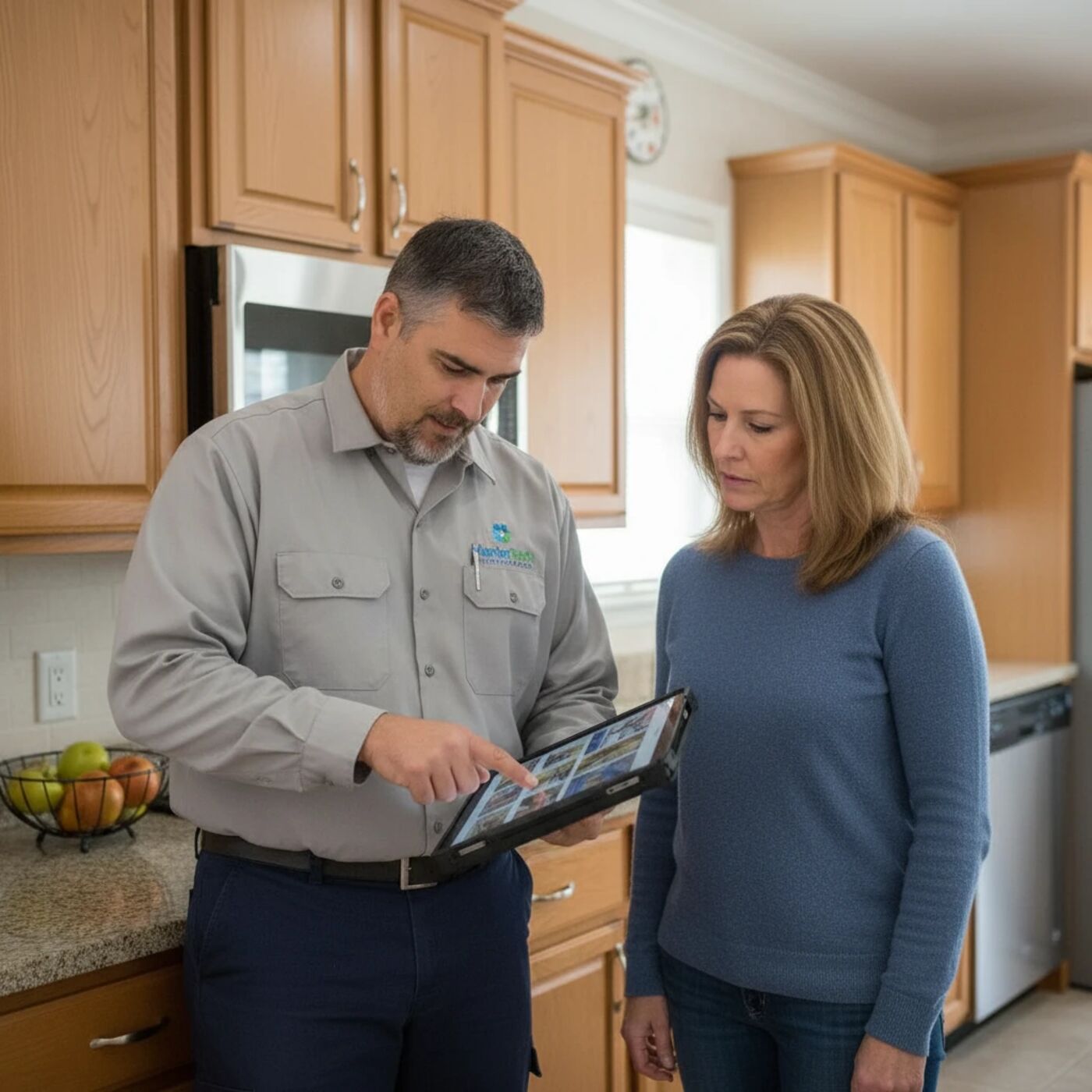
The inspection is only worth as much as the paperwork you're left holding. Mine lays out what I looked at, what I found, what the lab said, and what should happen next — in language you can hand to a contractor, a landlord, or a realtor.
- Inspection summary
- Lab sample results
- Moisture readings
- Area-by-area notes
- Photos of findings
- Recommendations
- Limitations
- Next steps
Mold inspection services in Red Lion, PA
Residential and commercial, at the same flat pricing as the rest of my service area, with no trip charge out Route 24.
Basement Mold Inspection
Moisture readings, thermal imaging and air samples in finished and unfinished basements.
Learn more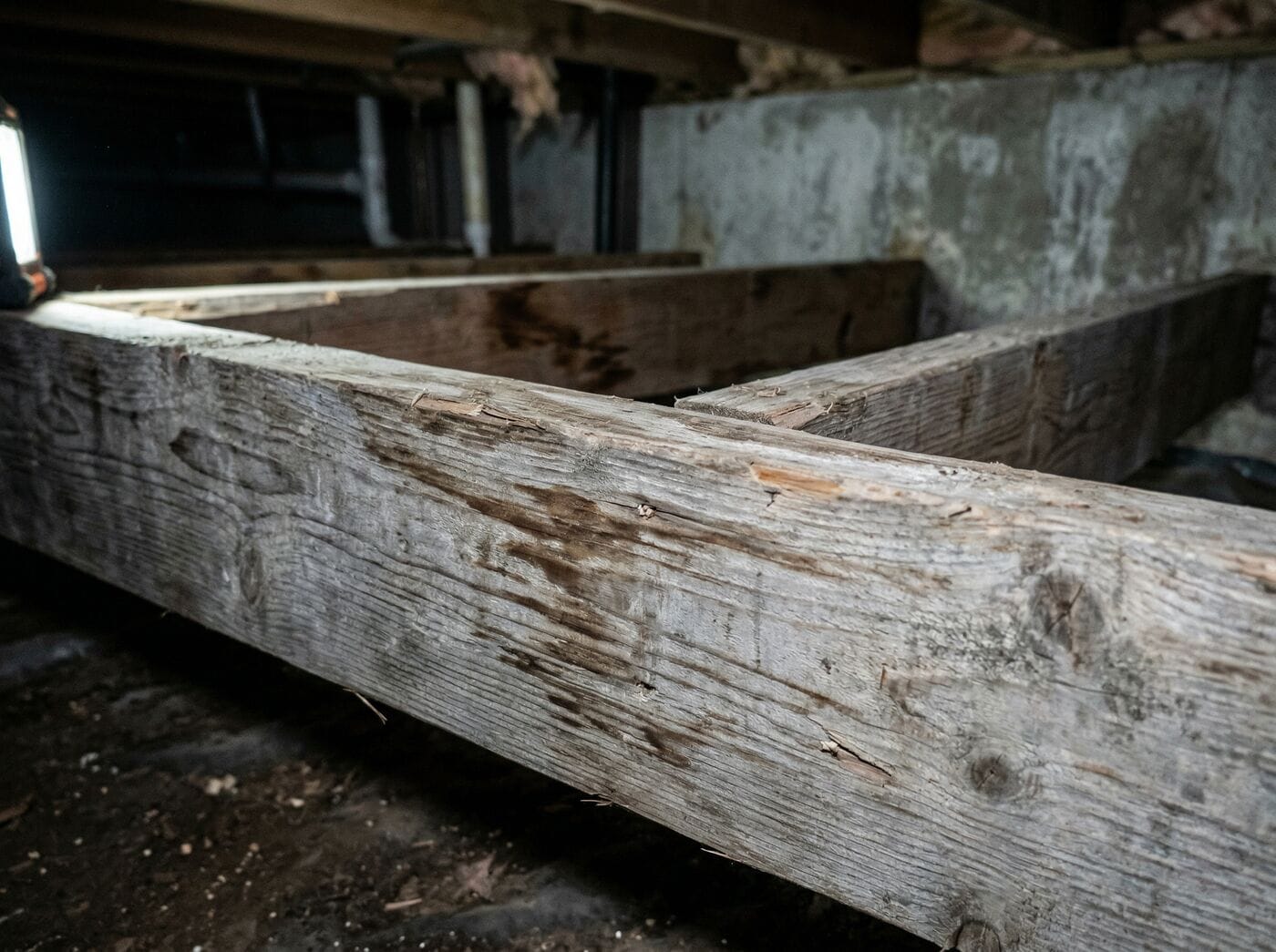
Crawl Space Mold Inspection
Joists, subfloor, vapor barrier and foundation walls in the space nobody looks at.
Learn more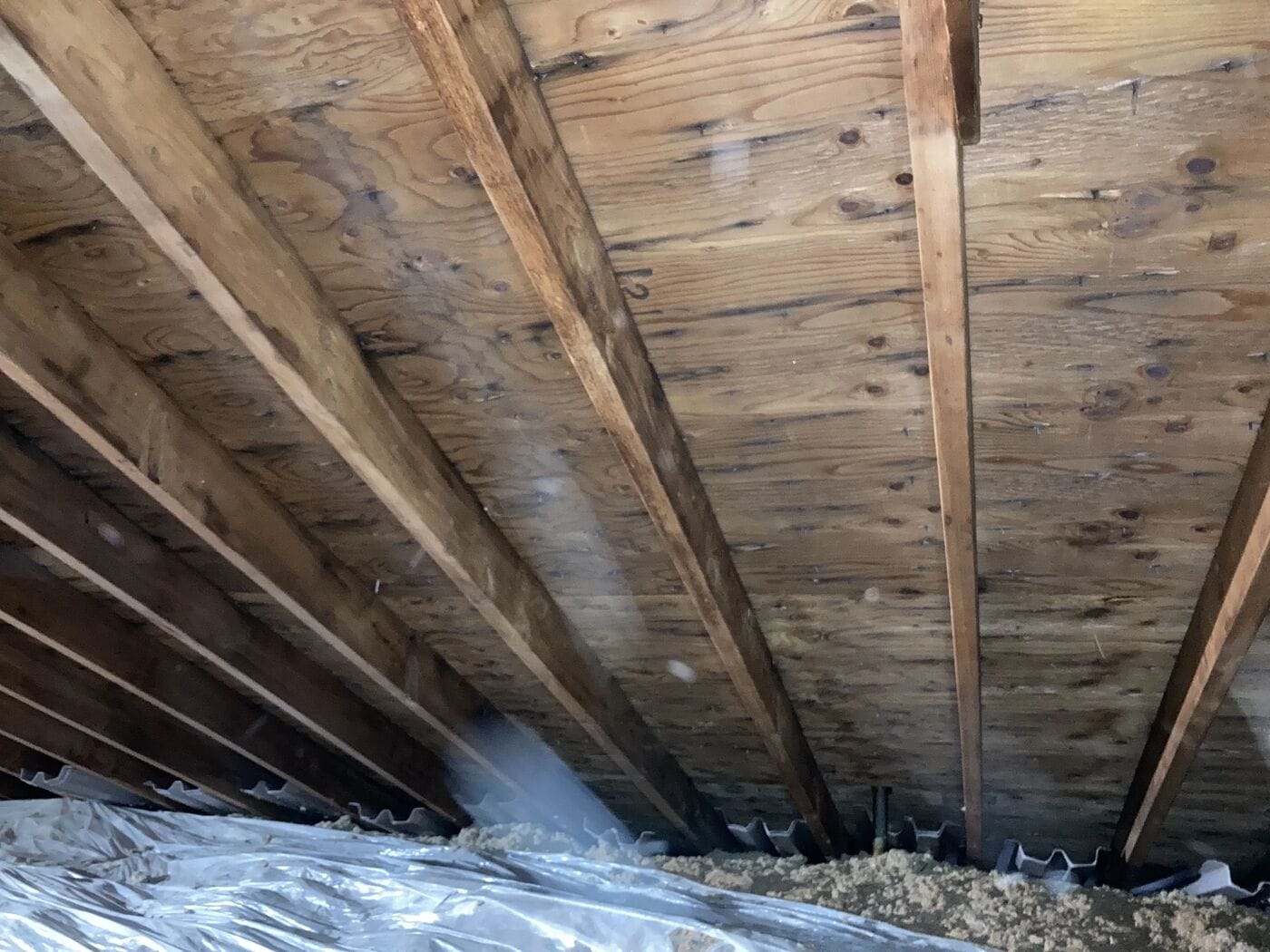
Attic Mold Inspection
Roof sheathing, rafters, bath fan venting and attic ventilation problems.
Learn more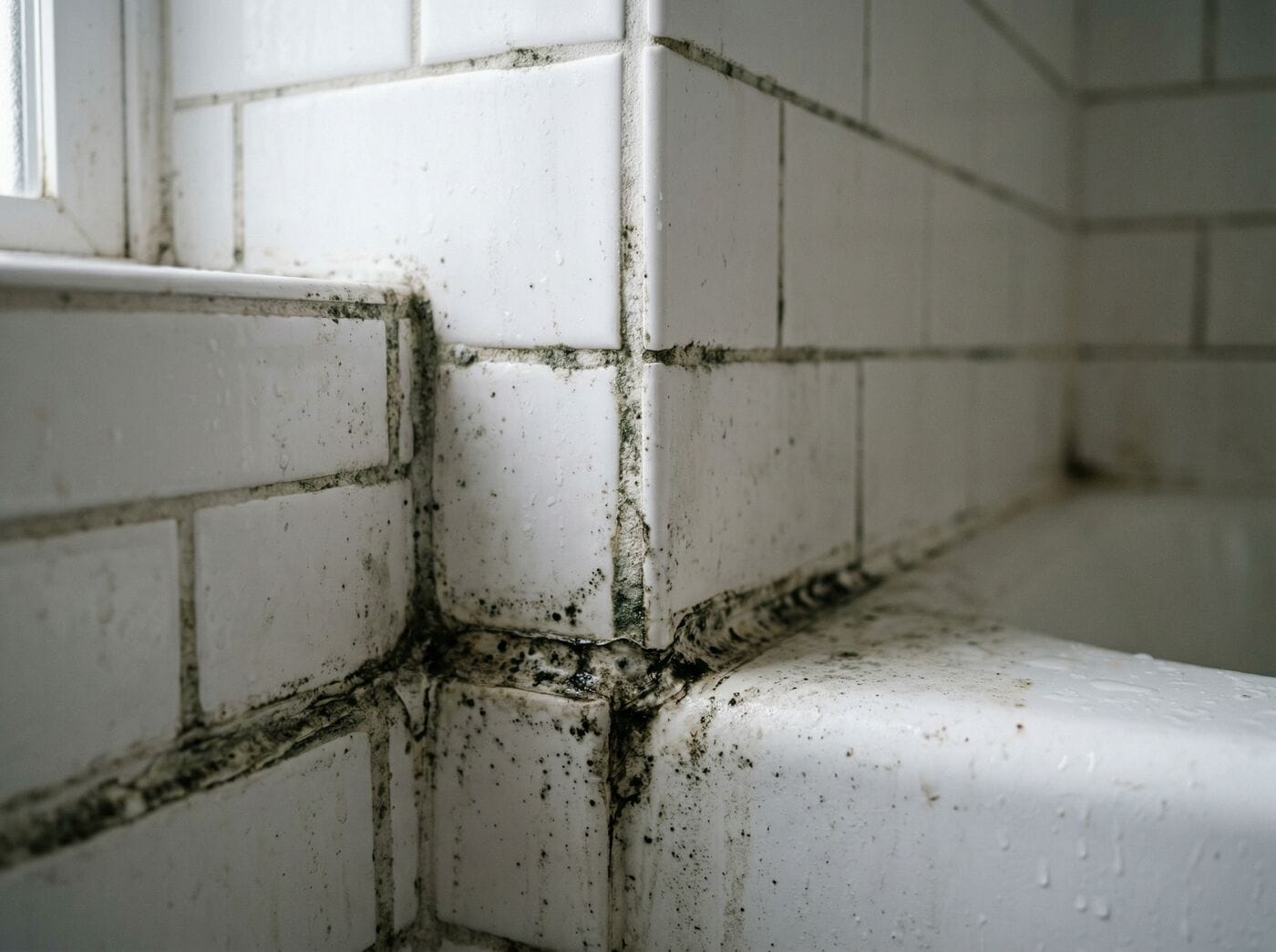
Bathroom Mold Inspection
Grout, under-sink cabinets, subfloor and exhaust fans in the dampest room in the house.
Learn more
Real Estate Mold Inspection
Pre-purchase and pre-listing testing with a report in 1-2 business days.
Learn more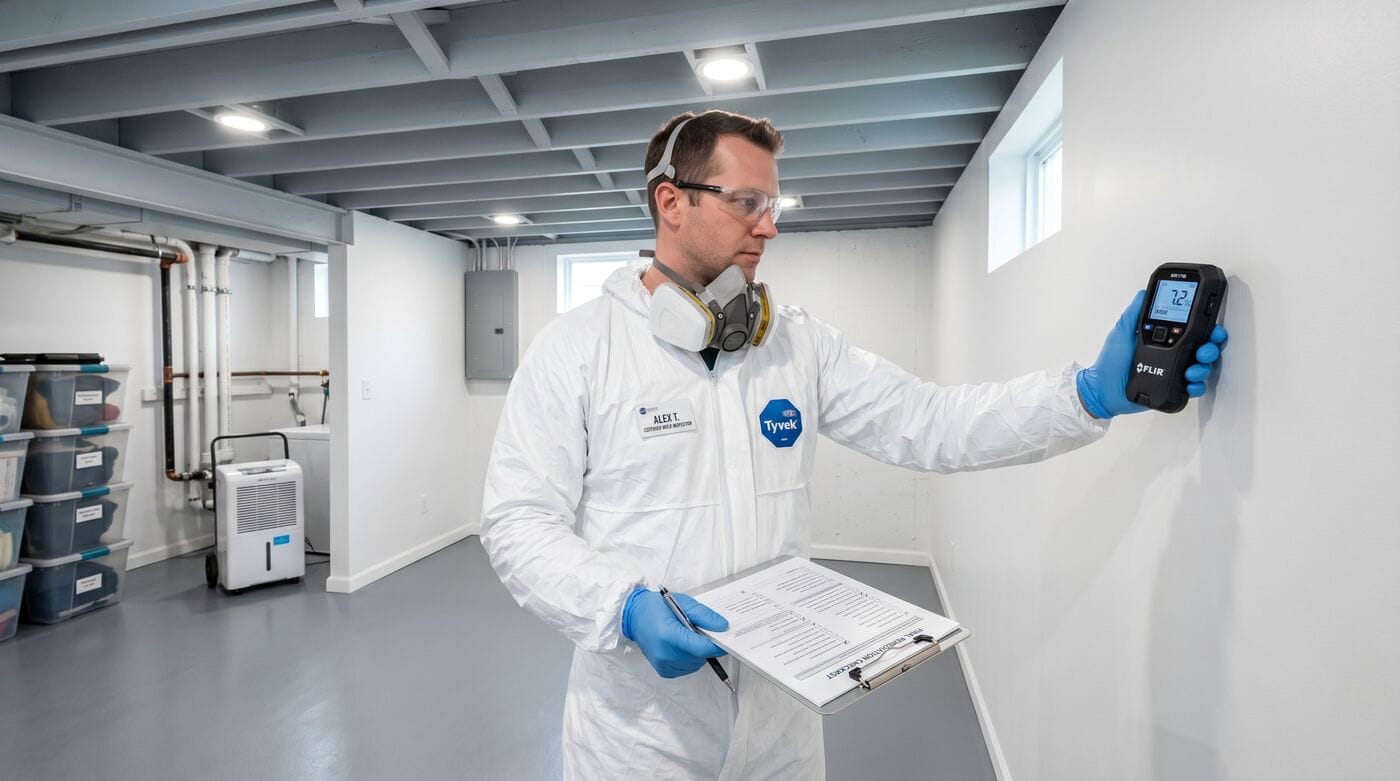
Mold Clearance Testing
Independent post-remediation verification after a remediation contractor finishes the work.
Learn moreCommercial Mold Inspection
Offices, rentals, schools, restaurants and warehouses, with documentation you can file.
Learn more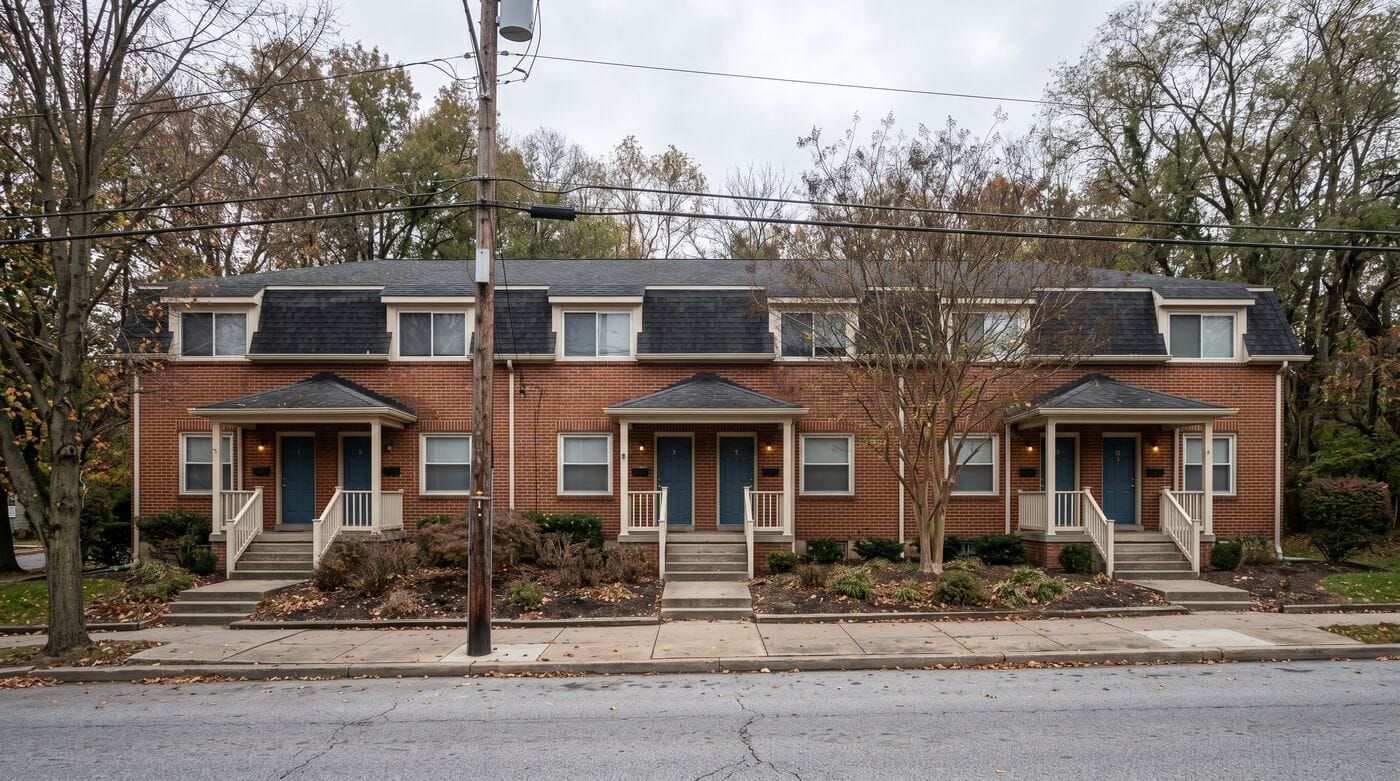
Landlord / Tenant Mold Inspection
Neutral third-party inspections and reports for rental disputes and code complaints.
Learn moreLooking for one thing in particular?
If you got here searching for something specific, these pages go straight at it.
Mold inspection cost in York, PA
The flat price — $450 residential, $785 commercial — what it includes, and why free inspections cost more.
Read thisMold inspector near me
What a real inspection covers, what to ask before you hire, and why free ones cost more.
Read thisMold testing near me
Air, surface and ERMI testing explained, with what each one can and can't tell you.
Read thisAttic mold
Why attics in this climate grow mold on the sheathing, and how the testing answers it.
Read thisWhat Red Lion homeowners and landlords say
Rated 5.0 from 5 Google reviews.
I could not recommend this business enough for mold inspections! If you're looking for quick turnaround, great communication and honest upfront service - this is your place. Tom was respectful, professional, and explained everything in great detail.
Truly the best! I can't say enough good things about Tom. I truly feel like I had someone I could count on by my side during this very stressful situation.
We had a great experience with Tom at Mastertech throughout this whole process. They took extra time to answer all of our questions and explained everything in a way that actually made sense.
Red Lion mold testing questions
$450 residential with 4 lab samples, $785 commercial, extra samples $85 each. No trip charge to Red Lion — it's a normal part of my run down Route 24.
Where I work
I cover York and the towns around it — basically anything within about 7 miles of 2400 Taxville Rd, York, PA 17408, plus a good bit of York County beyond that. If you're close and don't see your town, call me anyway.
Based in York, not a call center
You reach me directly, and I'm the one who shows up and does the inspection. Most weeks I can be out within a couple of days, sooner if you're up against a closing date.