
Mold inspection and testing in Windsor, PA
Windsor incorporated in 1905 out of the village of Windsorville, and the borough still carries substantial older housing with stone and early block foundations — surrounded by Windsor Township farmland, wells, septic systems and crawl-space additions. The pattern I document here is usually two problems at once: chronic masonry wicking in the cellar and a ventilation defect upstairs. They need different fixes, and the report separates them.
- — CMI certified, PMII, since 2010
- — $450 flat, 4 samples included
- — Thermal imaging and humidity readings included
- — Report in 1-2 business days
What goes wrong in Windsor houses, cellar to roof
Older masonry below, retrofitted ventilation above, and a well system in the middle of it. Most Windsor inspections come back to those three.
Windsor is a small borough east of Dallastown that was incorporated in 1905, carved out of the village then known as Windsorville, and it sits inside Windsor Township — one of the more rural parts of eastern York County. The housing splits along the same line as the municipal boundary: substantial older homes with deep porches and stone or early block foundations in the borough, and a mix of farm properties and late-century subdivisions across the township. Both come with moisture problems, but not the same ones.
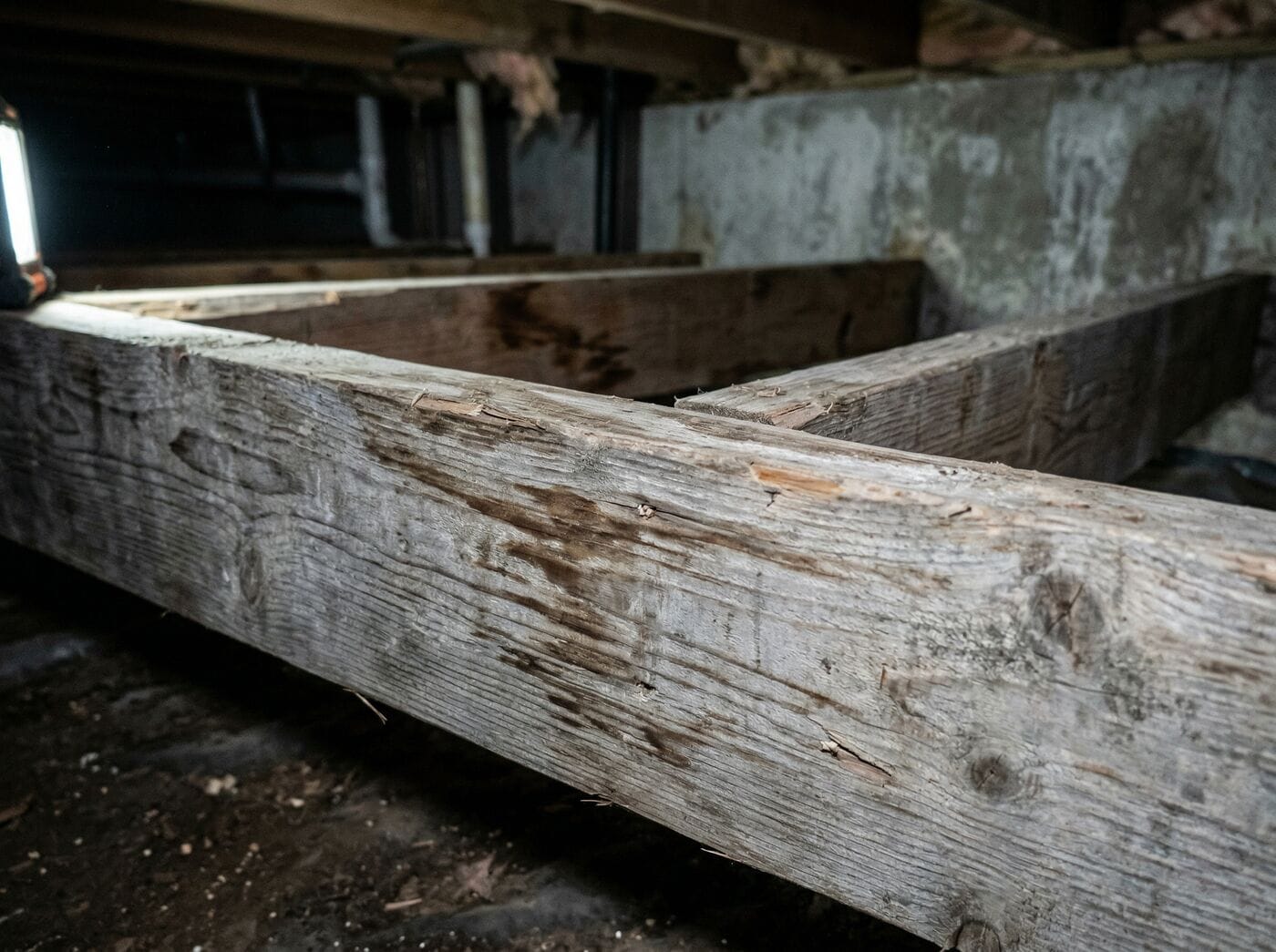
In the older houses the cellar is the constant. Foundations laid before the First World War have no exterior damp-proofing, no drainage board and no functioning footing drain, so the masonry transfers ground moisture upward continuously. That is capillary wicking, not a leak, and the way you tell the difference is by when it happens. A leak follows storms. Wicking follows the season — it reads wet from late spring into September and eases off in the winter when the soil is cold and the air is dry. Homeowners who do not know that distinction often spend thousands chasing a leak that does not exist. I take readings at multiple heights on each wall so the profile itself tells you which condition you have.
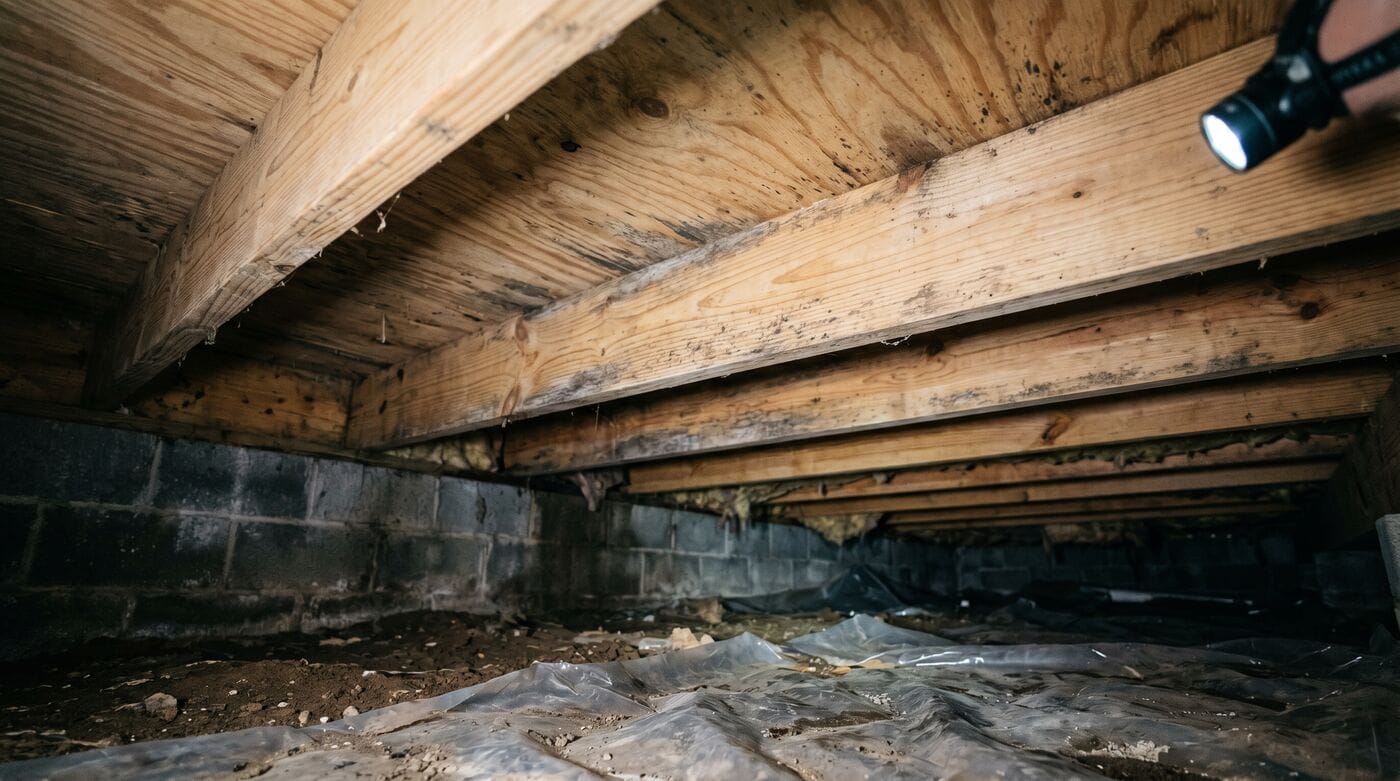
The second constant is additions. Very few hundred-year-old houses out here still have their original footprint. A kitchen, a bathroom, a back bedroom or a family room went on at some point, typically on a shallow footing over a low crawl space with bare soil underneath. Uncovered ground in a crawl space is a serious moisture source — enough water vapor to keep the joists and subfloor above it at elevated moisture content all summer with no standing water anywhere in sight. If the crawl is vented into the cellar rather than to the outdoors, that load moves straight into the house. I read joist and subfloor moisture, check vapor barrier coverage, look at how the crawl is vented, and take paired humidity readings in the crawl and the room above.
Then there is the well, which is specific to rural properties and shows up on my reports more often than most people expect. Well water comes out of the ground in the fifties. Run it through an uninsulated pressure tank and uninsulated copper in a humid cellar and the whole assembly sweats from May to September. That condensation drips onto a joist, a subfloor, a shelf or a stack of stored boxes, and keeps one small area permanently wet. There is no leak to report, no stain spreading across a ceiling, and no plumber involved — just a localized colony growing on whatever sits under the tank. It is one of the cheapest problems on my reports to correct and one of the most consistently missed.
Septic matters for a related reason. A drain field in low ground, or one that has begun to surface, keeps the soil near a foundation saturated well beyond what rainfall alone would do. That is not a mold problem in itself, but it maintains the steady wet condition that becomes one, so on township properties I look at where the system sits relative to the house and whether the ground around it ever dries.
Upstairs, Windsor houses follow the county-wide pattern. The older ones had no bathroom exhaust to begin with, so fans were added later, and a sizeable share of them end in the attic, in a soffit, or in a joist bay instead of through the roof or a wall. Every shower pushes warm moist air onto cold sheathing. Add blown-in insulation over the eaves without baffles — which happened to most of these attics during one energy-efficiency push or another — and the soffit ventilation that used to move that air is gone. What you get is frost on the nail heads in January, dripping in the first thaw, and a dark band along the nail lines after enough winters.
The newer subdivision houses on the township side trade all of that for condensation and mechanical problems: finished basements built against block with no capillary break, and oversized replacement air conditioners that hit setpoint before the coil has run long enough to pull water out of the air. A house that is cool and humid at the same time grows mold on exterior-wall closets and behind furniture, and the homeowner is usually baffled because the system is brand new.
Whichever house you have, what you get from me is measurement and an independent read. I do not sell remediation, I take no referral fees from the contractors who do, and I have no ownership in the lab. If the answer is pipe insulation and a vapor barrier rather than a drainage system, that is what the report will say.
What I run into most in Windsor
- Substantial older borough homes with deep porches on stone and early block foundations.
- Additions on shallow footings, usually over a low crawl space with bare soil.
- Private wells with uninsulated pressure tanks and supply lines that sweat all summer.
- Septic systems and low-lying drain fields that keep soil saturated near a foundation.
- Retrofitted bath fans terminating in attics, soffits and joist bays.
- Attic insulation added over the eaves without baffles, shutting down soffit ventilation.
- Windsor Township farm properties with outbuildings, spring houses and summer kitchens.
- Newer subdivision homes on the township side with the usual condensation and HVAC defects.
Tell me the address, and whether you're on well and septic. I'll come back with timing and pricing.
When to get mold testing in Windsor, PA
If any of this describes your house, a $450 inspection costs less than guessing at the repair.
A cellar that's damp every summer regardless of rain
Stone and early block wick ground moisture continuously. If the damp tracks the season rather than the storms, it isn't a leak and it doesn't need excavation.
A bath fan that never made it through the roof
The most common upstairs defect I find in Windsor. Warm wet air onto cold sheathing every shower, for as long as the fan has been there.
A sweating well tank or uninsulated lines
Cold well water through an uninsulated tank drips onto framing and stored goods all summer. It creates a permanently wet spot nobody ever calls a leak.
A crawl space with bare dirt under it
Uncovered soil can put several gallons of water a day into the space above it. It shows up as elevated joist and subfloor moisture with no visible water anywhere.
How a Windsor mold inspection goes
Same process in a borough house as on a township farm property — the readings just tell a different story.
You call or text me
You get me, not an office. Tell me whether the house is on well and septic and what the foundation is, and I can tell you what I expect to be looking at before I drive out.
I come out and look
Plan on ninety minutes for a typical Windsor house. Cellar or crawl, attic, baths, HVAC and mechanicals, plus anywhere you're concerned about, with moisture readings and thermal imaging throughout.
I check the water system specifically
On well properties the pressure tank, the lines and whatever sits under them get looked at deliberately. Condensation off cold plumbing is a real and regularly missed cause of localized growth.
I sample where it answers a question
4 lab samples included — typically one in the cellar or crawl, one in the living space and one outdoors as a control. Extras are $85 and you'll know before I take one.
The lab runs it
An independent accredited lab I have no ownership in. Results come back in a day or two and they go into the report as they arrive.
You get the report and we talk it through
Written report in 1-2 business days with photos, readings area by area, lab data against the outdoor control, the mechanism named, and corrections a contractor can price from.
No remediation, no referral fees, no stake in the lab
A damp rural cellar is easy to sell a big system against. I have nothing to sell you after the report.
- No remediation or waterproofing work sold, ever
- No referral fees from any contractor
- Independent accredited lab I have no ownership in
- Samples taken to answer a question, not to pad an invoice
- If your Windsor house tests clean, the report says clean
What a mold inspection costs in Windsor, PA
Flat pricing, nothing hidden. Extra samples beyond the 4 included are $85 each. Lab results come back in 1-2 business days.
- Visual inspection of the areas of concern
- Thermal imaging
- Moisture meter readings
- 4 air or surface samples
- Accredited independent lab analysis
- Written report with photos and readings
- Phone walkthrough of the results
Covers properties or inspected areas up to approximately 2,500 sq ft. Larger properties may need more inspection time, more areas or more sampling, so the price can go up — I'll tell you the number before I come out.
Schedule a residential inspection- Visual inspection of the areas of concern
- Thermal imaging
- Moisture meter readings
- 4 air or surface samples
- Accredited independent lab analysis
- Written report with photos and readings
- Phone walkthrough of the results
Covers the extra reporting and square footage that comes with commercial buildings. Additional samples $85 each.
Schedule a commercial inspectionSee the report before you hire me
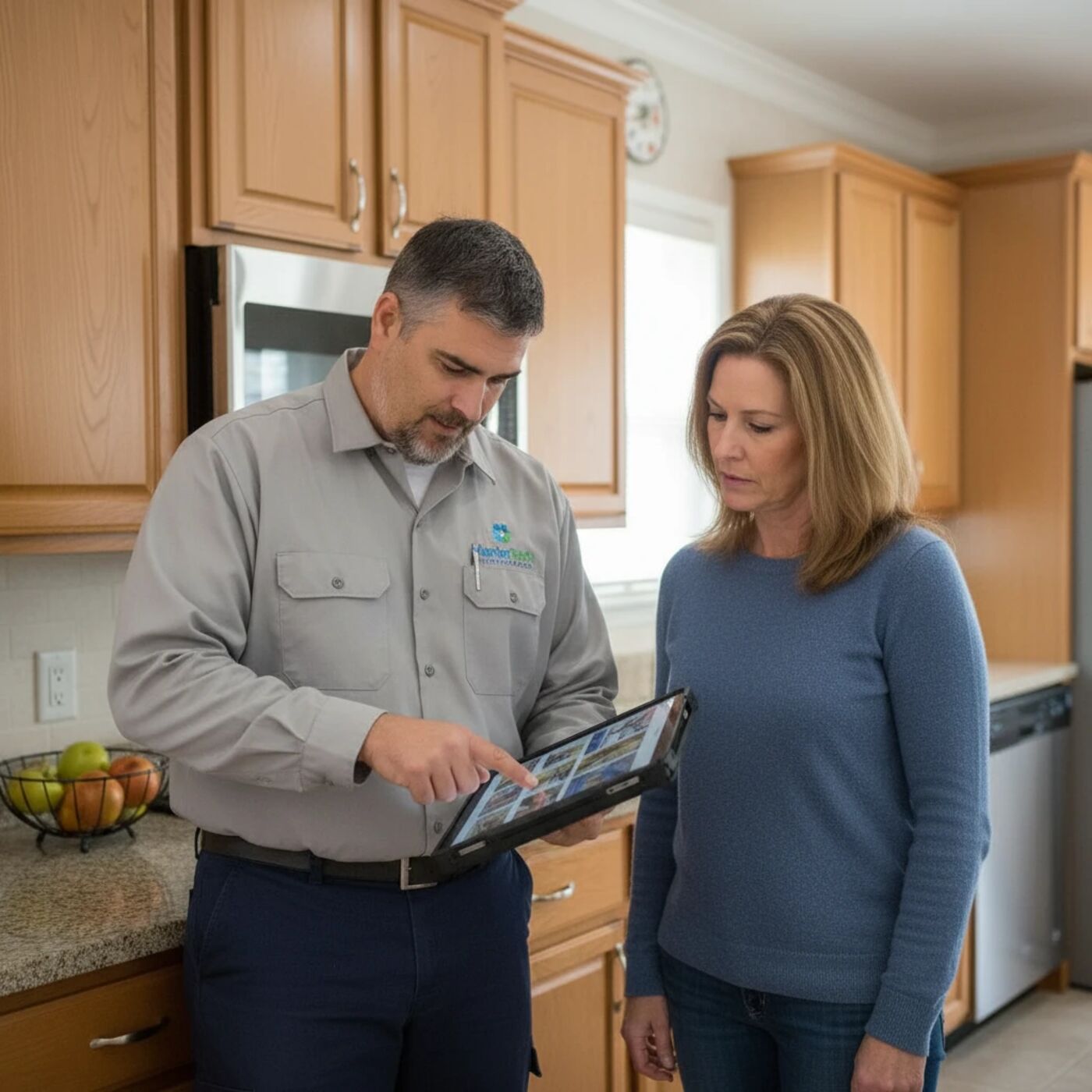
The inspection is only worth as much as the paperwork you're left holding. Mine lays out what I looked at, what I found, what the lab said, and what should happen next — in language you can hand to a contractor, a landlord, or a realtor.
- Inspection summary
- Lab sample results
- Moisture readings
- Area-by-area notes
- Photos of findings
- Recommendations
- Limitations
- Next steps
Mold inspection services in Windsor, PA
Residential and commercial, at the same flat pricing as the rest of my service area, with no trip charge into Windsor Township.
Basement Mold Inspection
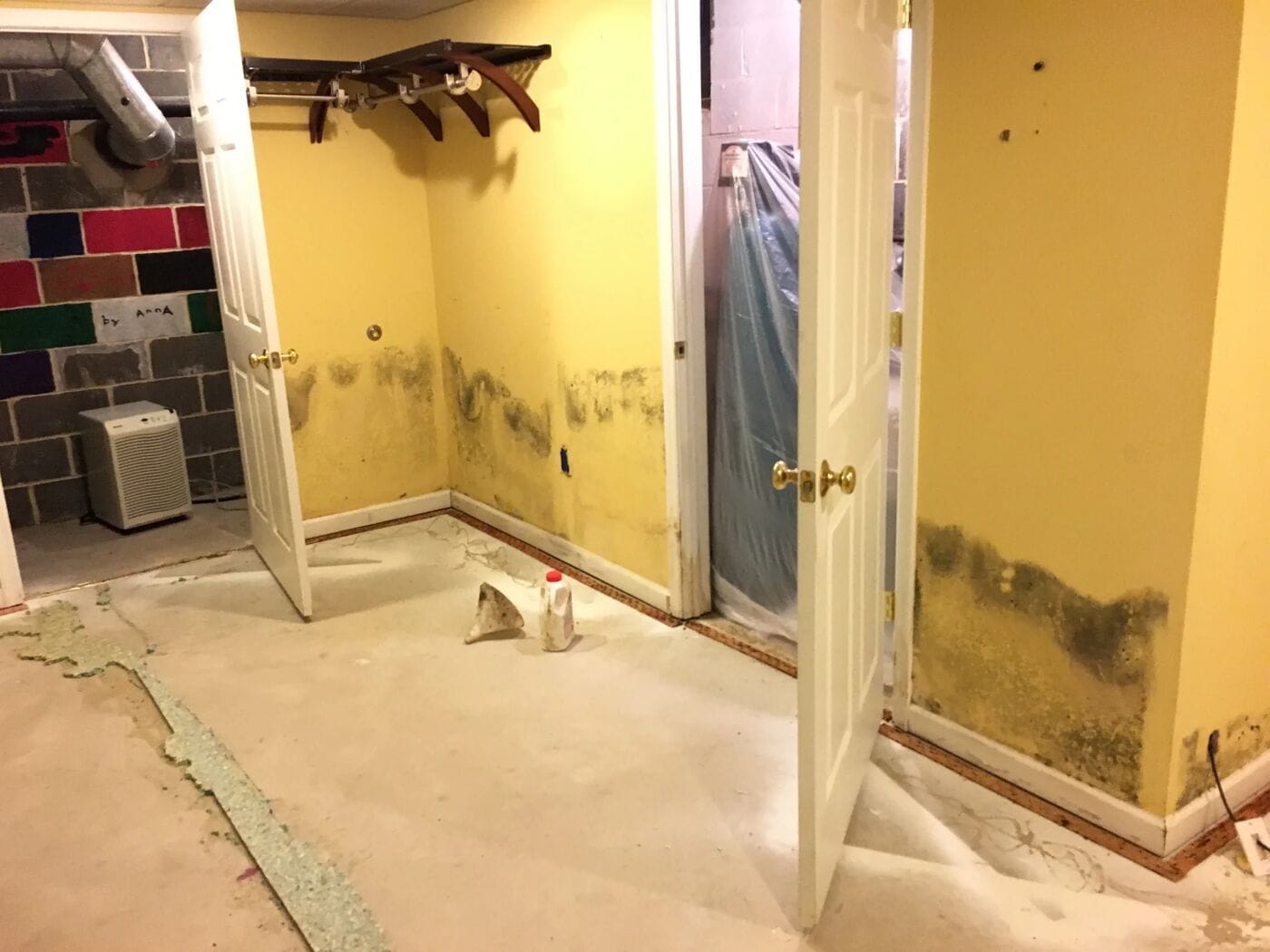
Moisture readings, thermal imaging and air samples in finished and unfinished basements.
Learn moreCrawl Space Mold Inspection
Joists, subfloor, vapor barrier and foundation walls in the space nobody looks at.
Learn more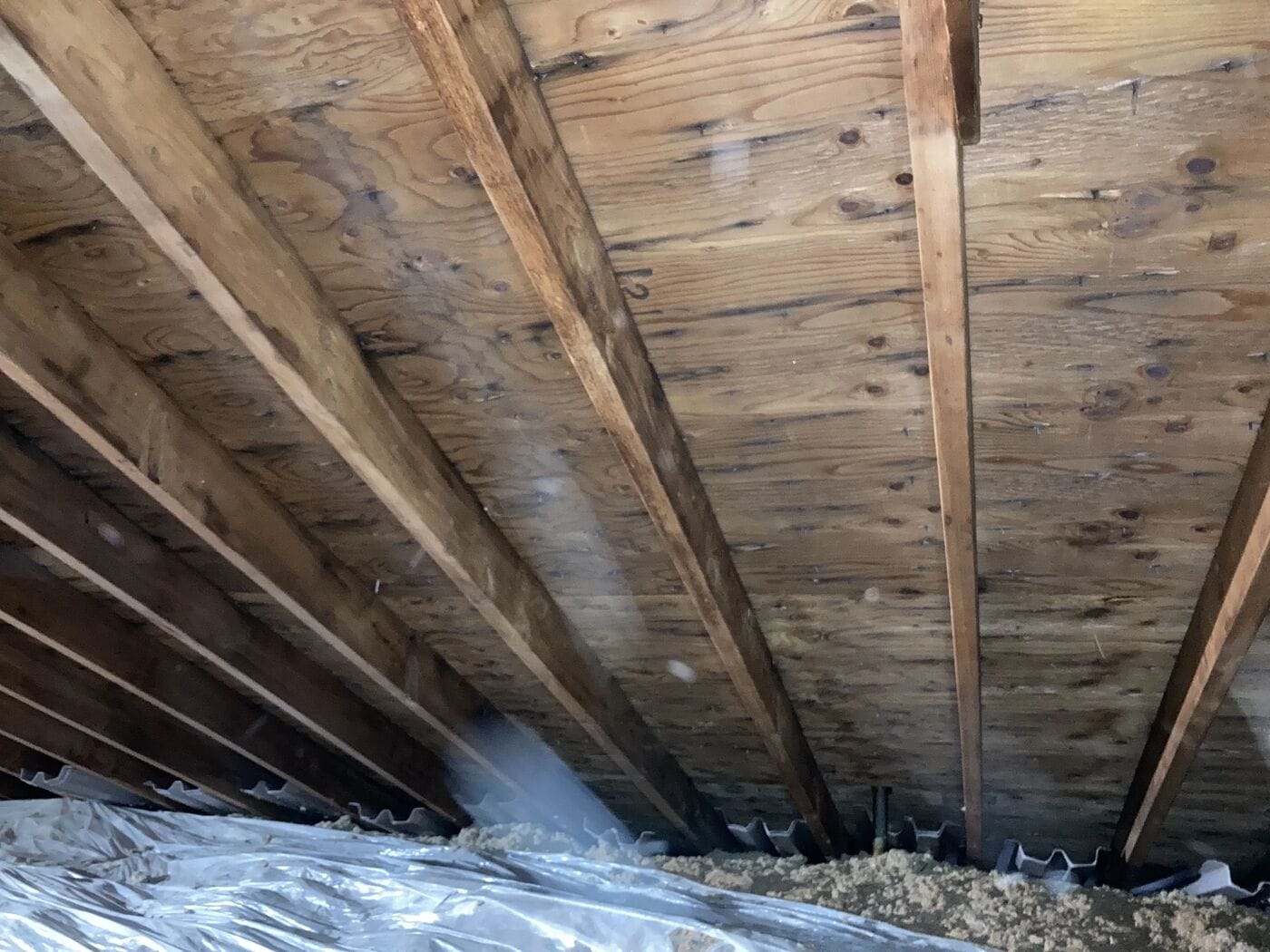
Attic Mold Inspection
Roof sheathing, rafters, bath fan venting and attic ventilation problems.
Learn more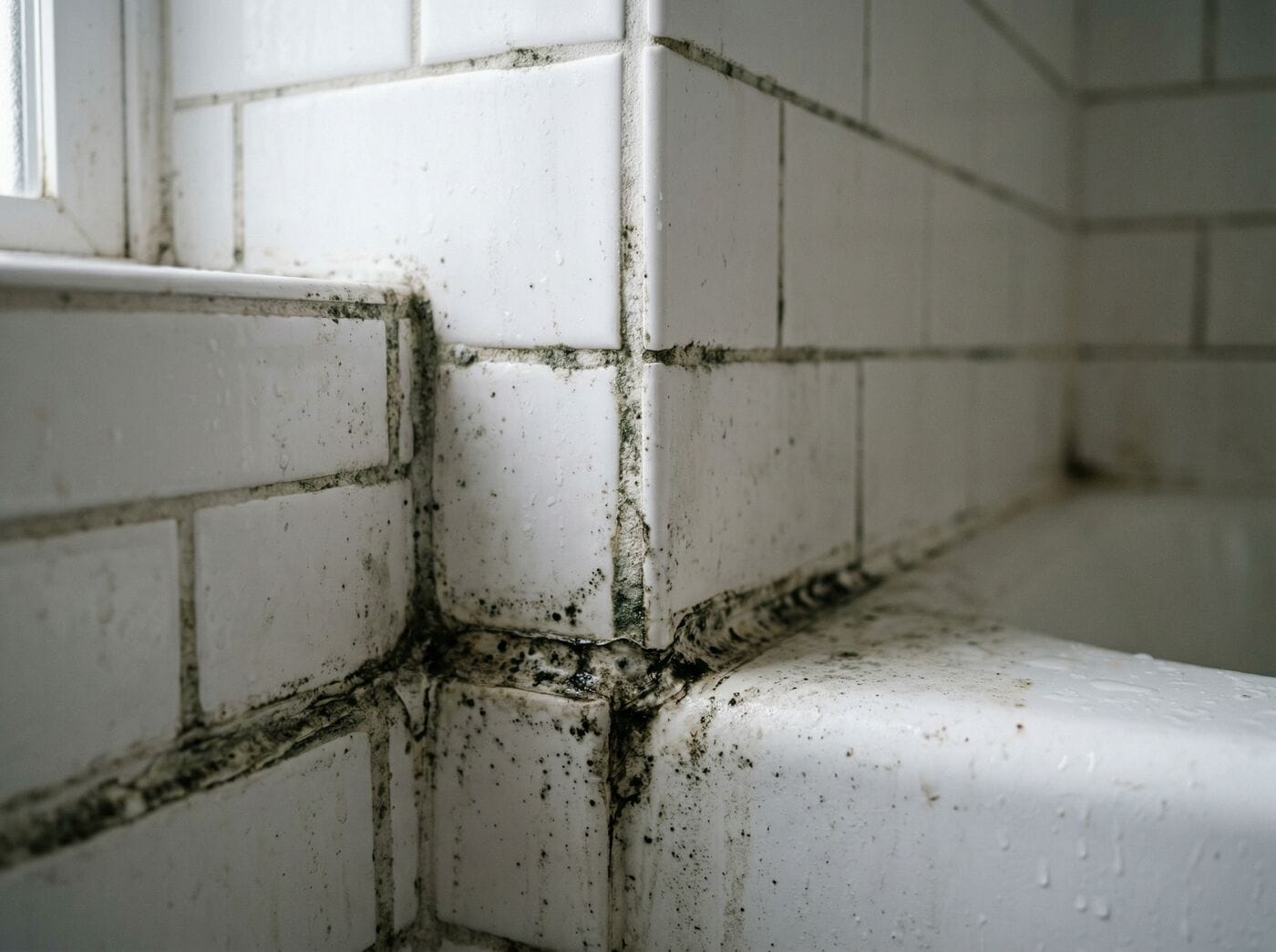
Bathroom Mold Inspection
Grout, under-sink cabinets, subfloor and exhaust fans in the dampest room in the house.
Learn more
Real Estate Mold Inspection
Pre-purchase and pre-listing testing with a report in 1-2 business days.
Learn more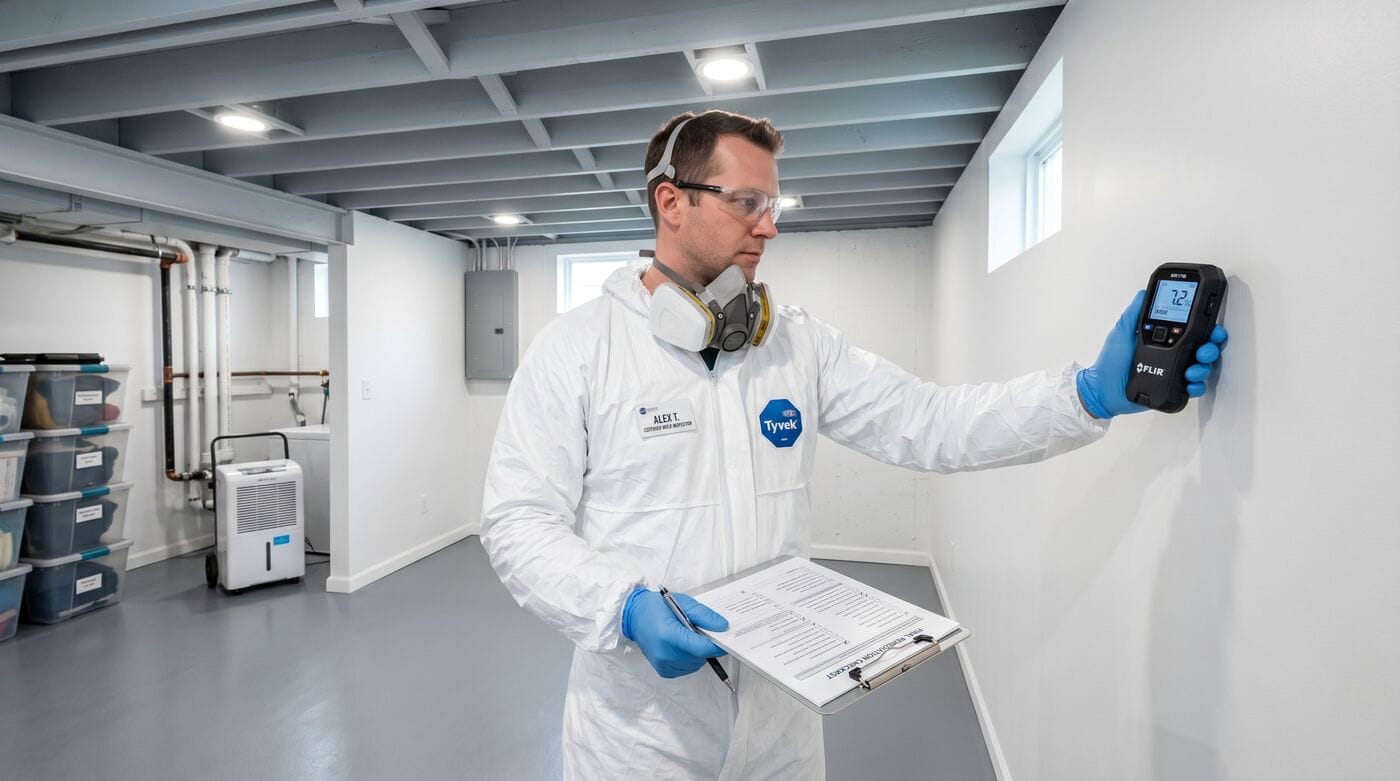
Mold Clearance Testing
Independent post-remediation verification after a remediation contractor finishes the work.
Learn more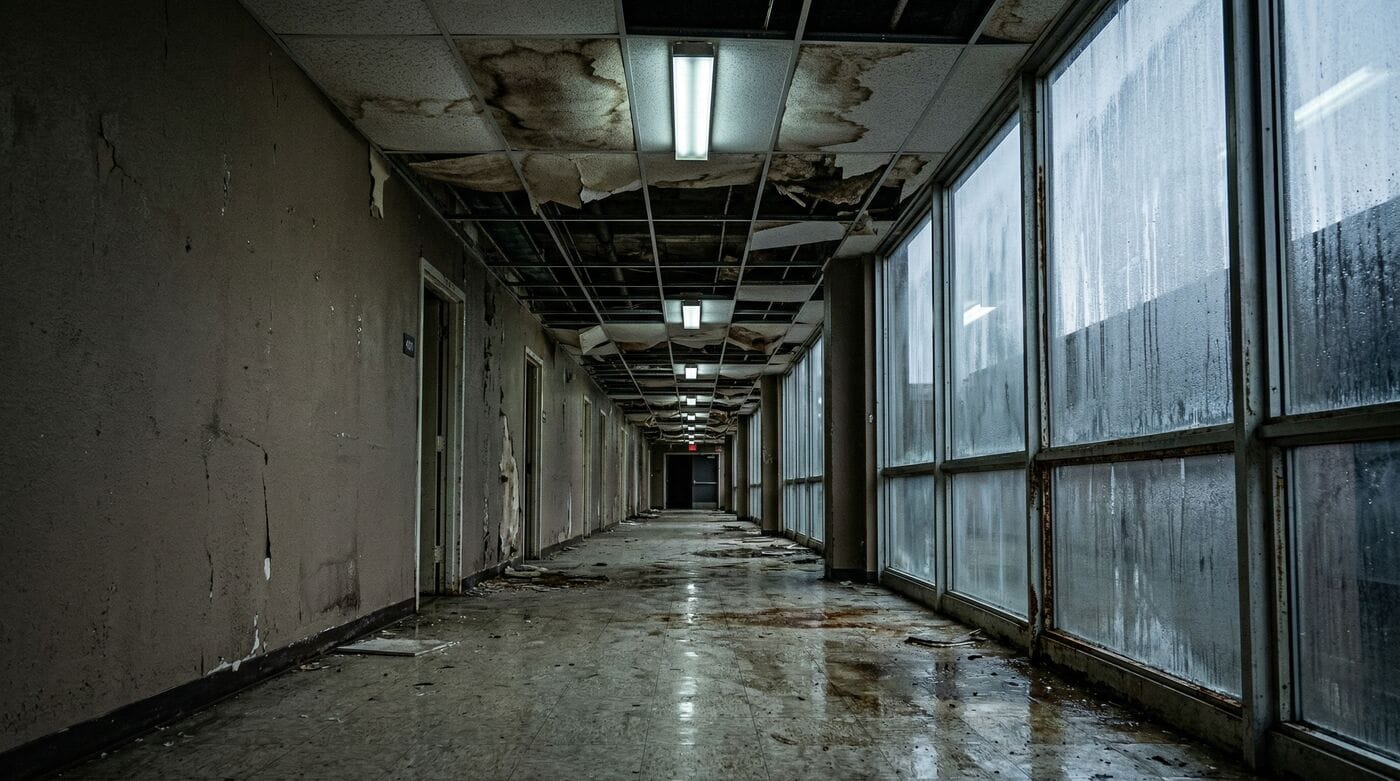
Commercial Mold Inspection
Offices, rentals, schools, restaurants and warehouses, with documentation you can file.
Learn more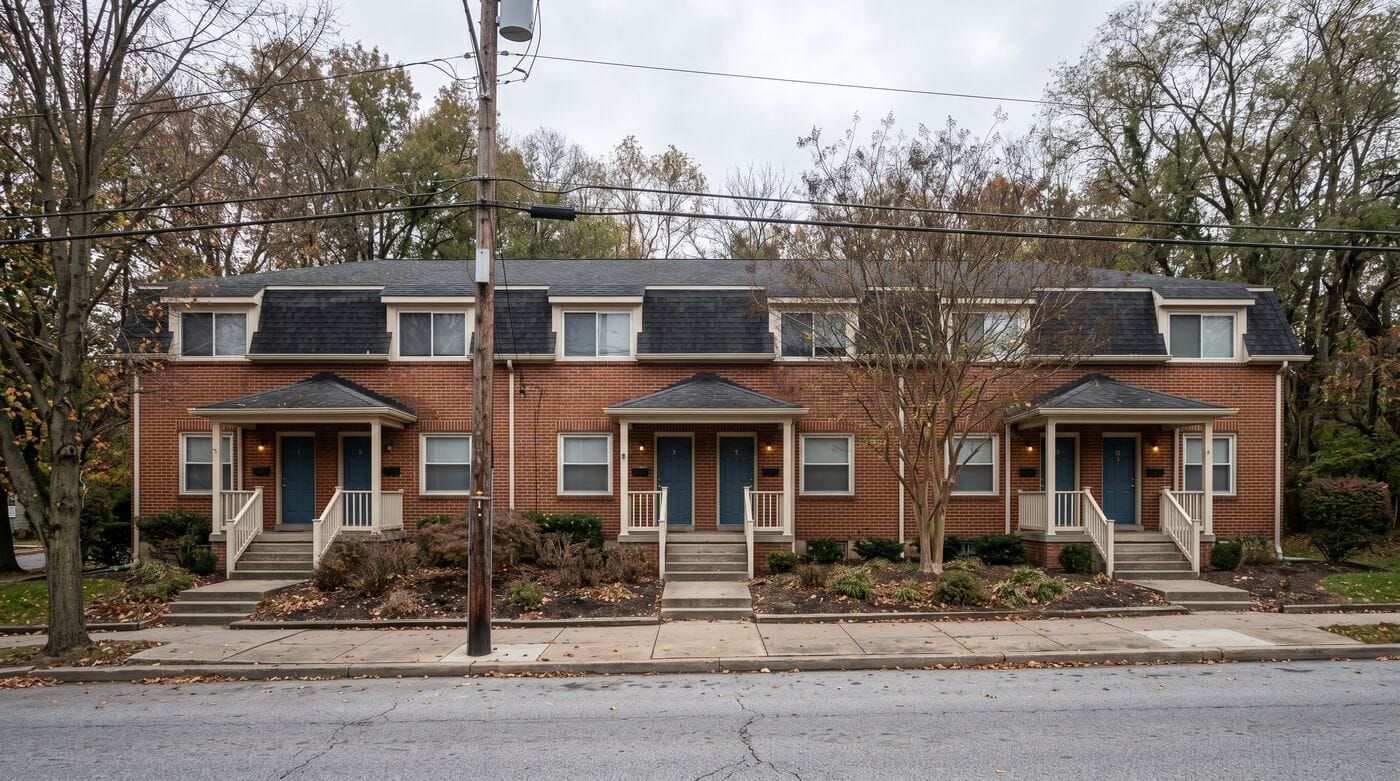
Landlord / Tenant Mold Inspection
Neutral third-party inspections and reports for rental disputes and code complaints.
Learn moreLooking for one thing in particular?
If you got here searching for something specific, these pages go straight at it.
Mold inspection cost in York, PA
The flat price — $450 residential, $785 commercial — what it includes, and why free inspections cost more.
Read thisMold inspector near me
What a real inspection covers, what to ask before you hire, and why free ones cost more.
Read thisMold testing near me
Air, surface and ERMI testing explained, with what each one can and can't tell you.
Read thisAttic mold
Why attics in this climate grow mold on the sheathing, and how the testing answers it.
Read thisWhat Windsor borough and township homeowners say
Rated 5.0 from 5 Google reviews.
I could not recommend this business enough for mold inspections! If you're looking for quick turnaround, great communication and honest upfront service - this is your place. Tom was respectful, professional, and explained everything in great detail.
Truly the best! I can't say enough good things about Tom. I truly feel like I had someone I could count on by my side during this very stressful situation.
We had a great experience with Tom at Mastertech throughout this whole process. They took extra time to answer all of our questions and explained everything in a way that actually made sense.
Windsor mold inspection questions
$450 residential, $785 commercial, 4 lab samples included in both, extra samples $85. Windsor borough and the surrounding township are within my regular area.
Where I work
I cover York and the towns around it — basically anything within about 7 miles of 2400 Taxville Rd, York, PA 17408, plus a good bit of York County beyond that. If you're close and don't see your town, call me anyway.
Based in York, not a call center
You reach me directly, and I'm the one who shows up and does the inspection. Most weeks I can be out within a couple of days, sooner if you're up against a closing date.