
Mold inspection and testing in Wrightsville, PA
Wrightsville sits right on the Susquehanna, and the river is the whole story here. The borough has been flooded more than once — Agnes in 1972 is the one everybody names — and even in a dry year the water table under the low end of town is close to the surface. Both of those leave a mark inside the houses. I read wall cavities at multiple heights, map where the wet zone actually sits, and tell you whether it is history or an active problem.
- — CMI certified, PMII, since 2010
- — $450 flat, 4 samples included
- — Thermal imaging and humidity readings included
- — Report in 1-2 business days
A borough with a flood history and a high water table
Two separate problems, and they need to be told apart before anybody spends money.
Wrightsville is a small borough on the west bank of the Susquehanna at the Columbia crossing, with housing that mostly predates the First World War and foundations of stone or early block. It has been flooded. Agnes in 1972 is the event people name first, and it is the one that put water into buildings well up from the riverbank, but the low end of town has taken high water and ice-jam backups more than once since. If you own a house here, some part of your mold question is about that history whether you were living here for it or not.
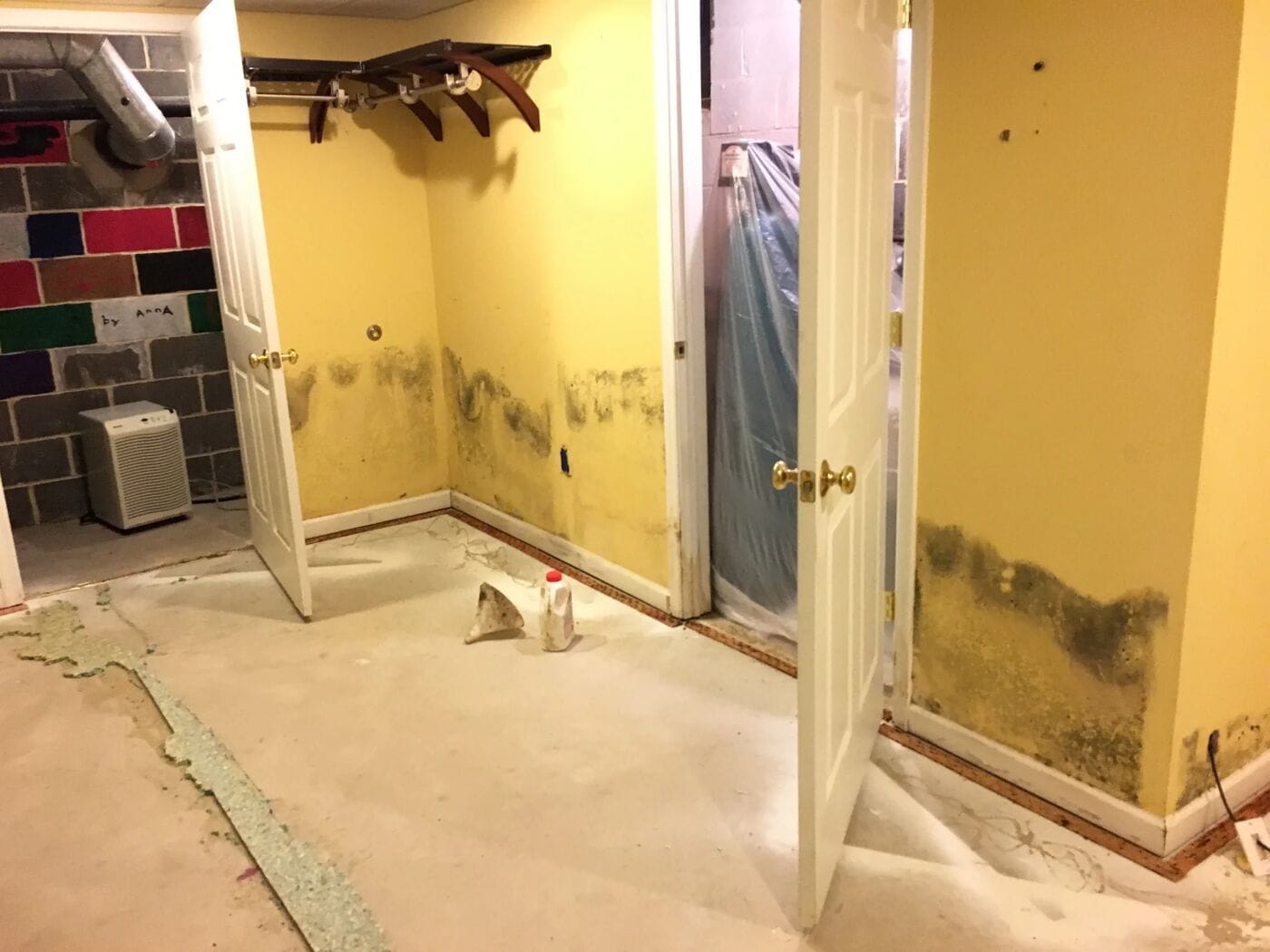
What a flood leaves behind depends entirely on what happened afterward. Water that reached a wall cavity or got under a floor system and was then dried properly, documented and rebuilt is not a present-day mold problem. Water that reached the same place and was closed back up — new drywall over wet framing, new flooring over a wet subfloor, insulation that was never pulled — supported growth at the time and frequently still holds it. From the room side, both of those look identical. That is why I read cavities at more than one height in Wrightsville: low near the sill where floodwater sat, mid-wall where a repair line usually falls, and up at the top plate to rule out something arriving from the roof. Surface readings on a painted wall tell you almost nothing about what is behind it.
The second problem has nothing to do with flooding and affects far more houses: proximity to the river means a high water table year-round. Groundwater standing against a footing pushes moisture through mortar joints and through block, and it moves upward through a floor slab as well. That is a chronic condition rather than an event. When I run a meter across a cellar floor here and the middle of the room reads as wet as the perimeter, the answer is the water table, and the fix list is different from a perimeter drainage repair. It also means anything laid on that floor — carpet and pad, vinyl over foam, stored cardboard, a couch against a block wall — is the actual growth surface, because the masonry itself will not grow anything.
The river-mud smell after heavy rain is worth naming specifically, because people describe it to me constantly and usually misread it. It is rarely surface water running in through a window well. It is groundwater rising into the cellar through the floor and the base of the wall, wetting material, then receding and letting that material dry — over and over. The odor is that cycle. What I am measuring is whether the cycle is producing measurable spore elevation in the air upstairs, or whether it is staying in the cellar. Those two findings lead to very different spending.
Sumps here do real work, and the failures I document are maintenance rather than design: a pump that quit, a stuck float, a discharge line that freezes or drains back toward the wall, and no alarm and no battery backup on any of it. If the pump is the only thing keeping your cellar dry, then a pump failure nobody notices for two weeks is a mold job. An alarm costs less than one remediation invoice.
A good share of my Wrightsville work ends up in front of somebody other than the owner — an insurer, a lender, an adjuster, a buyer's agent — so the reports are written for a file: photographs, readings by location, lab data against an outdoor control, and the mechanism stated plainly. I do not sell remediation, I take no referral fees, and I have no ownership in the lab. In a town with a flood history, that independence is most of what makes the document worth anything.
What I run into most in Wrightsville
- A riverside borough on the Susquehanna with a documented flood history — Agnes in 1972, plus later high water and ice jams in the low end of town.
- Nineteenth and early twentieth century housing on stone and early block foundations.
- Wall cavities and floor systems that were wet at some point and closed back up without being dried.
- A high water table near the river even in dry years, with moisture moving up through slabs.
- Sump systems doing continuous work, often without alarms or backup.
- Older commercial and mixed-use buildings along Hellam Street and the riverfront.
- Floodplain properties where insurers and lenders want documentation rather than opinions.
- Transaction inspections for Eastern York school district sales.
Tell me the address and whether the property has ever taken water. I'll come back with timing and pricing.
When to get mold testing in Wrightsville, PA
If any of this sounds like your house, a $450 inspection is cheaper than guessing.
A basement that smells like river mud after heavy rain
That is usually groundwater rising through the floor and wall base rather than surface water running in. The smell is wet material drying out and getting wet again.
A wall that was repaired after high water and closed back up
If a flooded cavity was never dried and documented, the material inside it supported growth and may still hold it. I read wall cavities at multiple heights here for that reason.
A cellar that never fully dries, flood or no flood
Proximity to the Susquehanna means a high water table even in a dry year. That is a chronic condition, and it either supports growth or it does not.
A sump that runs hard in ordinary weather
It is the only thing keeping the cellar usable. The failures I document are almost always a pump that quit with no alarm on it.
How a Wrightsville mold inspection goes
More attention to wall cavities and the floor slab than anywhere else in the county.
You call or text me
You get me directly. Tell me the street and whether the property has ever taken water — that changes where I look and how I sample.
I walk the whole building
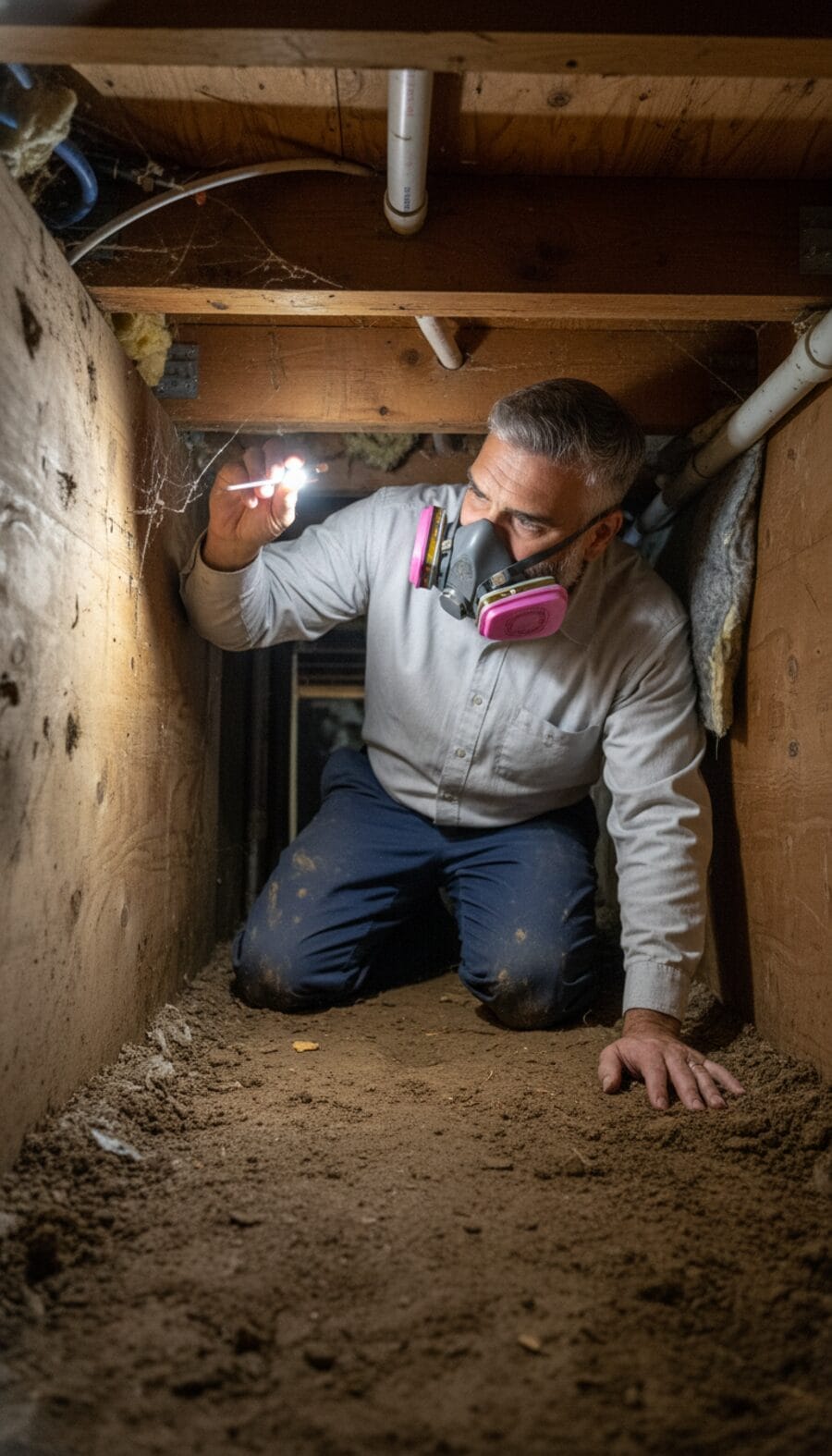
About ninety minutes for a typical Wrightsville house. Cellar, crawl, attic, baths, laundry and mechanicals, with moisture readings and thermal imaging throughout.
I read wall cavities at multiple heights
In a flood-history town, surface readings are not enough. I read low, mid-wall and at the sill so I can see whether a cavity that was once wet is still holding moisture.
I sample where it answers a question
4 lab samples included — usually the cellar, the living space and an outdoor control, because comparison is what makes a count mean something. Extras are $85.
An independent lab runs it
Accredited and independent, with no ownership on my side and no cut of the findings. In a flood-history town that independence matters more than usual.
You get the report and we talk
Written report in 1-2 business days: photos, readings by area, lab results against the control, the mechanism named, and a fix list a contractor or an adjuster can work from.
No remediation, no referral fees, no stake in the lab
Flood history makes a house easy to sell a large project against. I have nothing riding on what the readings say.
- No remediation work sold, ever
- No referral fees from remediation, waterproofing or HVAC contractors
- Independent accredited lab I have no ownership in
- Reports written so an insurer or lender can use them
- If your Wrightsville house tests clean, the report says clean
What a mold inspection costs in Wrightsville, PA
Flat pricing, nothing hidden. Extra samples beyond the 4 included are $85 each. Lab results come back in 1-2 business days.
- Visual inspection of the areas of concern
- Thermal imaging
- Moisture meter readings
- 4 air or surface samples
- Accredited independent lab analysis
- Written report with photos and readings
- Phone walkthrough of the results
Covers properties or inspected areas up to approximately 2,500 sq ft. Larger properties may need more inspection time, more areas or more sampling, so the price can go up — I'll tell you the number before I come out.
Schedule a residential inspection- Visual inspection of the areas of concern
- Thermal imaging
- Moisture meter readings
- 4 air or surface samples
- Accredited independent lab analysis
- Written report with photos and readings
- Phone walkthrough of the results
Covers the extra reporting and square footage that comes with commercial buildings. Additional samples $85 each.
Schedule a commercial inspectionSee the report before you hire me
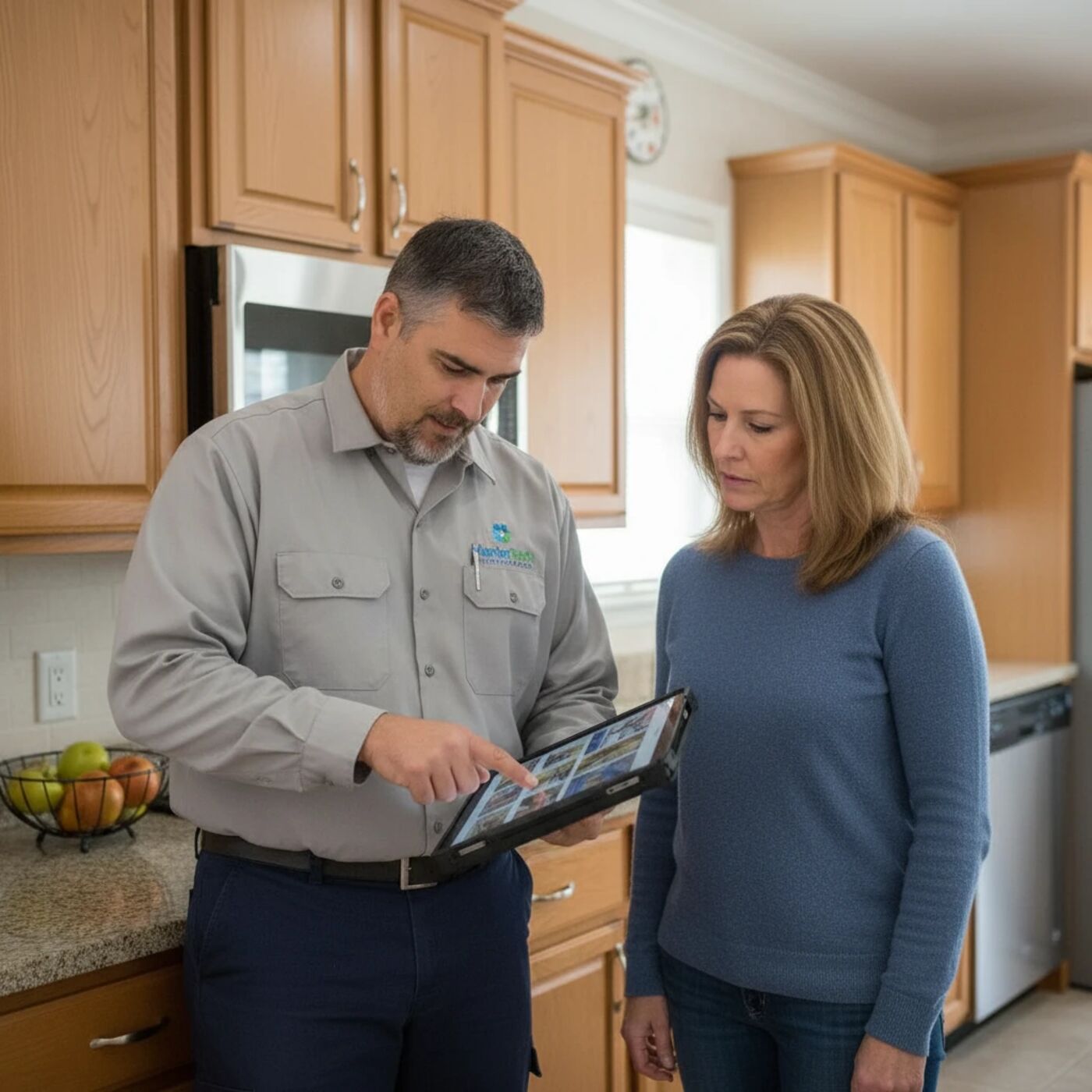
The inspection is only worth as much as the paperwork you're left holding. Mine lays out what I looked at, what I found, what the lab said, and what should happen next — in language you can hand to a contractor, a landlord, or a realtor.
- Inspection summary
- Lab sample results
- Moisture readings
- Area-by-area notes
- Photos of findings
- Recommendations
- Limitations
- Next steps
Mold inspection services in Wrightsville, PA
Residential and commercial, at the same flat pricing as the rest of my area, with no trip charge east on Route 462.
Basement Mold Inspection
Moisture readings, thermal imaging and air samples in finished and unfinished basements.
Learn more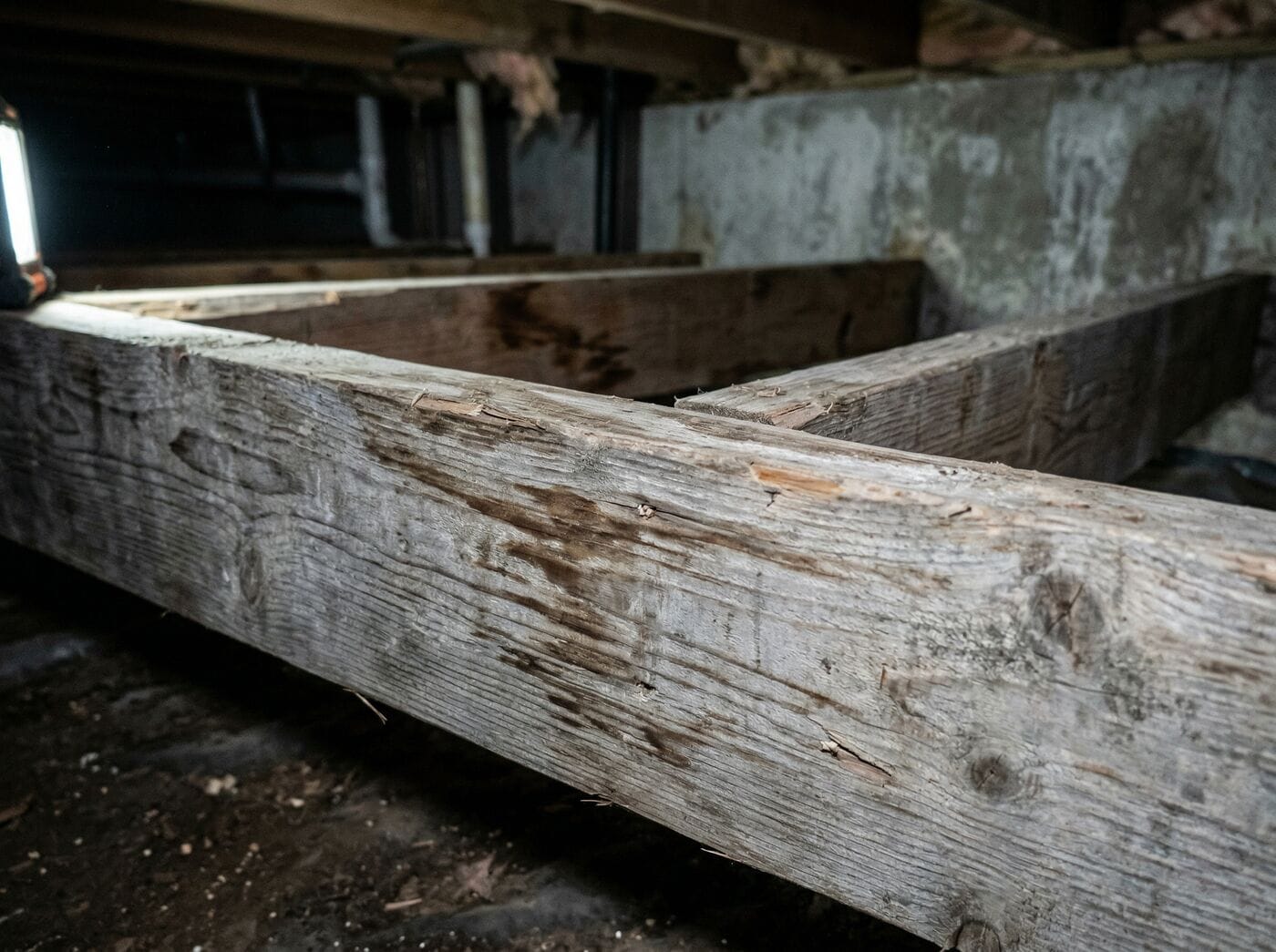
Crawl Space Mold Inspection
Joists, subfloor, vapor barrier and foundation walls in the space nobody looks at.
Learn more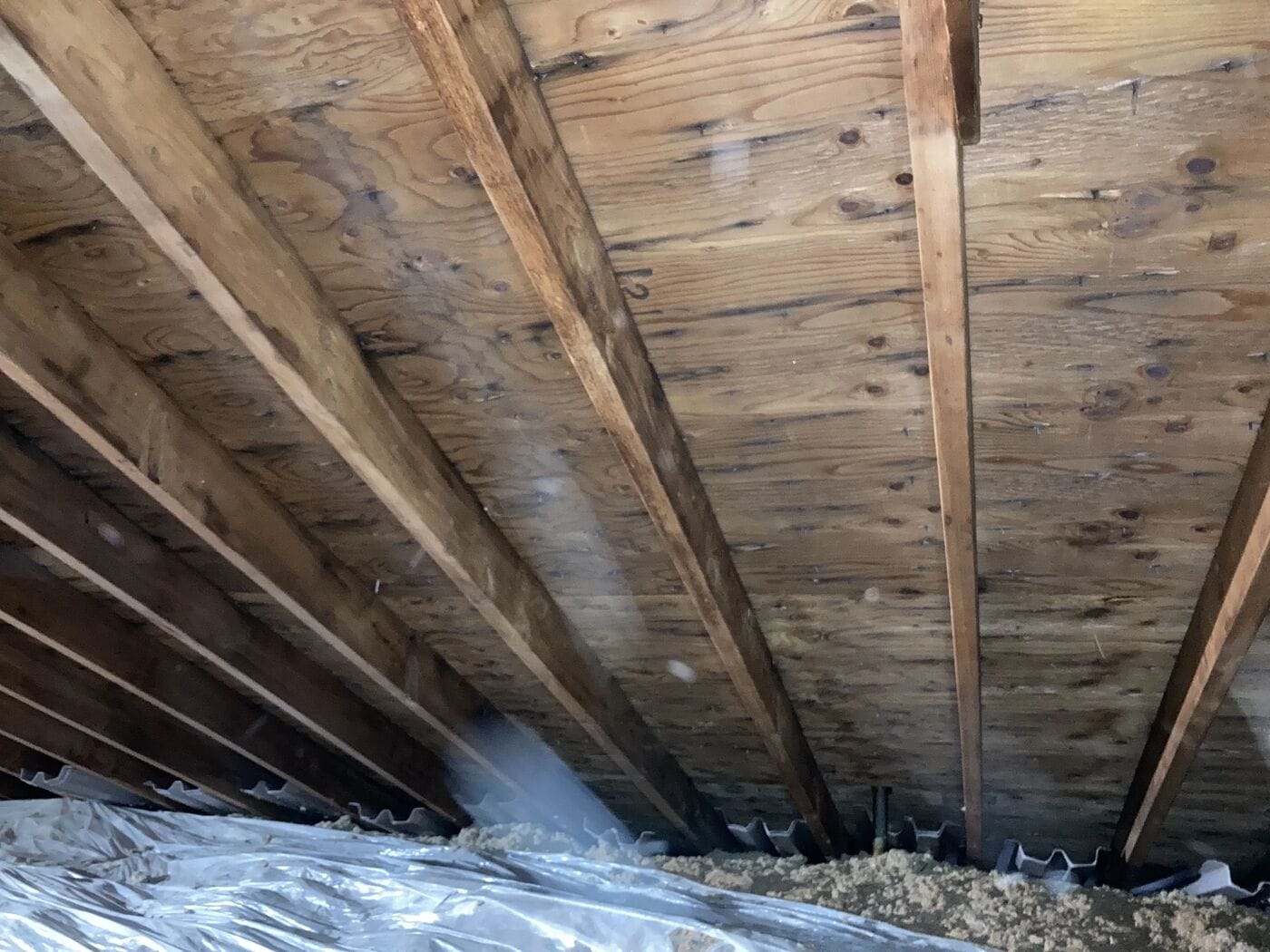
Attic Mold Inspection
Roof sheathing, rafters, bath fan venting and attic ventilation problems.
Learn more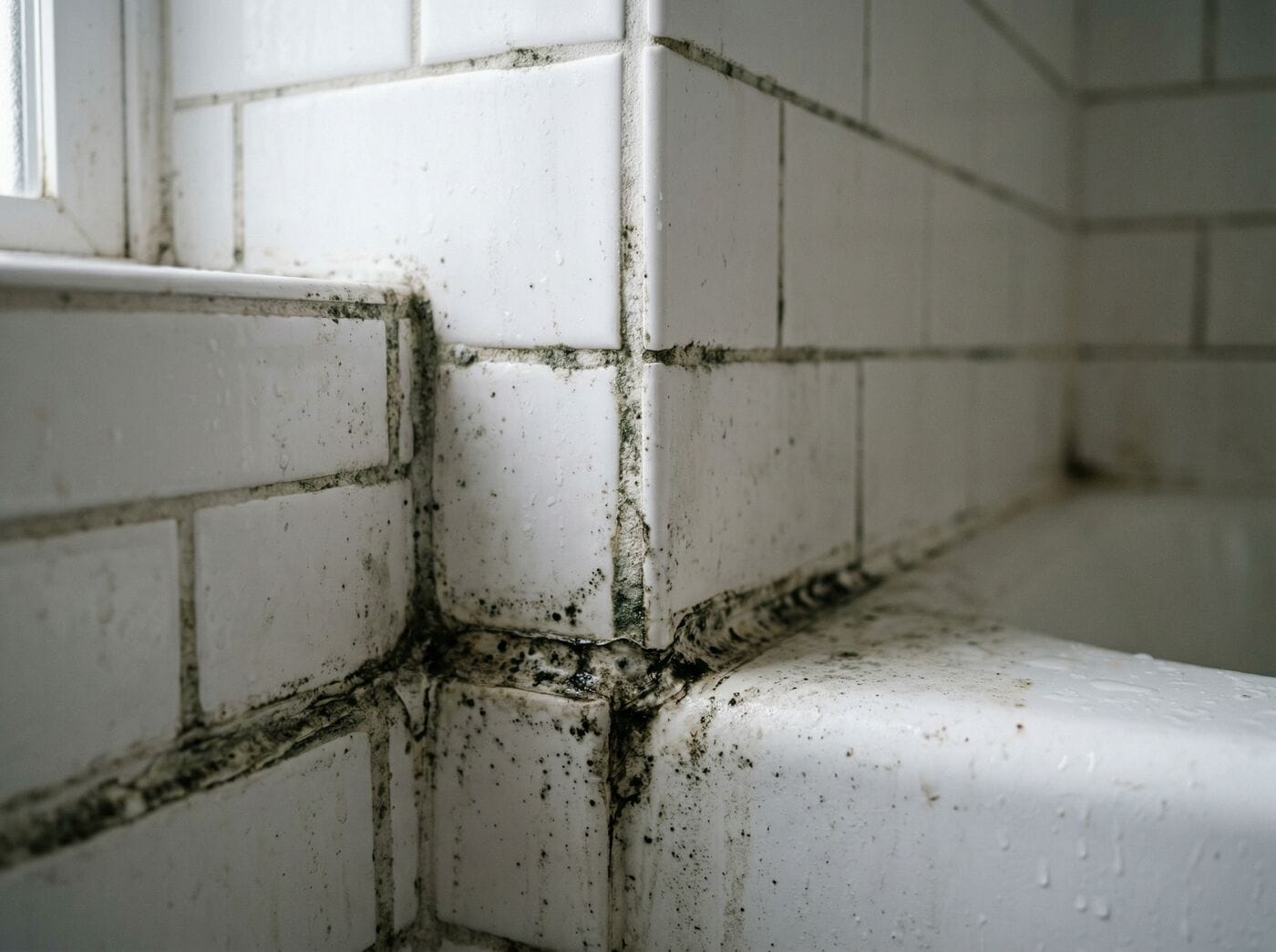
Bathroom Mold Inspection
Grout, under-sink cabinets, subfloor and exhaust fans in the dampest room in the house.
Learn more
Real Estate Mold Inspection
Pre-purchase and pre-listing testing with a report in 1-2 business days.
Learn more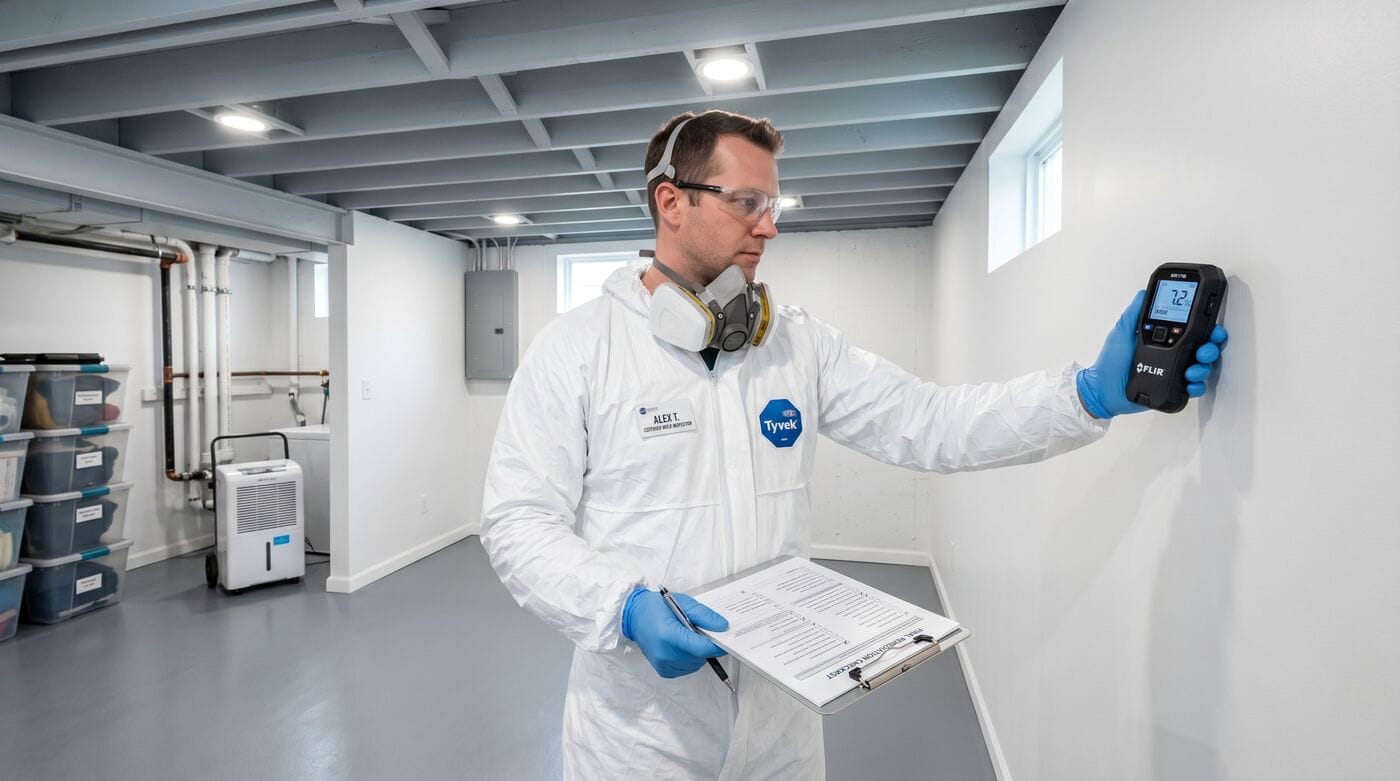
Mold Clearance Testing
Independent post-remediation verification after a remediation contractor finishes the work.
Learn more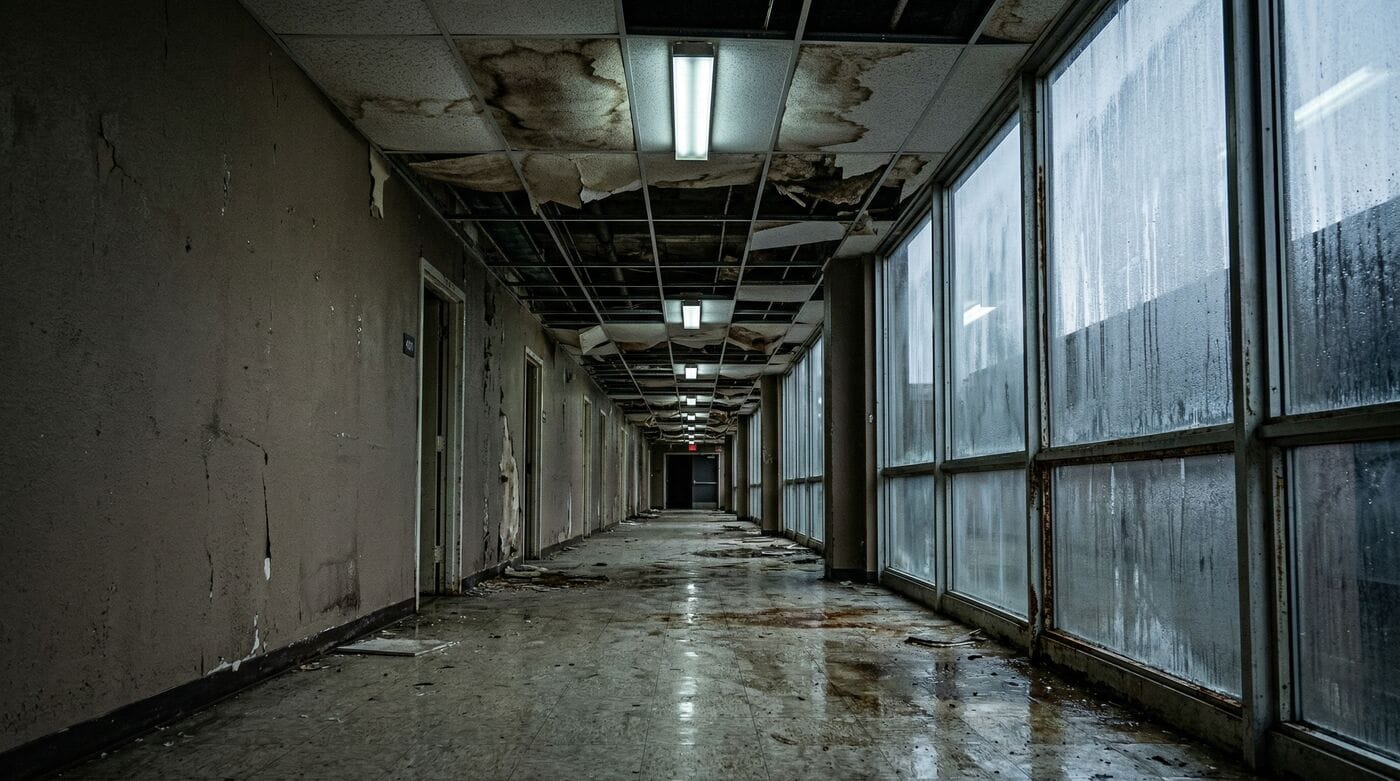
Commercial Mold Inspection
Offices, rentals, schools, restaurants and warehouses, with documentation you can file.
Learn more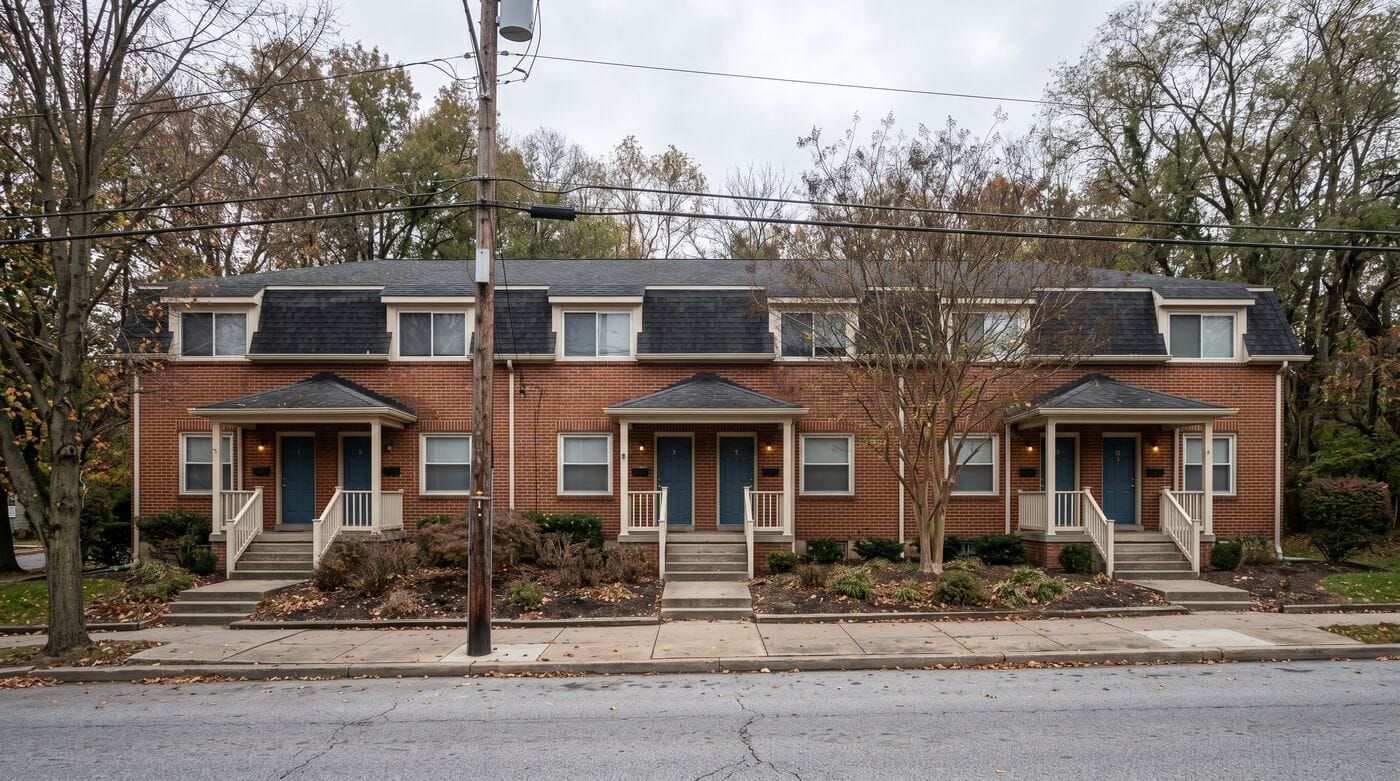
Landlord / Tenant Mold Inspection
Neutral third-party inspections and reports for rental disputes and code complaints.
Learn moreLooking for one thing in particular?
If you got here searching for something specific, these pages go straight at it.
Mold inspection cost in York, PA
The flat price — $450 residential, $785 commercial — what it includes, and why free inspections cost more.
Read thisMold inspector near me
What a real inspection covers, what to ask before you hire, and why free ones cost more.
Read thisMold testing near me
Air, surface and ERMI testing explained, with what each one can and can't tell you.
Read thisAttic mold
Why attics in this climate grow mold on the sheathing, and how the testing answers it.
Read thisWhat Wrightsville homeowners say
Rated 5.0 from 5 Google reviews.
I could not recommend this business enough for mold inspections! If you're looking for quick turnaround, great communication and honest upfront service - this is your place. Tom was respectful, professional, and explained everything in great detail.
Truly the best! I can't say enough good things about Tom. I truly feel like I had someone I could count on by my side during this very stressful situation.
We had a great experience with Tom at Mastertech throughout this whole process. They took extra time to answer all of our questions and explained everything in a way that actually made sense.
Wrightsville mold inspection questions
$450 residential with 4 lab samples, $785 commercial, extra samples $85. Wrightsville is a normal run east on Route 462, no trip charge.
Where I work
I cover York and the towns around it — basically anything within about 7 miles of 2400 Taxville Rd, York, PA 17408, plus a good bit of York County beyond that. If you're close and don't see your town, call me anyway.
Based in York, not a call center
You reach me directly, and I'm the one who shows up and does the inspection. Most weeks I can be out within a couple of days, sooner if you're up against a closing date.