
Mold inspection and testing in Weigelstown, PA
Weigelstown is the built-up end of Dover Township along Carlisle Road — around fifteen thousand people now, most of them in subdivisions that went up between the 1970s and the 2000s on ground that used to be farmland. The houses are newer than the city's by half a century, and they fail for completely different reasons: crawl spaces nobody enters, clay soil that holds water against the foundation, and grading that has quietly settled the wrong way. I find which one it is and put it in writing.
- — CMI certified, PMII, since 2010
- — $450 flat, 4 samples included
- — I go into the crawl space, every time
- — Report in 1-2 business days
Why newer Weigelstown houses still get mold
People assume a 1990s house is too new to have a mold problem. What it actually has is the same water with fewer places to go.
Weigelstown grew from a crossroads into the most densely populated part of Dover Township, and almost all of that growth happened in living memory. Drive the development streets off Carlisle Road and you're looking at houses built from the 1970s through the early 2000s: poured concrete foundations, some block, ranchers and two-stories and colonials, mostly on lots that were graded out of farm fields. There's road and intersection work going on through the corridor to this day, which tells you how much this end of the township is still changing.
The first thing that goes wrong in a house like this is the ground around it. When a subdivision is built, the excavated soil goes back into the hole around the foundation, and it takes decades to fully consolidate. As it settles, the positive slope that was supposed to carry water away from the wall flattens out and sometimes reverses. Then the landscaping happens — beds built up against the house, mulch piled over the sill, downspout extensions pulled out because they were in the way of the mower. Add the clay content in a lot of this ground, which drains slowly and holds water once it's saturated, and you have a foundation sitting in a bathtub after every heavy rain. It's the single most common cause of a damp basement in a newer development, and it's invisible until you look at where the water actually goes.
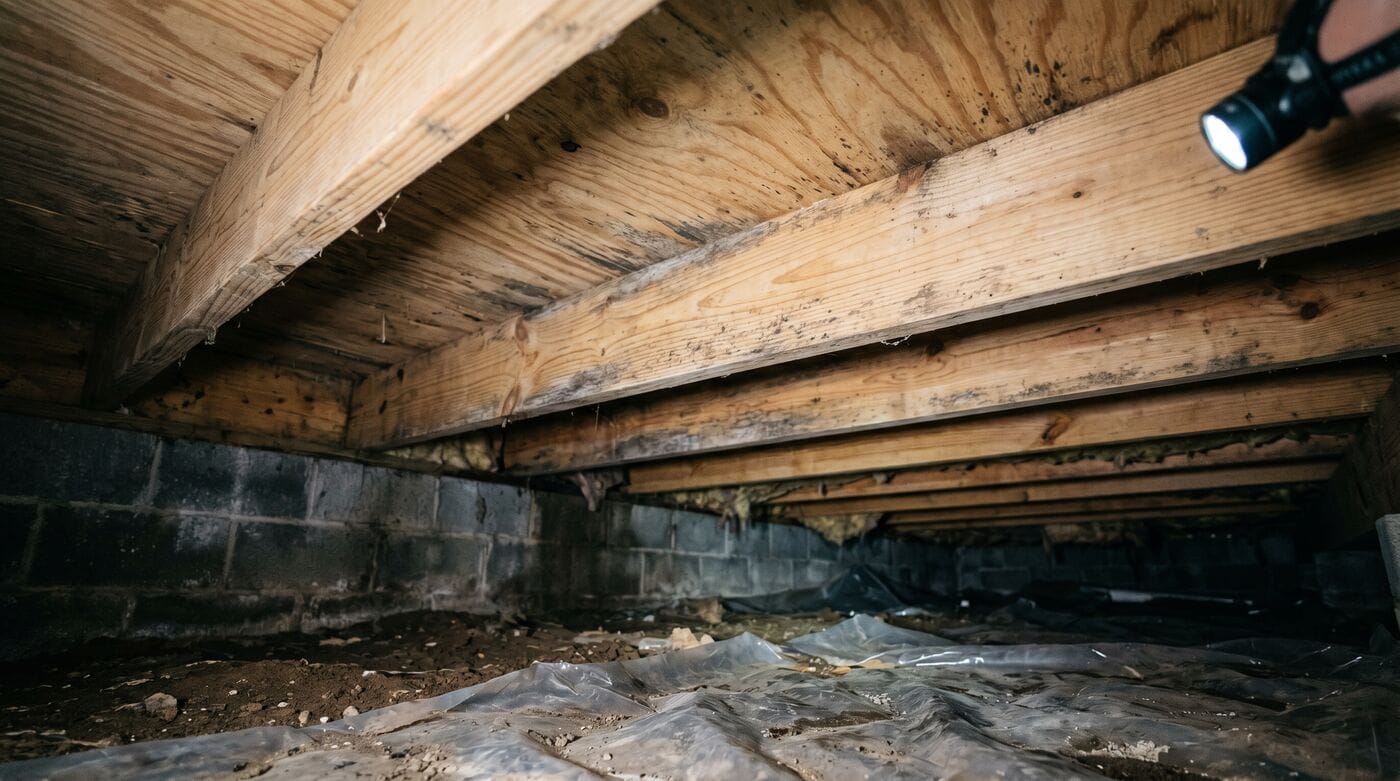
The second is the crawl space, and it's the reason I get most of my calls out here. A huge share of Weigelstown houses have a crawl space under part of the structure — typically an addition, a sunroom, a family room or a bump-out built after the original house. Those spaces are frequently unvented or badly vented, sit over bare soil with a torn or missing vapor barrier, and have fiberglass batts stapled up between the joists. Bare soil in a closed space gives off water vapor continuously. The batts absorb it, the joists and subfloor take it up, and eventually the underside of your floor grows mold. Nobody catches it early because nobody goes in there. I do go in, and that's usually where the inspection resolves.
Third, sump pumps. Most finished basements out here depend on one, and a sump is a mechanical device with a service life. People are surprised how often I find a pump that has failed, a discharge line that has frozen or been crushed, or a pit that empties three feet from the foundation and runs straight back in. A pump with no alarm and no backup is a single point of failure in front of a finished lower level.
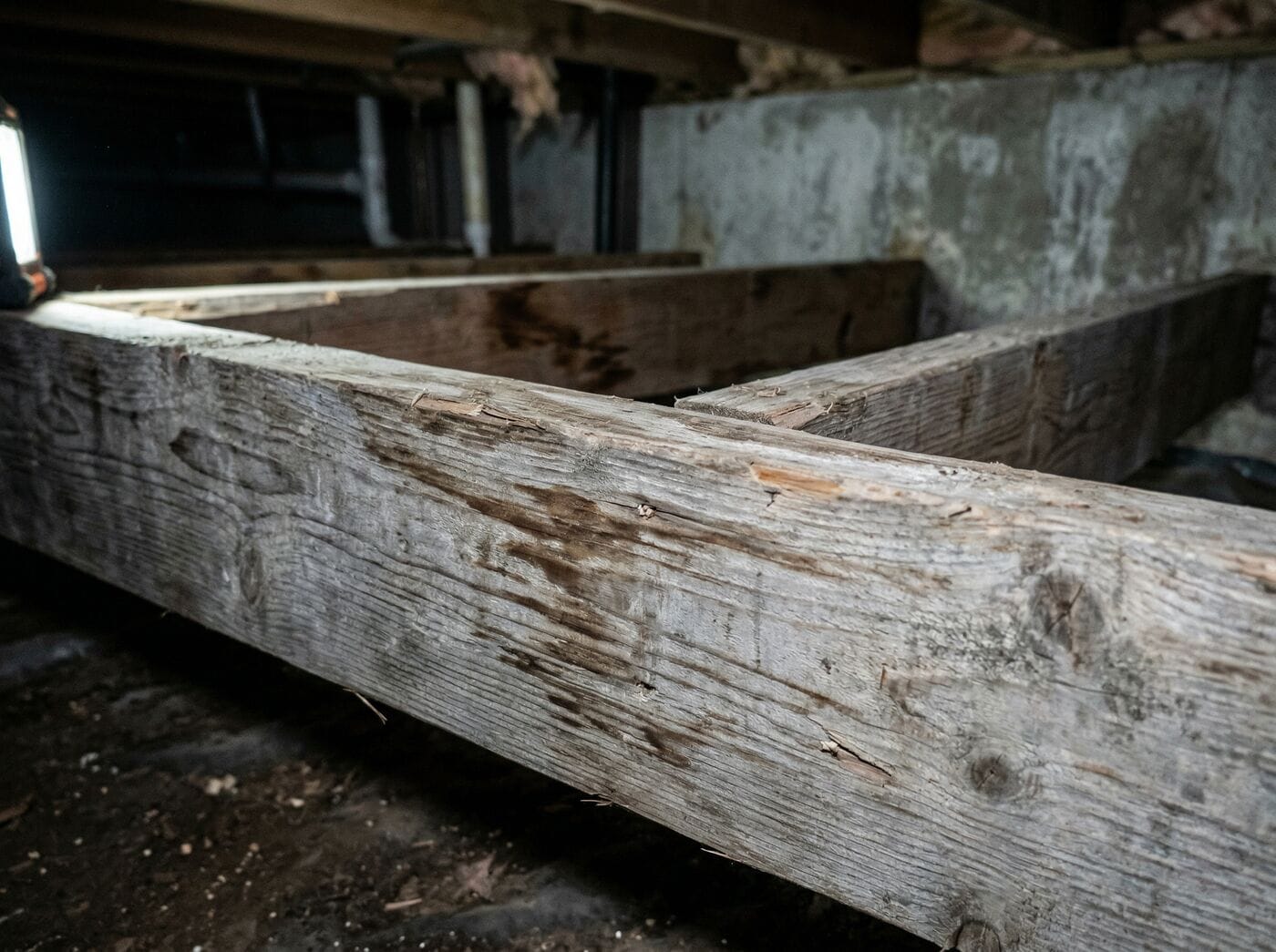
Finally, the well. Much of the area is on private water, and iron and manganese leave orange and black staining on fixtures, pressure tanks, filter housings and the floor under them that reads as mold to almost anyone. It isn't, and knowing that before you hire anybody saves real money. If there's doubt, a surface sample settles it in a couple of days.
The inspection is the same rigor I'd bring to a hundred-year-old house — moisture readings, thermal imaging, accredited lab samples — just pointed at the things that actually fail in newer construction.
What I run into most in Weigelstown
- 1970s through 2000s subdivisions along the Carlisle Road corridor in Dover Township — poured foundations, some block, and a lot of finished basements.
- Crawl spaces under additions and sunrooms — unvented, unsealed, no vapor barrier, and built to a different standard than the original house.
- Heavy clay soils and slow-draining backfill that holds water against the foundation after a storm instead of letting it go.
- Settled grading and removed downspout extensions — the two changes that turn a dry basement into a damp one twenty years after closing.
- Sump pumps, discharge lines that freeze, and pits with no alarm or battery backup.
- Private wells and septic — iron staining that mimics mold, and drain fields that keep one corner of the yard saturated.
- Bath fans ducted into attics in houses that are otherwise tightly built, which is the worst combination for roof sheathing.
- Larger lots with detached garages, pole buildings and workshops — separate structures with their own moisture problems and their own slabs.
Tell me the address, the year built and whether there's a crawl space. I'll come back with timing and pricing.
When you need mold testing in Weigelstown, PA
If any of this is your house, a $450 inspection is cheaper than encapsulating a crawl space that didn't need it.
A crawl space under part of the house
Usually under an addition, a sunroom or a family room, while the original house has a basement. It's the most common place I find real growth out here, and almost nobody has been in it.
A sump pump that runs every few minutes
A working sump is doing its job. One that cycles constantly is telling you how hard the water is pushing, and it means a single pump failure is all that stands between you and a wet finished basement.
Ground that has settled back toward the house
Thirty years of backfill consolidation drops the grade a few inches, and a slope that used to run away from the foundation now runs at it. It's the quietest cause of a wet basement in a newer subdivision.
Orange or black staining around the well equipment
Iron and manganese in well water stain fixtures, pressure tanks and filter housings in a way that reads as mold. Worth telling apart before you pay to remediate a mineral deposit.
How a Weigelstown mold inspection goes
Same process every time, whether it's a crawl space under a sunroom or a finished basement that took water in a storm.
You call or text me
You get me, not an office. Tell me the year the house was built, whether there's a crawl space, whether you're on a well, and what you're seeing. Out here those three answers narrow it down fast.
I come out and look
Sixty to ninety minutes for a typical home, more if there's a crawl space and outbuildings. And I go into the crawl space — joists, subfloor, band board, piers, vapor barrier and insulation, not a look through the hatch with a flashlight.
I sample where it answers a question
4 samples included — air, surface, or a mix. With a crawl space I'll usually take one in the crawl, one in the room above it and one outdoors as a baseline, since the question is whether crawl space air is entering the house. Extras are $85 each and I'll say so first.
The lab runs it
Independent accredited lab. No ownership stake, no cut of the findings, and no remediation contract waiting on the other side of the result.
You get the report
Written report in 1-2 business days: photos from inside the crawl space and the basement, moisture readings by area, lab data, my read on where the water comes from, and what to do in what order.
We go over it on the phone
Plain English, and detailed enough that a grading contractor, an encapsulation company or a plumber can price the work without a second visit.
I don't do remediation, and that changes everything
Crawl space encapsulation is a profitable product. Notice who usually recommends it — and whether they also sold you the test that justified it.
- No remediation work sold, ever
- No referral fees from encapsulation or waterproofing contractors
- No ownership stake in the lab that runs the samples
- I'll tell you when the fix is gutters and grading, not a system
- Samples taken because a question needs answering, not to run up a bill
- If your Weigelstown house tests clean, the report says clean
What a mold inspection costs in Weigelstown, PA
Flat pricing, nothing hidden. Extra samples beyond the 4 included are $85 each. Lab results come back in 1-2 business days.
- Visual inspection of the areas of concern
- Thermal imaging
- Moisture meter readings
- 4 air or surface samples
- Accredited independent lab analysis
- Written report with photos and readings
- Phone walkthrough of the results
Covers properties or inspected areas up to approximately 2,500 sq ft. Larger properties may need more inspection time, more areas or more sampling, so the price can go up — I'll tell you the number before I come out.
Schedule a residential inspection- Visual inspection of the areas of concern
- Thermal imaging
- Moisture meter readings
- 4 air or surface samples
- Accredited independent lab analysis
- Written report with photos and readings
- Phone walkthrough of the results
Covers the extra reporting and square footage that comes with commercial buildings. Additional samples $85 each.
Schedule a commercial inspectionSee the report before you hire me
The inspection is only worth as much as the paperwork you're left holding. Mine lays out what I looked at, what I found, what the lab said, and what should happen next — in language you can hand to a contractor, a landlord, or a realtor.
- Inspection summary
- Lab sample results
- Moisture readings
- Area-by-area notes
- Photos of findings
- Recommendations
- Limitations
- Next steps
Mold inspection services in Weigelstown and Dover Township
Crawl spaces, basements, attics, pre-purchase testing and commercial work, all at the same flat pricing with no trip charge.
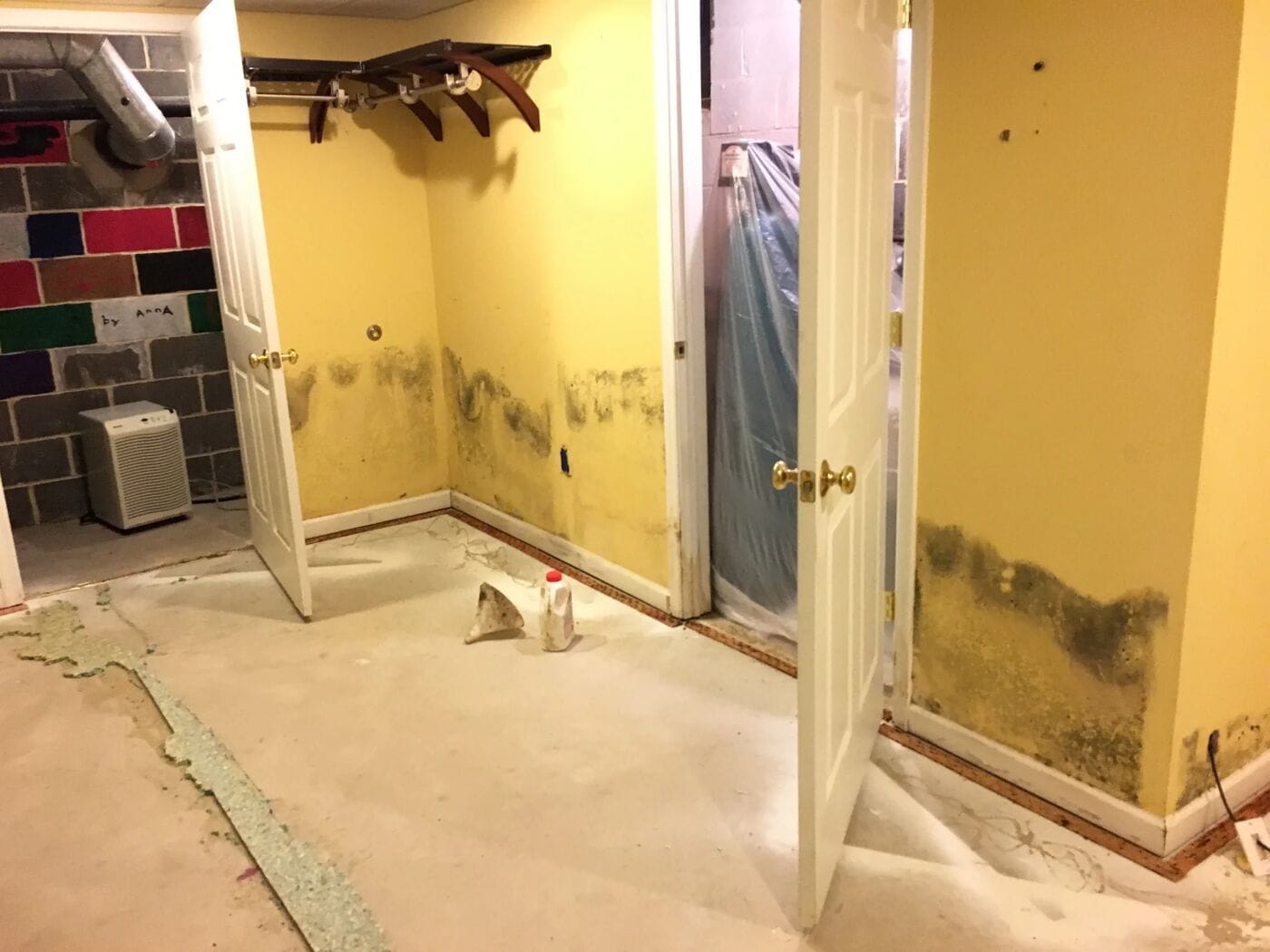
Basement Mold Inspection
Moisture readings, thermal imaging and air samples in finished and unfinished basements.
Learn moreCrawl Space Mold Inspection
Joists, subfloor, vapor barrier and foundation walls in the space nobody looks at.
Learn more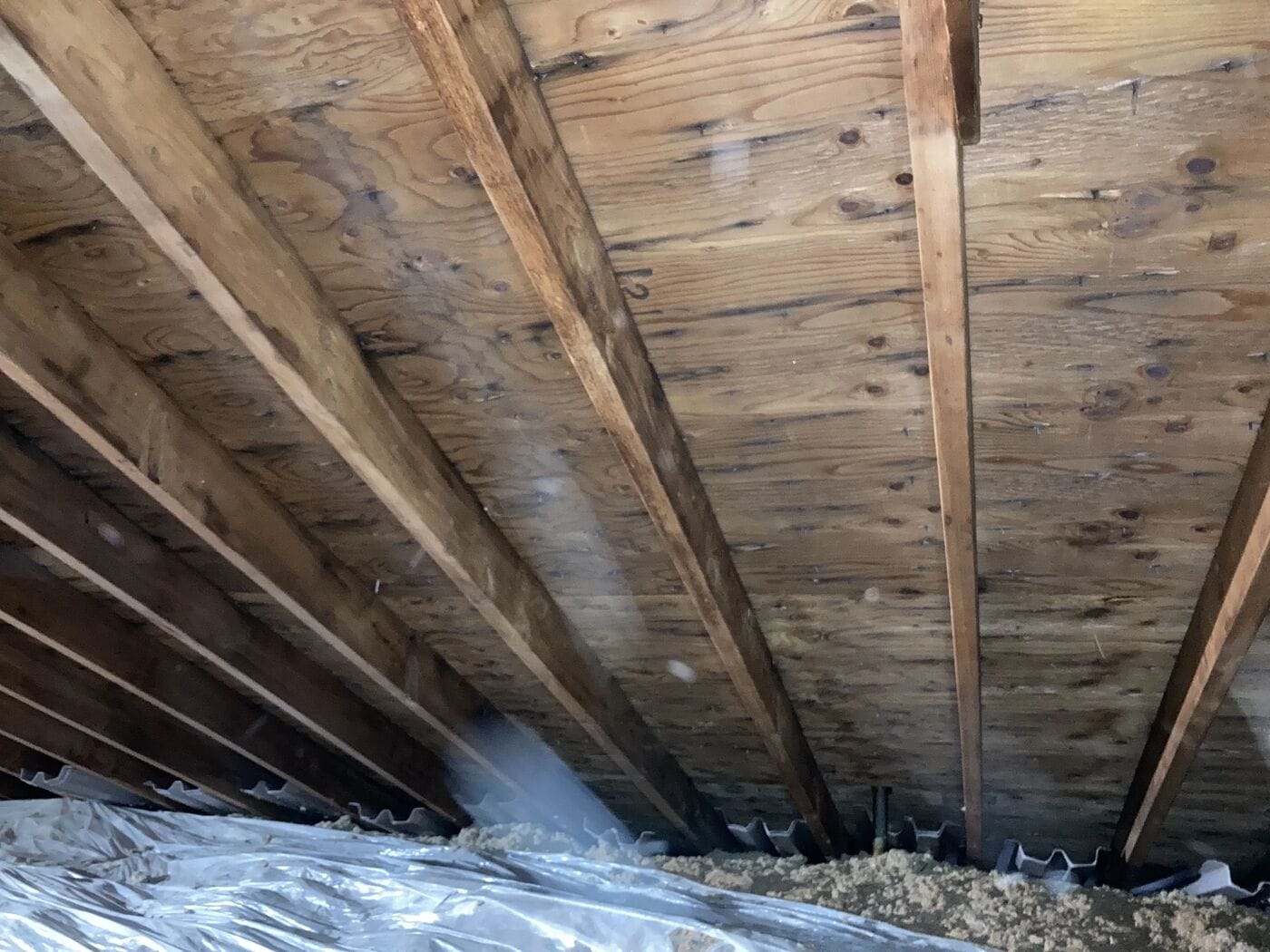
Attic Mold Inspection
Roof sheathing, rafters, bath fan venting and attic ventilation problems.
Learn more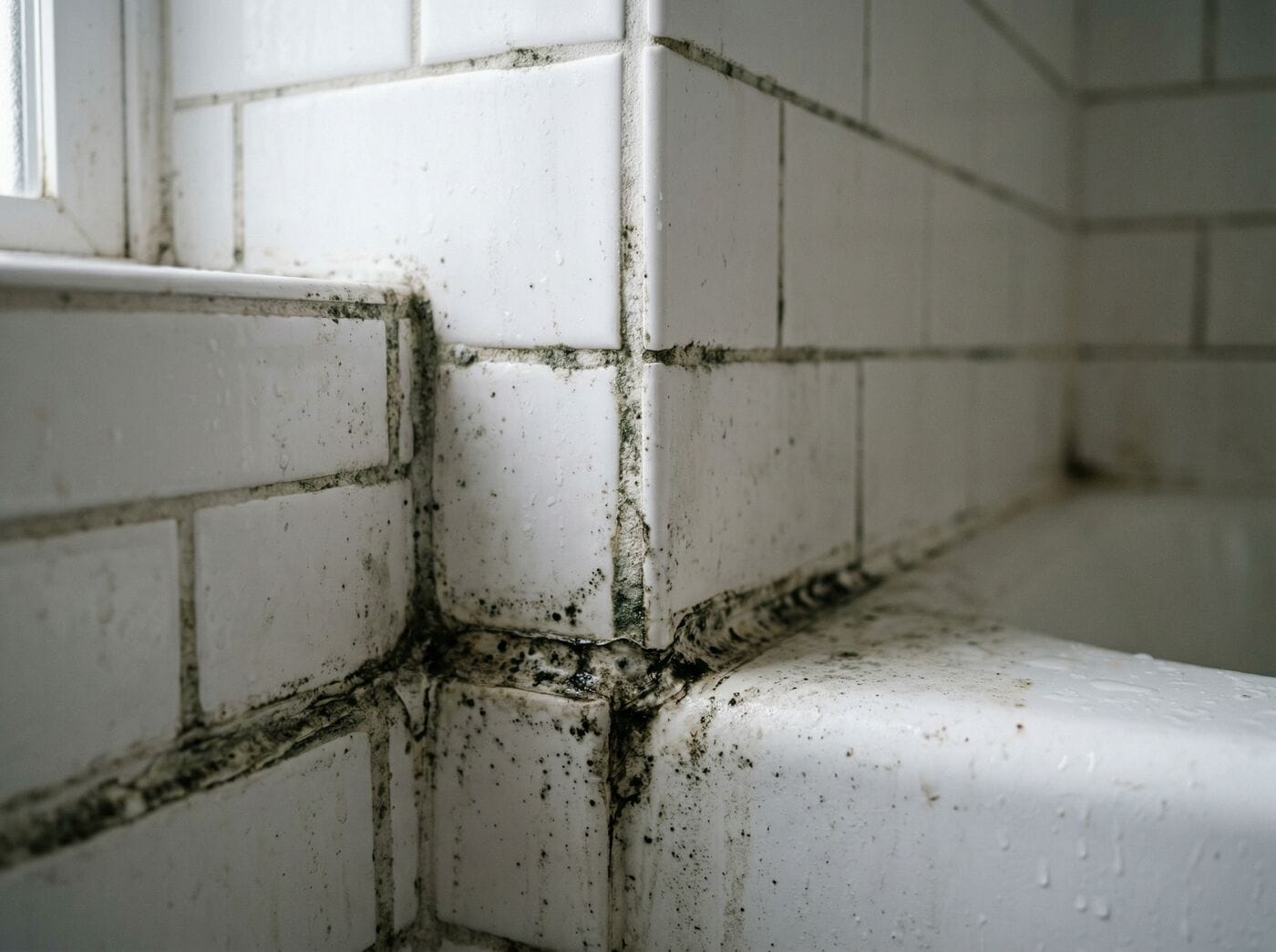
Bathroom Mold Inspection
Grout, under-sink cabinets, subfloor and exhaust fans in the dampest room in the house.
Learn more
Real Estate Mold Inspection
Pre-purchase and pre-listing testing with a report in 1-2 business days.
Learn more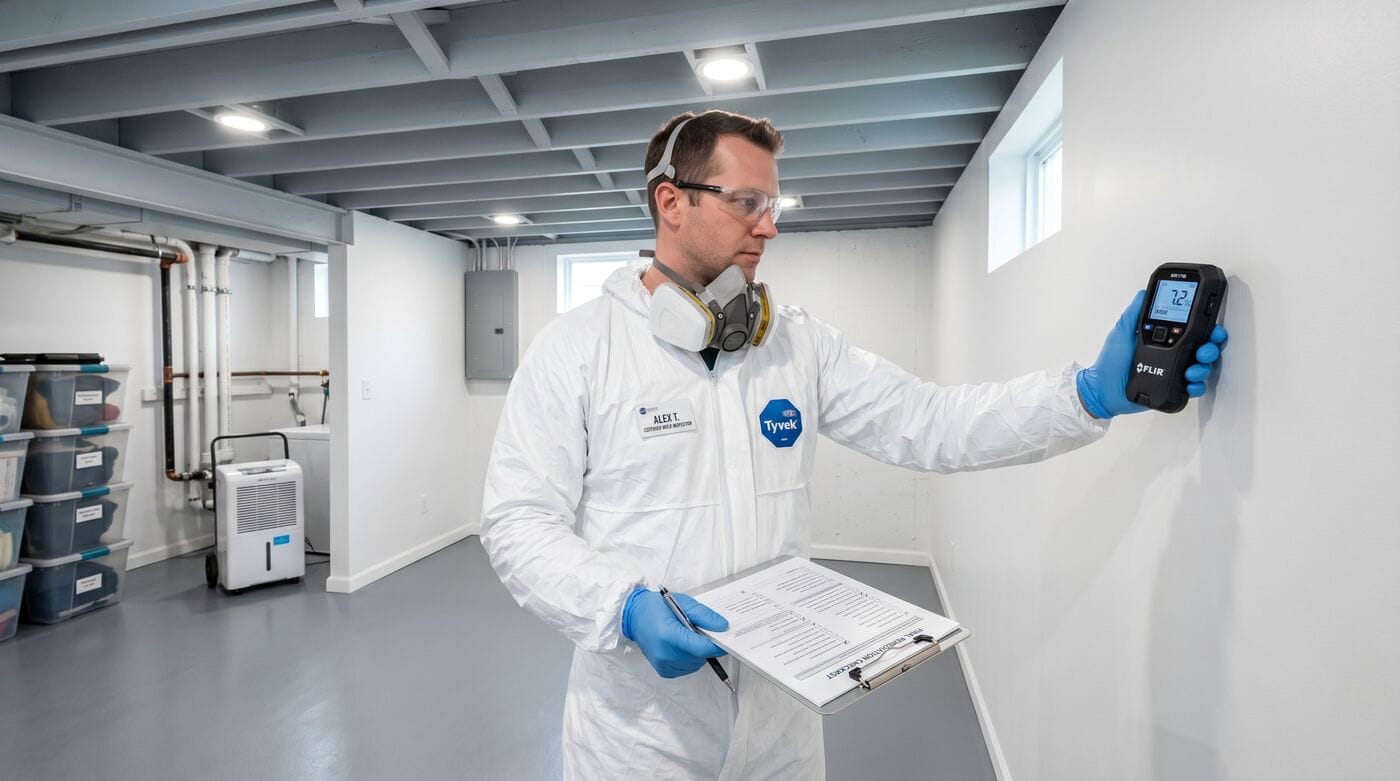
Mold Clearance Testing
Independent post-remediation verification after a remediation contractor finishes the work.
Learn more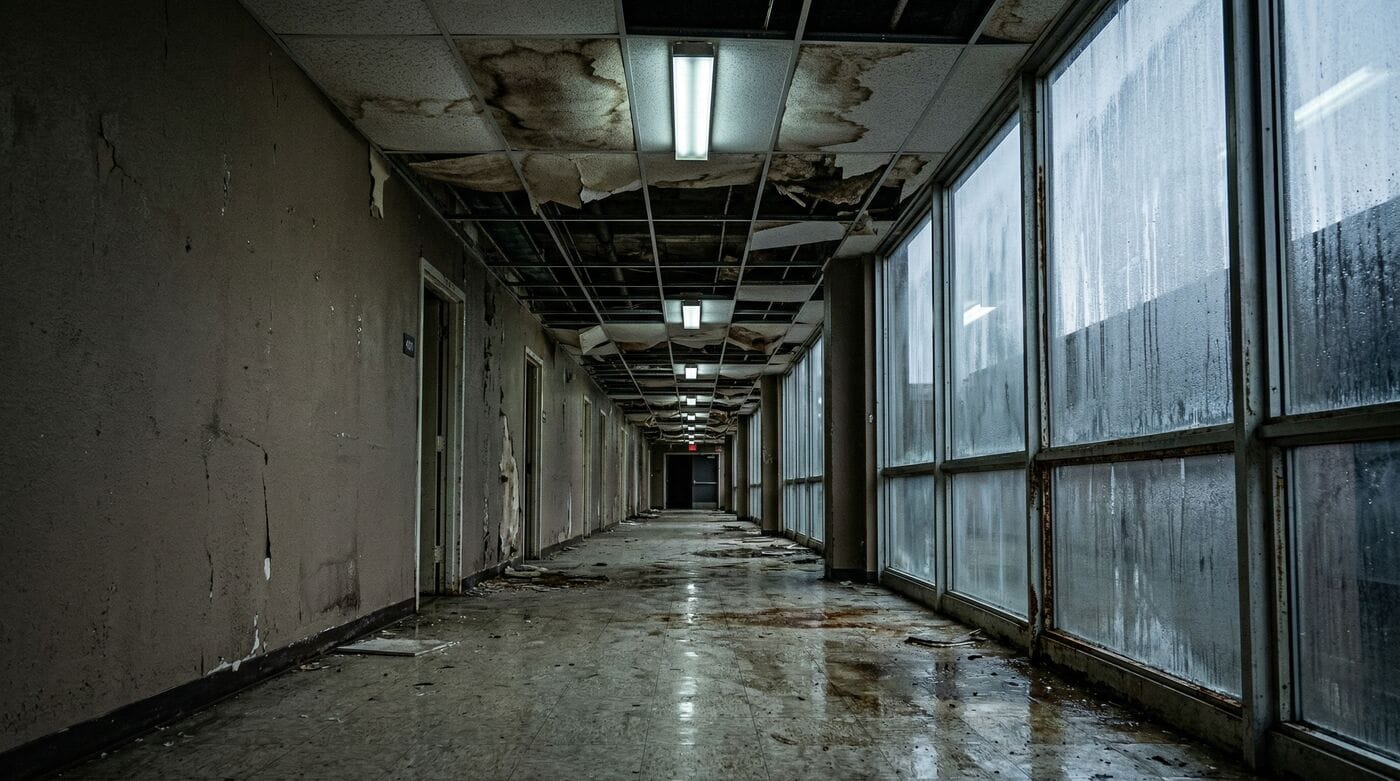
Commercial Mold Inspection
Offices, rentals, schools, restaurants and warehouses, with documentation you can file.
Learn more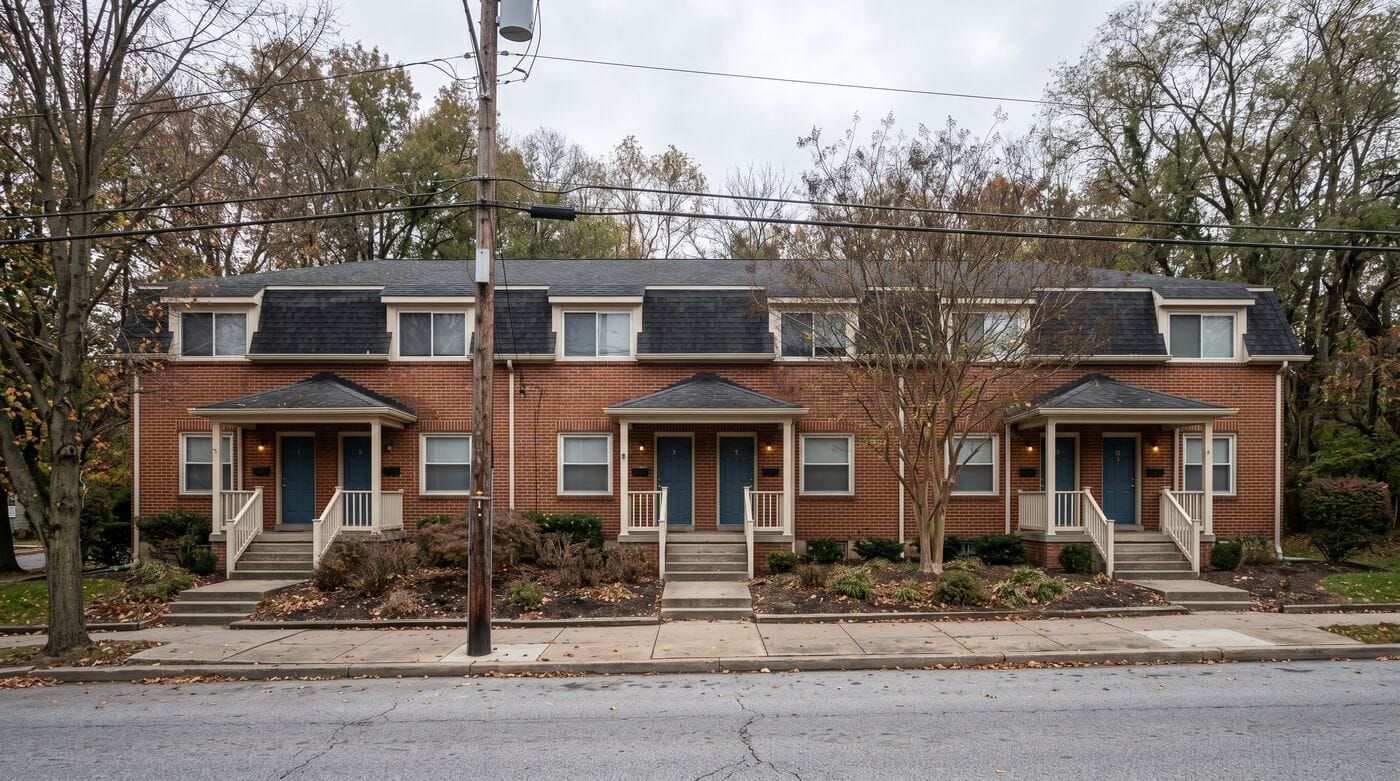
Landlord / Tenant Mold Inspection
Neutral third-party inspections and reports for rental disputes and code complaints.
Learn moreLooking for one thing in particular?
If you got here searching for something specific, these pages go straight at it.
Mold inspection cost in York, PA
The flat price — $450 residential, $785 commercial — what it includes, and why free inspections cost more.
Read thisMold inspector near me
What a real inspection covers, what to ask before you hire, and why free ones cost more.
Read thisMold testing near me
Air, surface and ERMI testing explained, with what each one can and can't tell you.
Read thisAttic mold
Why attics in this climate grow mold on the sheathing, and how the testing answers it.
Read thisArticles about crawl spaces, drainage and newer homes
What goes wrong in subdivision housing, written up from the inspections themselves.
Crawl Space Moisture Problems Explained
Crawl spaces are one of the most moisture-prone areas in any home - and one of the most commonly ignored. Here's what causes crawl space moisture, why it matters, and what actually fixes it.
Read the articleCrawlspace Mold Testing & Inspection in York, PA
Musty air upstairs usually starts under the floor. What crawlspace mold inspection and testing in York, PA actually involves.
Read the articleWhy Basements, Crawlspaces, and Attics Matter Most for Mold
The three areas of your home you visit least are the three places mold is most likely to grow. Understanding why these spaces are high-risk - and how mold there affects the rest of your home - is essential for every York County homeowner.
Read the articleWhat Weigelstown and Dover Township homeowners say
Rated 5.0 from 5 Google reviews.
I could not recommend this business enough for mold inspections! If you're looking for quick turnaround, great communication and honest upfront service - this is your place. Tom was respectful, professional, and explained everything in great detail.
Truly the best! I can't say enough good things about Tom. I truly feel like I had someone I could count on by my side during this very stressful situation.
We had a great experience with Tom at Mastertech throughout this whole process. They took extra time to answer all of our questions and explained everything in a way that actually made sense.
Weigelstown mold inspection questions
$450 residential and $785 commercial, each with 4 lab samples. Extra samples are $85. Weigelstown is inside Dover Township and squarely in my normal service area, so there's no trip charge out the Carlisle Road corridor.
Where I work
I cover York and the towns around it — basically anything within about 7 miles of 2400 Taxville Rd, York, PA 17408, plus a good bit of York County beyond that. If you're close and don't see your town, call me anyway.
Based in York, not a call center
You reach me directly, and I'm the one who shows up and does the inspection. Most weeks I can be out within a couple of days, sooner if you're up against a closing date.