
Mold inspection and testing in Spring Garden Township, PA
Spring Garden Township has been its own municipality since 1822, and it shows in the housing: roughly fourteen thousand people living in everything from attached twins on the city line to large stone-foundation homes on old established streets. There's no single housing type here, so there's no single mold problem. What ties it together is age — most of this township's housing is old enough that its basements and attics were built before anyone designed around moisture.
- — CMI certified, PMII, since 2010
- — From $450 with 4 samples included
- — Twins to large older homes, same process
- — Report in 1-2 business days

Why Spring Garden Township houses hold moisture
Old basements that breathe soil, old attics that can't breathe at all, and a hundred years of alterations in between. The inspection has to cover all three.
Spring Garden Township wraps around the south and east of the city and has been a separate municipality since it split off from Hellam Township in 1822 — long enough that the housing stock spans nearly the whole history of American residential construction. On one street you'll find attached twins built at the same time as the city blocks they adjoin. A mile away you'll find substantial early-twentieth-century houses on large lots in neighborhoods like Hillcroft and the streets running out toward Grantley. Newer infill has filled in around all of it. The township is still actively planning for what comes next, including comprehensive planning work undertaken jointly with York Township.
For a mold inspection, the variety means the job has to adapt, but two features recur across almost all of the older stock. The first is the basement. Foundations here are commonly stone or early block, parged rather than waterproofed, and a surprising number still have a section of dirt floor — often the oldest part, or under an original porch or addition, or a crawl-height area behind a partition wall. Bare soil in an enclosed space is a permanent moisture source. It releases water vapor continuously, with no leak and no event to point at, and the first thing to grow mold is the wood directly above it: the joists, the band board and the underside of the subfloor. When I inspect a house like this, that section gets readings before anything else, because it explains most of what people notice upstairs.
The second is the attic. A house built before the middle of the last century was designed with a leaky building envelope and very little deliberate attic ventilation, and it worked well enough because the whole house leaked air. Then somebody added insulation over the attic floor, replaced windows, sealed up the envelope, and installed a bathroom exhaust fan — and the attic became a cold, still space collecting the moisture the house produces. In deep winter I find frost on the underside of the sheathing and wet nail heads; by late February that has melted into the insulation and the framing. Do that for twenty winters and the sheathing carries dark staining along every nail line.
On the larger homes, retrofits add a third category. Central air conditioning in a house designed around steam or hot water heat means an air handler and ducts installed wherever they'd fit — usually the attic. Cold ducts in a humid attic condense on their own surfaces, and a torn vapor jacket or a silted-up condensate line puts that water onto the top of the ceiling below. I check pans, plenums, duct exteriors and drain lines as a matter of course on these houses because that's where the problem often is.
Along the township's northern edge, where the housing is attached and the lots are narrow, the pattern shifts toward what I see in the city: shared masonry, party walls that transmit a neighbor's water problem, and downspouts discharging a few feet from a foundation. Same tools, different question — there the job is usually determining which direction the water is traveling through the wall.
In all of it, the point of the inspection is to separate the moisture these houses have always carried from moisture something broke and let in. One is a maintenance item. The other is a repair with a deadline. Readings, thermal imaging and accredited lab data are how you tell them apart, and the report says which you have.
What I run into most in Spring Garden Township
- A township that's been its own municipality since 1822, with housing spanning nearly two centuries as a result.
- Large older homes with stone foundations, original parging and sections of dirt or patched floor in the basement.
- Established neighborhoods like Hillcroft and the streets around Grantley Road — substantial early-twentieth-century construction with a century of alterations layered in.
- Attached twins and smaller singles along the city boundary, on narrow lots with shared masonry.
- Original attic framing with minimal ventilation, and insulation added on top of it decades later.
- Steam and hot-water heating systems with air conditioning retrofitted in afterward, usually with ducts in the attic.
- Mature tree canopy and raised garden beds against foundations, keeping the lower courses of masonry permanently damp.
- Ongoing planning and development activity across the township, including a joint comprehensive planning effort with York Township.
Tell me the address, the approximate square footage and what you're seeing. I'll come back with timing and an exact price.
When it's worth getting mold testing in Spring Garden Township
If any of this sounds like your house, an inspection from $450 is cheaper than opening a wall or an attic to find out.
A basement with a dirt or partially poured floor
Bare soil in an enclosed space releases water vapor continuously. The joists and subfloor directly above that section are where growth shows up first, long before anything is visible elsewhere.
Frost or wet nail heads in the attic in winter
Original framing, minimal venting and insulation added later is the recipe. What freezes on the sheathing in January soaks into it during the first thaw in February.
Old staining nobody can date
Two owners ago there was a leak, somebody painted, and now nobody knows whether it's active. A meter answers that in ten seconds, which is the difference between a repair and a repaint.
A twin or duplex on the city line
Along the township's northern edge the housing is attached and the lots are tight. Shared masonry means the water can start on a neighbor's side and arrive through the wall.
How a Spring Garden Township mold inspection goes
Same process and the same flat pricing whether it's a twin on the city line or a large older home on an established street.
You call or text me
You get me, not a call center. Tell me roughly when the house was built, the square footage, whether the basement is finished and what you're seeing. The township covers a wide range of housing and the answer to those questions sets the price and the plan.
I come out and look
Ninety minutes for a typical home and longer on a large older one. Basement and any crawl space section, the attic and third floor if there is one, the baths, the mechanicals and any area you point me at. Moisture readings on plaster, wood, stone and block, plus thermal imaging.
I sample where it answers a question
4 samples included — air, surface, or a mix. In a tall older house I sample the basement, the living level and the attic or top floor with an outdoor baseline, because these houses move air vertically all day. Extras are $85 each and I tell you before I take one.
The lab runs it
An independent accredited lab runs every sample, and its own data pages go into your report. I don't own the lab, take no cut of the findings, and have no cleanup to sell.
You get the report
Written report in 1-2 business days: photographs, moisture readings by area, lab results explained in plain terms, my read on the source, and next steps in priority order.
We go over it on the phone
Clear enough to hand to a buyer, a seller's agent, an insurer or a contractor, and specific enough that the contractor can price the work from it.
I don't do remediation, and that changes everything
In an old house there is always something to find. The question is whether the person finding it profits from how alarming it sounds.
- No remediation work sold, ever
- No referral fees from remediation or waterproofing contractors
- No ownership stake in the lab that runs the samples
- I'll tell you when a damp old basement is just a damp old basement
- Samples taken because a question needs answering, not to run up a bill
- If your house tests clean, the report says clean
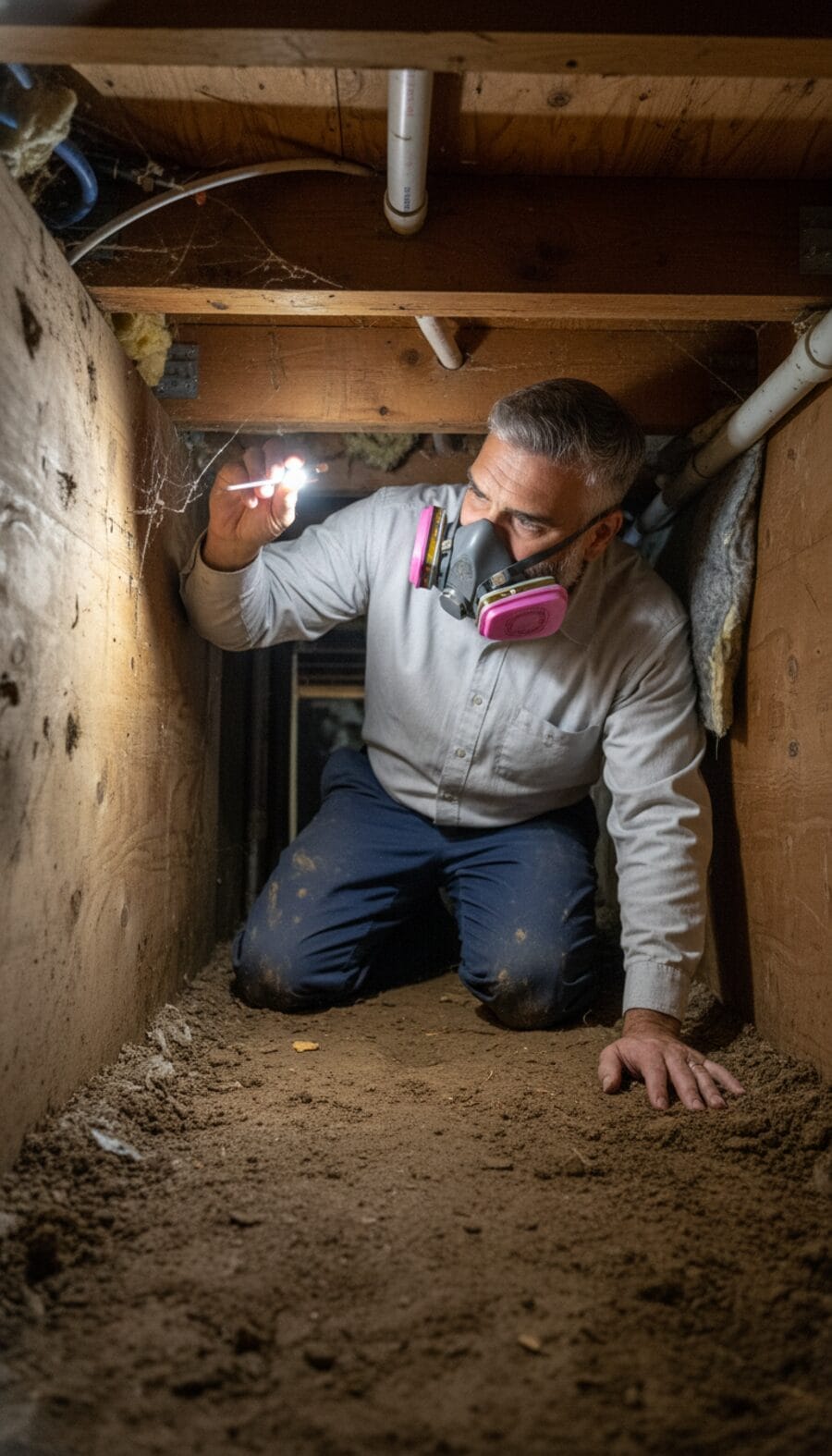
What a mold inspection costs in Spring Garden Township, PA
Flat pricing, nothing hidden. Extra samples beyond the 4 included are $85 each. Lab results come back in 1-2 business days.
- Visual inspection of the areas of concern
- Thermal imaging
- Moisture meter readings
- 4 air or surface samples
- Accredited independent lab analysis
- Written report with photos and readings
- Phone walkthrough of the results
Covers properties or inspected areas up to approximately 2,500 sq ft. Larger properties may need more inspection time, more areas or more sampling, so the price can go up — I'll tell you the number before I come out.
Schedule a residential inspection- Visual inspection of the areas of concern
- Thermal imaging
- Moisture meter readings
- 4 air or surface samples
- Accredited independent lab analysis
- Written report with photos and readings
- Phone walkthrough of the results
Covers the extra reporting and square footage that comes with commercial buildings. Additional samples $85 each.
Schedule a commercial inspectionSee the report before you hire me
The inspection is only worth as much as the paperwork you're left holding. Mine lays out what I looked at, what I found, what the lab said, and what should happen next — in language you can hand to a contractor, a landlord, or a realtor.
- Inspection summary
- Lab sample results
- Moisture readings
- Area-by-area notes
- Photos of findings
- Recommendations
- Limitations
- Next steps
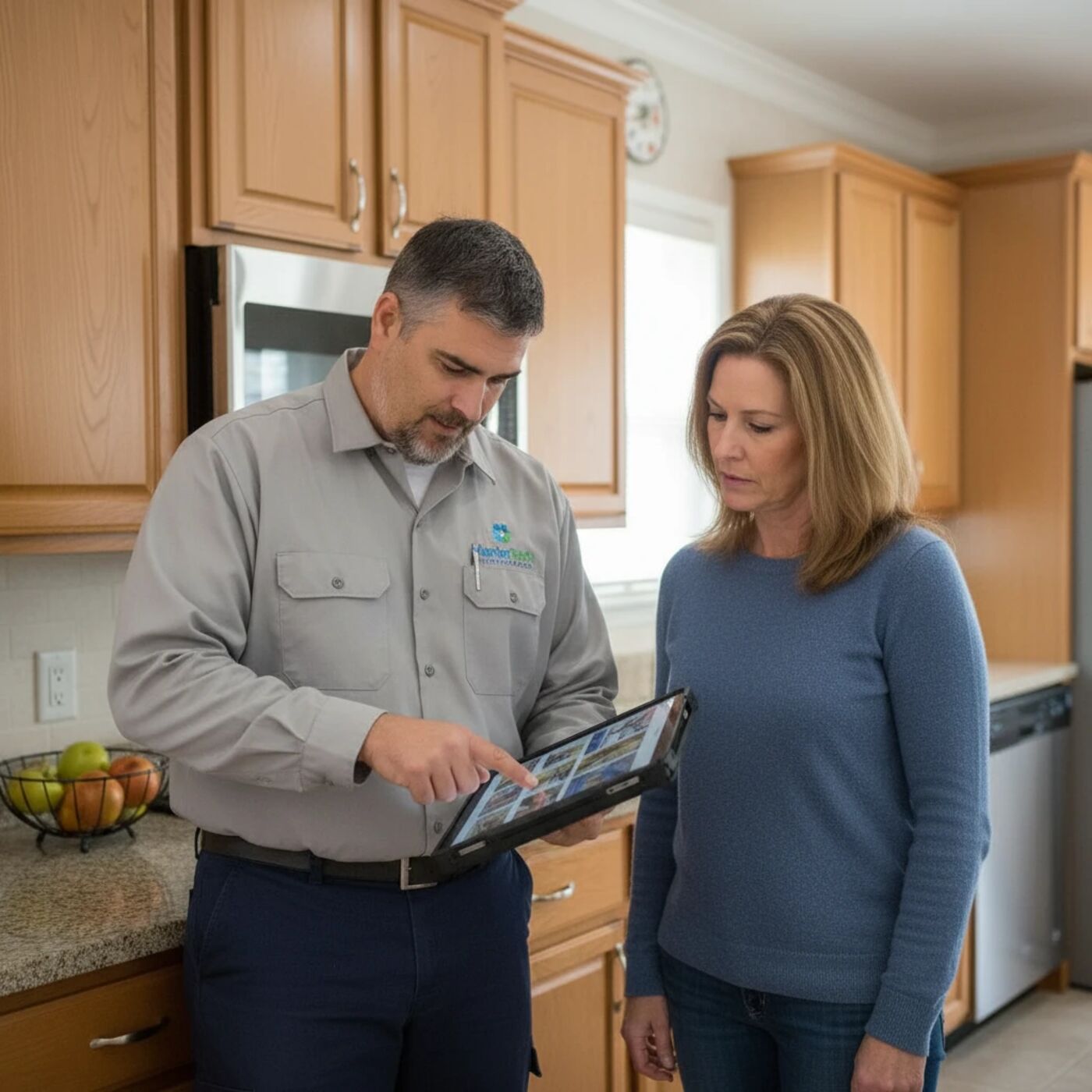
Mold inspection services in Spring Garden Township, PA
Basements, attics, crawl spaces, rentals, pre-purchase and pre-listing testing, all at flat pricing with no trip charge.
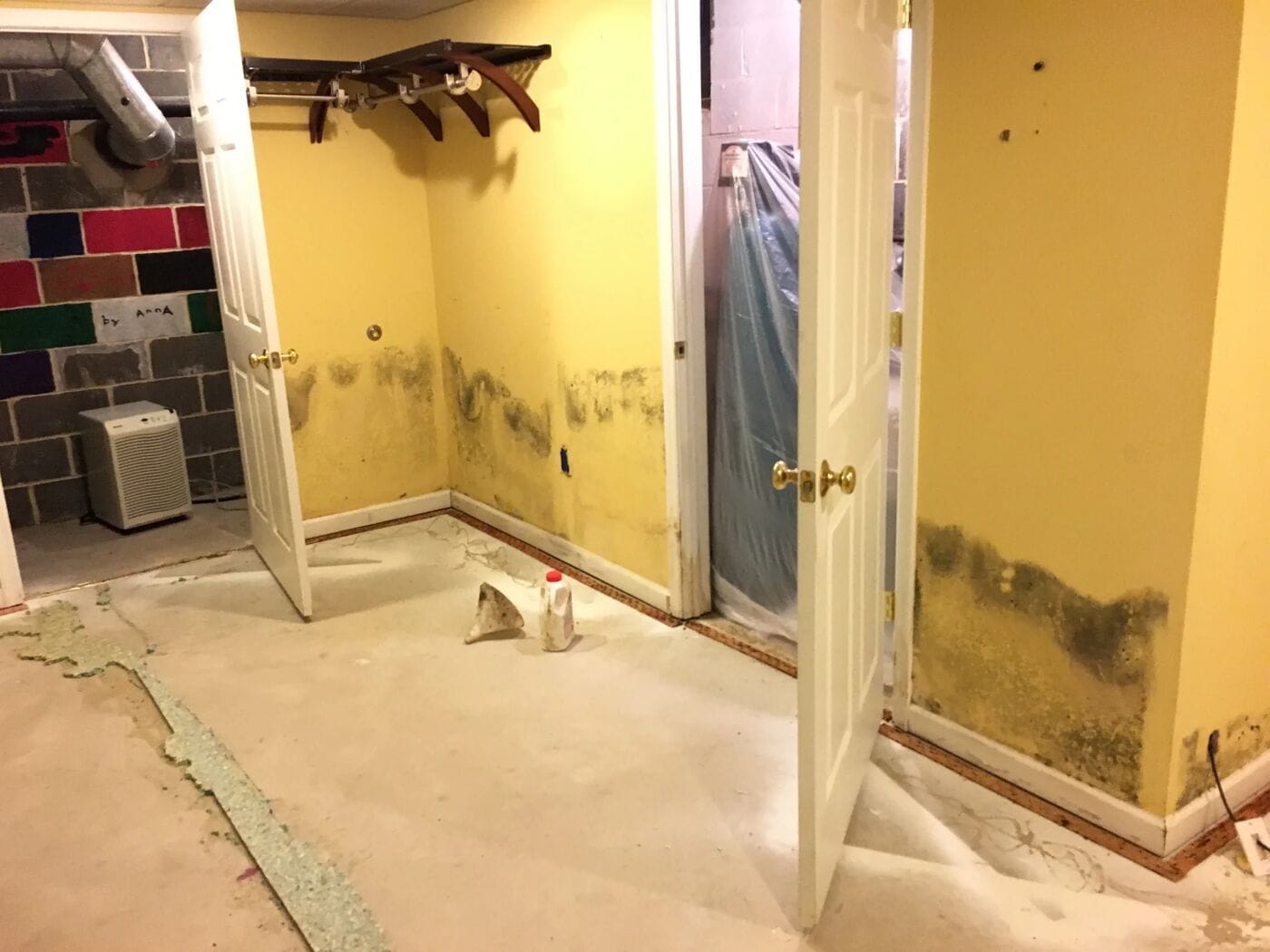
Basement Mold Inspection
Moisture readings, thermal imaging and air samples in finished and unfinished basements.
Learn more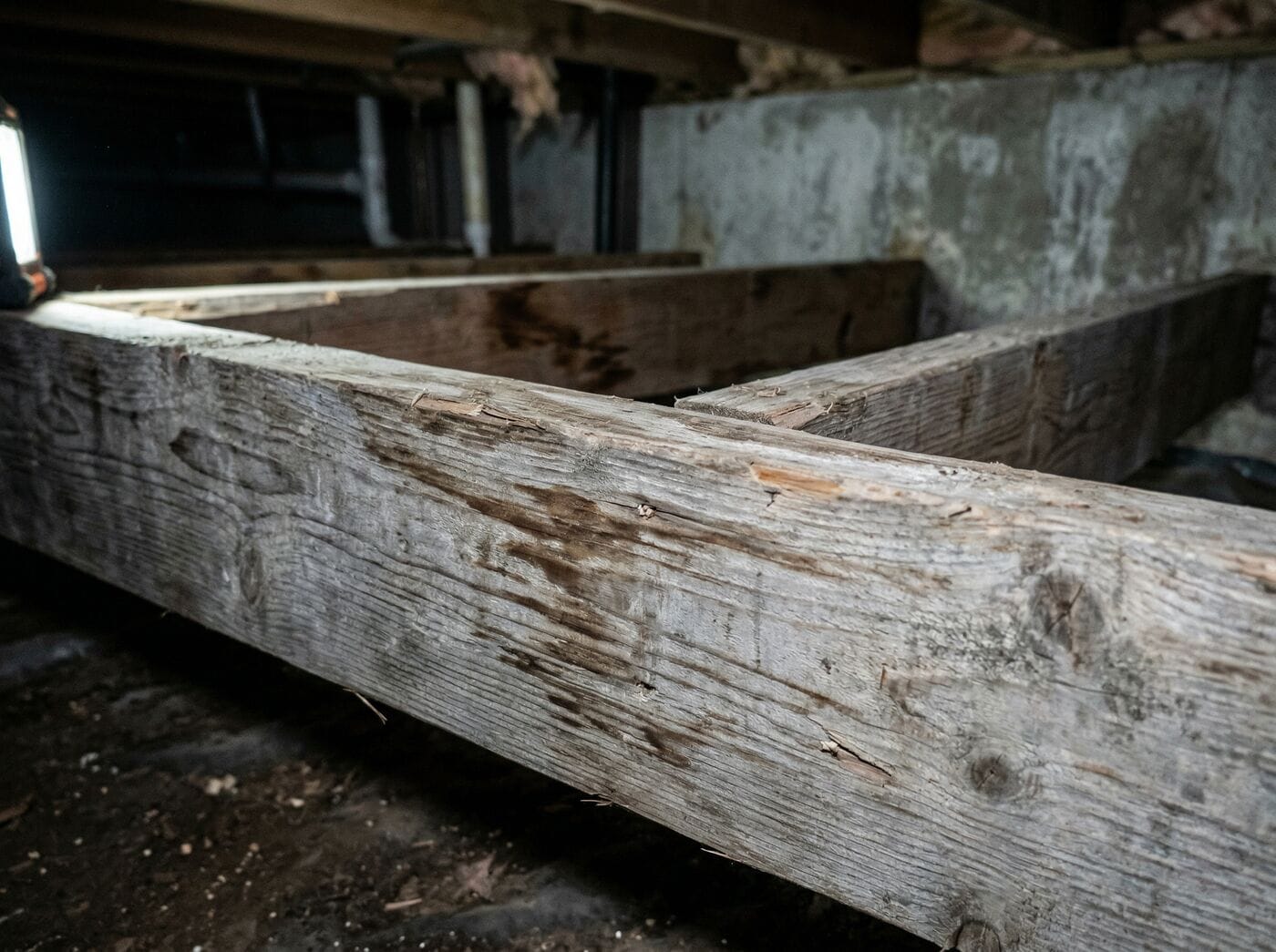
Crawl Space Mold Inspection
Joists, subfloor, vapor barrier and foundation walls in the space nobody looks at.
Learn more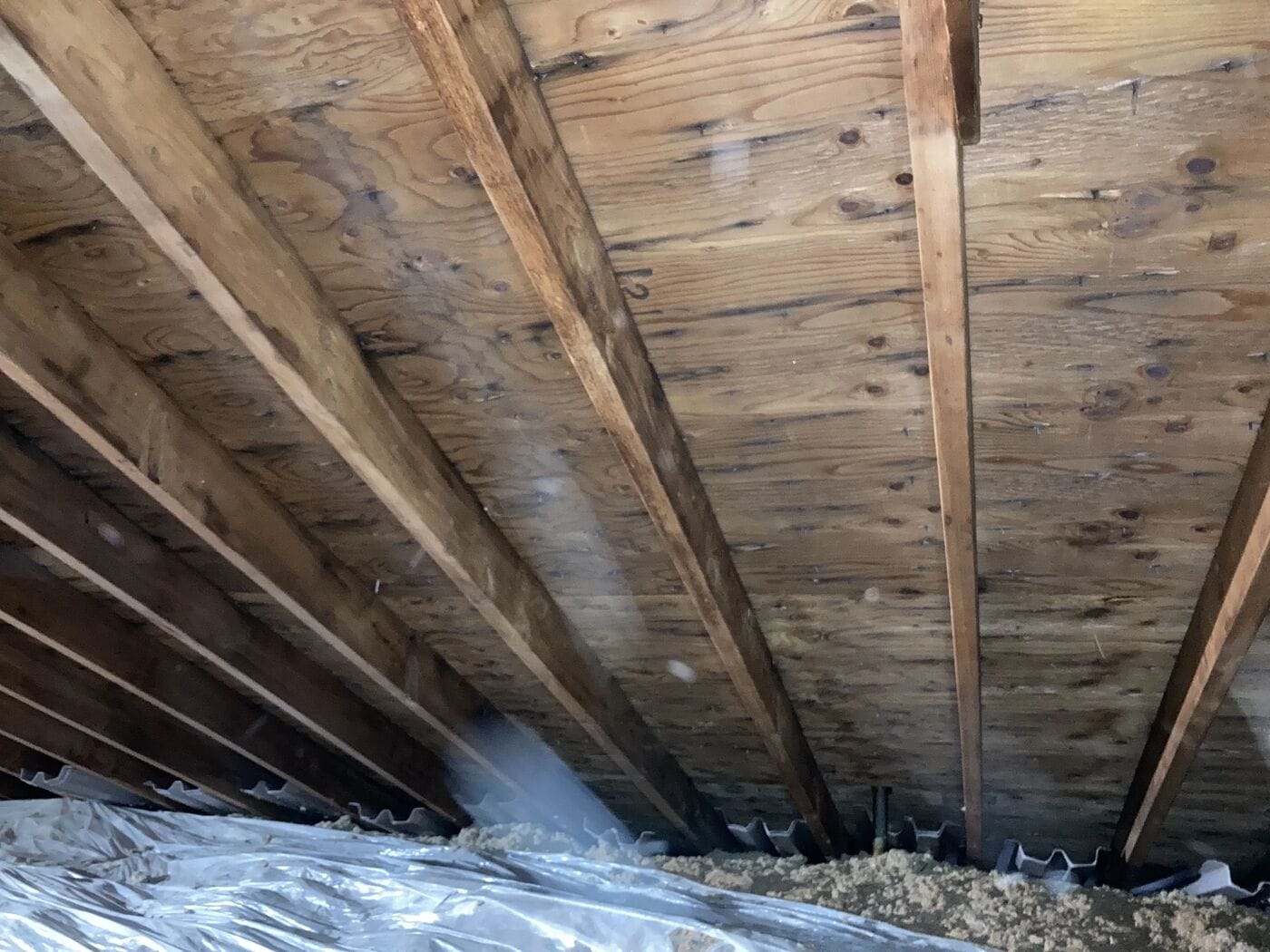
Attic Mold Inspection
Roof sheathing, rafters, bath fan venting and attic ventilation problems.
Learn more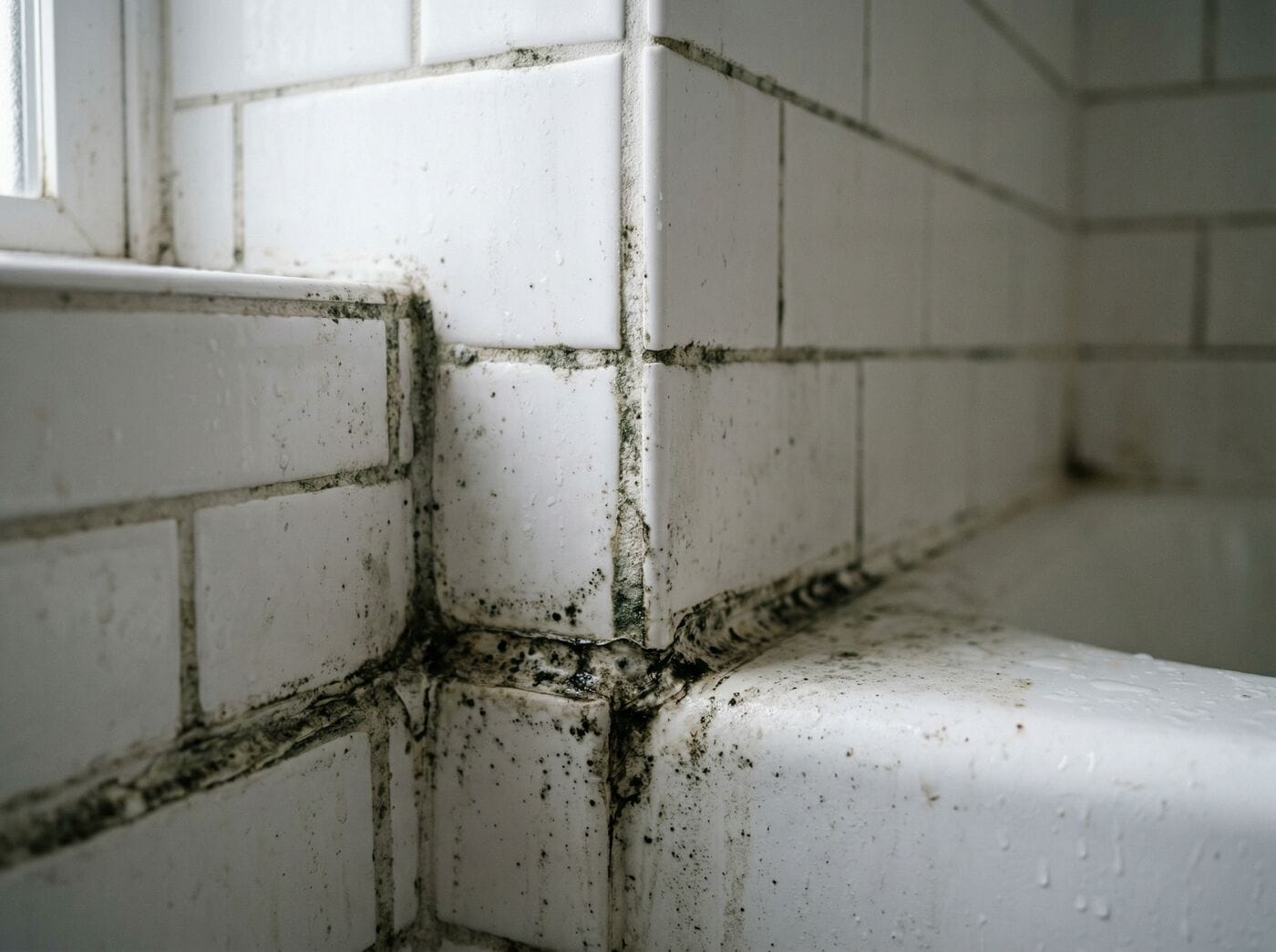
Bathroom Mold Inspection
Grout, under-sink cabinets, subfloor and exhaust fans in the dampest room in the house.
Learn more
Real Estate Mold Inspection
Pre-purchase and pre-listing testing with a report in 1-2 business days.
Learn more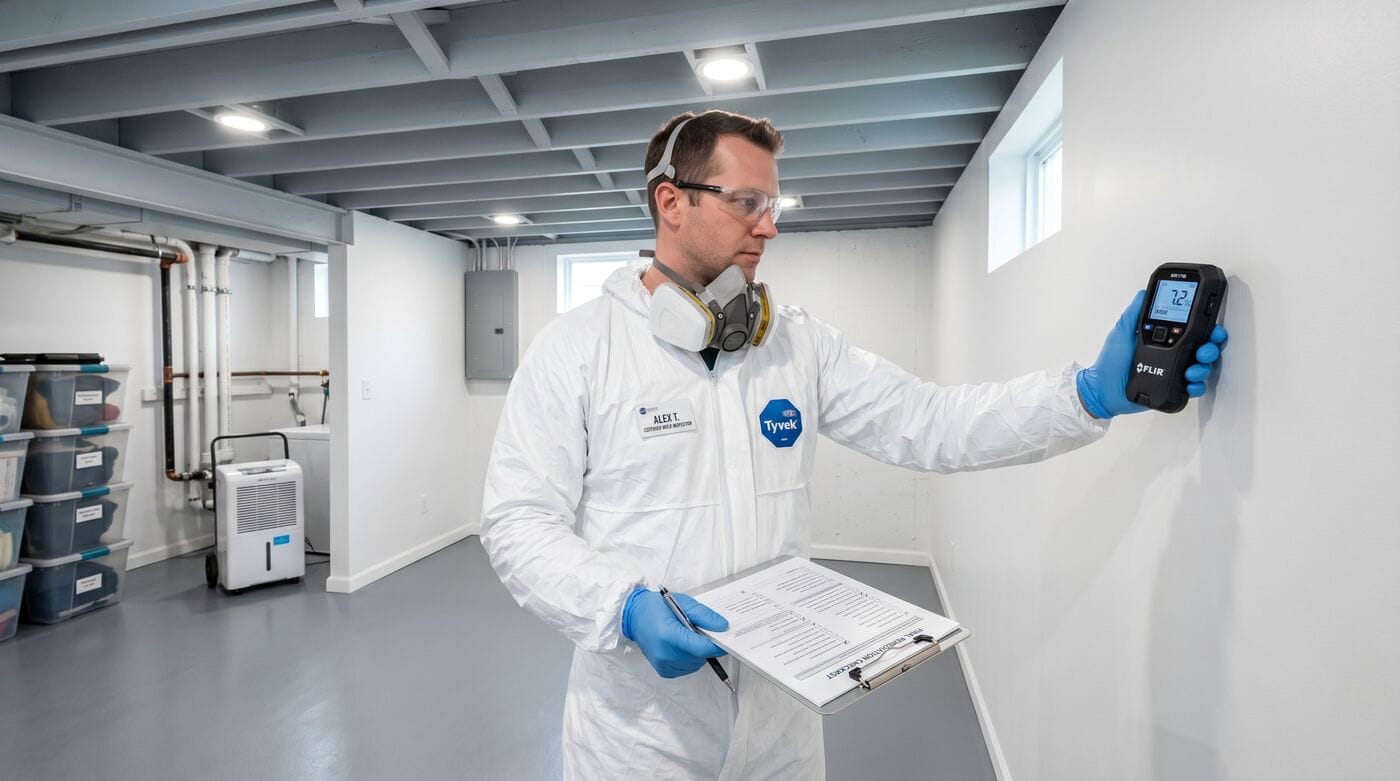
Mold Clearance Testing
Independent post-remediation verification after a remediation contractor finishes the work.
Learn more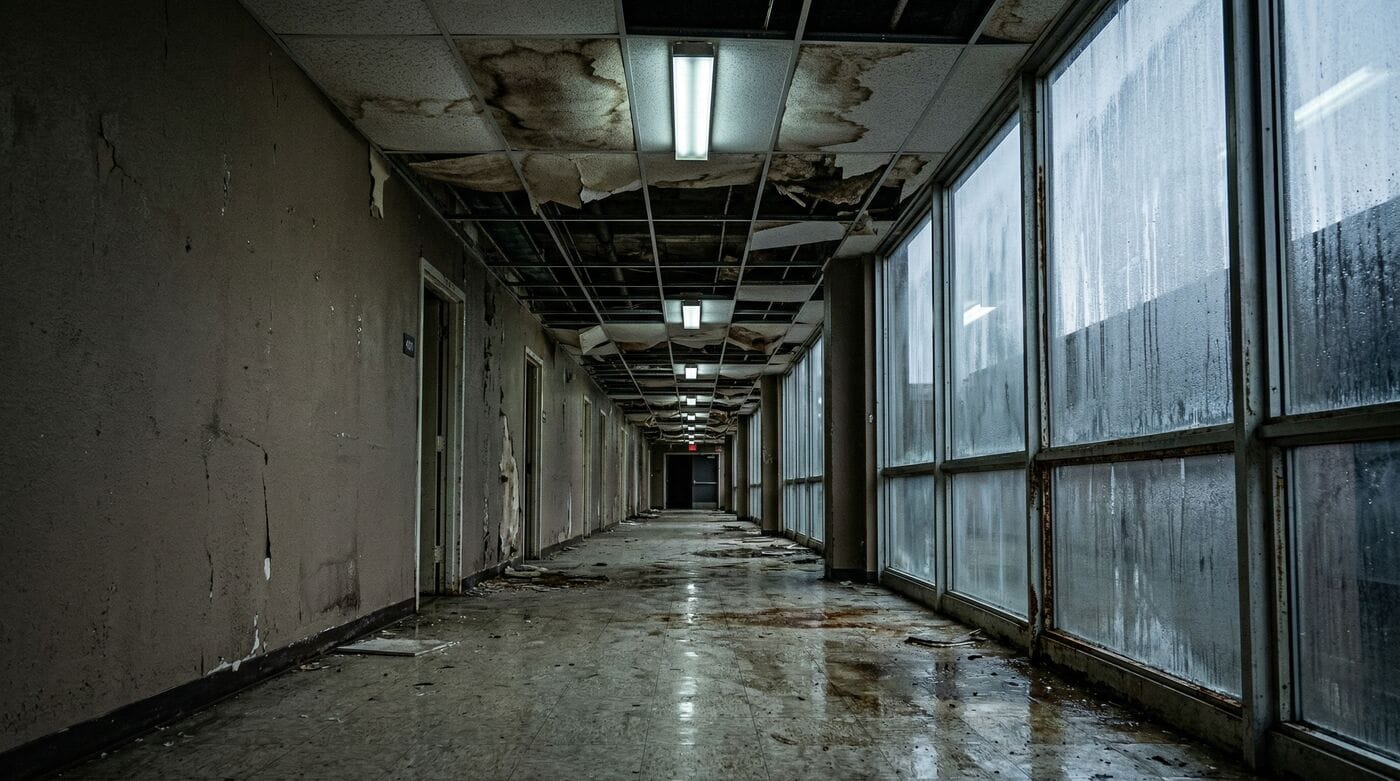
Commercial Mold Inspection
Offices, rentals, schools, restaurants and warehouses, with documentation you can file.
Learn more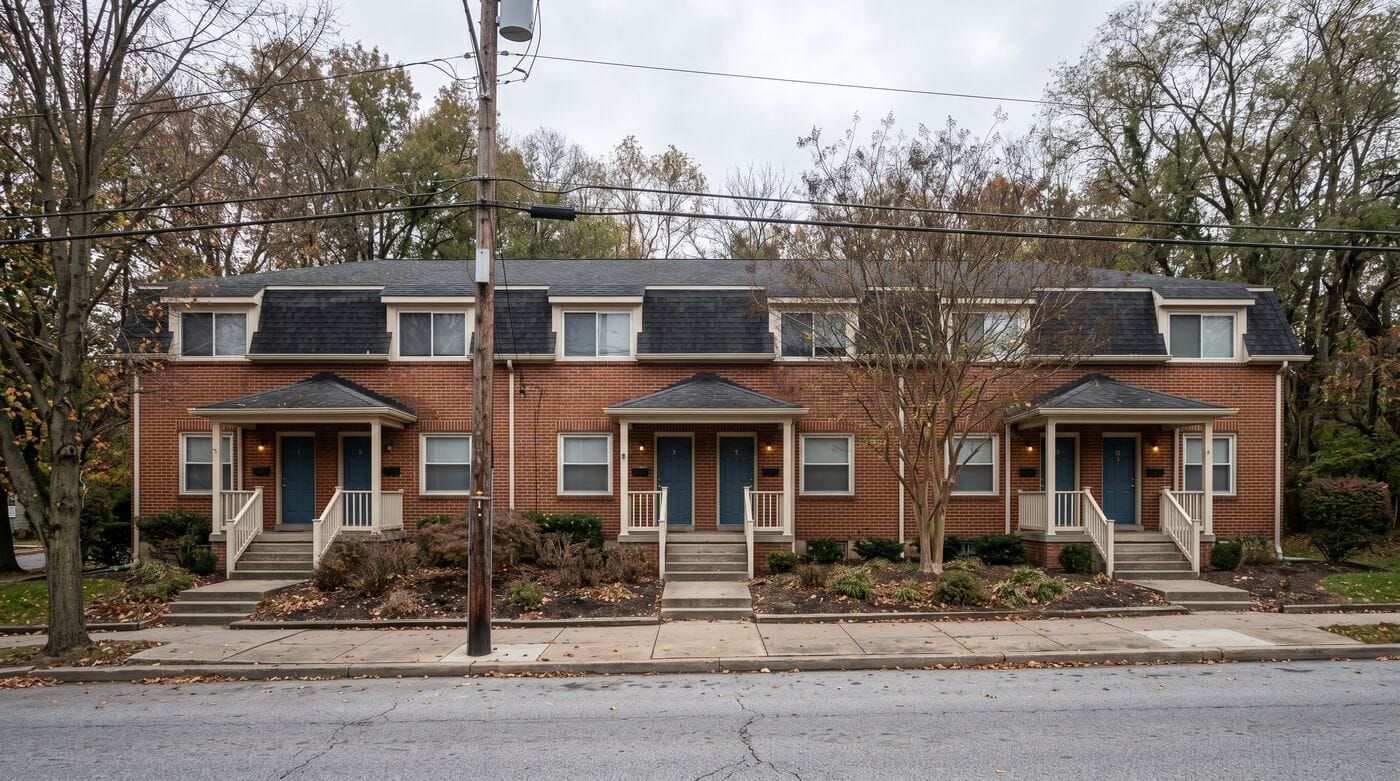
Landlord / Tenant Mold Inspection
Neutral third-party inspections and reports for rental disputes and code complaints.
Learn moreLooking for one thing in particular?
If you got here searching for one specific thing, these pages go straight at it.
Mold inspection cost in York, PA
The flat price — $450 residential, $785 commercial — what it includes, and why free inspections cost more.
Read thisMold inspector near me
What a real inspection covers, what to ask before you hire, and why free ones cost more.
Read thisMold testing near me
Air, surface and ERMI testing explained, with what each one can and can't tell you.
Read thisAttic mold
Why attics in this climate grow mold on the sheathing, and how the testing answers it.
Read thisArticles about older homes, basements and attics
What I find in houses like these, written up from the inspections themselves.
Township Drainage Issues in York County, PA and Their Mold Impact
Spring rains and summer storms put York County drainage systems to the test. What many homeowners do not realize is how directly drainage problems connect to mold growth inside their homes.
Read the articleMold Problems Common in Historic York, PA Neighborhood Homes
York's older neighborhoods are full of beautiful, character-rich homes built before modern moisture management existed. Here's why those homes are disproportionately vulnerable to mold - and what to do about it.
Read the articleWhat Spring Garden Township homeowners and buyers say
Rated 5.0 from 5 Google reviews.
I could not recommend this business enough for mold inspections! If you're looking for quick turnaround, great communication and honest upfront service - this is your place. Tom was respectful, professional, and explained everything in great detail.
Truly the best! I can't say enough good things about Tom. I truly feel like I had someone I could count on by my side during this very stressful situation.
We had a great experience with Tom at Mastertech throughout this whole process. They took extra time to answer all of our questions and explained everything in a way that actually made sense.
Spring Garden Township mold inspection questions
$450 residential and $785 commercial, both with 4 lab samples included and extras at $85. The township runs from small twins on the city line up to large homes over approximately 2,500 square feet, and the bigger ones cost more — give me the square footage on the phone and you'll have the number before anything is scheduled.
Where I work
I cover York and the towns around it — basically anything within about 7 miles of 2400 Taxville Rd, York, PA 17408, plus a good bit of York County beyond that. If you're close and don't see your town, call me anyway.
Based in York, not a call center
You reach me directly, and I'm the one who shows up and does the inspection. Most weeks I can be out within a couple of days, sooner if you're up against a closing date.