
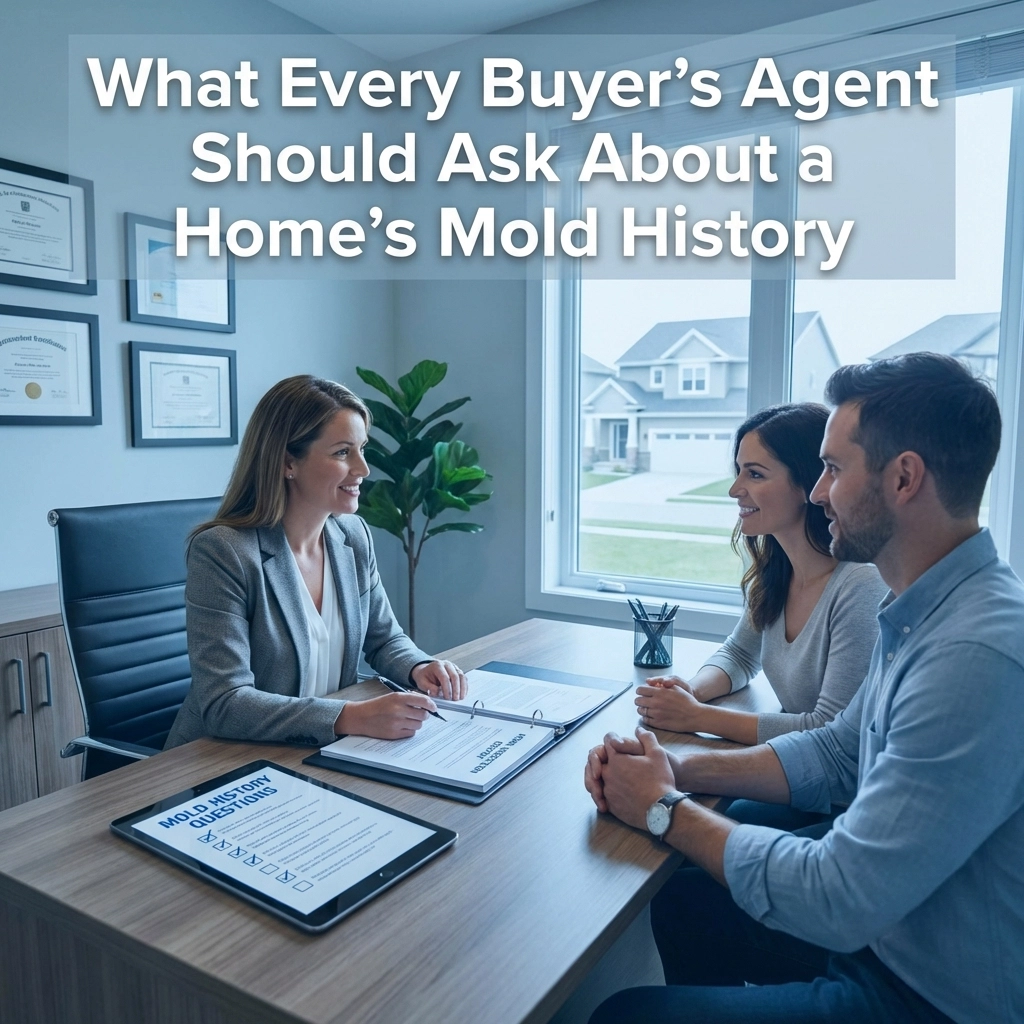
As a buyer's agent, you're the first line of defense for your clients. You help them navigate inspections, negotiate repairs, and make sure they're not walking into a money pit. But here's one topic that doesn't always get the attention it deserves during a transaction: mold history.
Mold isn't always visible. It doesn't announce itself. And by the time your buyers notice something's off: maybe a musty smell in the basement or unexplained allergy symptoms: they might already be deep into homeownership with a problem that could have been flagged earlier.
The good news? You don't need to be a mold expert to ask the right questions. You just need to know what to look for and when to bring in someone who does. This guide breaks down exactly what every buyer's agent should be asking about a home's mold history: and how those questions can protect your clients (and your reputation).
Let's get one thing straight: mold isn't rare. It's everywhere. Outdoors, indoors, in the air you're breathing right now. The issue isn't whether mold exists: it's whether it's growing where it shouldn't be and in quantities that could cause problems.
For homebuyers, undisclosed mold issues can mean surprise repair bills, health concerns, and a whole lot of frustration. For you as their agent, it can mean tough conversations, stalled closings, and potential liability headaches.
Here's the thing: asking about mold history isn't about being paranoid or scaring anyone. It's about doing due diligence. A home that had a mold problem five years ago but was properly remediated? That's not necessarily a dealbreaker. A home where the seller "fixed" water damage with a coat of paint and some bleach? That's a different story.
Understanding the difference between a home inspection and a mold inspection is crucial here. General home inspectors do great work, but they're not mold specialists. They might note visible mold or moisture concerns, but they typically won't do the deep dive that a dedicated mold inspection provides.
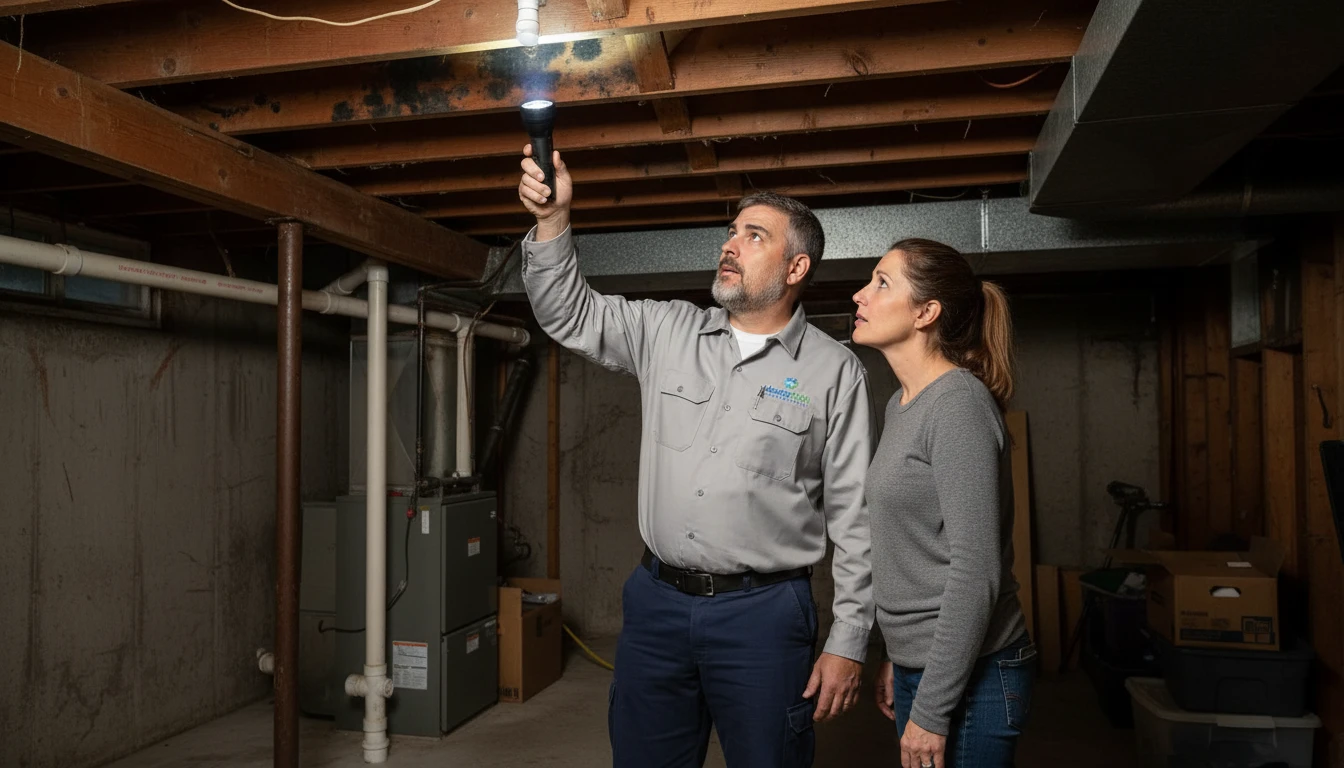
When you're representing buyers, here are the questions you should be asking: either directly to the seller's agent or through the disclosure process:
This seems obvious, but you'd be surprised how often it gets glossed over. Sellers aren't always required to volunteer this information unless directly asked, depending on local disclosure laws. Get it in writing if possible.
Water is mold's best friend. Any history of water intrusion: whether from a burst pipe, roof leak, foundation crack, or flooding: creates conditions where mold can thrive. Even if mold wasn't visible at the time, it could have developed behind walls or under flooring.
There's a big difference between mold testing and mold remediation. Testing tells you what's there. Remediation is the actual removal and cleanup process. If the seller says mold was "taken care of," dig deeper. Who did the work? Was it a professional remediation company or a DIY weekend project?
Legitimate mold remediation companies provide detailed documentation: before and after photos, scope of work, and often post-remediation testing results. If remediation was done, your buyers should be able to review that paperwork. No documentation? That's a yellow flag.
This is the gold standard. After remediation, a mold inspection and testing should confirm that the mold was actually eliminated. If the seller can't produce clearance test results, there's no guarantee the problem was fully resolved.

Even if the seller says there's no mold history, certain areas of a home are just more prone to problems. Make sure your buyers' inspector: or a dedicated mold inspector: pays extra attention to these spots:
Basement mold is incredibly common, especially in older homes. Poor drainage, foundation cracks, and humidity all create ideal conditions. Look for water stains on walls, efflorescence (that white, powdery stuff on concrete), and any musty odors.
Out of sight, out of mind: until there's a problem. Crawlspace mold often goes undetected because, let's be real, nobody wants to crawl around down there. But moisture barriers, ventilation, and standing water issues in crawlspaces can lead to significant mold growth that affects the entire home.
Attic mold is another sneaky one. Poor ventilation, roof leaks, and bathroom exhaust fans that vent into the attic (instead of outside) can all contribute. Attic mold often shows up on roof sheathing and can be a sign of bigger ventilation problems.
Bathroom mold is the most visible type most people encounter: think grout lines and shower caulking. But the bigger concern is what's happening behind walls around tubs, showers, and toilets where slow leaks can go unnoticed for years.

Mold needs moisture to grow. Period. So understanding a home's moisture control systems is just as important as asking about past mold problems. Here's what to investigate:
Vapor barriers help prevent ground moisture from migrating up into the home. In crawlspaces especially, a properly installed vapor barrier is critical for moisture control.
Adequate ventilation: especially in attics, bathrooms, and kitchens: is essential for preventing moisture buildup. Ask about exhaust fans, soffit vents, and ridge vents. Make sure bathroom fans actually vent to the exterior, not just into the attic.
HVAC systems can both cause and spread mold problems. Condensation on ductwork, dirty evaporator coils, and drainage issues with AC units can all create mold-friendly conditions.
This is a harder one to pin down, but worth asking. Has the homeowner used dehumidifiers? Have they noticed condensation on windows? High indoor humidity: especially in basements: is a recipe for mold growth.
Here's where your role as an advisor really matters. Not every home needs a mold inspection, but certain situations should trigger that recommendation:
If you want to understand when mold testing makes sense and when it doesn't, that's a great resource to share with your clients too.
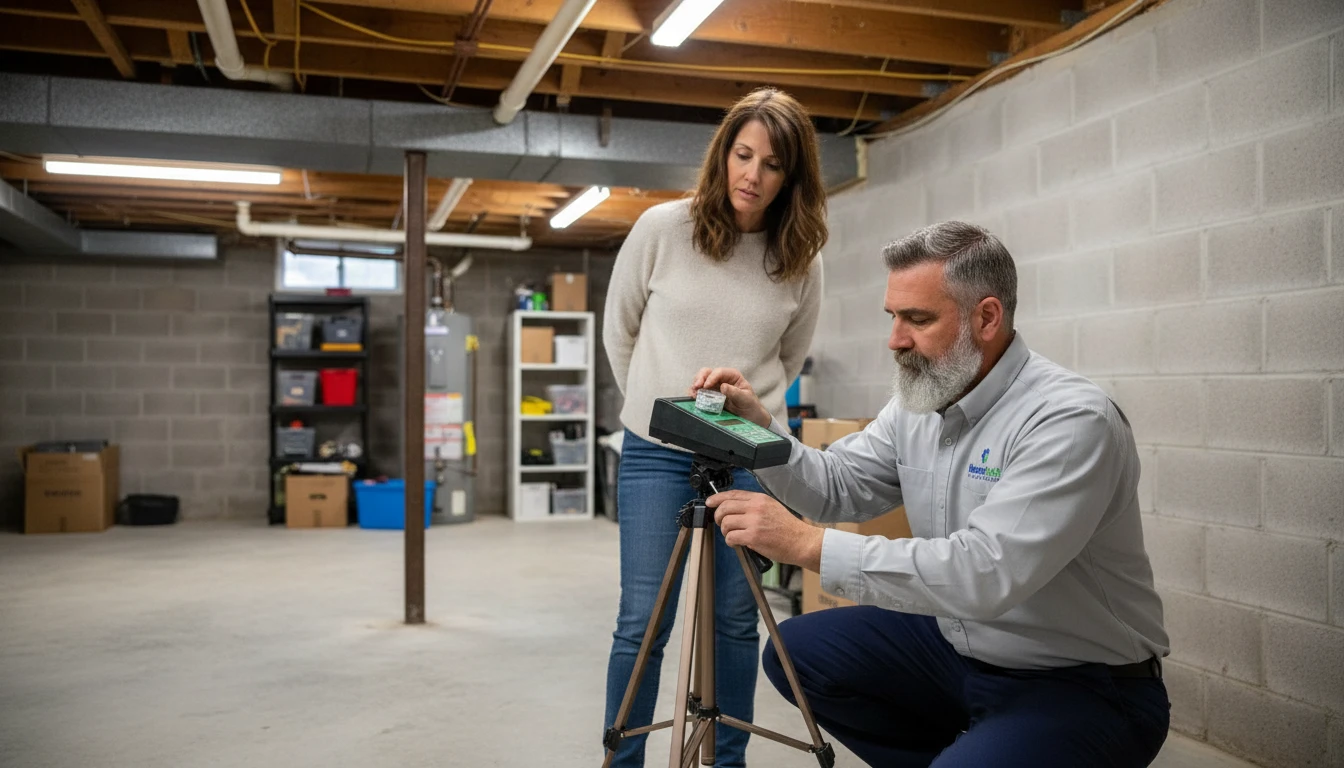
When you recommend a mold inspection to your clients, it helps to explain what they're getting. A thorough mold inspection typically includes:
For homes with potential concerns, ERMI mold testing offers an even more comprehensive analysis using dust samples to identify mold species present in the home.
The goal isn't to find problems where none exist. It's to give buyers clear, actionable information so they can make informed decisions. And if mold is found, understanding those test results is key to figuring out next steps.
Look, nobody wants a deal to fall apart over mold concerns. But here's the reality: addressing potential mold issues upfront is always better than dealing with surprises after closing.
For buyers, it means they know exactly what they're getting into. Maybe the inspection comes back clean and they have peace of mind. Maybe it reveals an issue that the seller agrees to remediate before closing. Either way, they're making an informed decision.
For sellers, a clean mold inspection or documented remediation history can actually be a selling point. It shows they've maintained the property and aren't hiding anything.
For you as the agent, recommending proper due diligence protects your reputation. You're not being an alarmist: you're being thorough. Your clients will remember that you looked out for their interests.
If mold is discovered during an inspection, having a clear understanding of what happens if mold is found in the home helps everyone navigate next steps calmly and professionally.
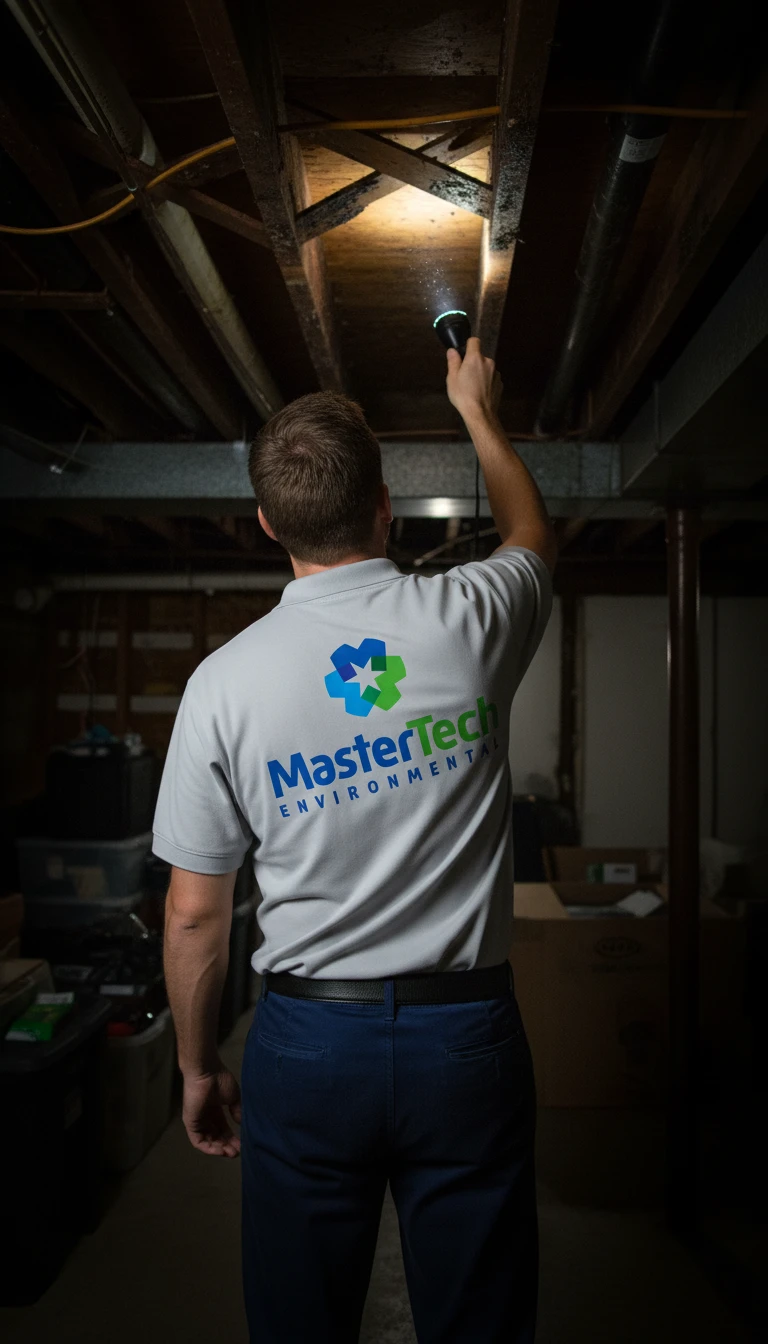
If you're working with buyers in York, PA and the surrounding areas: including communities like Red Lion, Hanover, Shrewsbury, and throughout York County: having a reliable mold inspection resource makes your job easier. At Mastertech Environmental of York, we focus exclusively on mold testing and inspections. We're not here to sell remediation services or use scare tactics to drum up business. We provide clear, professional assessments so your clients can make informed decisions. Whether it's a basement mold inspection in York or a pre-purchase assessment anywhere in the region, we're here to help you and your clients get answers( without the guesswork.)

Mastertech Environmental of York, PA. I'm your local expert in professional mold testing and inspection. With 17+ years of experience and trusted by thousands of homeowners, I can help you protect what matters most — your health and your home.