
Basement mold testing and inspections across York County
Musty odor, a past flood, staining at the bottom of a wall, or a finished basement you're no longer sure about. Basements are where I do most of my work in this county, because clay soil, older foundations and Pennsylvania summers put moisture down there every year. I find where it's coming from, test what's growing, and hand you the answer. I don't sell the cleanup.
- — $450 flat with 4 lab samples
- — Thermal imaging finds moisture behind finished walls
- — Written report in 1-2 business days
- — Inspection only — no remediation sold
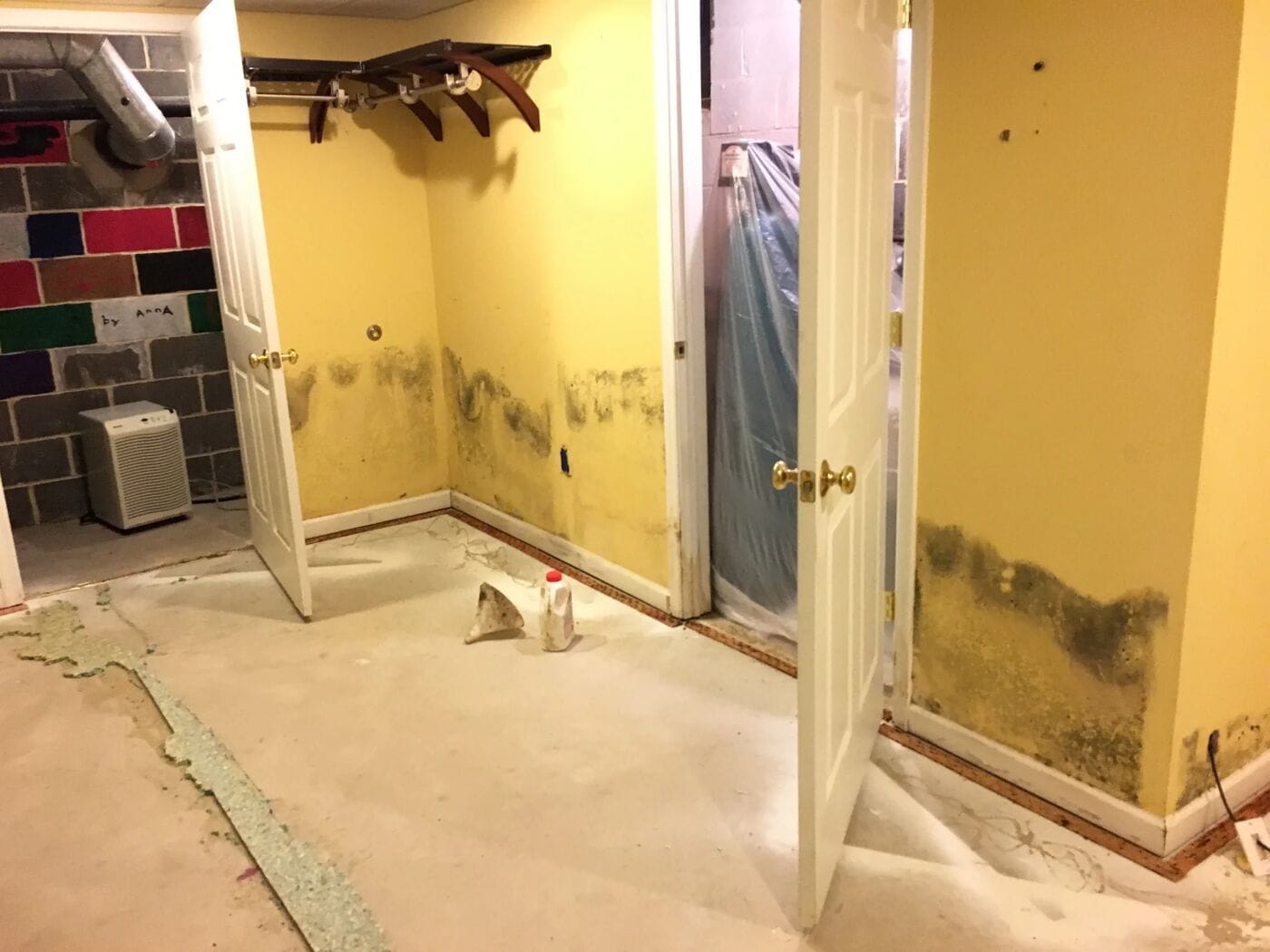
A basement that has smelled musty for years is telling you something
It's the most common call I get, and it's almost never a mystery once someone takes readings.
Musty odor is microbial growth metabolizing something damp. That's all it is. The material is usually mundane — stored cardboard, an old carpet pad, paneling screwed to furring strips on block, the bottom four inches of framing in a section someone finished in 1994. None of it looks dramatic. But basement air doesn't stay in the basement. Stack effect pulls it up through the floor, the stairwell and every penetration in the ceiling, so what's down there is part of what you breathe upstairs.
The part that actually matters is that mold in a basement is a symptom, not the disease. Something is putting water where it doesn't belong, and until that's identified, cleanup is a reset button rather than a fix. I've been in basements that were professionally remediated eighteen months earlier and were growing again, not because the remediation was bad but because nobody ever established where the water was coming from. The inspection is the part that answers that.
Finished basements are the hardest version of this, and the most common one I'm called into. The growth is behind the wall, on the paper face of the drywall or the back of the paneling, where you can smell it and can't see it. Thermal imaging plus moisture meters tell me where to look, which means you open one section on purpose instead of tearing out the room to go hunting.
What's included in every basement inspection
- Full visual inspection: foundation walls, sill plate, band joist, sump area, mechanical room and finished sections
- Moisture mapping with calibrated pin and pinless meters, recorded by location
- Thermal imaging to find trapped moisture behind finished walls and under flooring
- Air and surface sampling — 4 samples included, accredited lab analysis
- Relative humidity, ventilation and dehumidification assessment
- Sump pit, discharge line, grading and downspout review
- Plain-English written report with photos, readings and next steps
- A results call where I walk you through all of it
Tell me what you're smelling or seeing and whether the basement is finished. I'll come back with timing and pricing.
What actually wets basements in York County
Four causes cover almost everything I write up. Knowing which one you have is the difference between a fix and a repeat.
Clay soil and hydrostatic pressure
A lot of this county sits on clay. Clay doesn't drain — it holds water and presses it against the foundation wall until it finds the mortar joint, the cove where the wall meets the floor, or the tie rod hole. That's why so many York basements are dry all summer and wet for three days after a storm.
Stone and block foundations with no exterior barrier
Pre-war stone foundations were never waterproofed from outside, and block laid in the 50s and 60s usually wasn't either. The wall is a sponge by design. Paint and sealer on the inside face don't change that; they just move where the moisture shows up.
Summer humidity condensing on cold walls and ducts
This is the one people never guess. In July the basement wall is 60 degrees and the air coming down the stairs is 75 and humid. Moisture condenses on the block, the cold water lines and the ductwork. No leak anywhere — and opening a window makes it worse, not better.
Sump pumps, slow supply leaks and failed drain lines
A pump on its second decade, a weeping shutoff behind the washer, a cast iron stack that's sweating at a joint. Small, slow, and they run for months before anyone notices. By then the bottom plate of the framing has been wet the whole time.
When a basement is worth testing
Any one of these on its own is reason enough. Two or three together and I'd stop wondering about it.
- Persistent musty smell, in the basement or at the top of the basement stairs
- Staining or a chalky white line along the bottom of a foundation wall
- Past flooding or a leak that sat longer than a day or two before it was dried
- Allergy-type symptoms that ease when you're out of the house
- A finished basement you inherited and know nothing about
- Buying or selling a house with any water history at all
- A tenant raising a mold concern, or a landlord needing documentation
- Warped baseboard, buckled laminate, or a door at the bottom of the stairs that sticks in summer
Mold can start on wet material inside 24 to 48 hours, so the question after a leak is never whether it was cleaned up — it's how fast the material dried and whether anything porous stayed wet underneath. A shop vac and a fan for an afternoon is not drying.
If you're in a real estate transaction, the timing works: lab results come back in 1-2 business days, which fits inside almost every inspection contingency window. Bring me in early enough and the report becomes a negotiating document instead of a problem you discovered after closing.
And if the basement turns out to be fine, that's a real outcome and I'll write it that way. Plenty of the reports I send say the readings were normal and the odor was stored cardboard on a damp floor.
A systematic process, and a result you can act on
Basement mold usually comes down to moisture that stayed longer than it should have. The work is figuring out why, and how far it went.
Walk the whole basement, finished and not
Foundation walls, the sill plate and band joist, the mechanical room, the sump pit, under the stairs, and behind whatever is stored against the walls. I photograph as I go, including the boring parts, because the report has to show you what I saw.
Moisture map with calibrated meters
Pin and pinless readings on the block, the framing, the drywall and the bottom of the baseboard, taken by location so the numbers mean something. This is how you separate a wall that's damp right now from one that was wet two years ago and dried.
Thermal imaging behind the finished walls
Wet material reads cold. Infrared scanning shows me where moisture is sitting behind paneling, drywall and framed walls without opening anything — which means if something does have to be opened, you open one section instead of the whole basement.
Humidity, ventilation and drainage assessment
Relative humidity readings at the floor and at head height, dehumidifier capacity and where it's draining, the sump and its discharge line, exterior grading and where the downspouts actually end. Moisture has to be coming from somewhere and one of these is usually it.
Air and surface sampling where it decides something
Indoor air samples against a same-day outdoor control, plus tape lifts on anything visibly growing. 4 samples are included; extra ones are $85 and I ask first. The accredited lab identifies species and spore counts — not a color-change kit.
Report in hand, then a call to go through it
1-2 business days: photos, readings by location, lab data, my determination of the moisture source, and recommendations written as scope any contractor can bid from. Then we talk it through so you know what's urgent and what isn't.
I stopped selling remediation, and that's the whole point
A company that inspects and also cleans has a reason to find more than is there — and a reason to certify its own work as finished.
- No cleanup work sold, ever — there's nothing for me to upsell
- No referral fees from remediation or waterproofing contractors
- No stake in the accredited lab that analyzes the samples
- If the readings are normal, the report says the readings are normal
- 17+ years, 8,000+ inspections, expert witness work and instructor-level certification
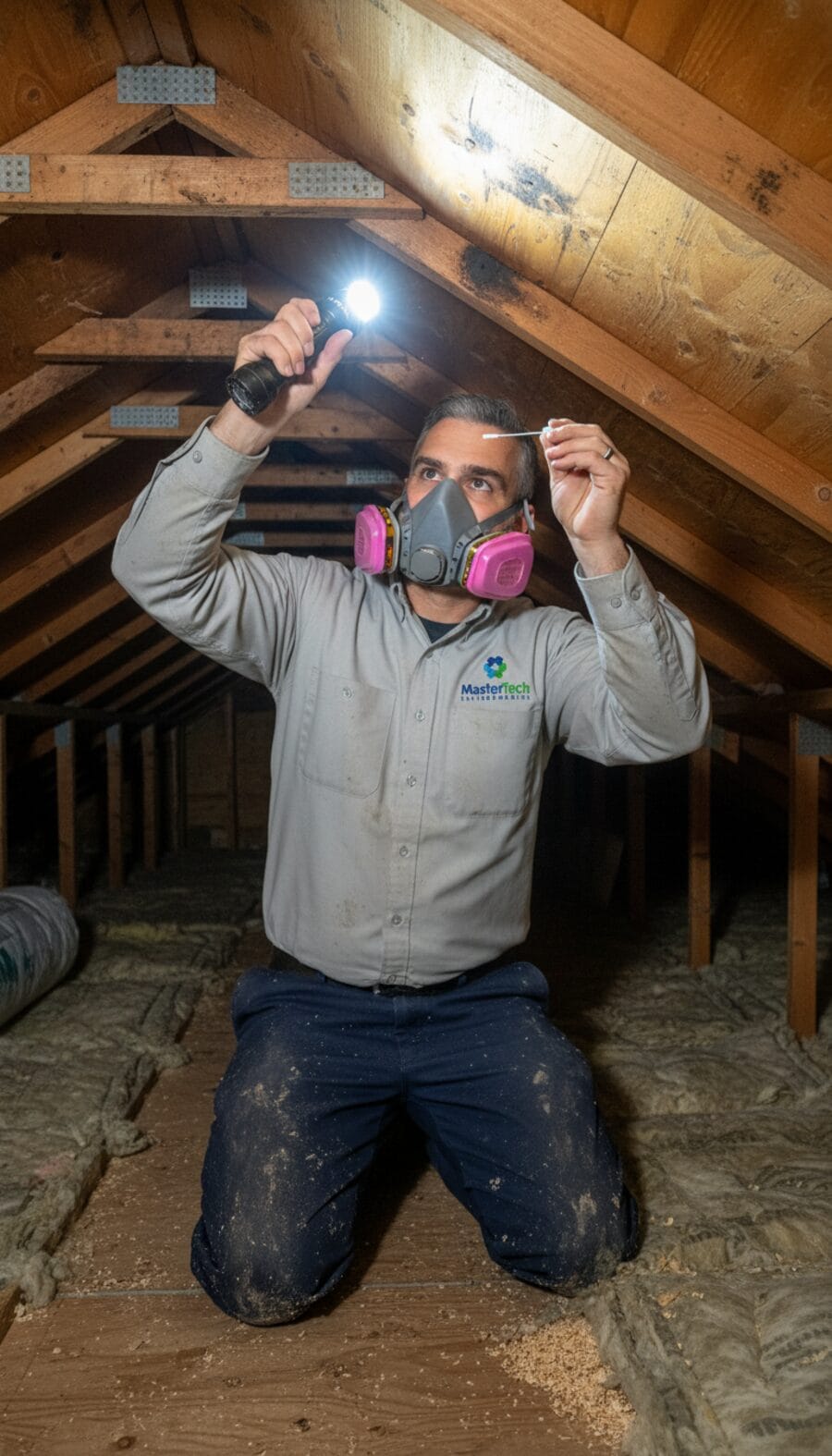
Indoor Air Quality Testing Beyond the Basement
Finished basements in York often run more humid, dustier and less ventilated than the floors above, and coarse readings can reflect biological particulate as well as plain dust. Comparing the basement against upstairs rooms shows how much it stands out, adding clues beyond mold sampling alone. Already running a dehumidifier? Read whether a dehumidifier alone prevents basement mold.
- PM1.0
- PM2.5
- PM10
- CO2
- TVOC
- Formaldehyde screening
- Relative humidity
- Temperature
Particle readings point to common household sources consistent with the particle-size pattern observed. They don't identify a particle as mold, dust, pollen or pet dander.
Learn More About Indoor Air Quality TestingWhat a mold inspection costs in York, PA
Flat pricing, nothing hidden. Extra samples beyond the 4 included are $85 each. Lab results come back in 1-2 business days.
- Visual inspection of the areas of concern
- Thermal imaging
- Moisture meter readings
- 4 air or surface samples
- Accredited independent lab analysis
- Written report with photos and readings
- Phone walkthrough of the results
Covers properties or inspected areas up to approximately 2,500 sq ft. Larger properties may need more inspection time, more areas or more sampling, so the price can go up — I'll tell you the number before I come out.
Schedule a residential inspection- Visual inspection of the areas of concern
- Thermal imaging
- Moisture meter readings
- 4 air or surface samples
- Accredited independent lab analysis
- Written report with photos and readings
- Phone walkthrough of the results
Covers the extra reporting and square footage that comes with commercial buildings. Additional samples $85 each.
Schedule a commercial inspectionWhat happens if basement mold is found
Finding mold in a basement isn't a disaster. It means moisture stuck around. Here's what the report gives you.
Why it formed
The conditions that let it grow, in plain language — not a species name and a shrug.
Where the moisture comes from
Every entry point and condensation source I identified, marked by location with readings.
What was actually found
Lab-identified species and counts, with context on what those numbers mean for your house.
Surface or structural
Whether growth sits on the face of the material or has gone into the framing and sheathing.
How to fix the moisture
The root-cause work, in order of what matters most, so cleanup doesn't have to happen twice.
Remediation guidance
What scope to ask for and what to refuse. No referral, no kickback, no contractor of mine.
See the report before you hire me
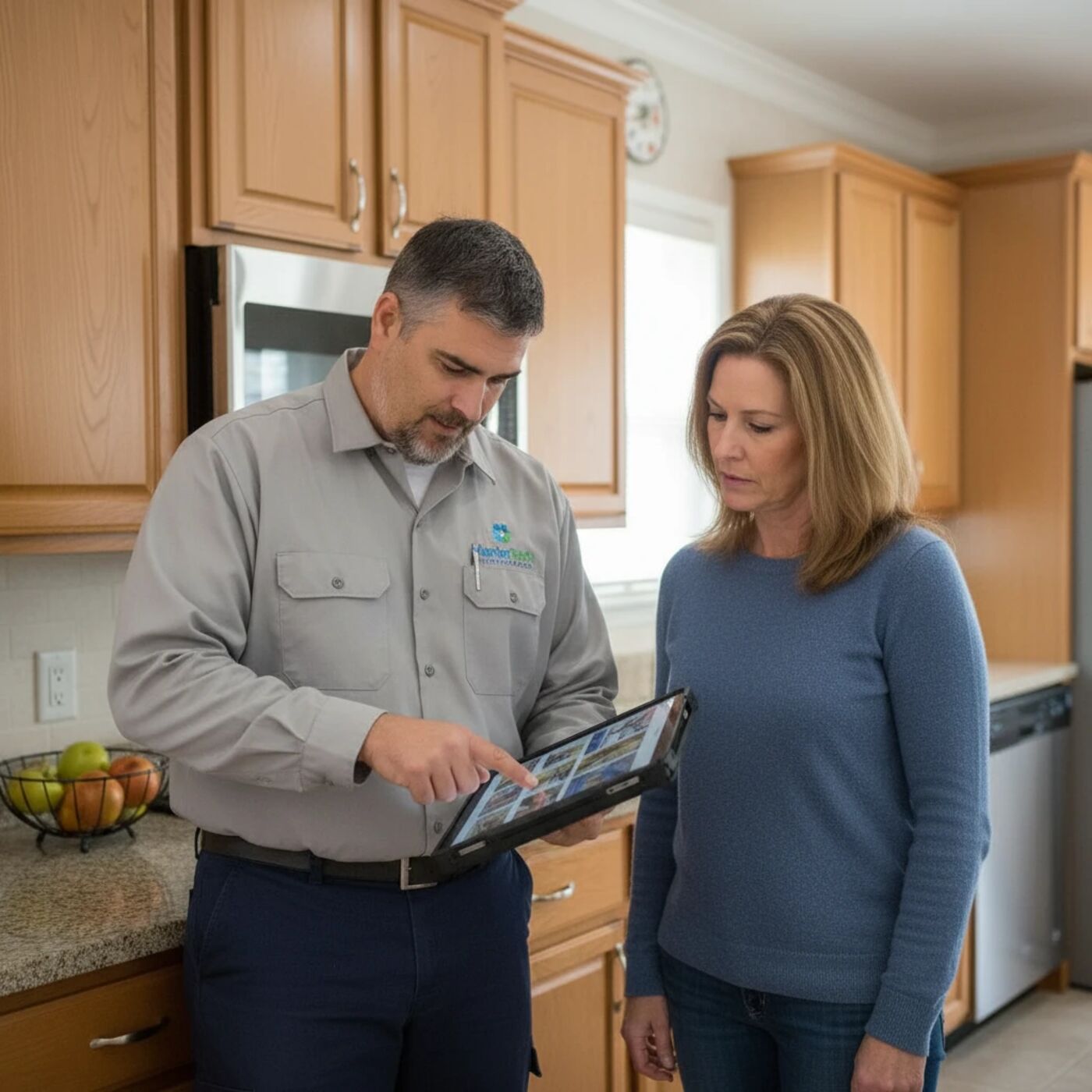
The inspection is only worth as much as the paperwork you're left holding. Mine lays out what I looked at, what I found, what the lab said, and what should happen next — in language you can hand to a contractor, a landlord, or a realtor.
- Inspection summary
- Lab sample results
- Moisture readings
- Area-by-area notes
- Photos of findings
- Recommendations
- Limitations
- Next steps
Other spaces worth checking while I'm there
A basement problem and a crawl space or first-floor problem often share one moisture source.
Basement Mold Inspection
Moisture readings, thermal imaging and air samples in finished and unfinished basements.
Learn more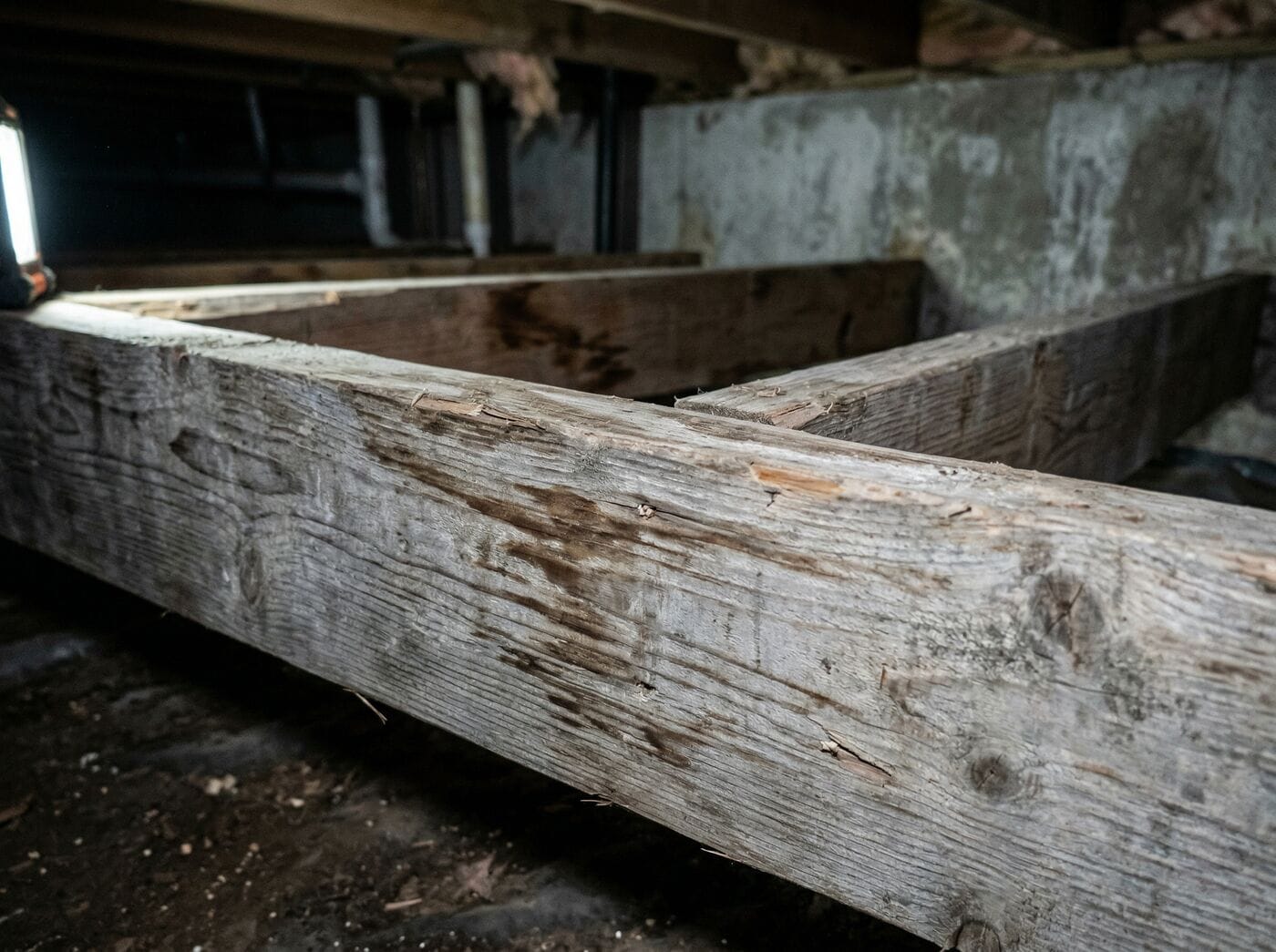
Crawl Space Mold Inspection
Joists, subfloor, vapor barrier and foundation walls in the space nobody looks at.
Learn more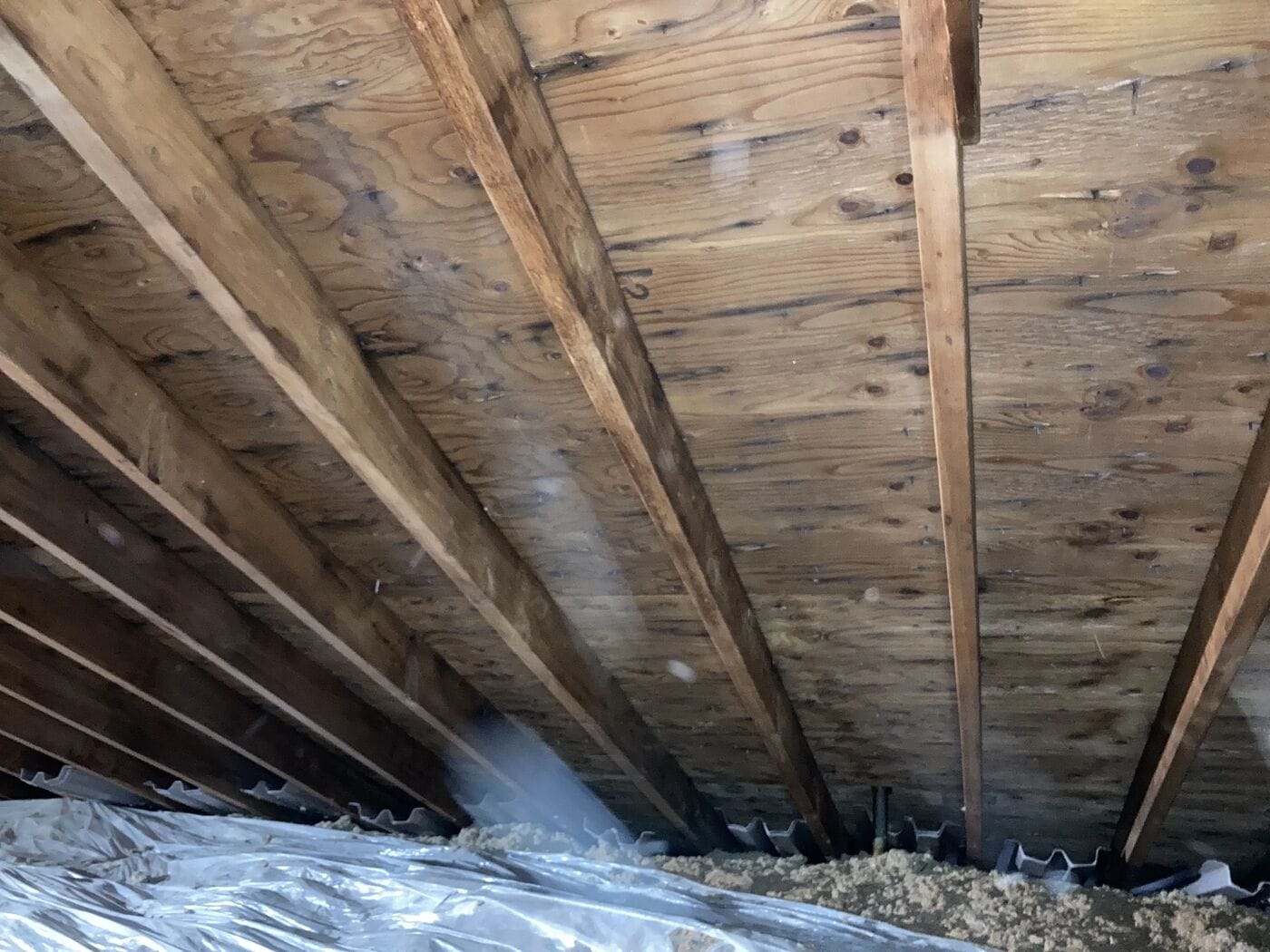
Attic Mold Inspection
Roof sheathing, rafters, bath fan venting and attic ventilation problems.
Learn more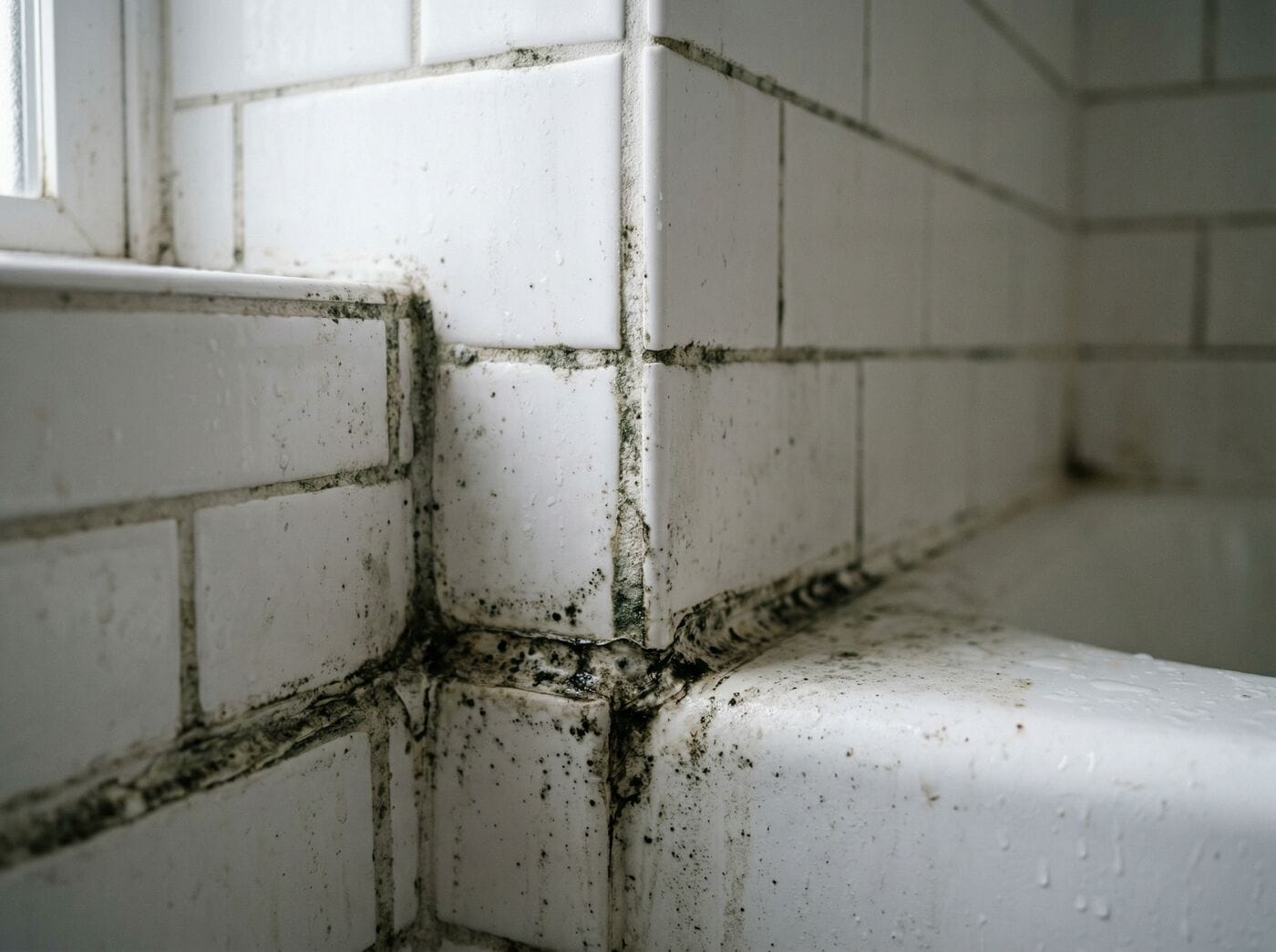
Bathroom Mold Inspection
Grout, under-sink cabinets, subfloor and exhaust fans in the dampest room in the house.
Learn more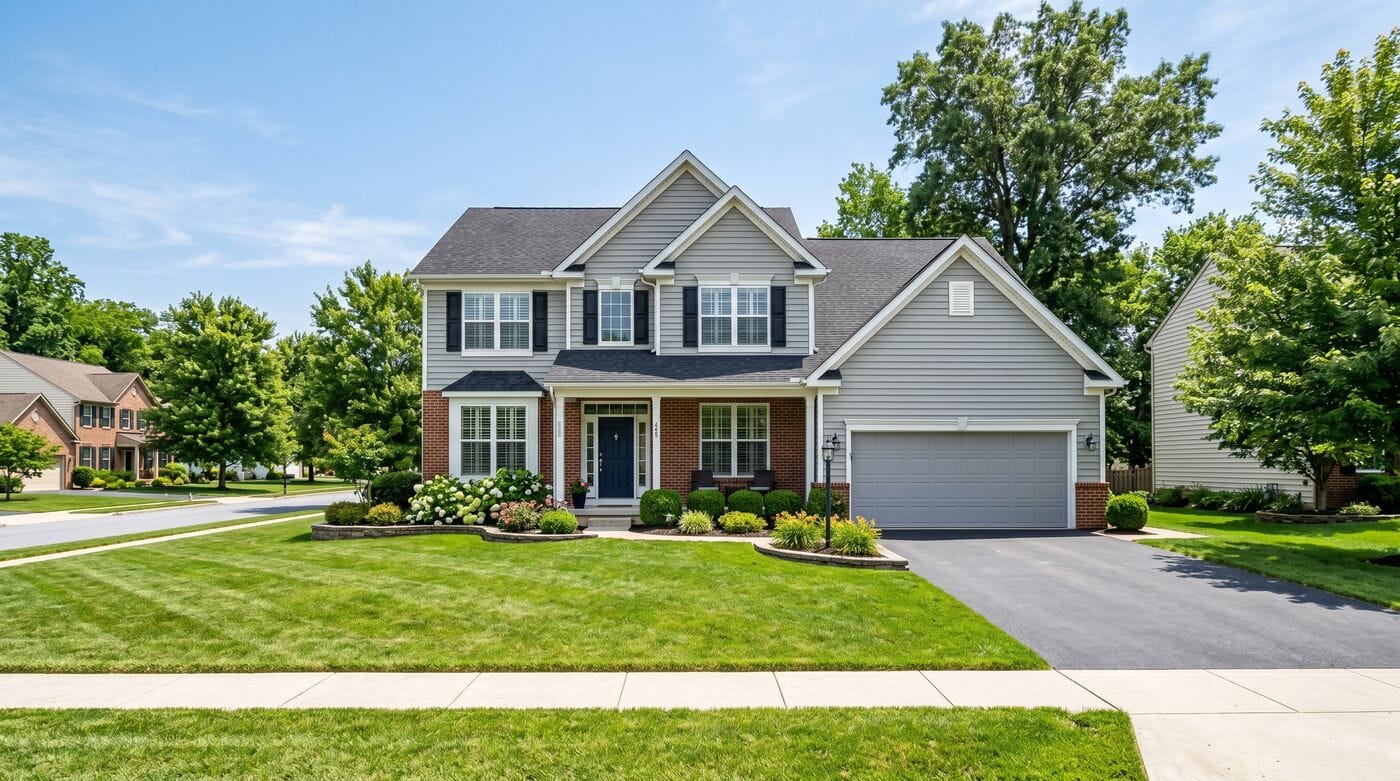
Real Estate Mold Inspection
Pre-purchase and pre-listing testing with a report in 1-2 business days.
Learn more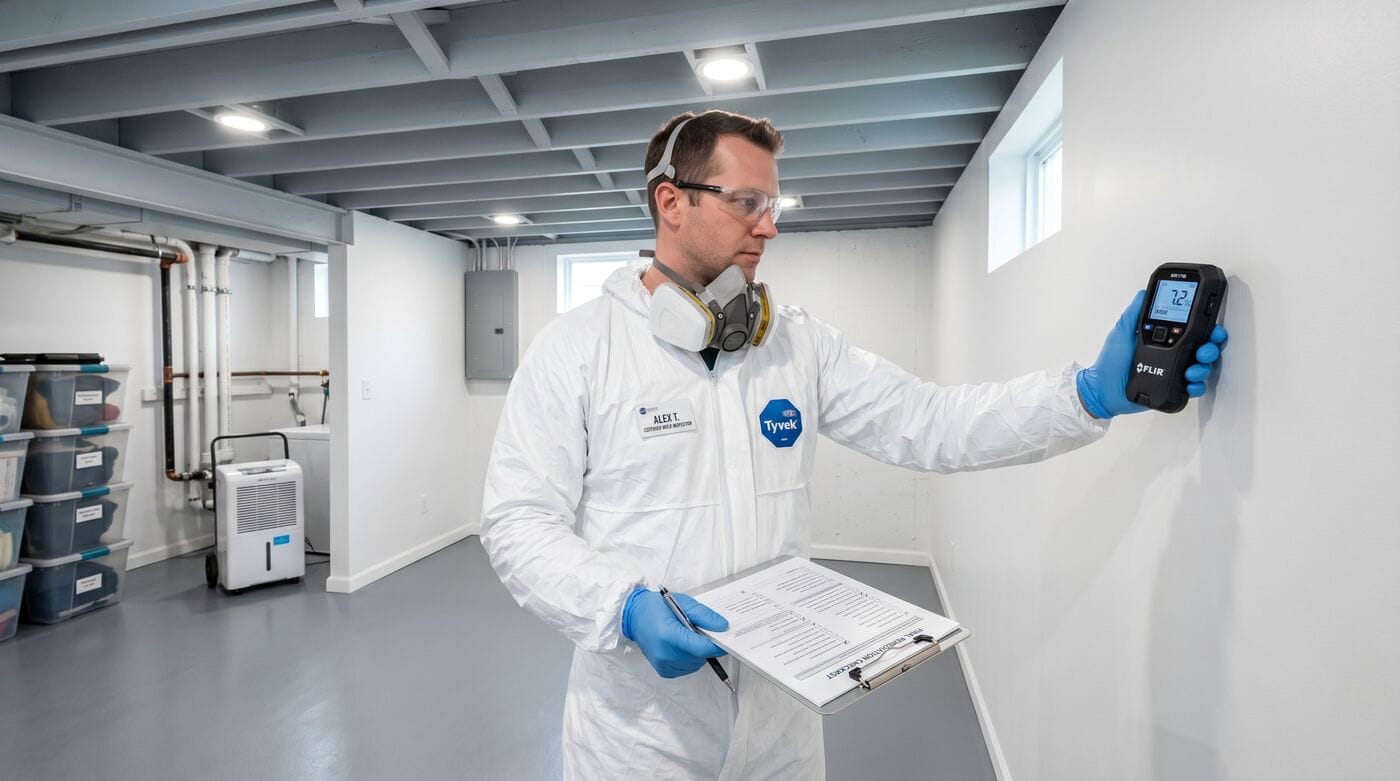
Mold Clearance Testing
Independent post-remediation verification after a remediation contractor finishes the work.
Learn more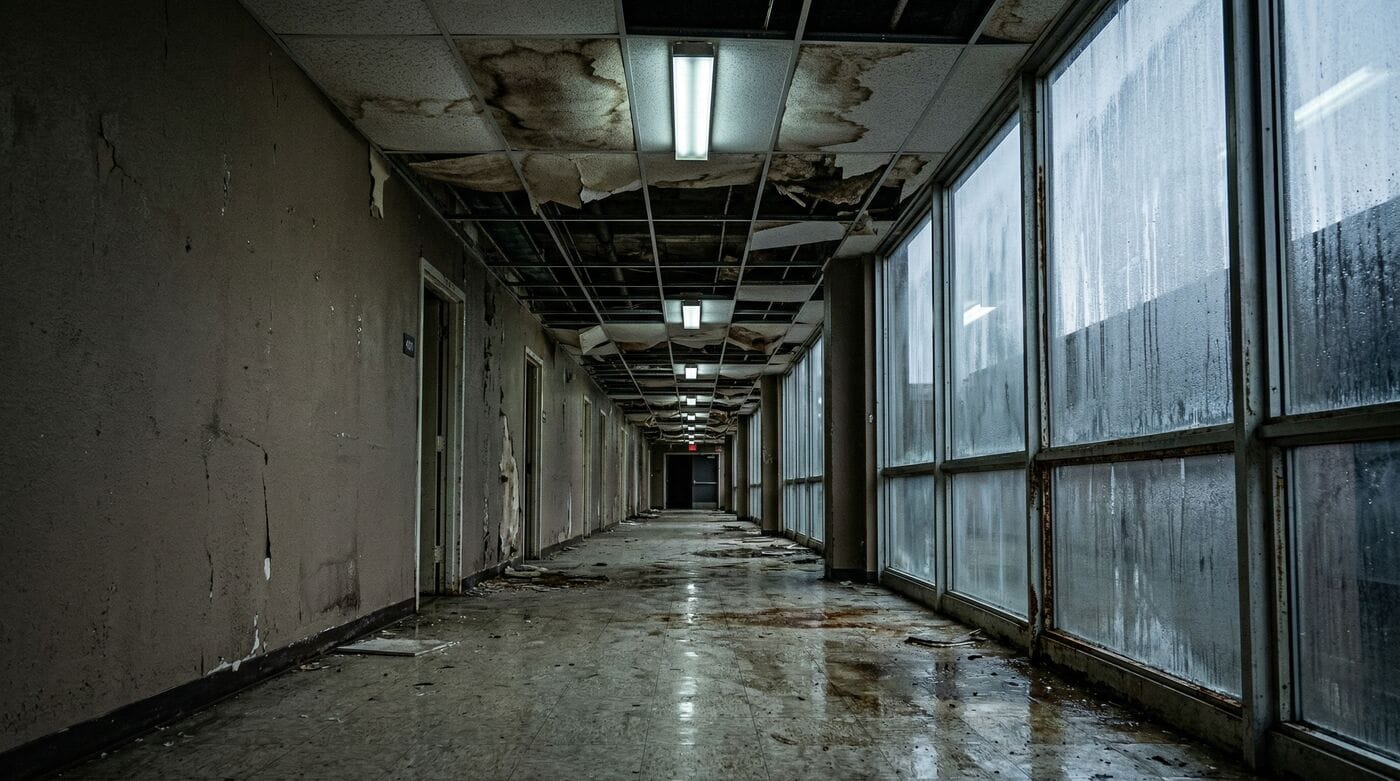
Commercial Mold Inspection
Offices, rentals, schools, restaurants and warehouses, with documentation you can file.
Learn more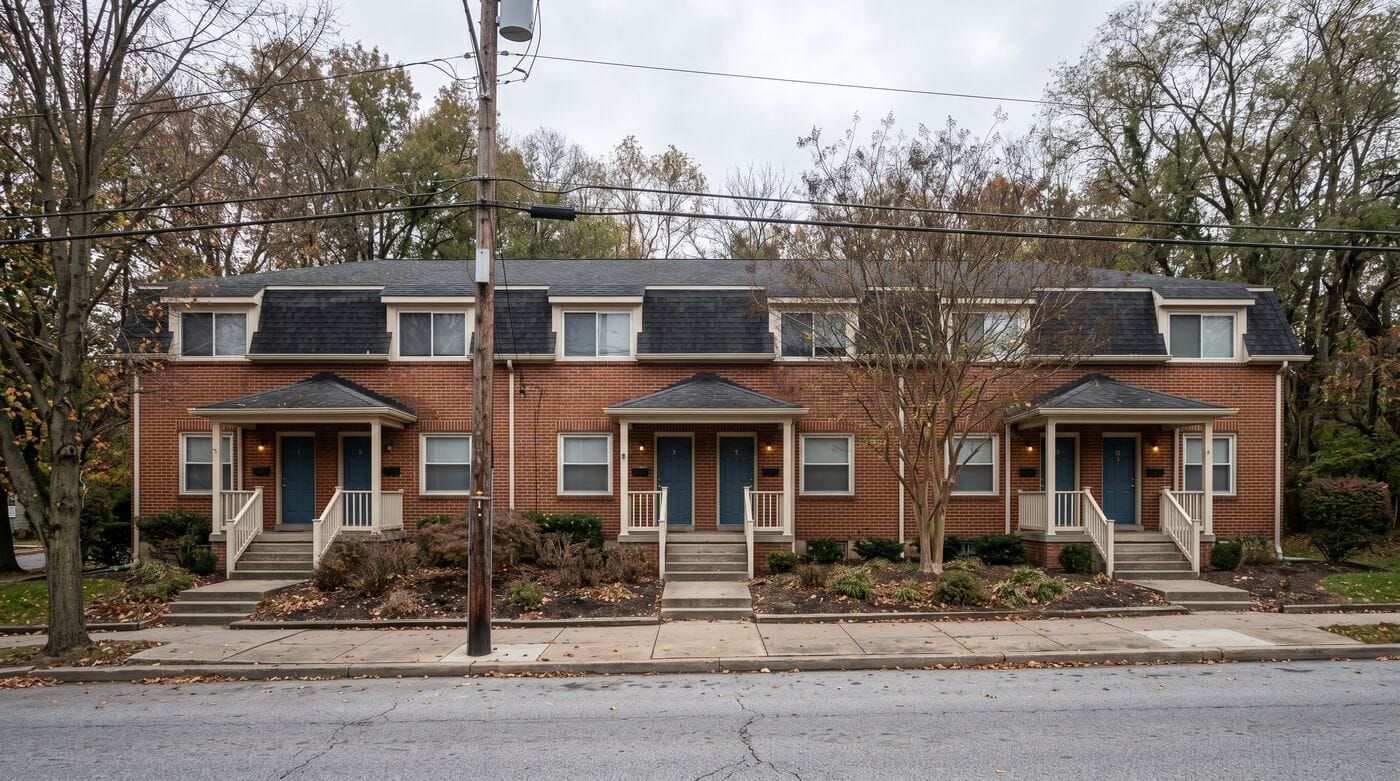
Landlord / Tenant Mold Inspection
Neutral third-party inspections and reports for rental disputes and code complaints.
Learn moreWhat York County homeowners say
Rated 5.0 from 5 Google reviews.
I could not recommend this business enough for mold inspections! If you're looking for quick turnaround, great communication and honest upfront service - this is your place. Tom was respectful, professional, and explained everything in great detail.
Truly the best! I can't say enough good things about Tom. I truly feel like I had someone I could count on by my side during this very stressful situation.
We had a great experience with Tom at Mastertech throughout this whole process. They took extra time to answer all of our questions and explained everything in a way that actually made sense.
Basement mold questions
It's common, which isn't the same as normal. A musty basement means there's material down there holding moisture — usually stored cardboard, carpet, paneling over block, or the bottom of the framing in a finished section. Common enough that most people ignore it, and that's fine right up until the air from down there is what you're breathing upstairs.
Basement and foundation reading
Hidden leaks, finished basements and the York County drainage problems that feed them.
Why Finished Basements in York, PA Can Trap Mold Odors
A finished basement hides more than ugly pipes and bare concrete. It hides mold. Here's why finished basement spaces in York County are among the most common sources of persistent mold odors - and why the problem is almost never visible until it's been growing for years.
Read the articleIs That Basement Smell Mold or Just Moisture?
Your basement smells. Maybe it always has. The question most York County homeowners ask is whether they're dealing with active mold or just a damp space. The answer matters - and it's not always obvious.
Read the articleCan Hidden Mold Make Your Allergies Worse All Year?
When seasonal allergies don't follow the seasons, hidden mold may be to blame. Learn how year-round mold exposure differs from typical outdoor allergens, what signs to watch for, and how to find out if your home is the real cause.
Read the articleOther pages people land on
Same approach, different corner of the problem.
Mold inspection cost in York, PA
The flat price — $450 residential, $785 commercial — what it includes, and why free inspections cost more.
Read thisMold inspector near me
What a real inspection covers, what to ask before you hire, and why free ones cost more.
Read thisMold testing near me
Air, surface and ERMI testing explained, with what each one can and can't tell you.
Read thisAttic mold
Why attics in this climate grow mold on the sheathing, and how the testing answers it.
Read thisWhere I work
I cover York and the towns around it — basically anything within about 7 miles of 2400 Taxville Rd, York, PA 17408, plus a good bit of York County beyond that. If you're close and don't see your town, call me anyway.
Based in York, not a call center
You reach me directly, and I'm the one who shows up and does the inspection. Most weeks I can be out within a couple of days, sooner if you're up against a closing date.